Traits
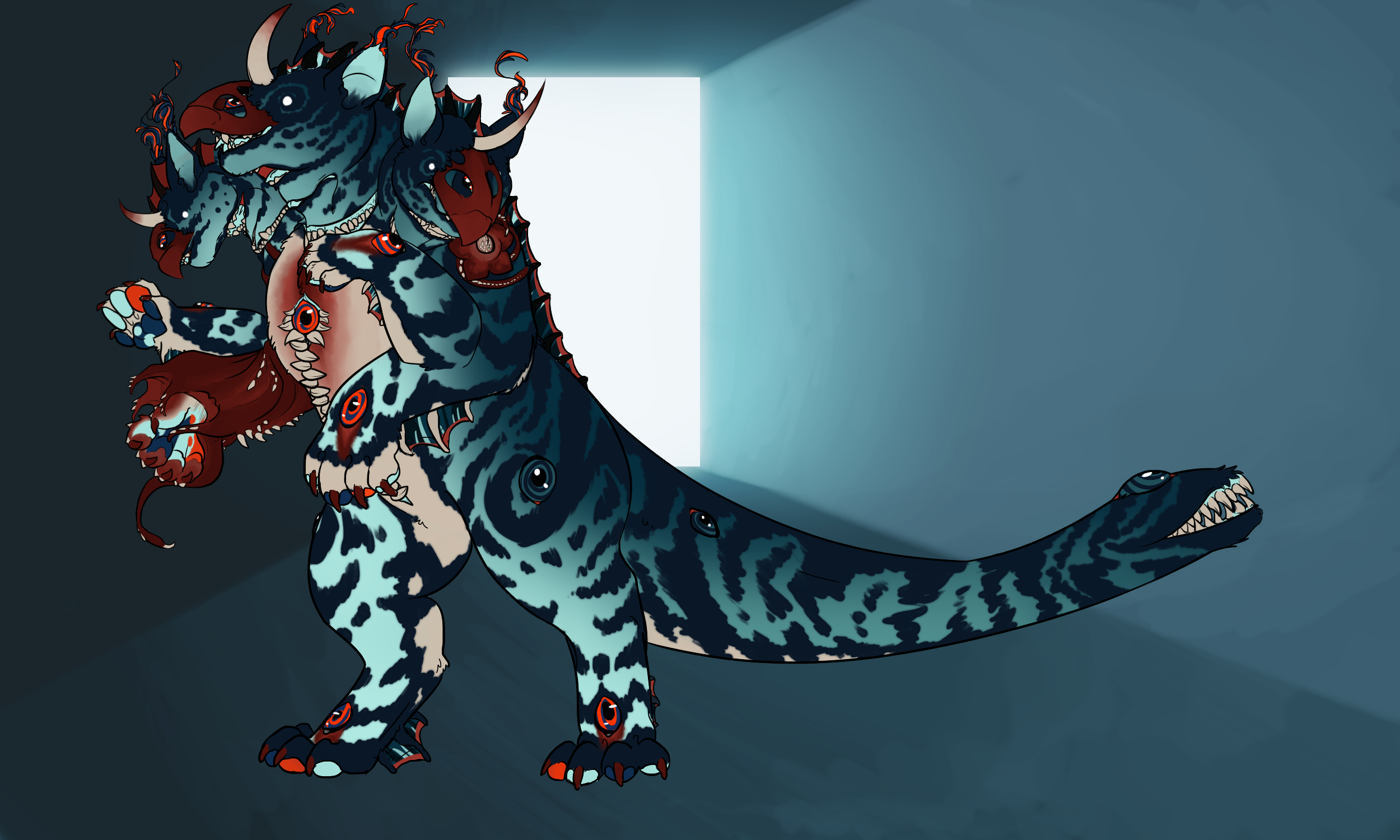
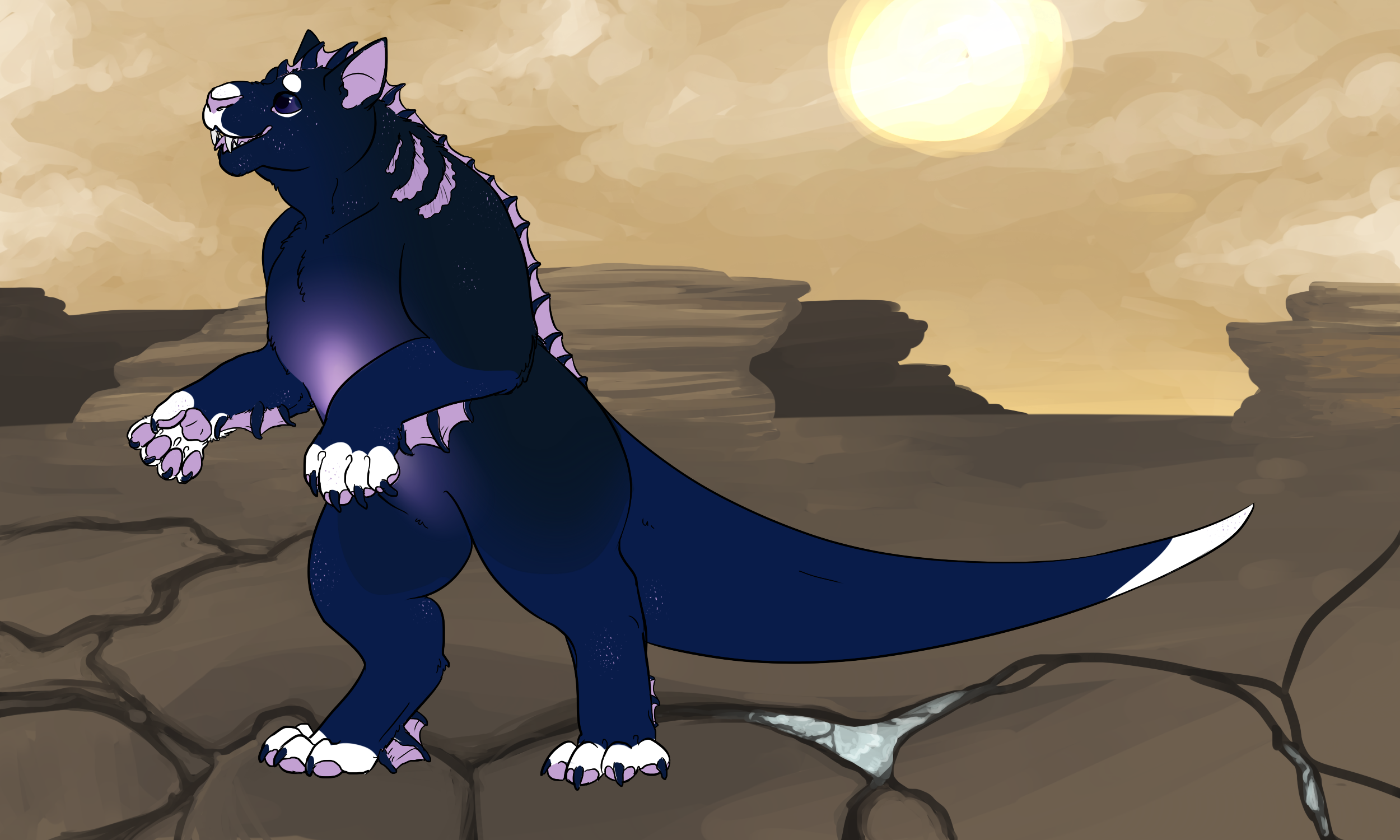
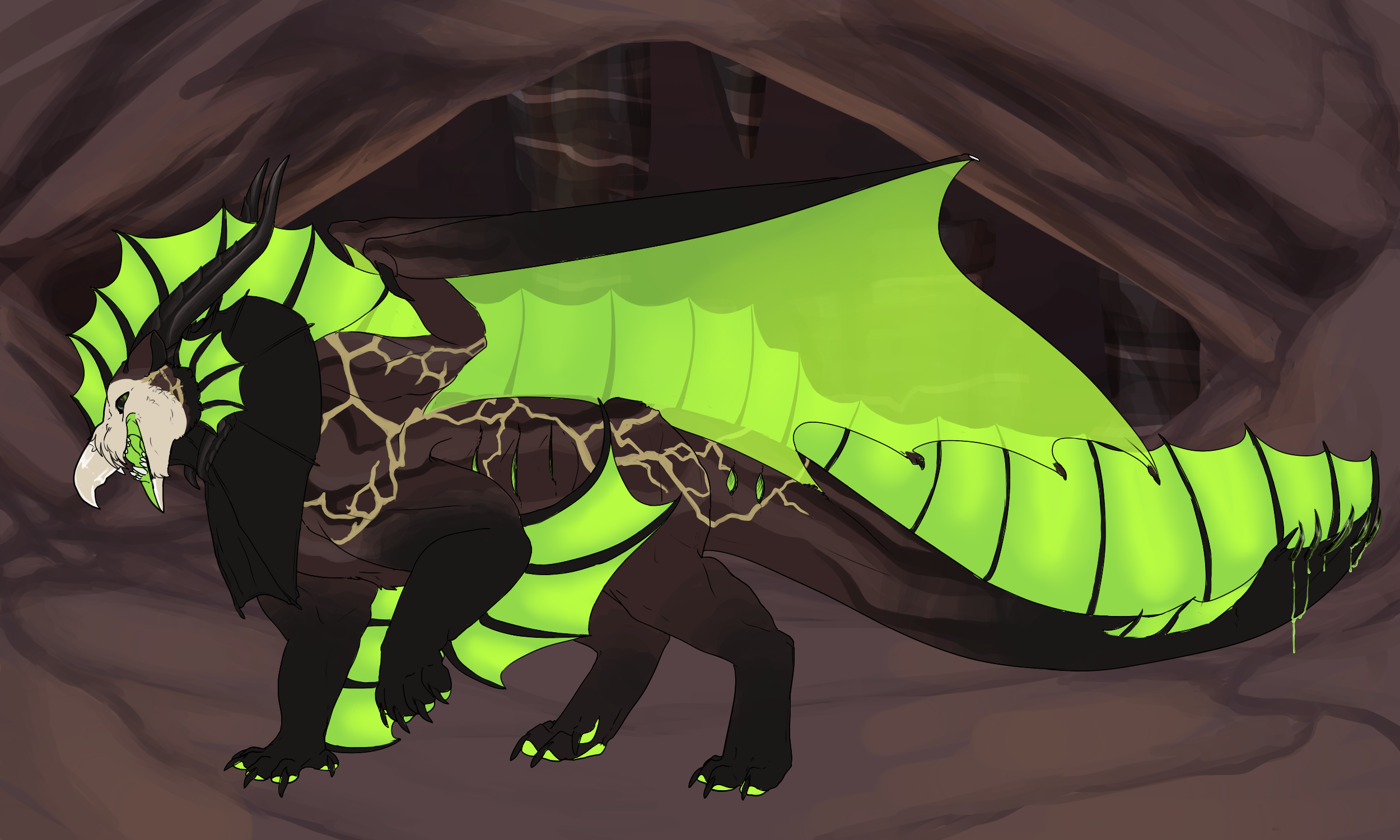
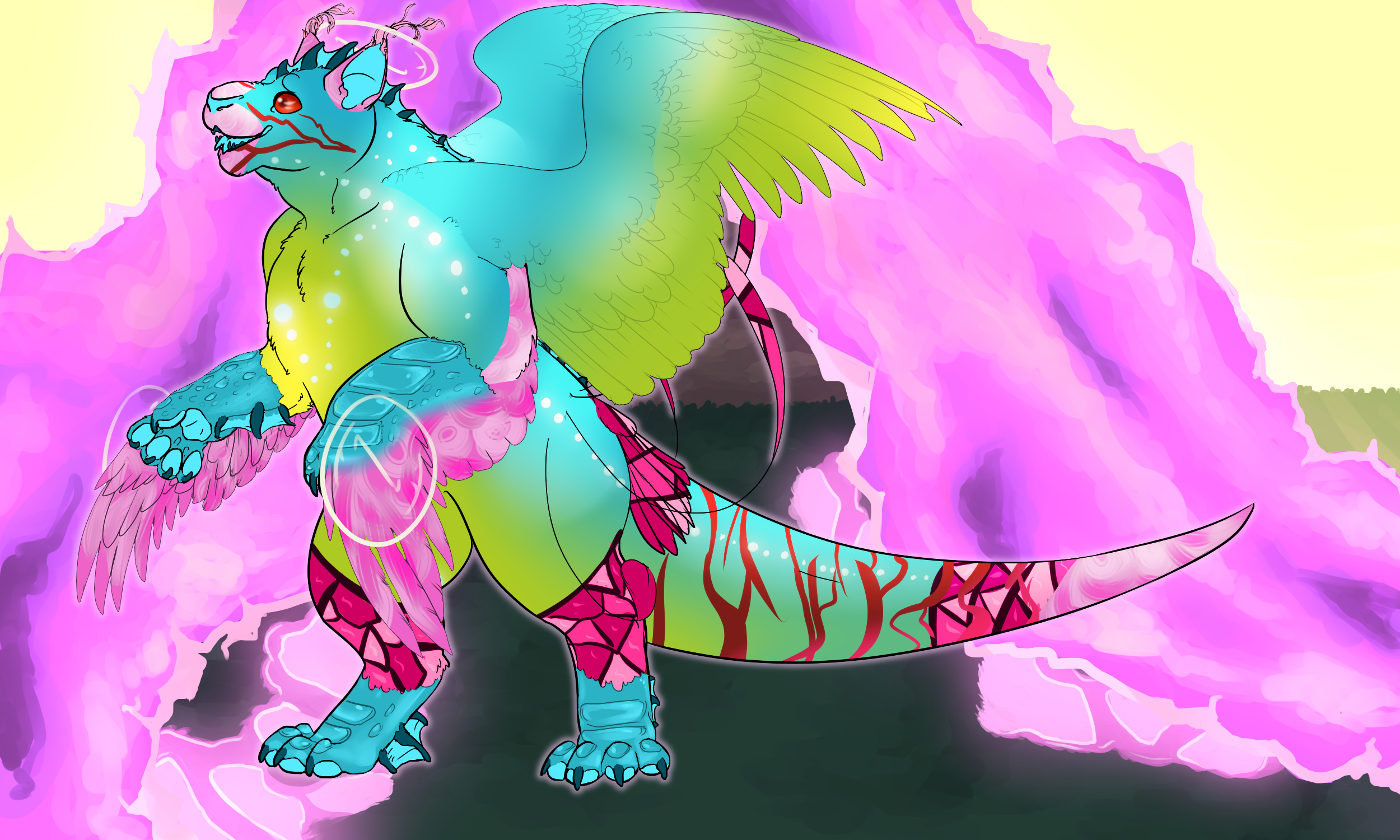
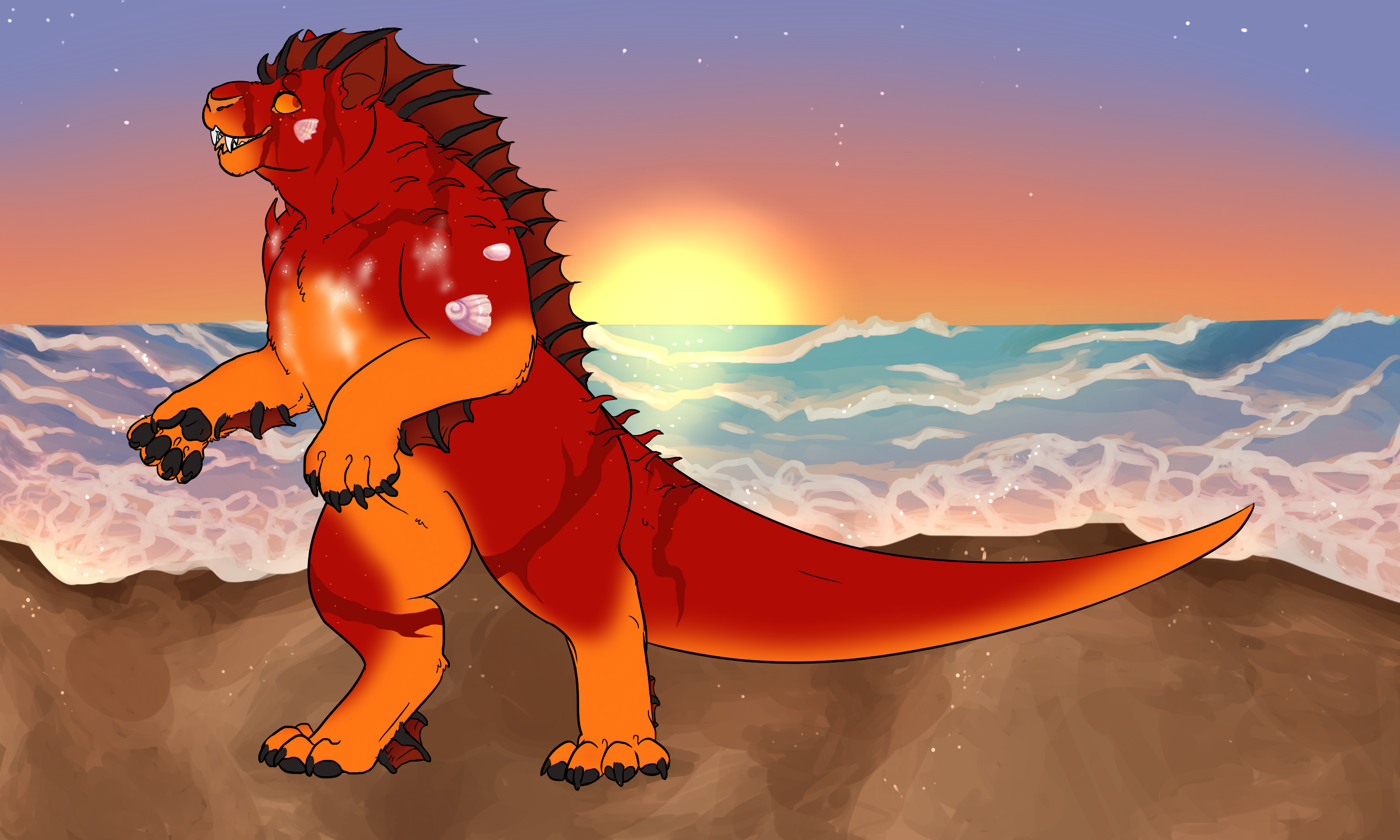
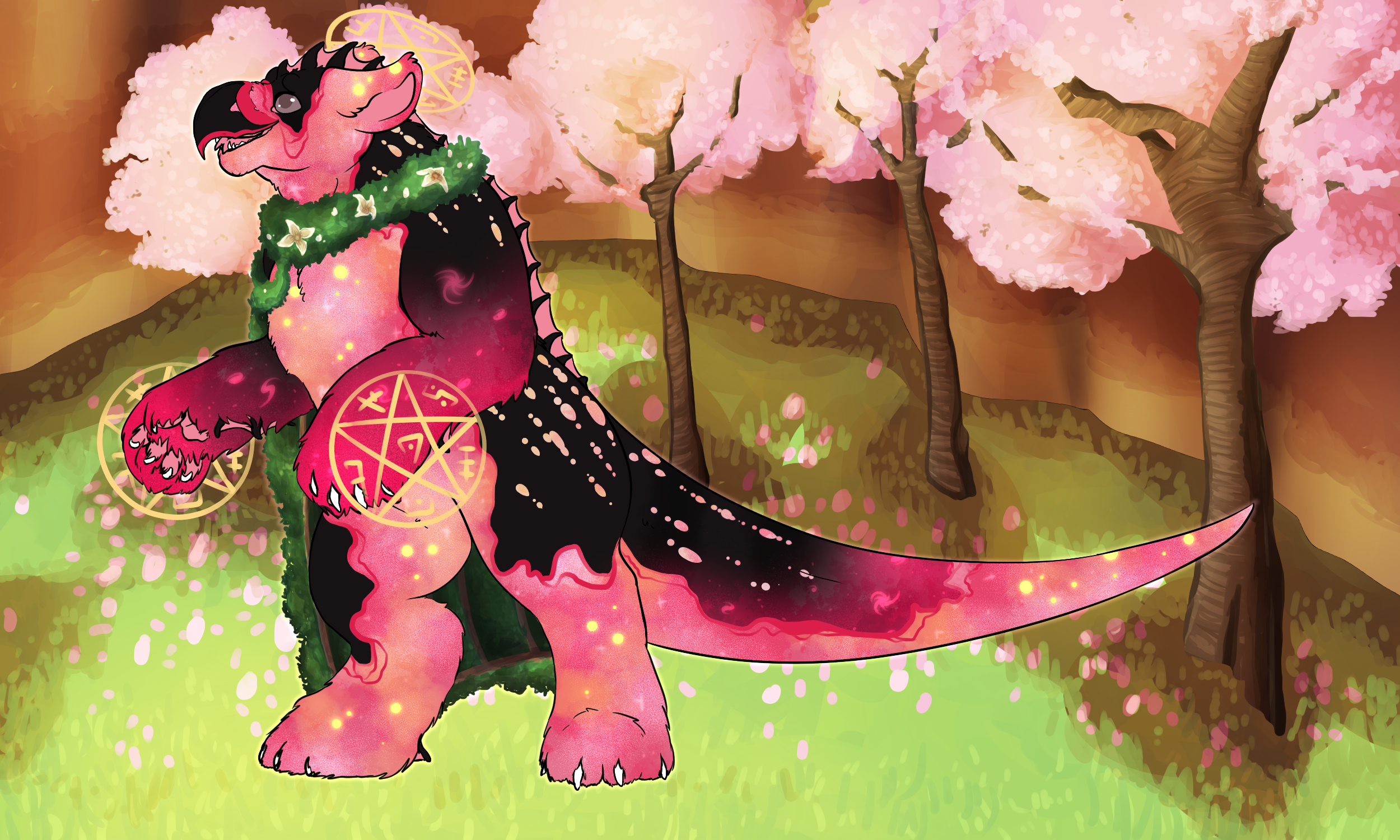
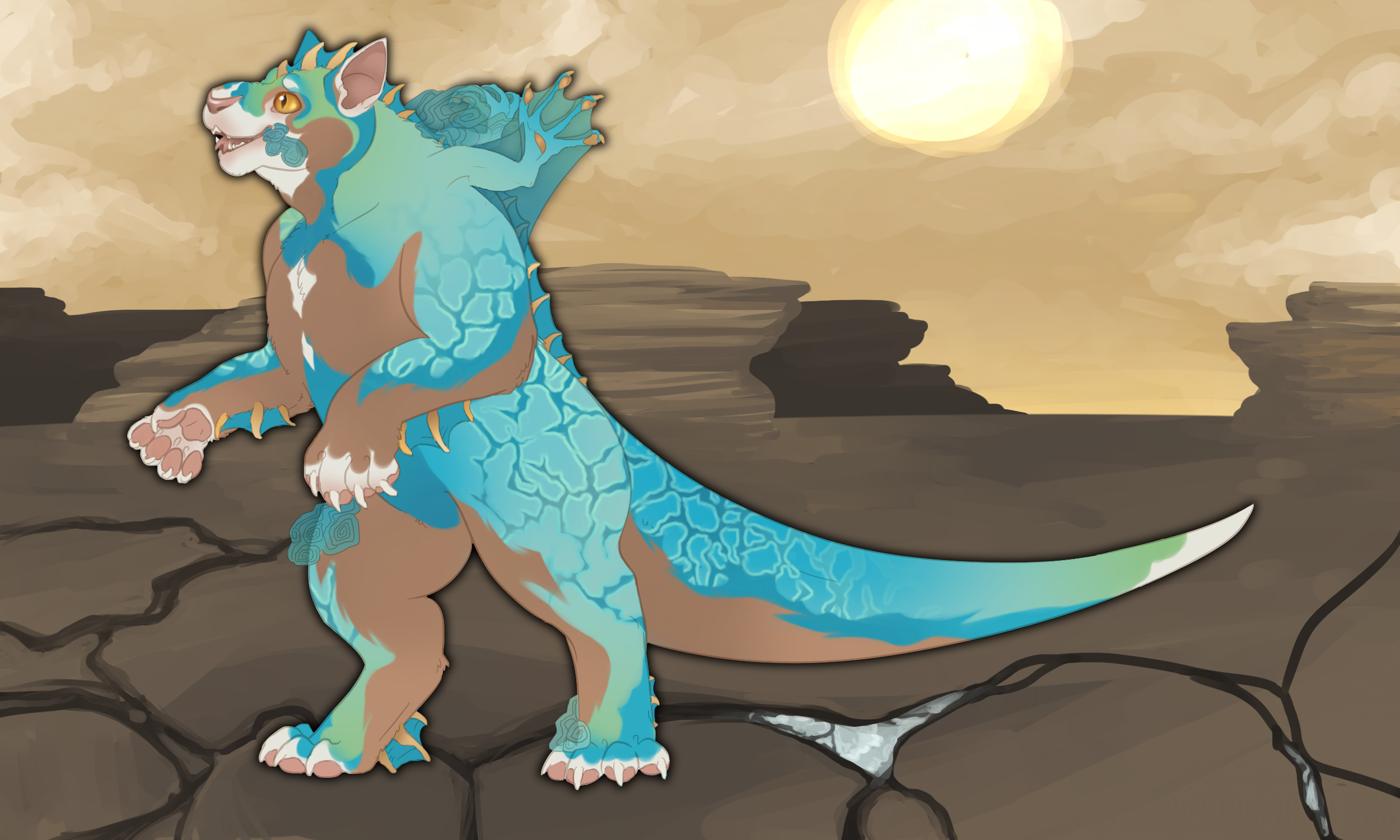
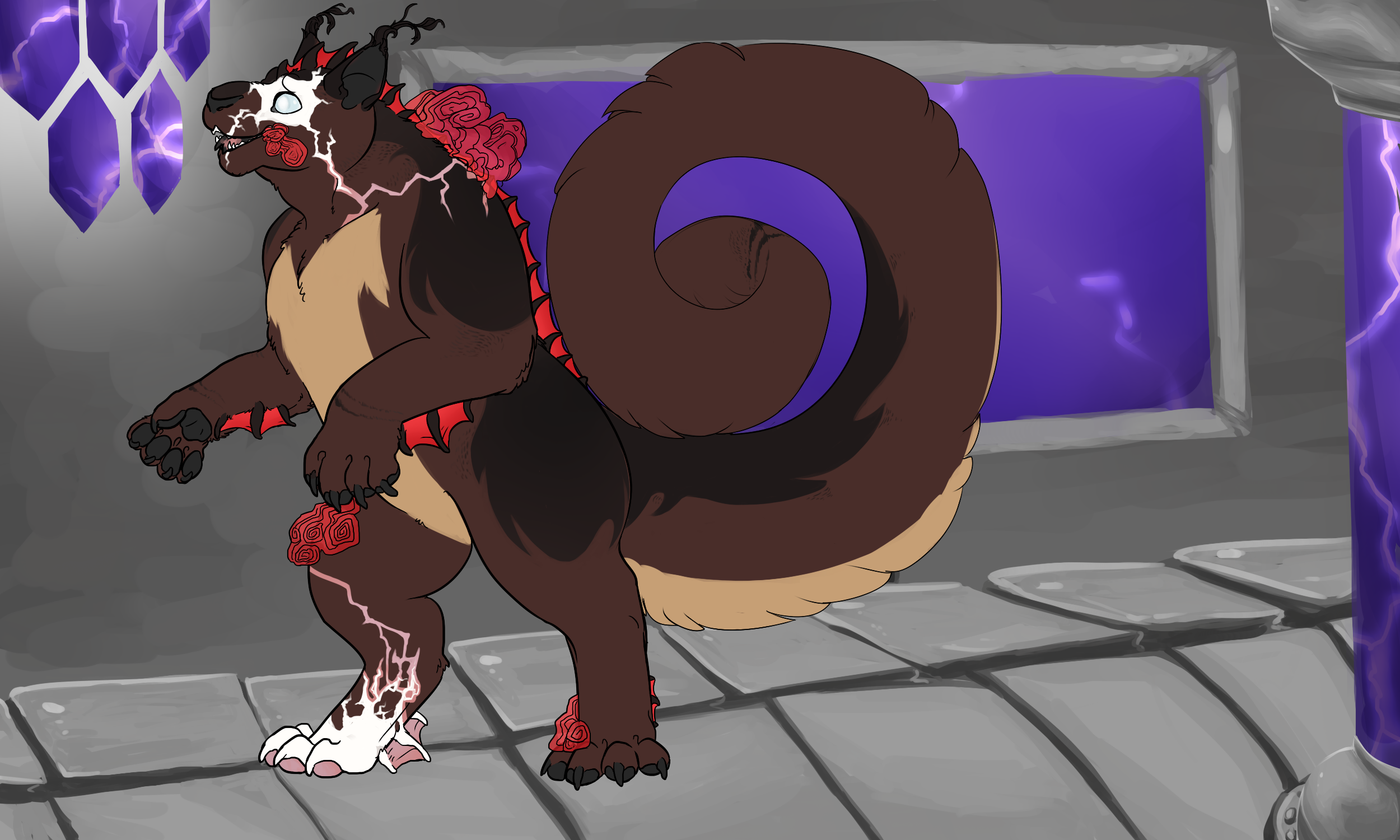
Groundbreaking (nGbk/GbkGbk) (Common)
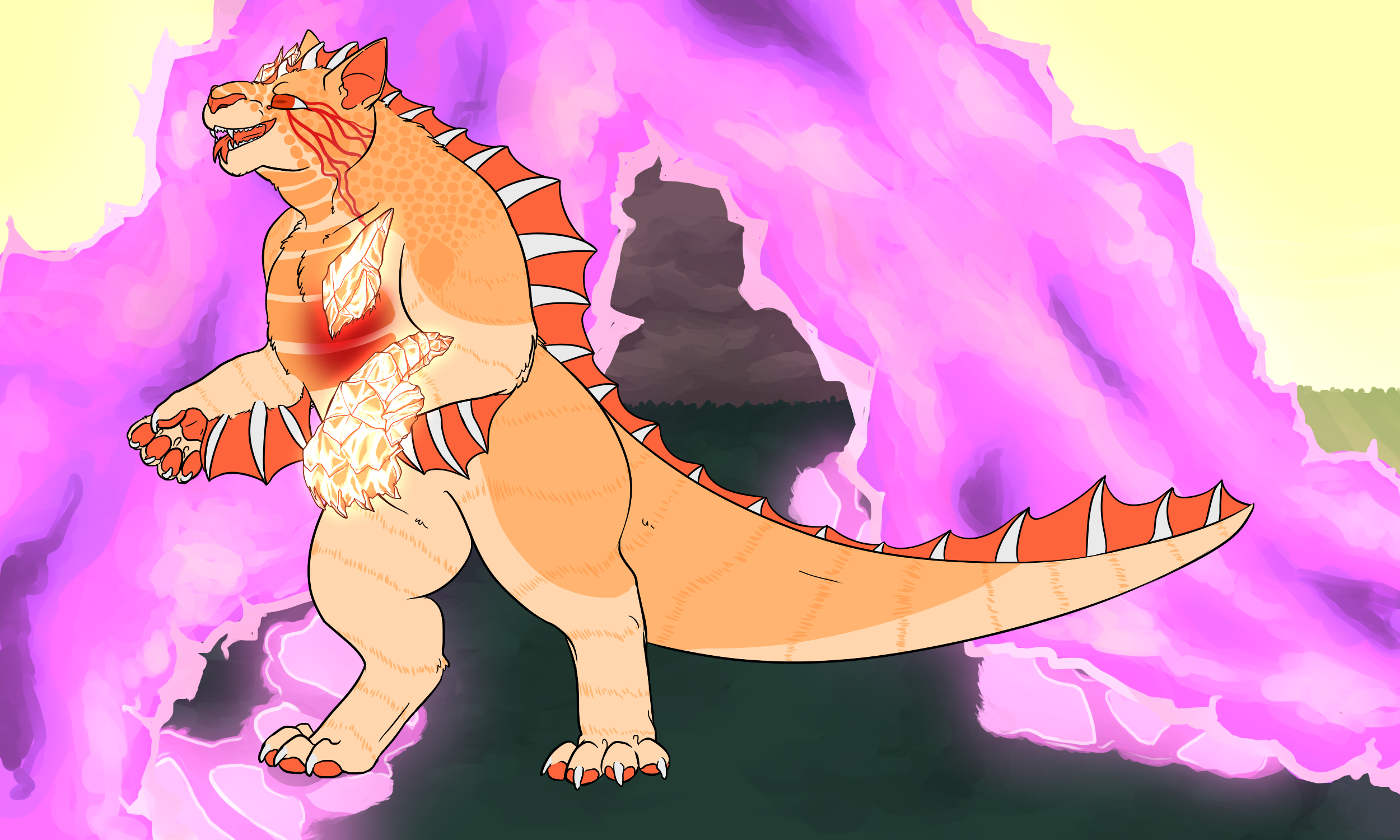
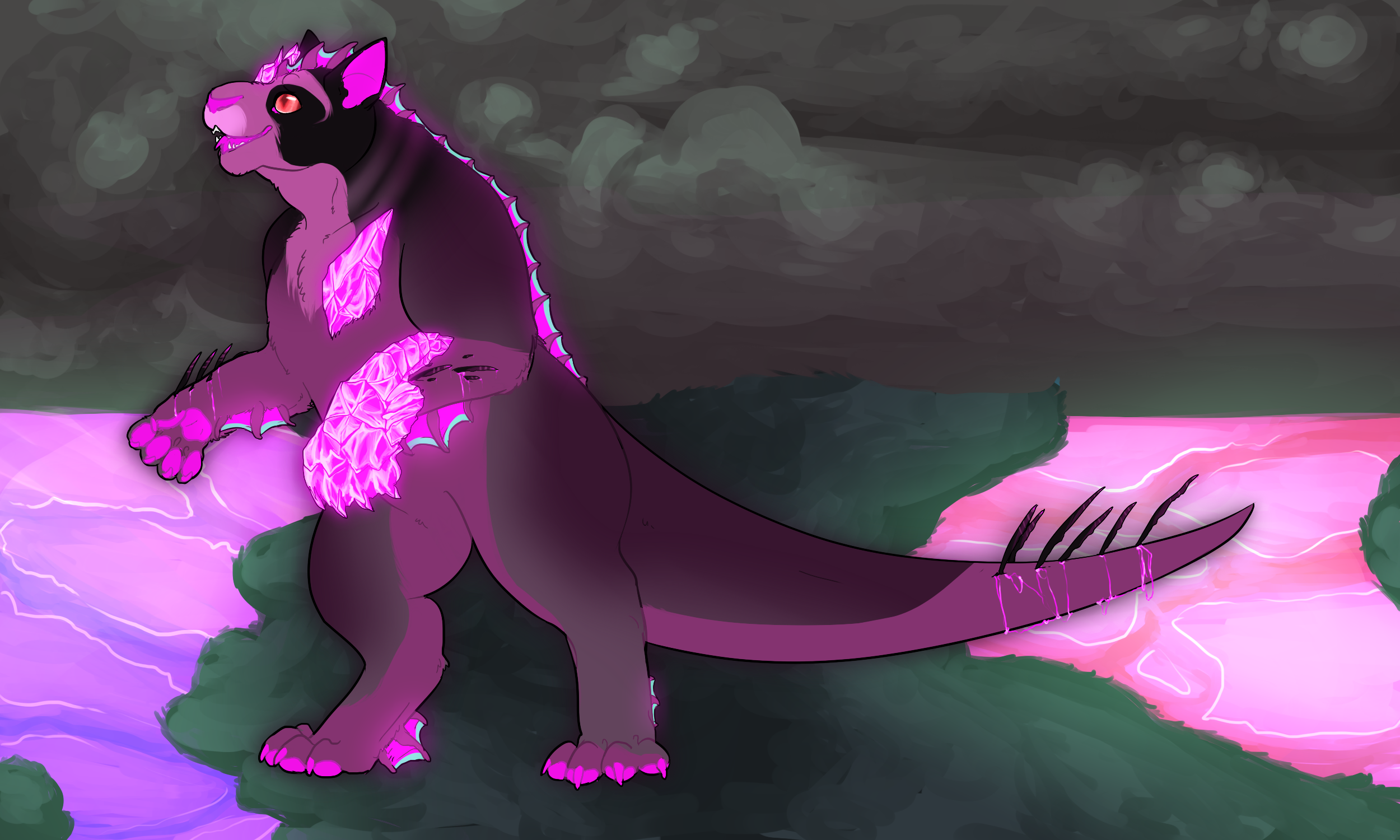
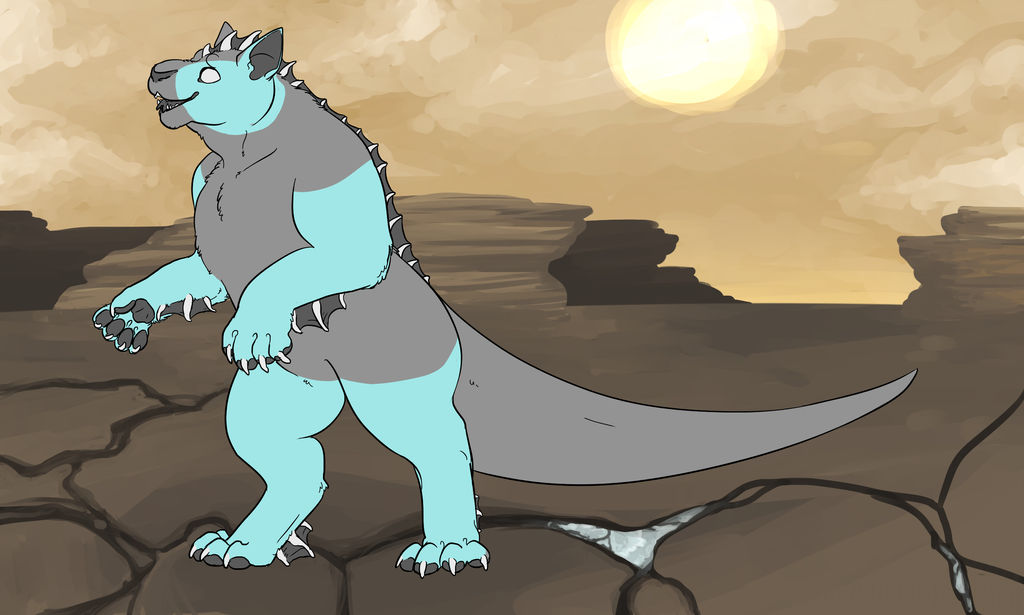
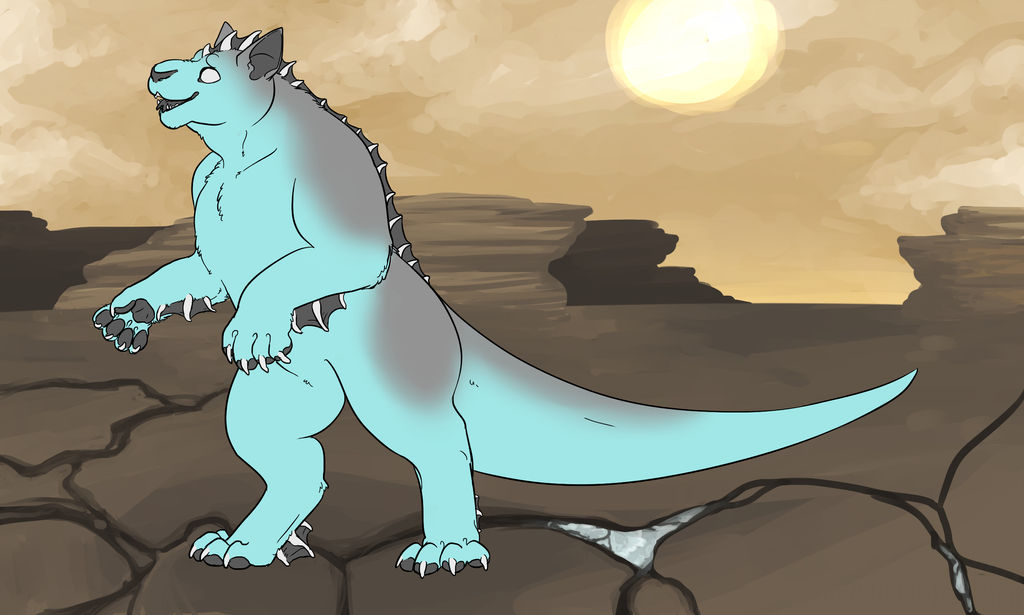
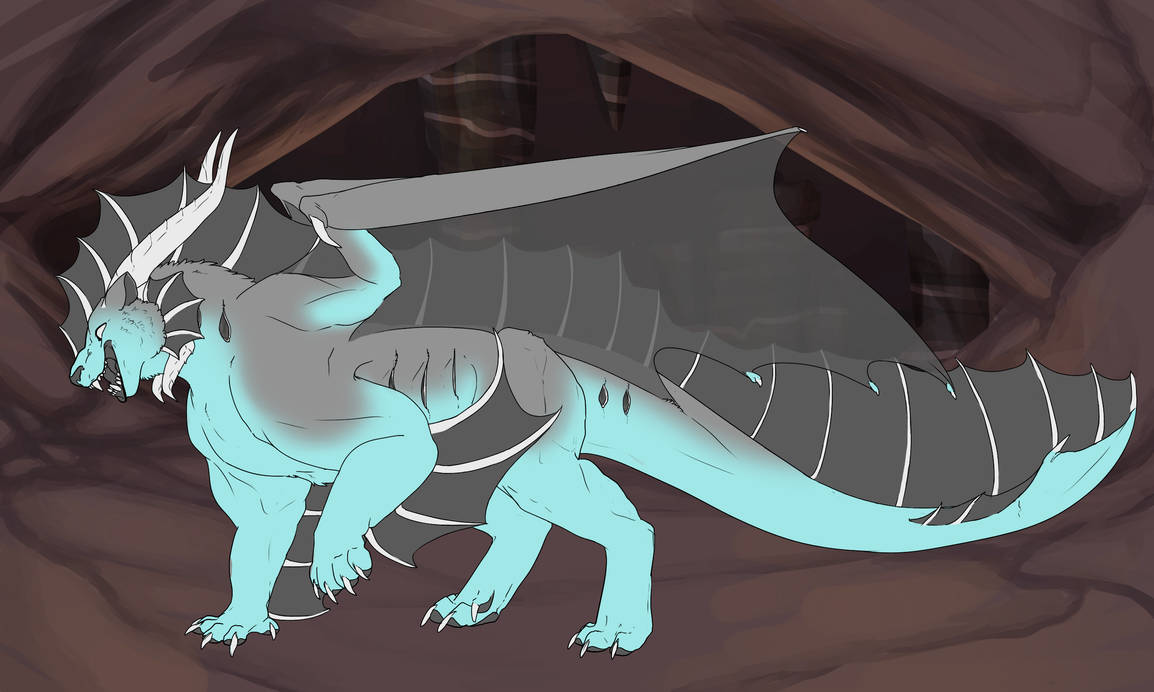
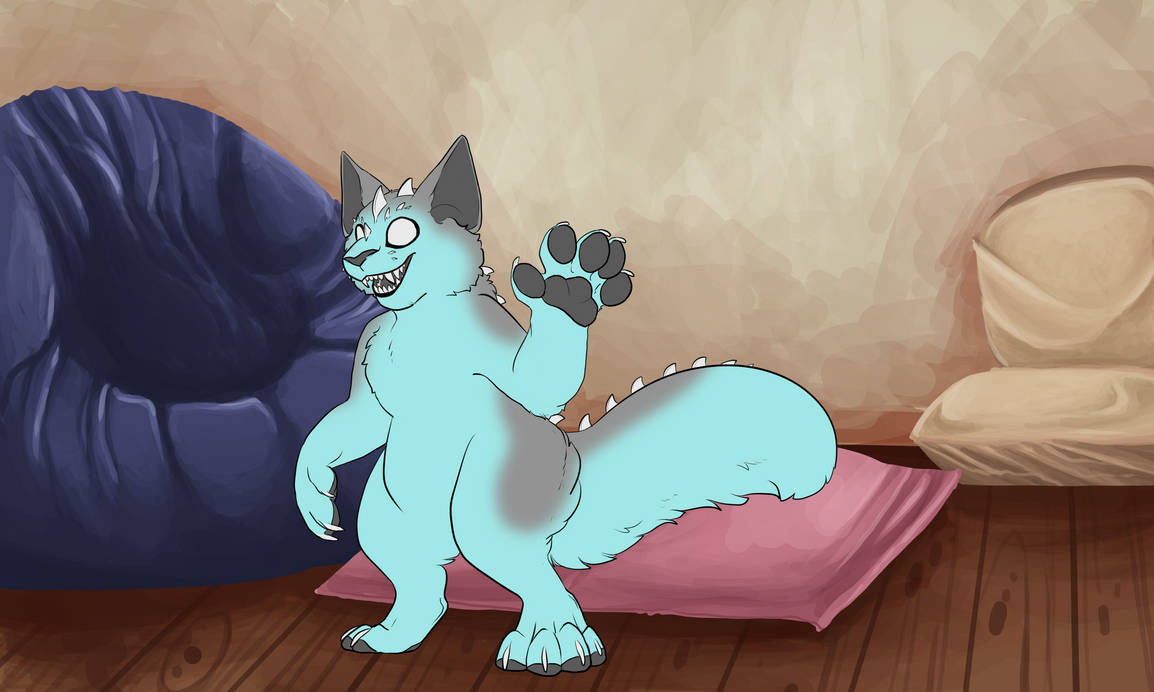
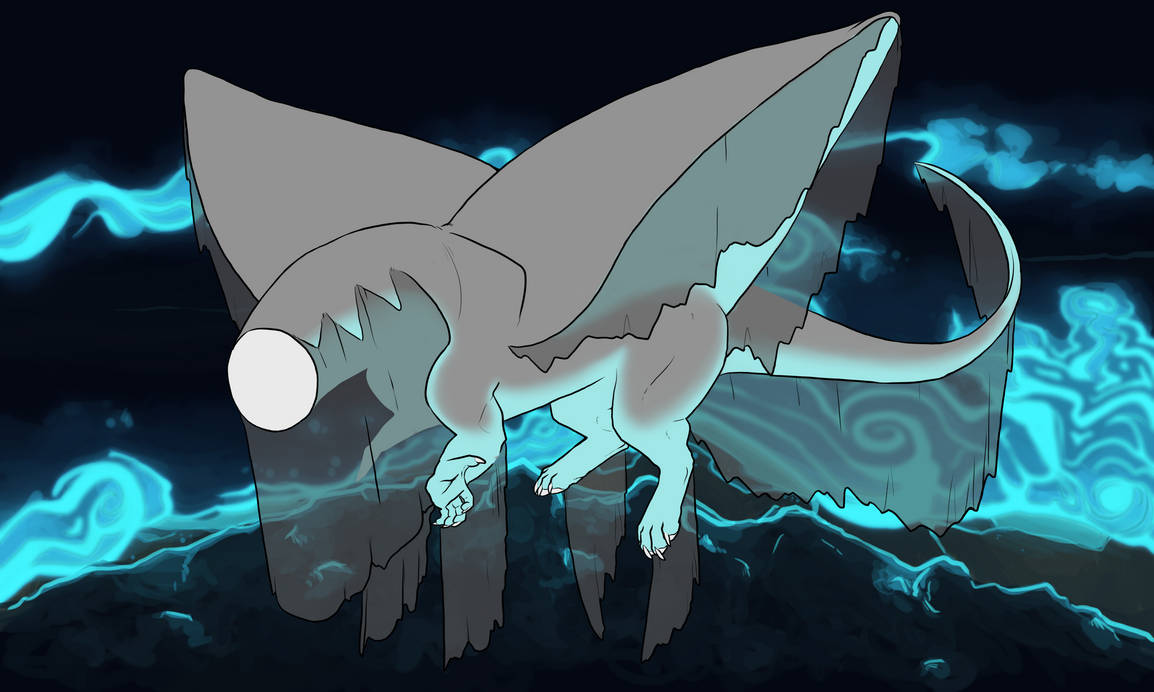
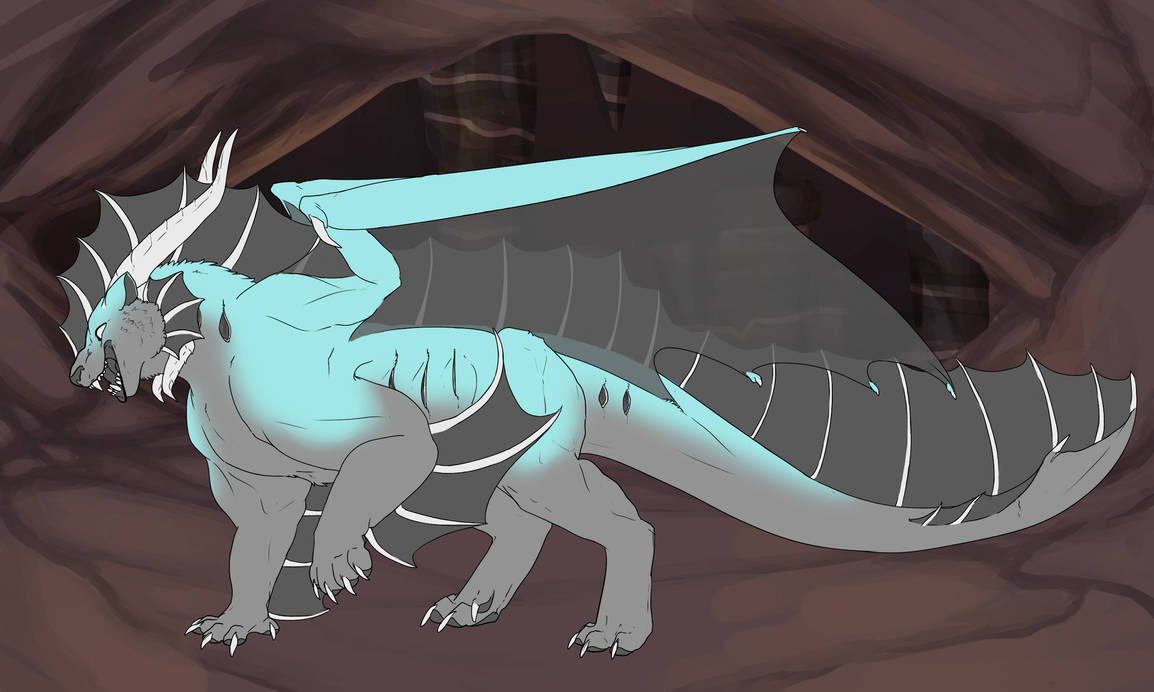
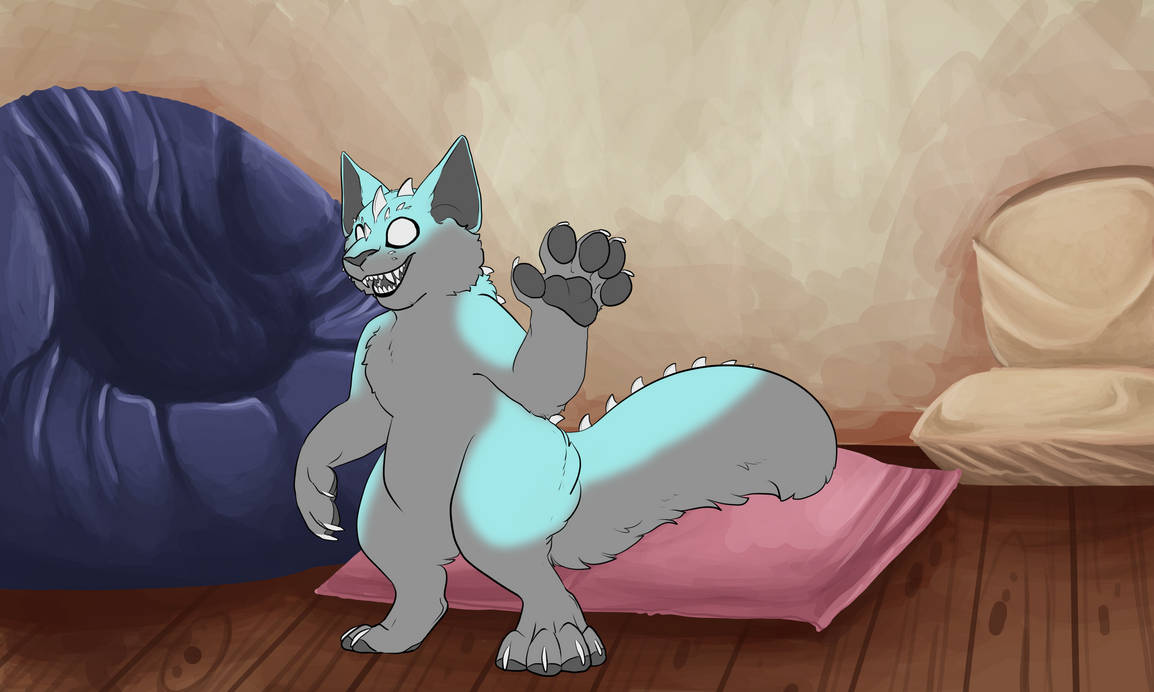
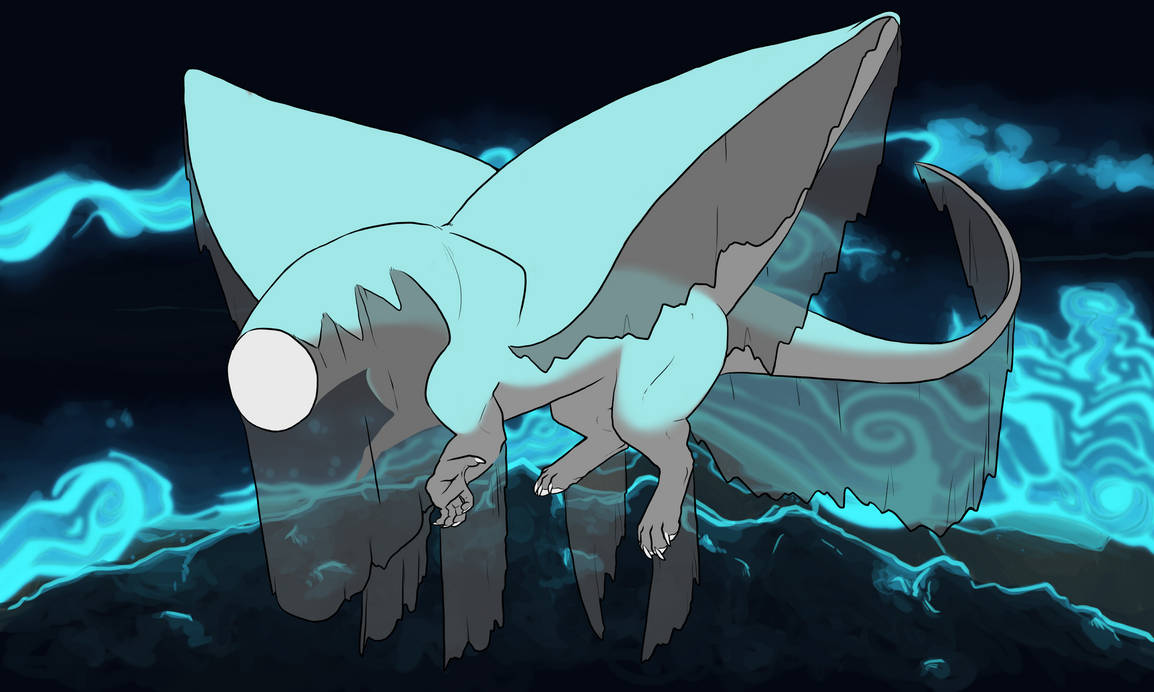
Creates crackles across the body of the Rixixi, in any color, including bright ones. Can be two-toned.
- Groundbreaking can be any color, and may display up to two colors within the marking, which may be blended together.
- It should appear as a streak of color that branches off, as if making a "crack" or "lightning bolt" shape.
- It should be hard or textured-edged.
- Groundbreaking has no minimum, and can appear on multiple places on the Rixixi's body. It should not cover more than roughly 50% of the Rixixi.
Examples:
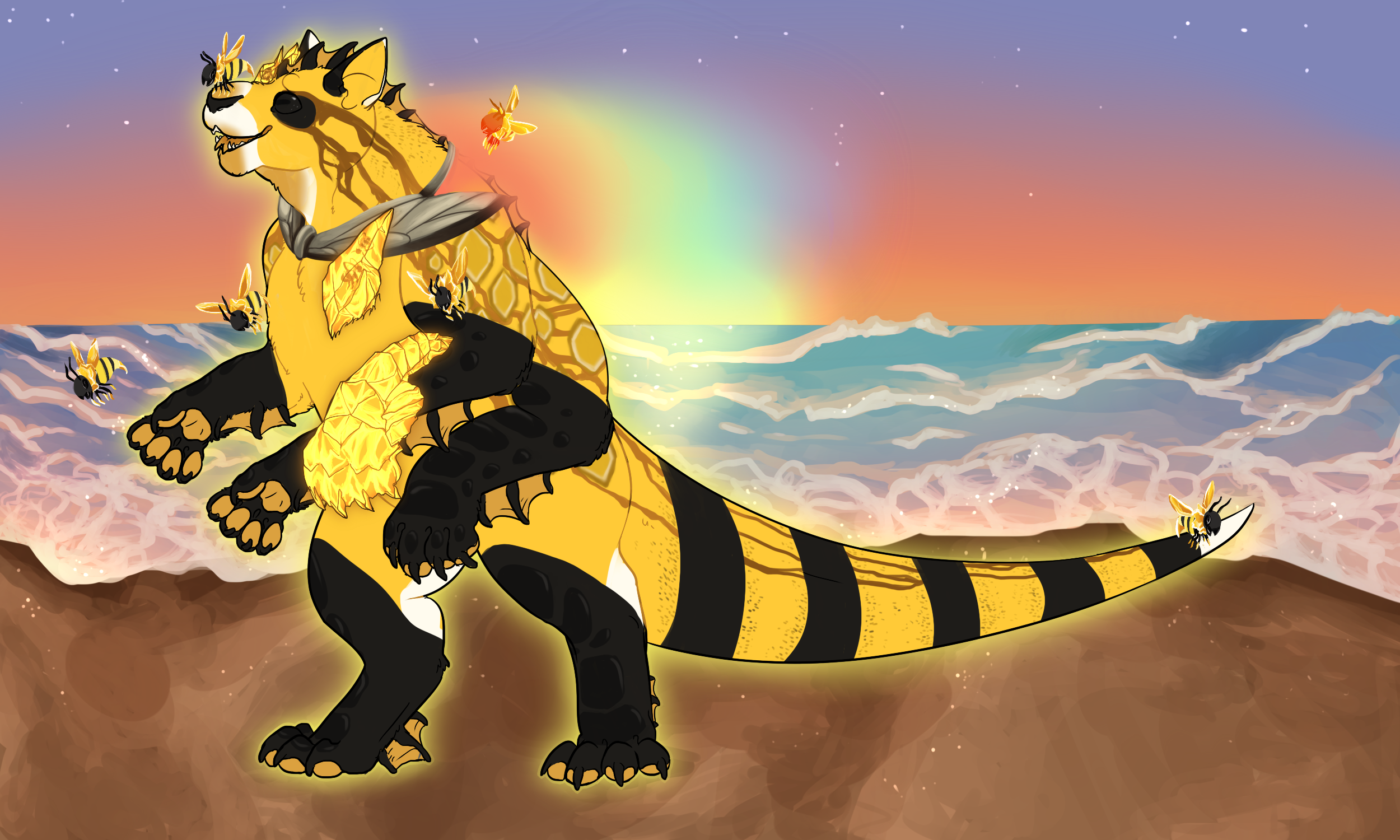
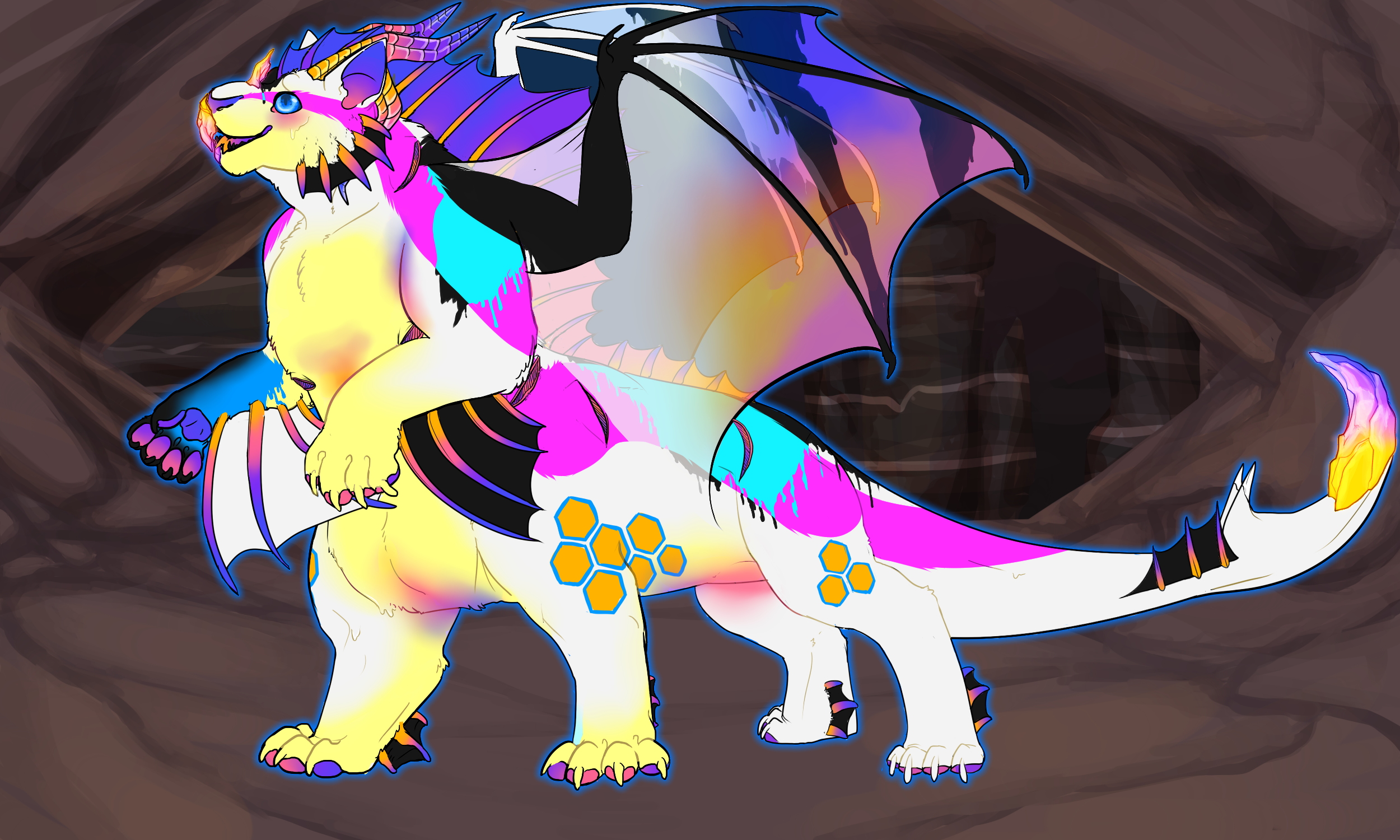
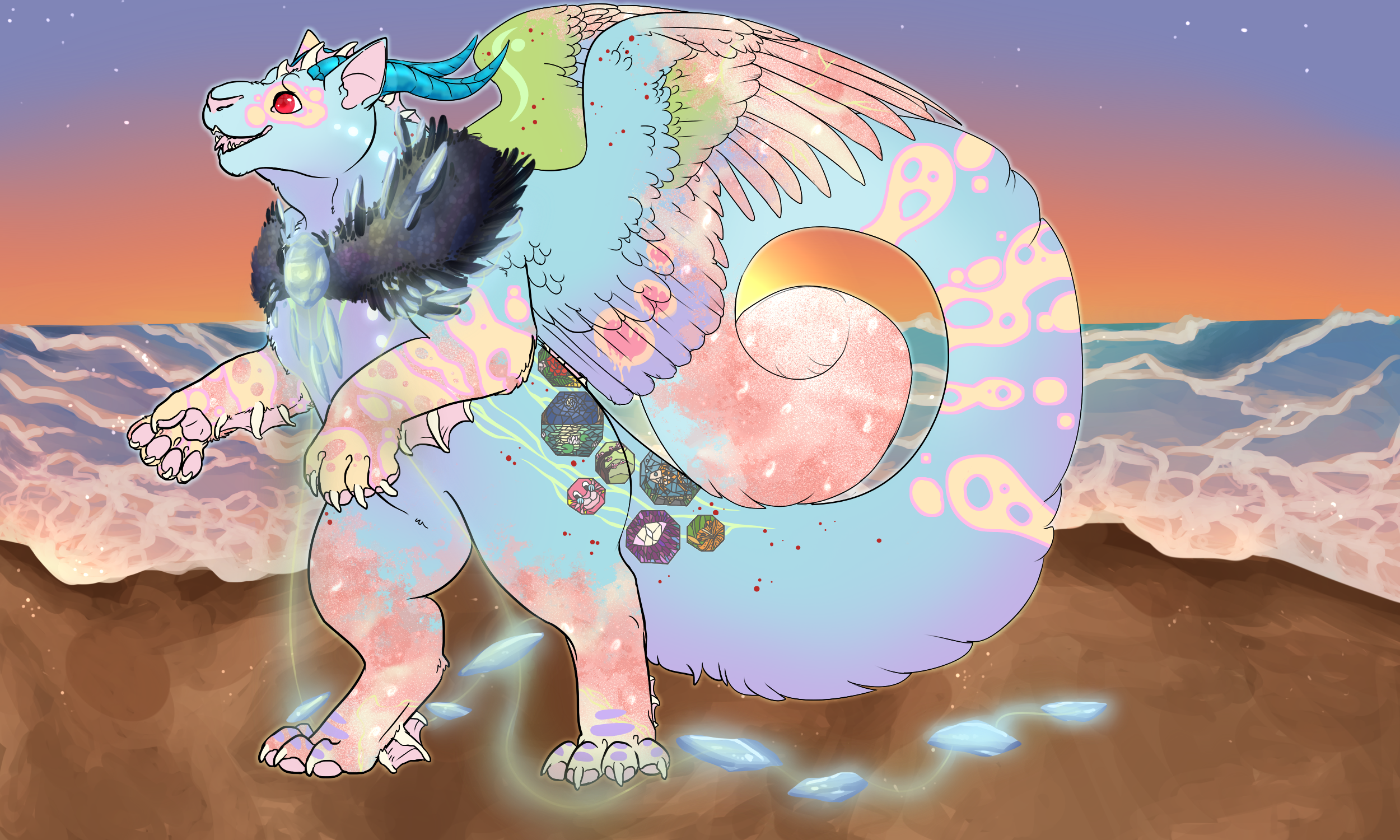
Hexagon (nHex/HexHex) (Common)
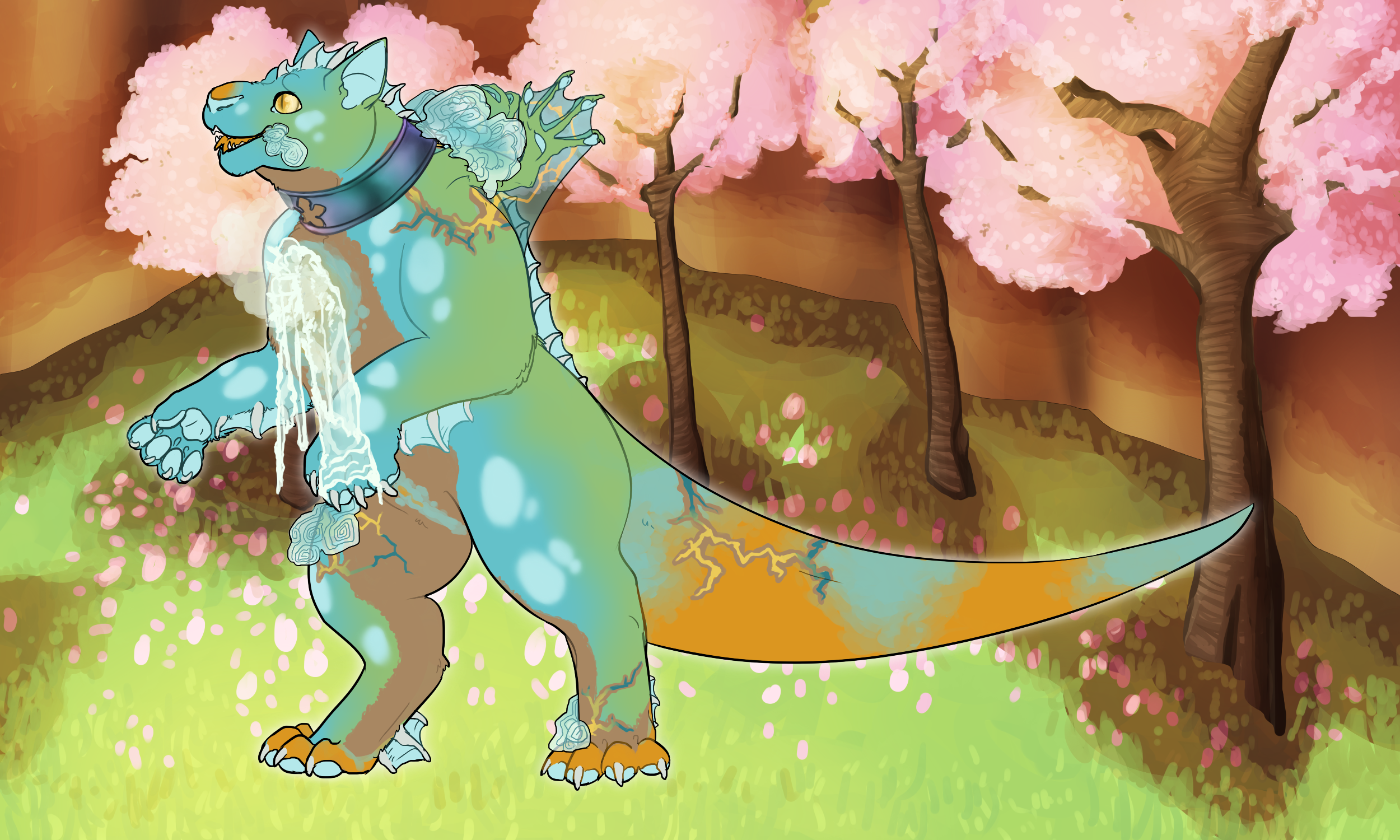
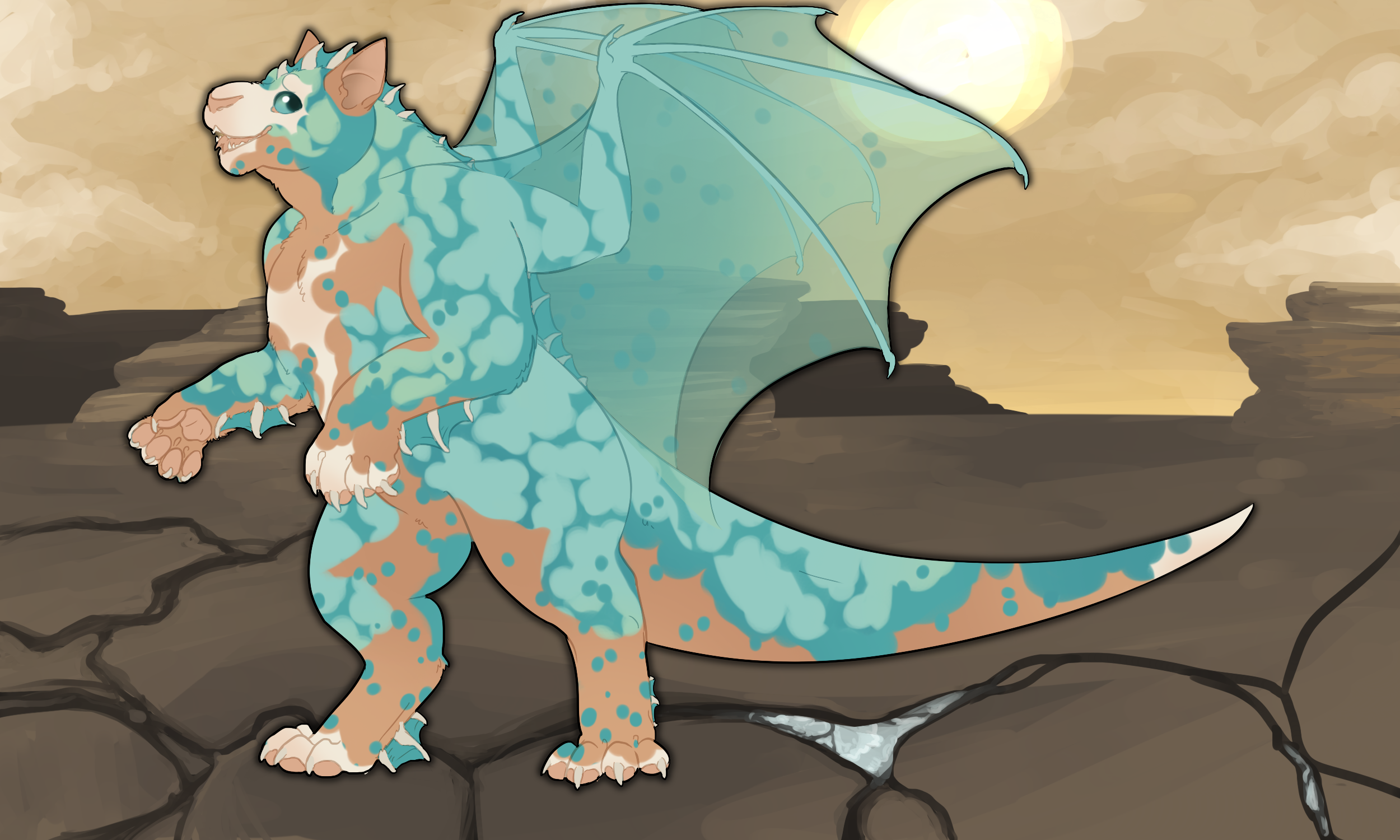
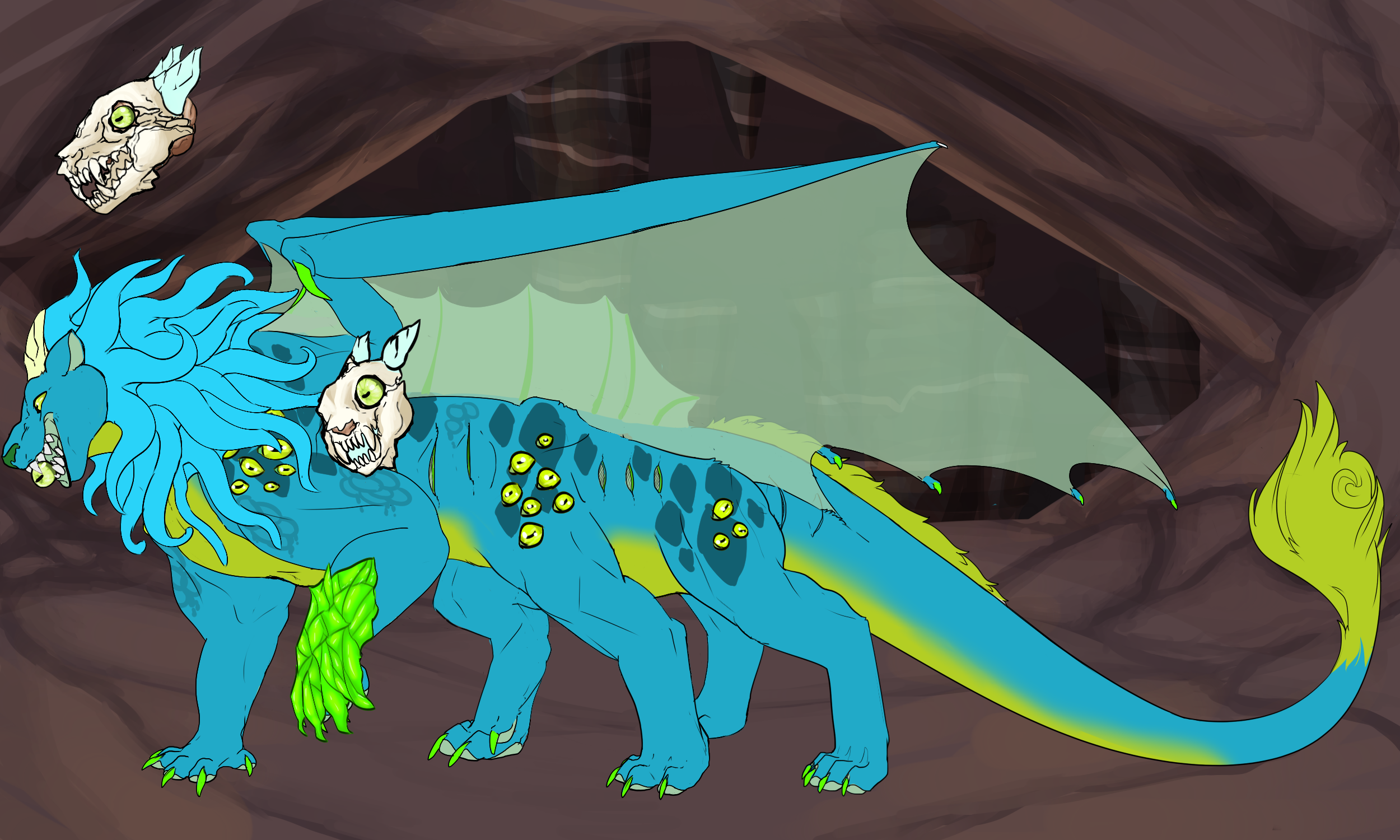
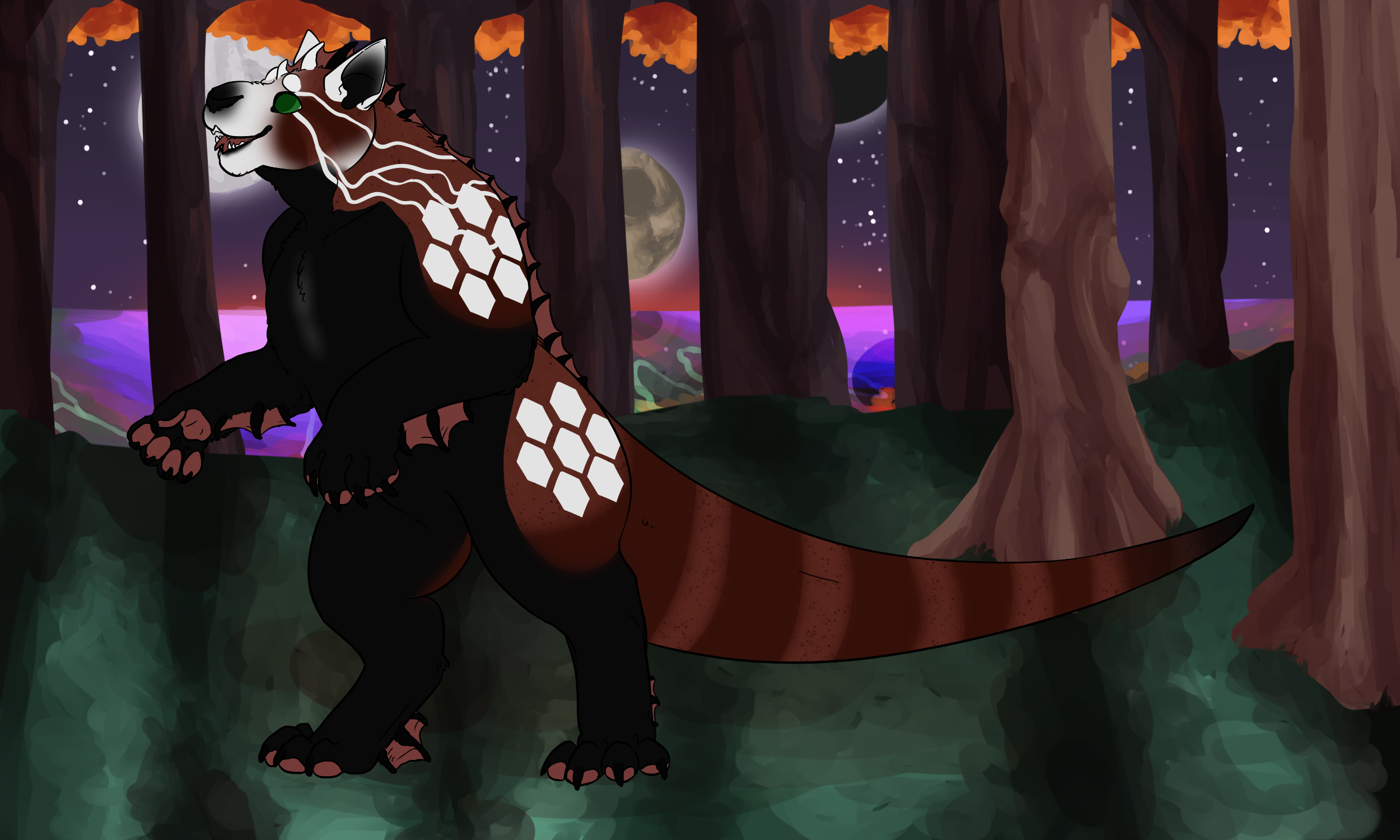
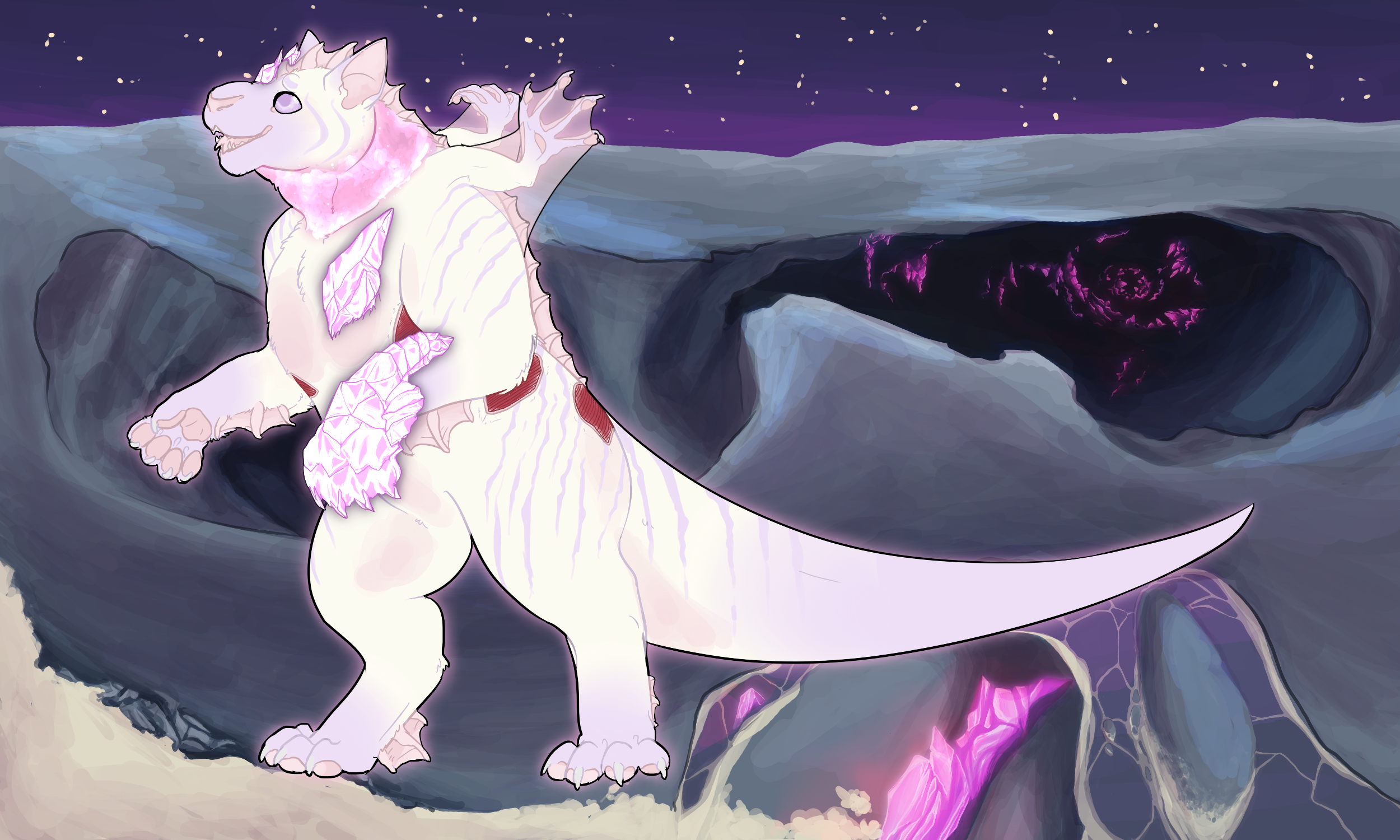
- Hexagon can be any color, including bright ones, and may be three-toned.
- It should be shaped like a pattern of hexagons, octagons, pentagons, or similar geometrical shapes. It can be rough and "natural" looking, like a giraffe's spots.
- It can be hard-edged, lightly soft-edged, or lightly textured. It should not be blurred out or heavily textured.
- It has no minimum, but should be noticeable on the design.
Examples:
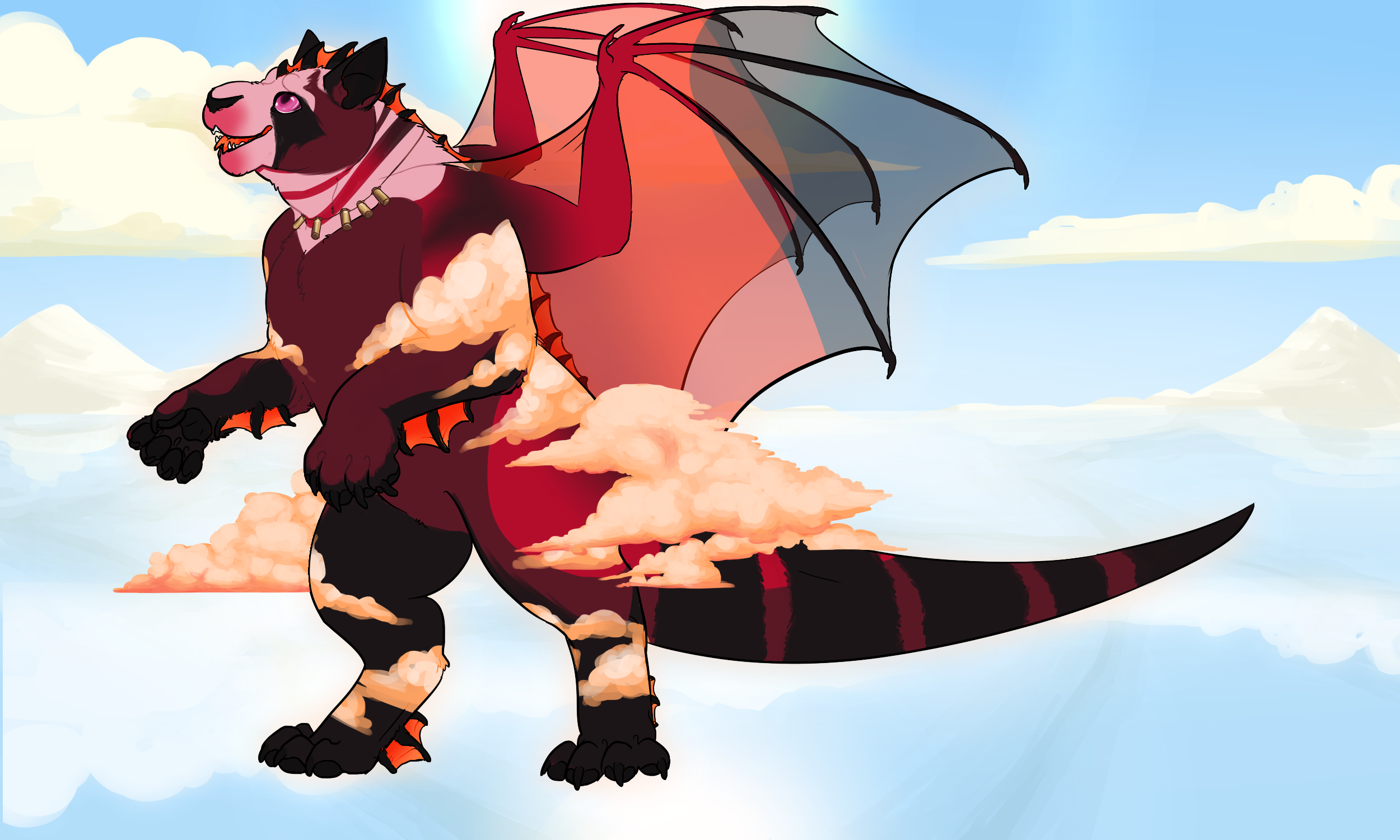
Hood (nHd/HdHd) (Common)
Range:
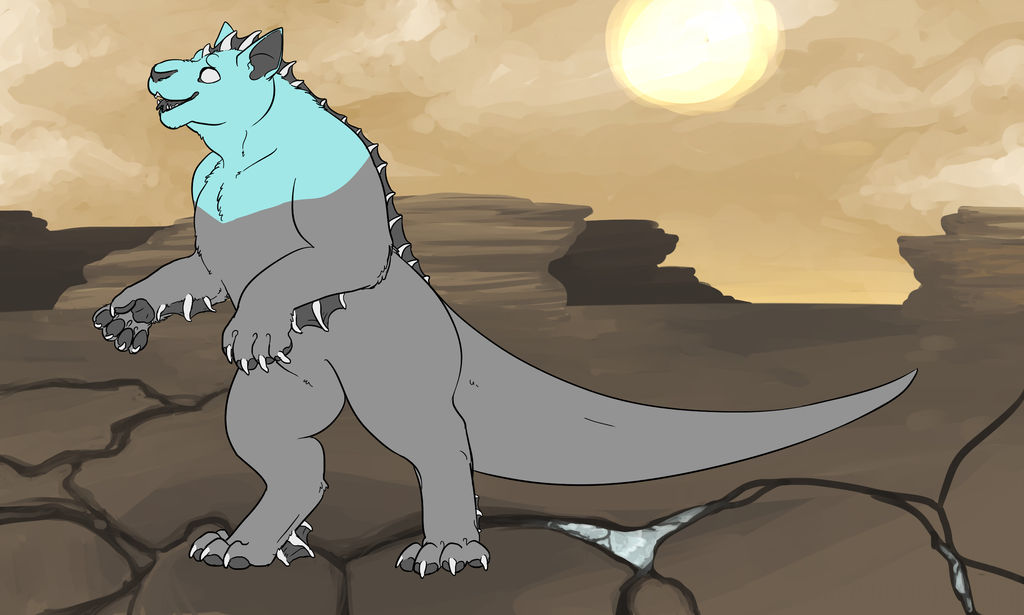
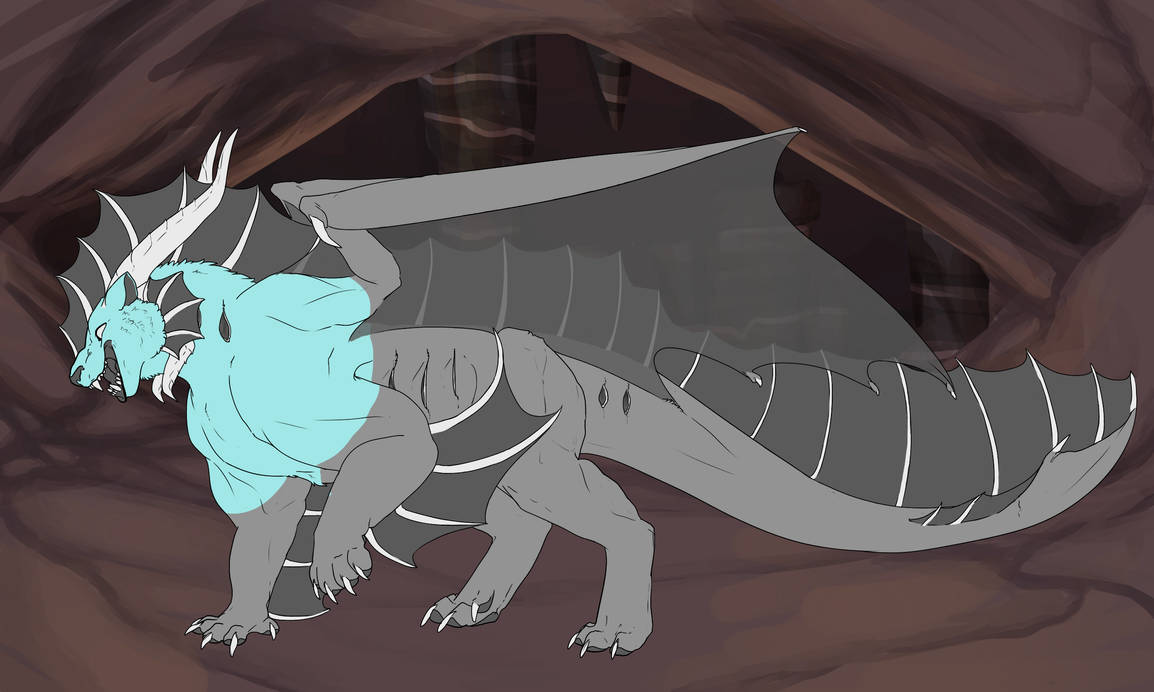
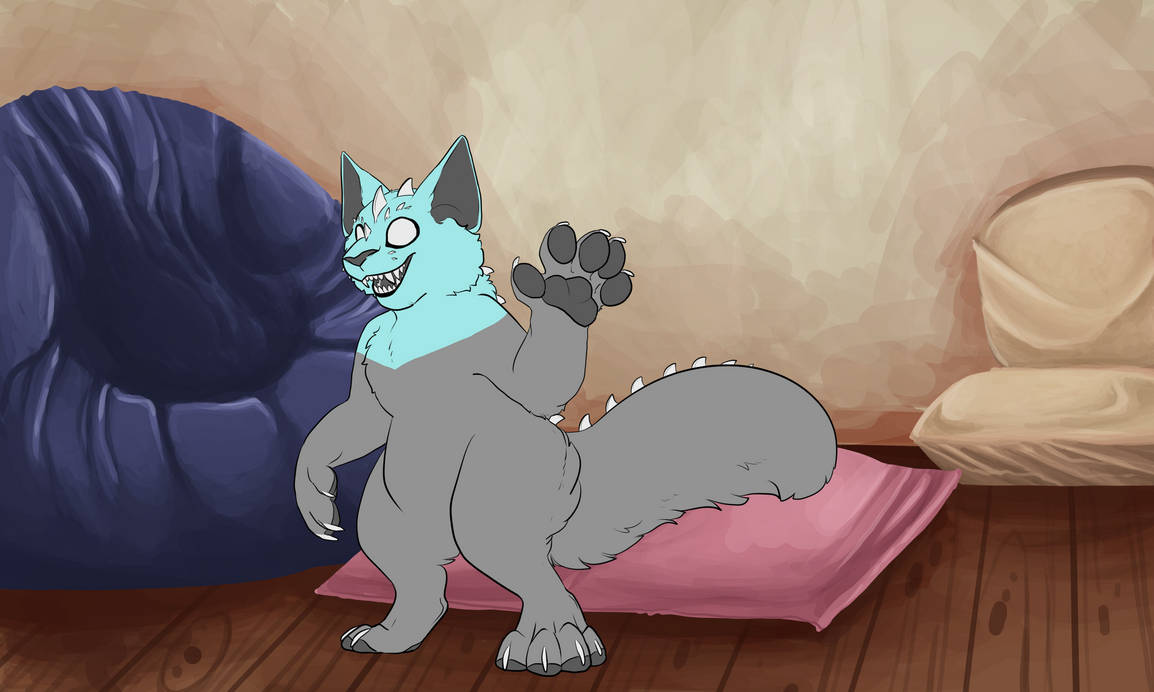
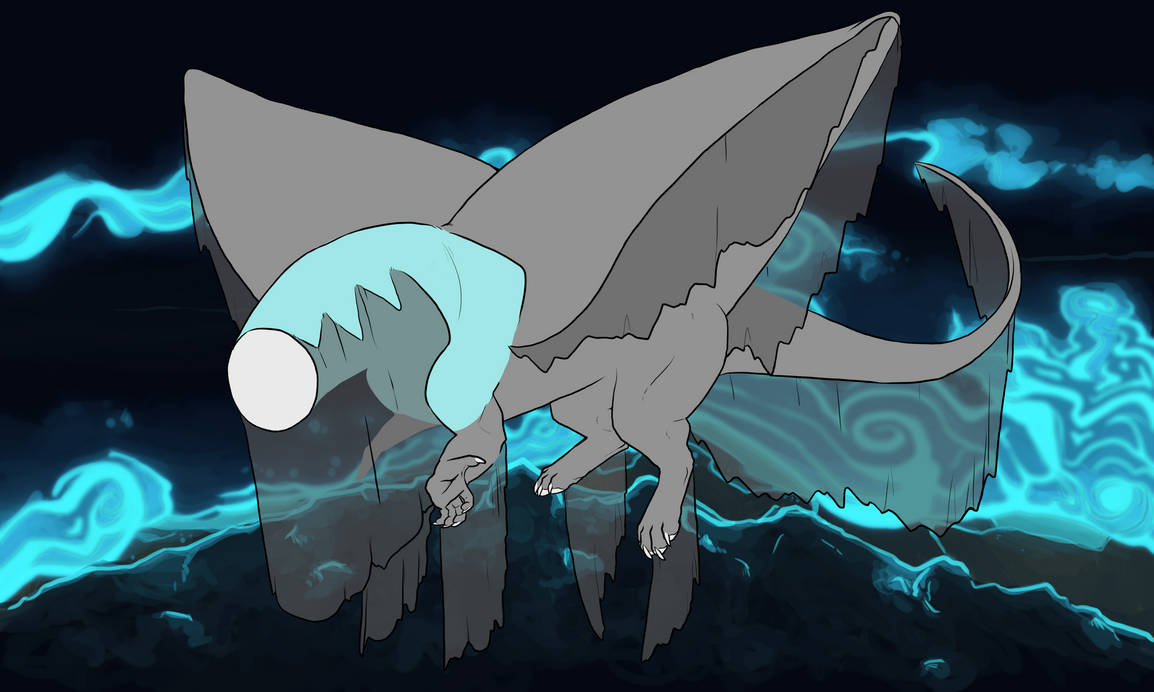
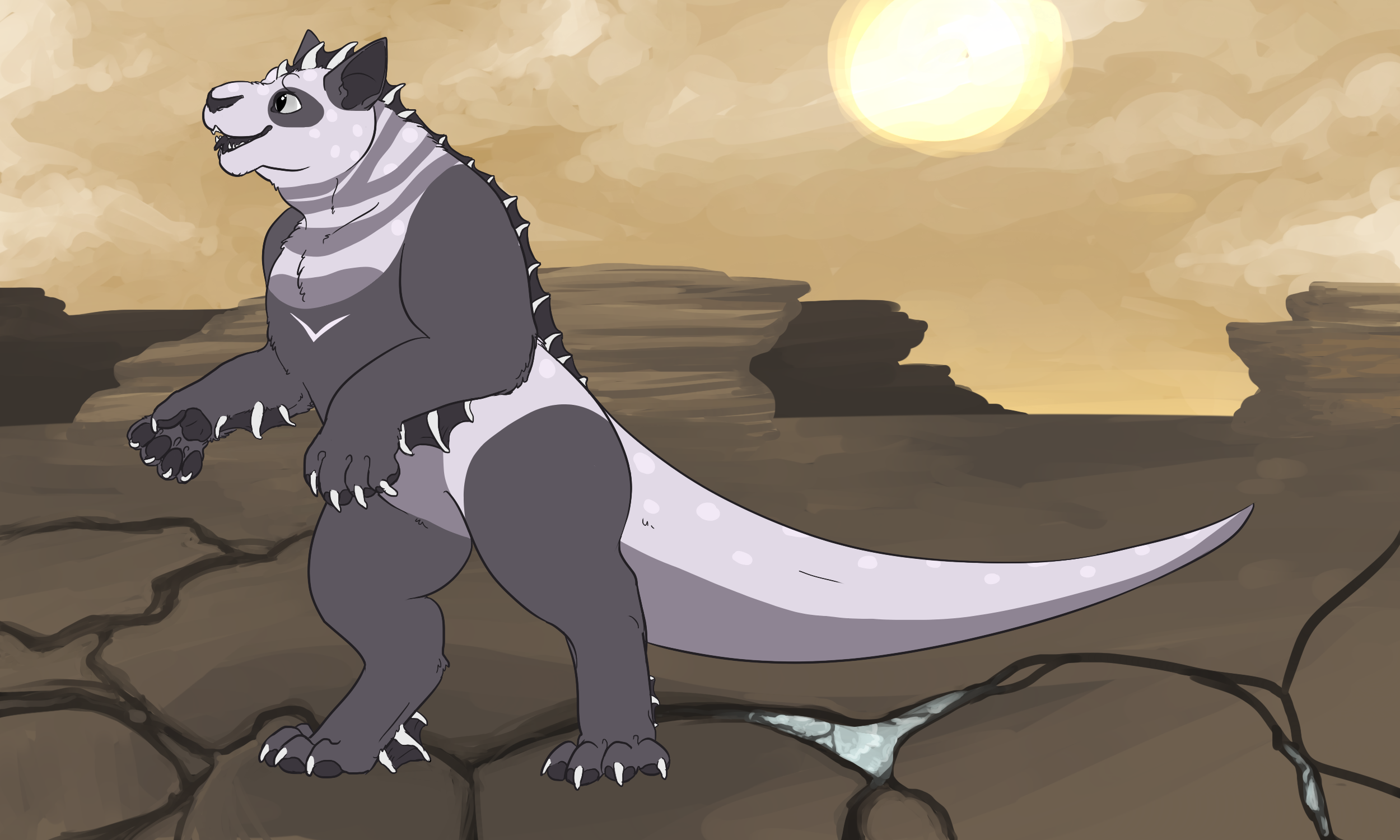
- Hood may be a lighter or darker shade of the base coat, including black and white.
- Hood does not have a restriction on edge hardness.
- Hood should, at minimum, create a visible ring around the neck.
- There can only be breaks in the marking if it's creating multiple rings around the neck. The shoulder and/or head region, if present, must consist of a single unbroken marking.
Examples:


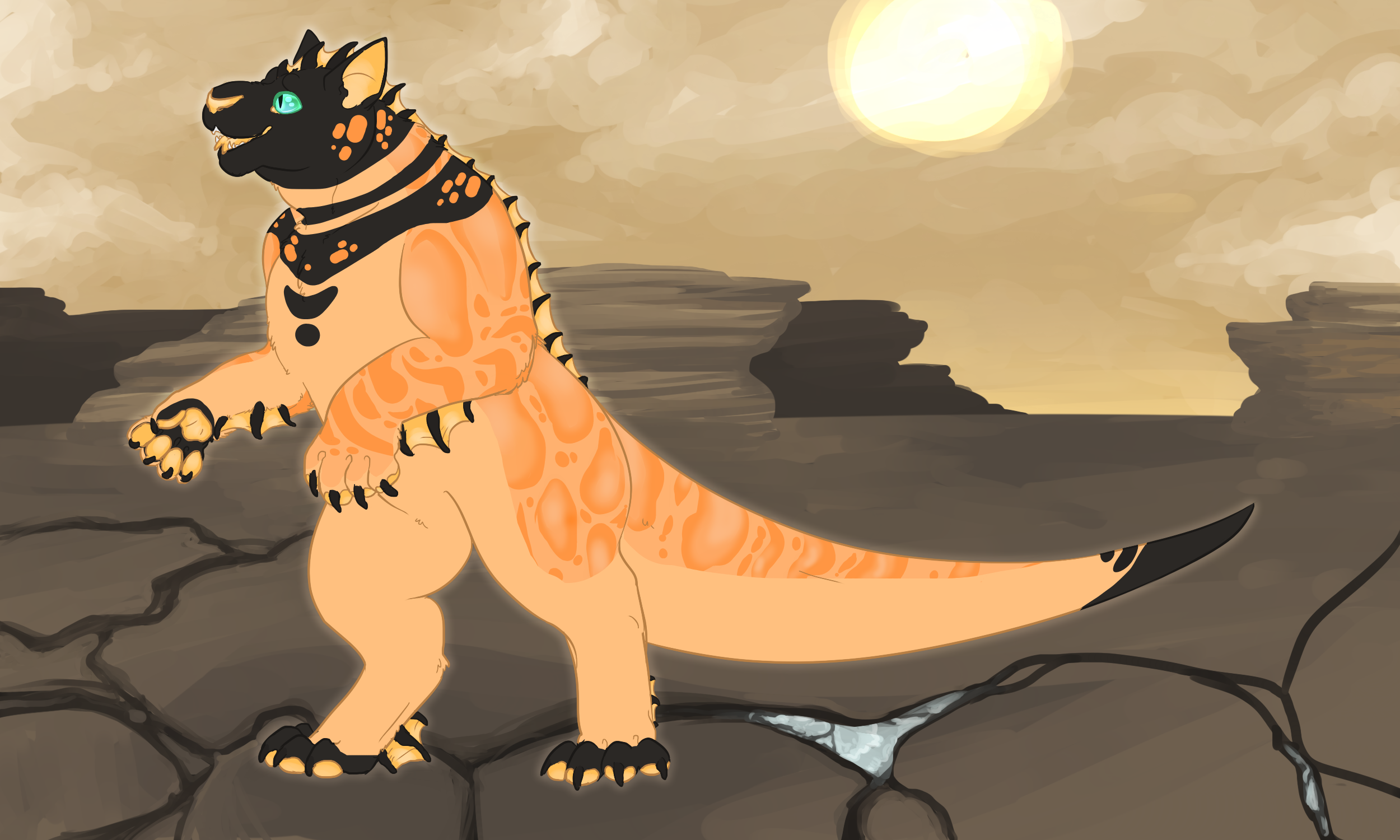
Inkblot (nIn/InIn) (Common)
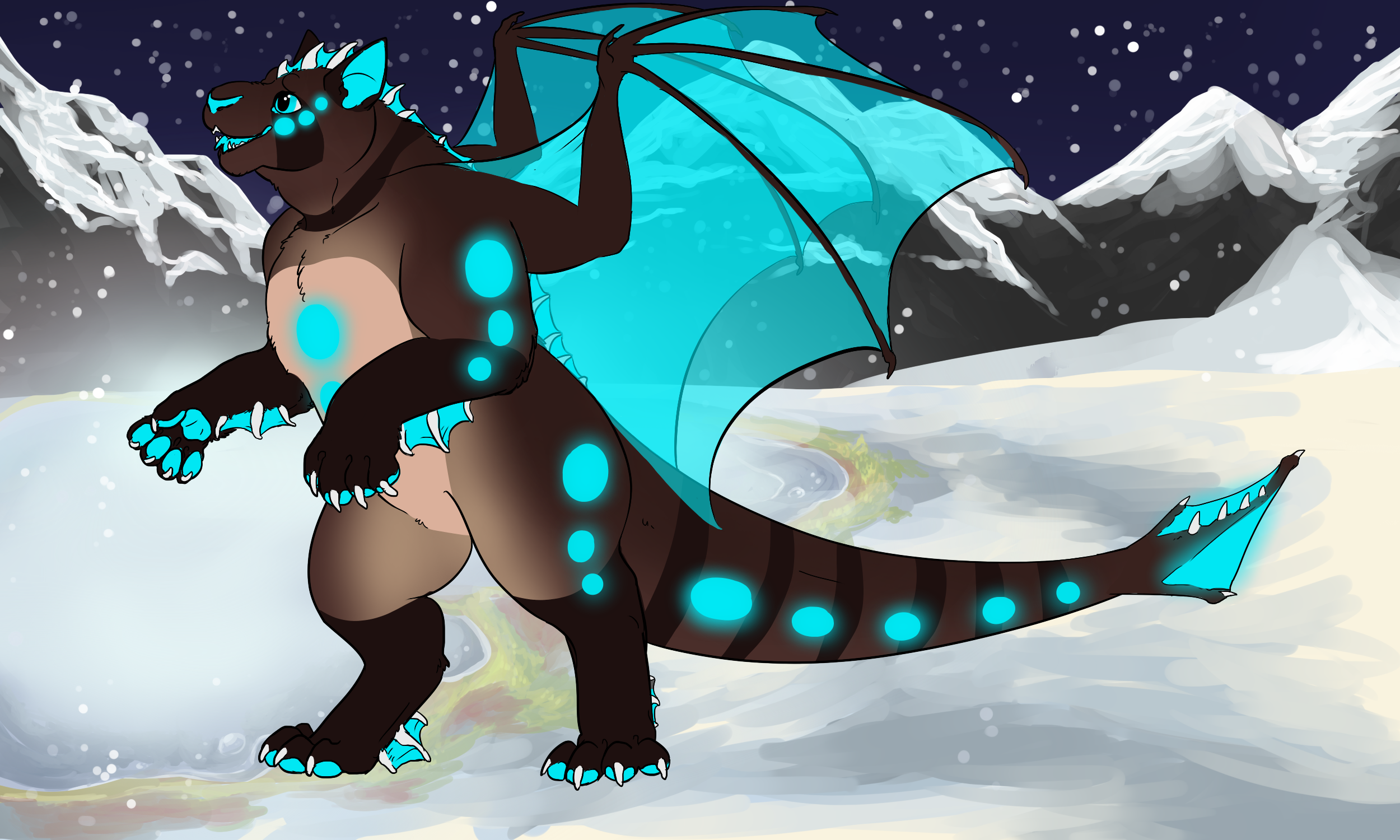
Causes spots darker than base coat, can be asymmetrical and of multiple sizes.
- Inkblot must be darker than the base coat.
- The spots should be of multiple sizes throughout, and may be irregular and asymmetrical.
- It is typically hard or soft-edged.
- It has no maximum and can cover the full body if desired. It has no minimum, but should be noticeable on the design.
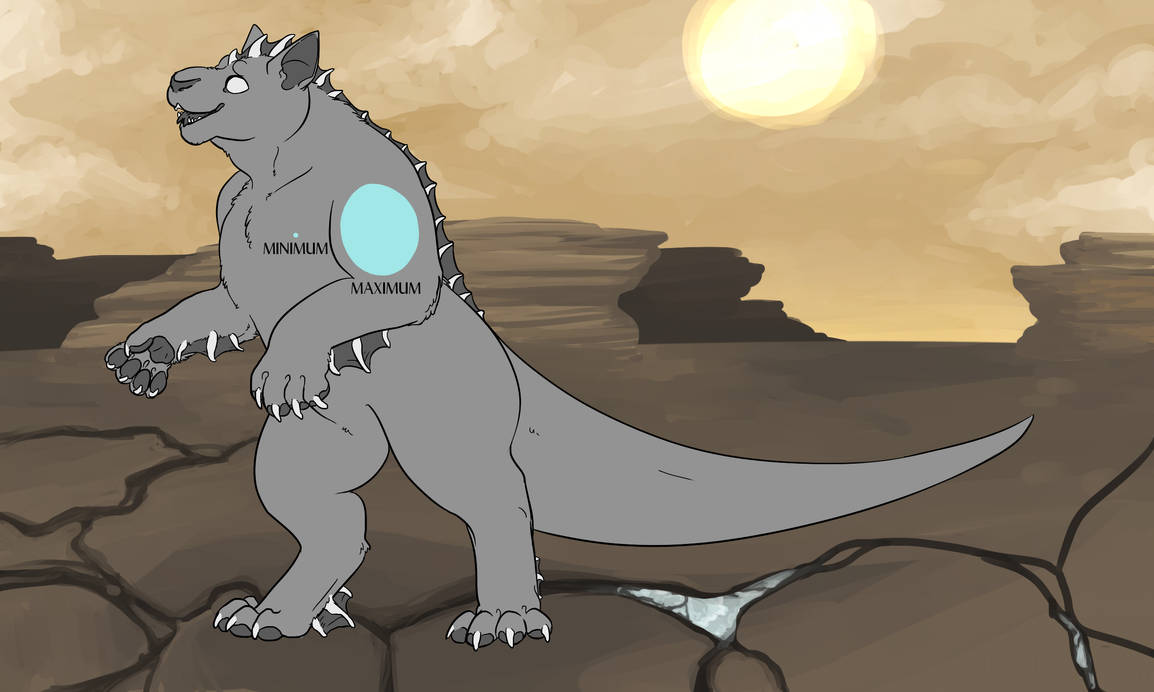
The above image displays the minimum and maximum size for Inkblot spots. Please note that Inkblot should not solely be made up of spots at the maximum or minimum, but these sizes may be scattered about as accents.
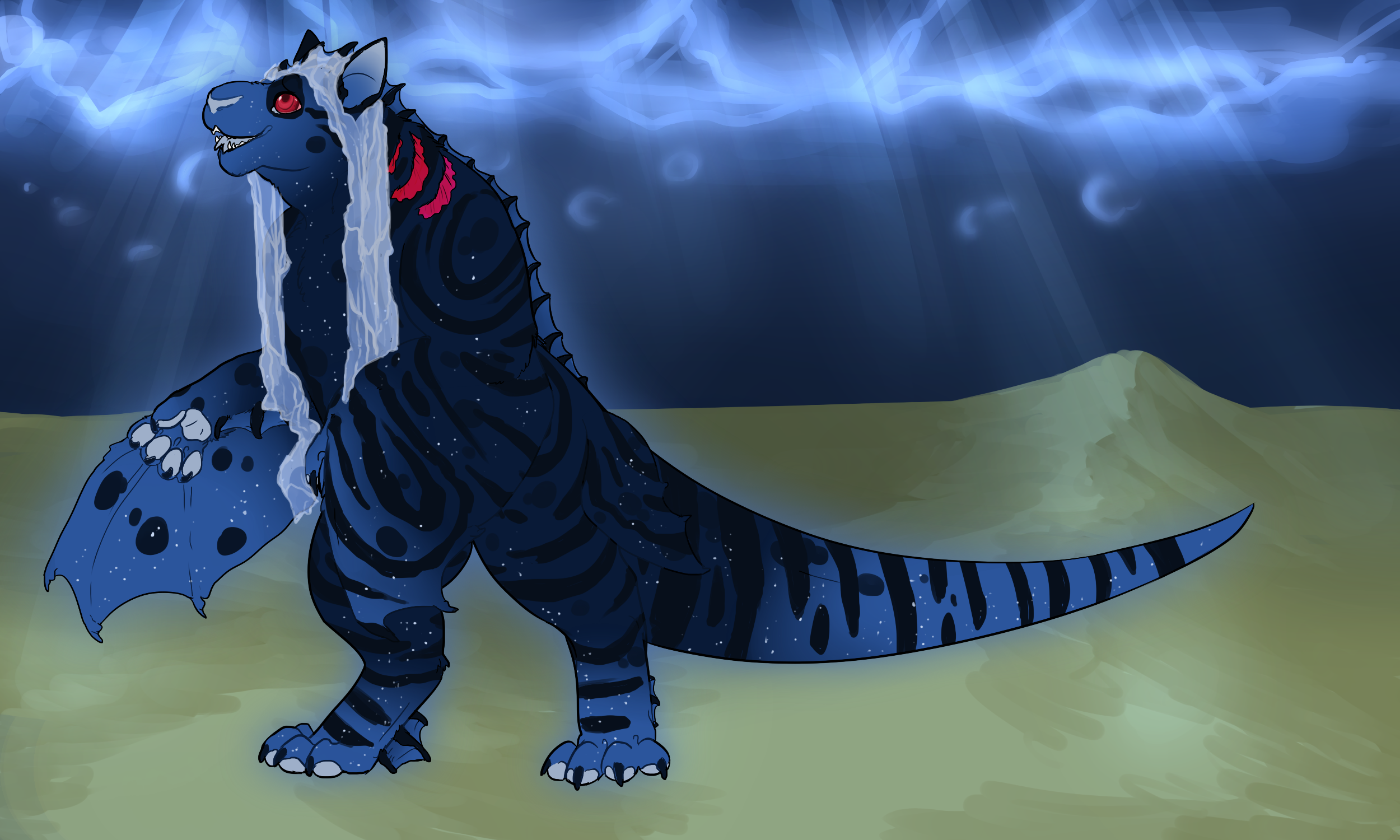
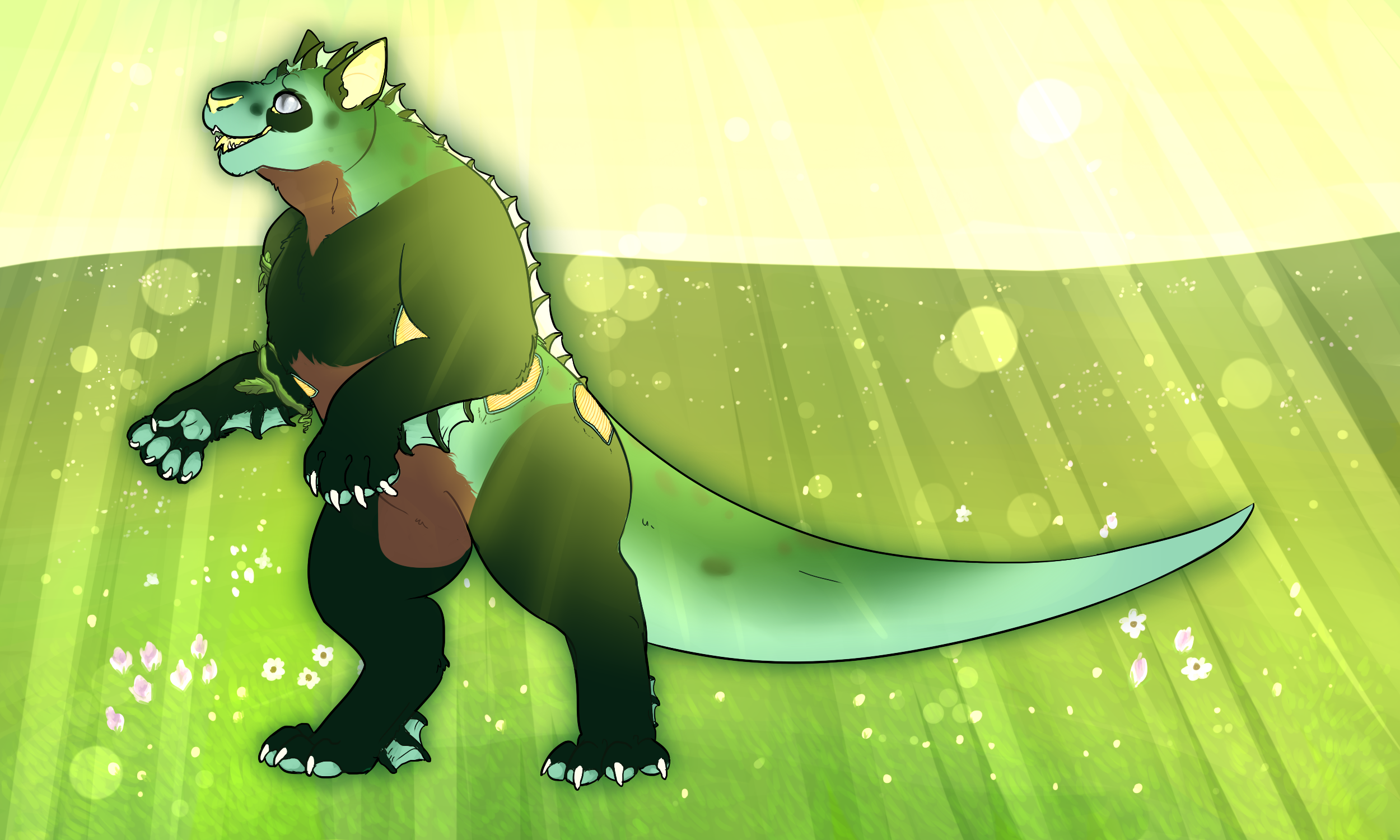
Examples:
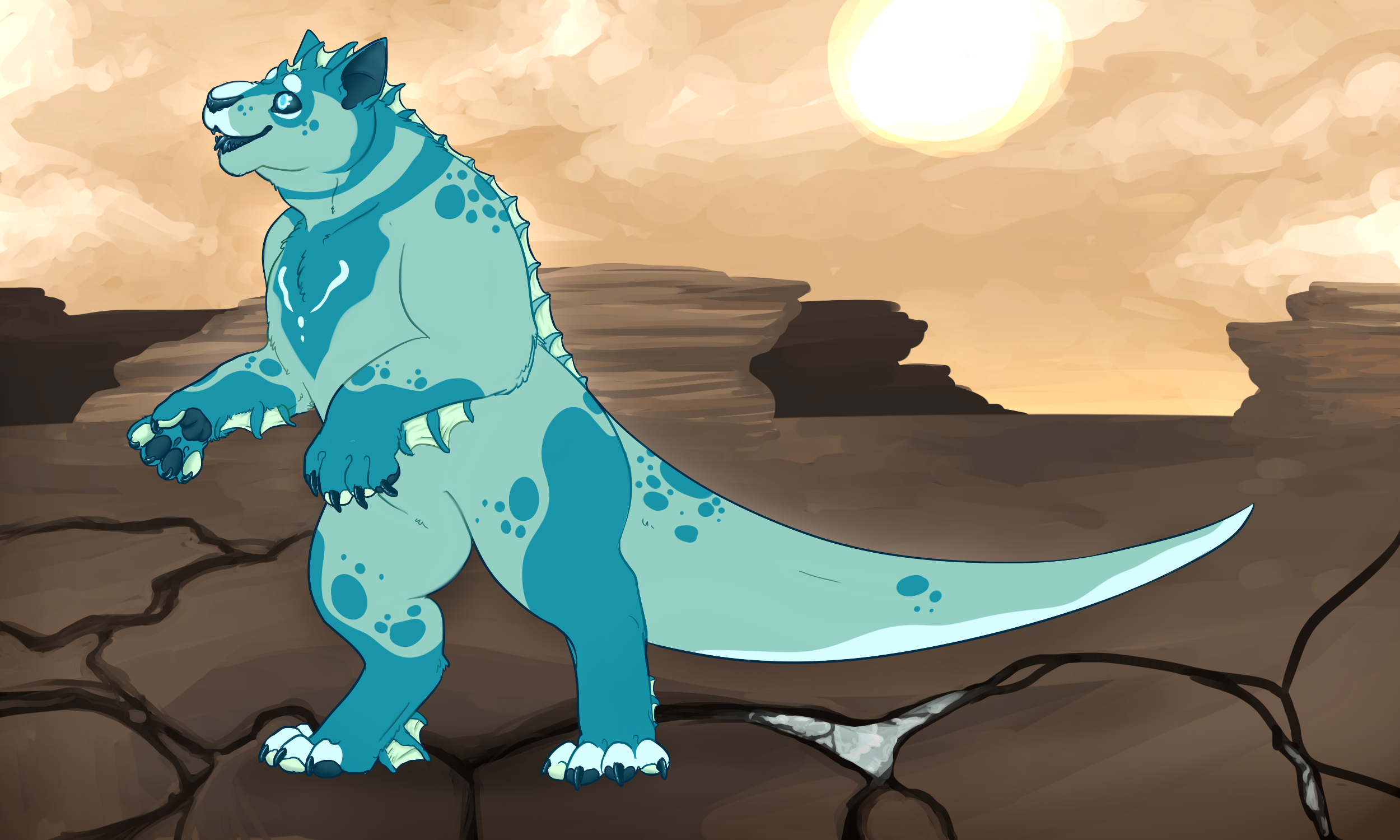
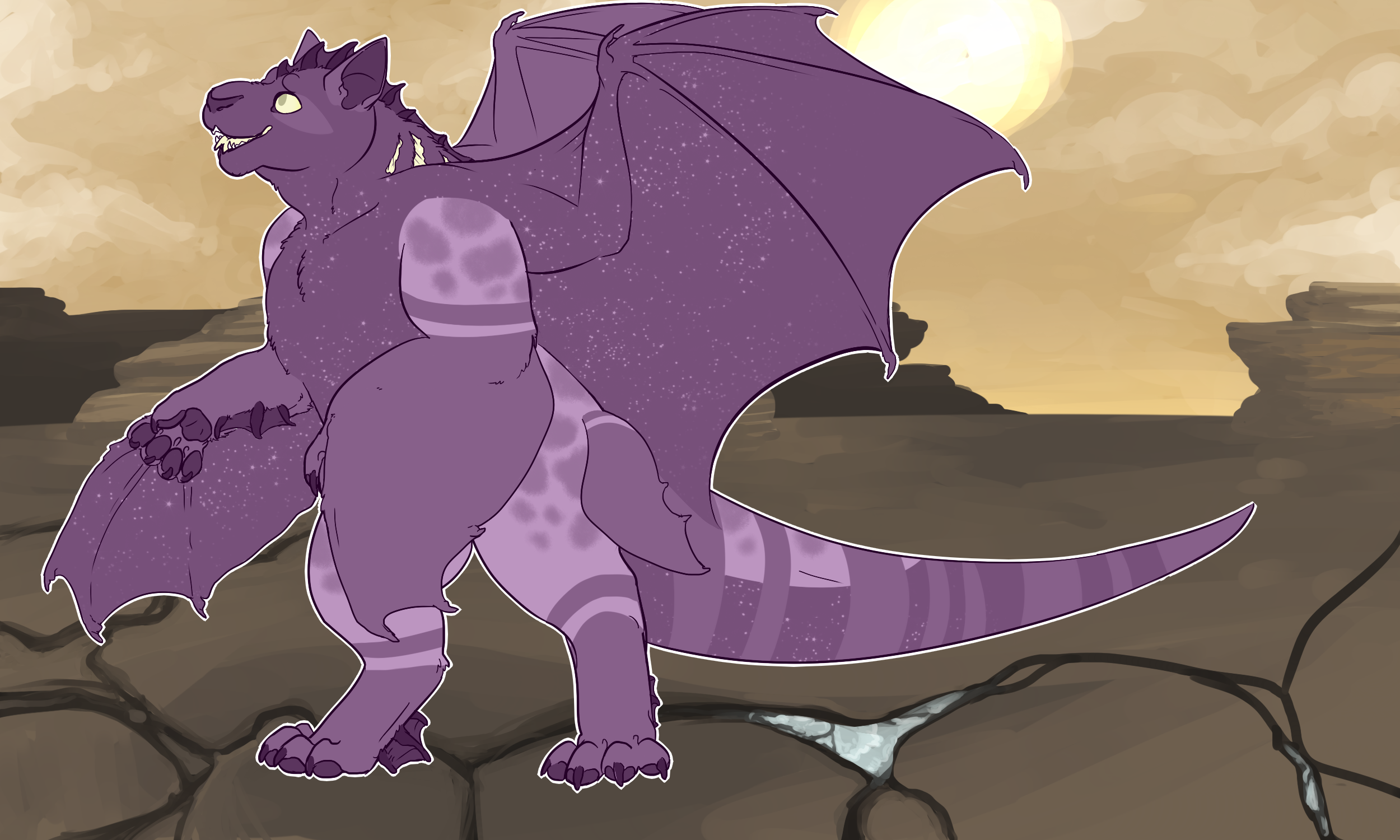
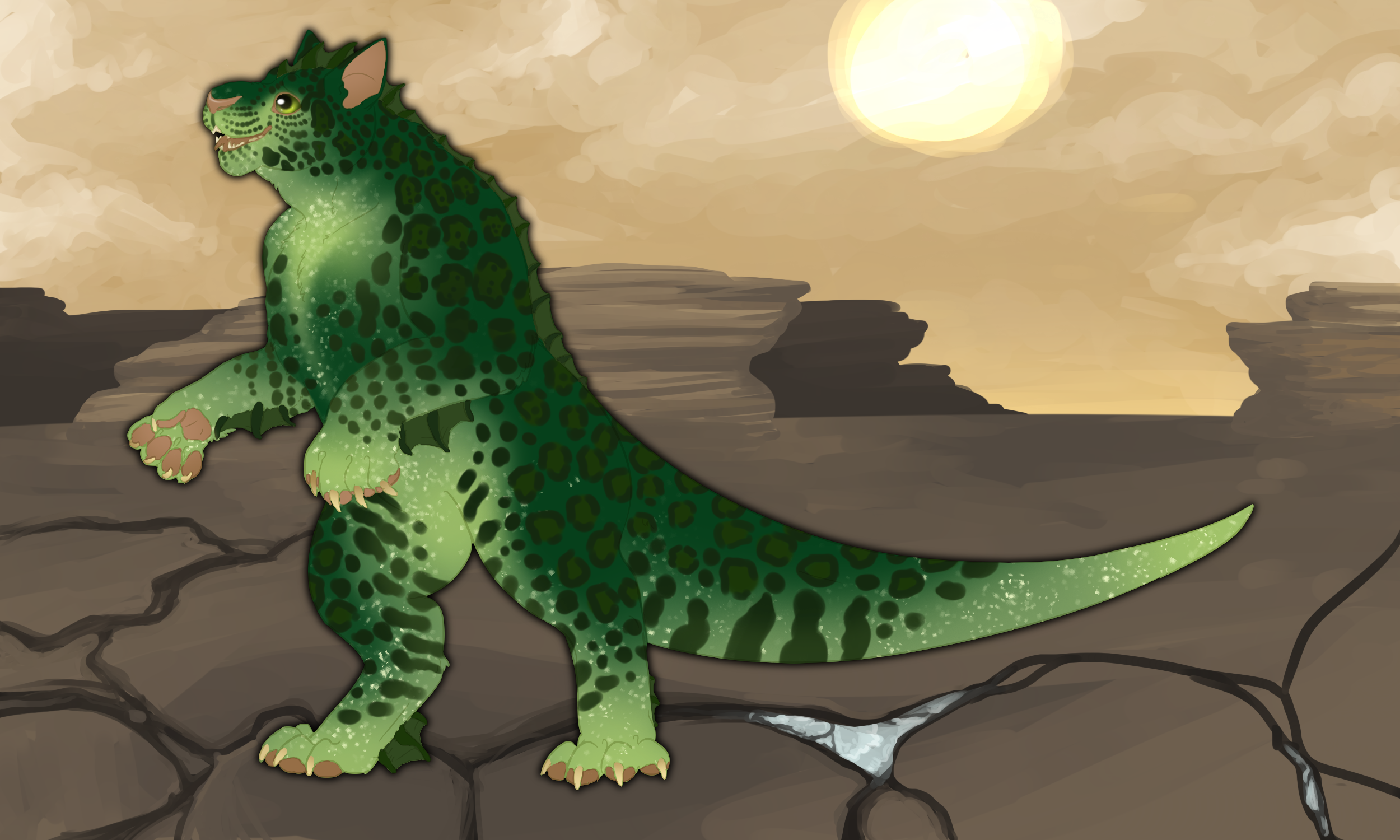
Merle (nMer/MerMer) (Common)
Large, desaturated patches on the Rixixi's body, often containing dappled patches of the original base coat within.
- Can be translucent to show the markings underneath! Markings dislaying on top of Merle can be desaturated or display normally.
- Edges can be textured, soft, or blended. If blended, the entire marking should not be blended out and should still have a section that registers as a solid patch.
- Must be more desaturated and/or lighter than the base coat.
- Can be fullbody or covering partial sections of the body. Should contain holes in the marking or spots of the base coat.
- Should appear, at minimum, on 30% of the design. Can appear in multiple patches.
Unlike in Earth dogs, there are no known health problems for Rixixi caused by homozygous Merle.
You can go against this if you like for your own personal characters' lore, this note is just here to let folks know that it won't result in negative effects and rad sicknesses when bred for.
Examples:
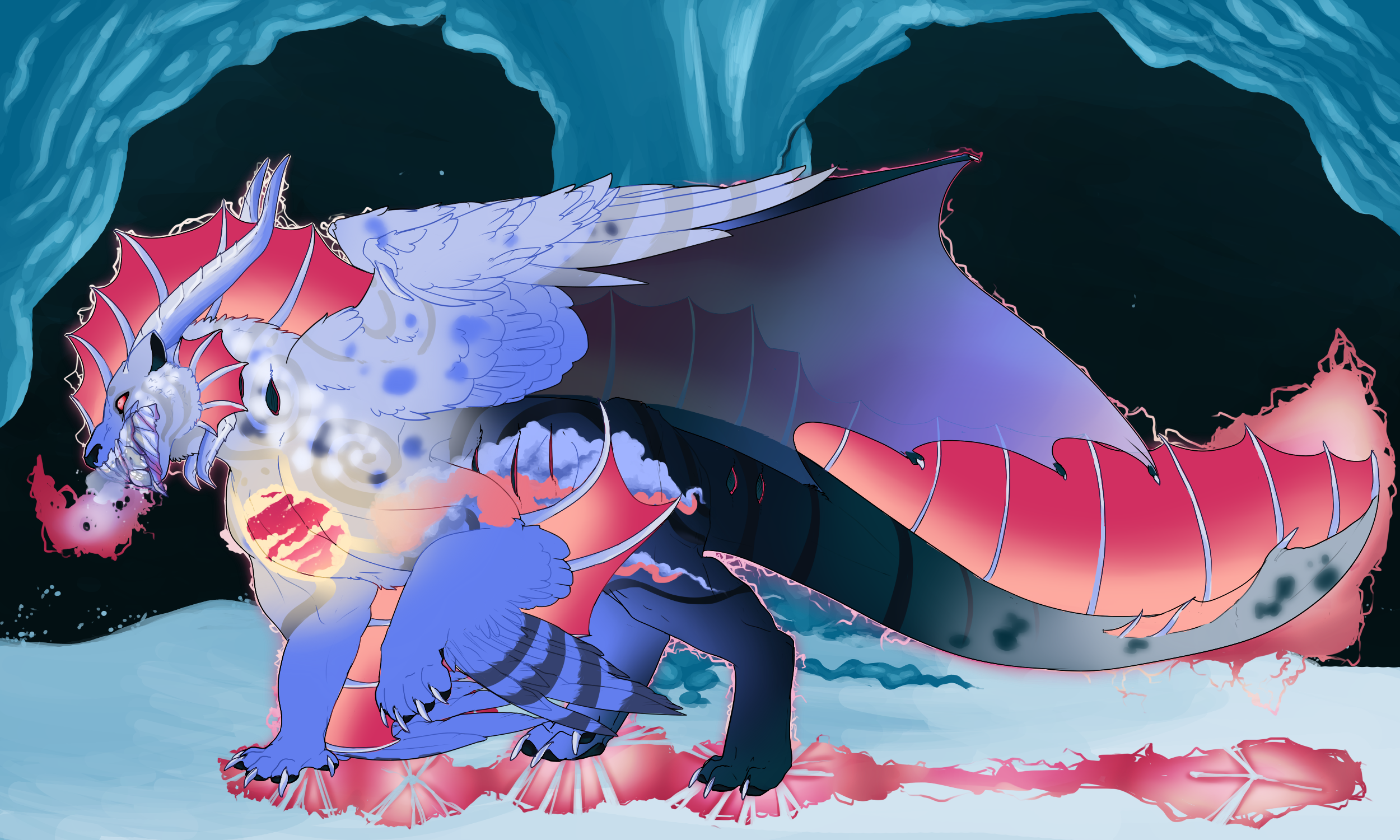
Okapi (nOkp/OkpOkp) (Common)
Range:
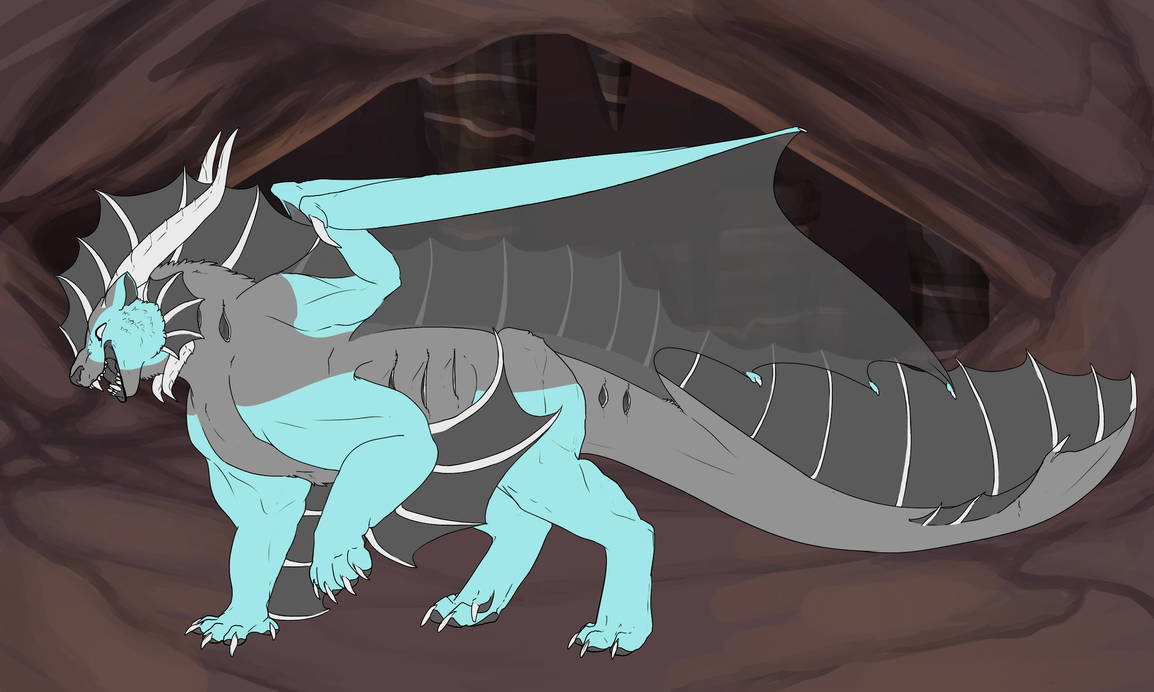
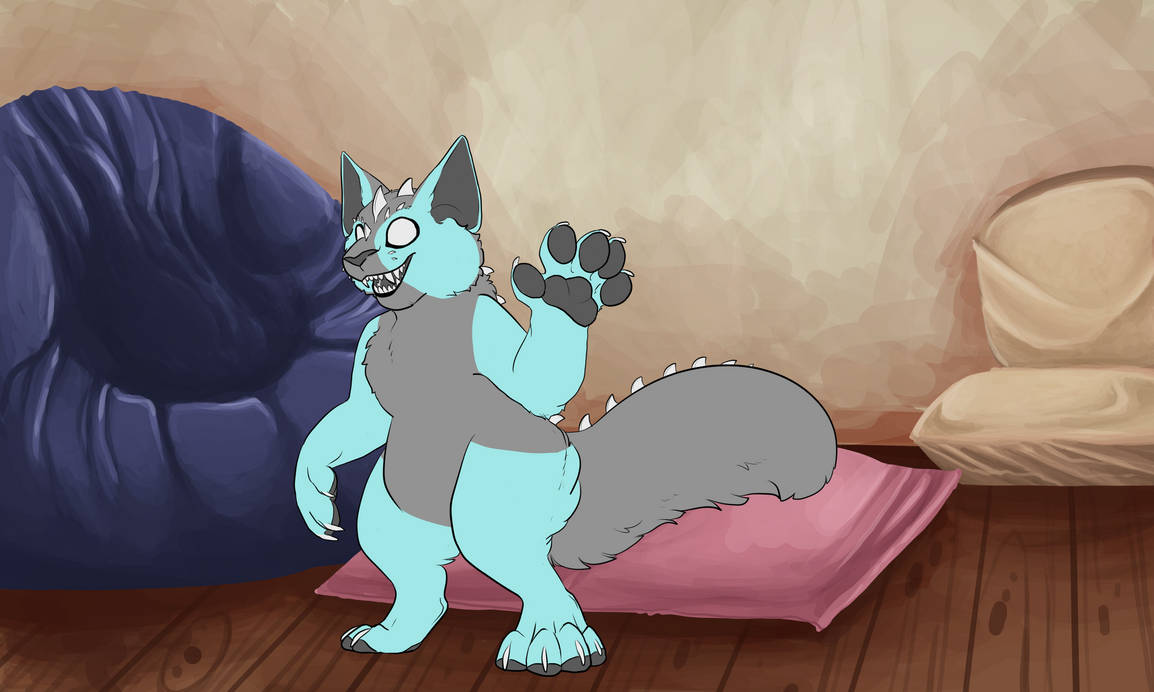

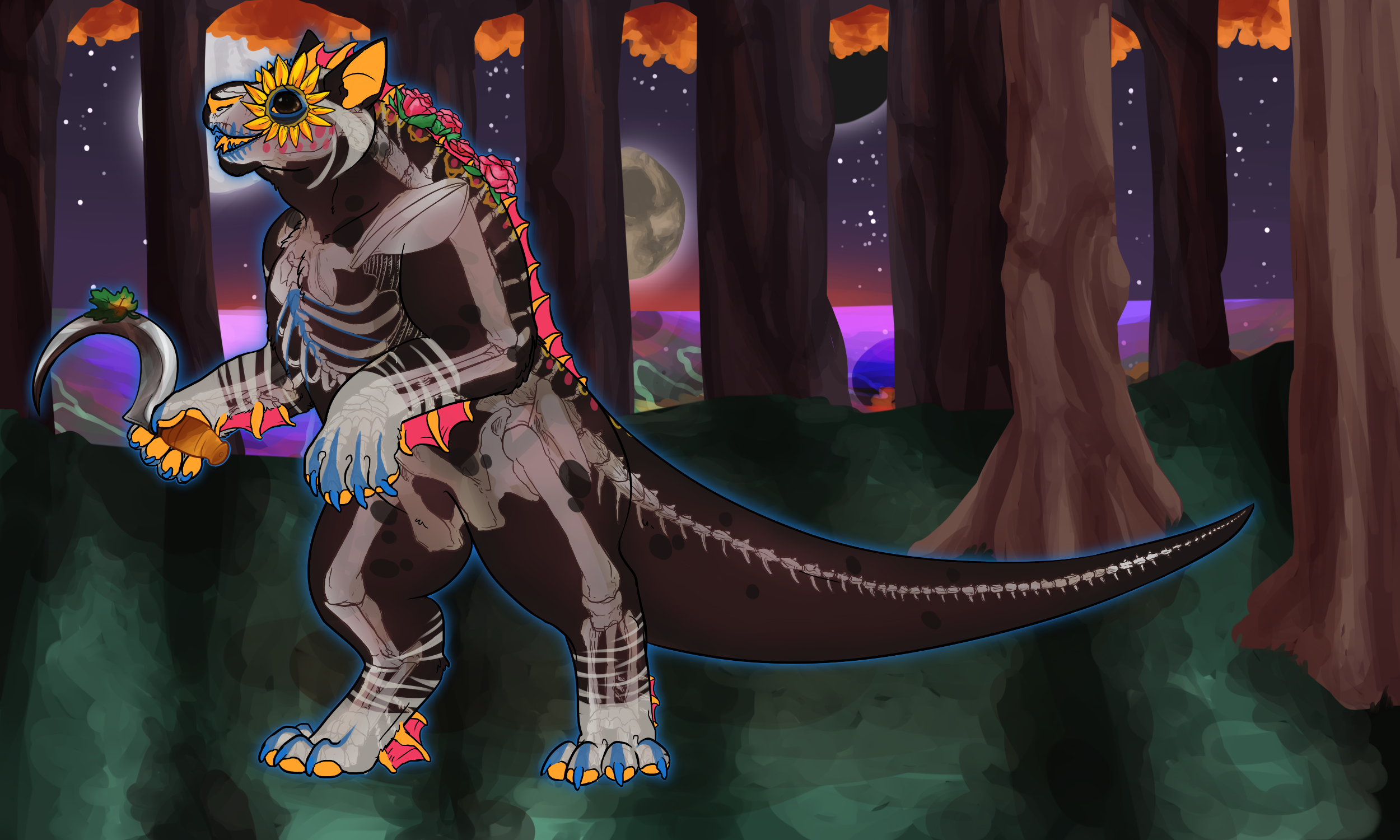
- Okapi should be hard-edged.
- It must be lighter than base, and can be white.
- Okapi must at least visibly appear on one pair of limbs. It does not have to appear on the face.
- All points should be striped, including the face. There can be solid patches, especially near the ankles and wrists. The face marking can be a solid patch with stripes cut into it.
Examples:
Pangare (nPng/PngPng) (Common)
Range:
- Edges should be fully blended out.
- Must be a lighter shade of the base color.
- Pangare has no minimum range, but should be visible unless covered by a color mutation.
Examples:
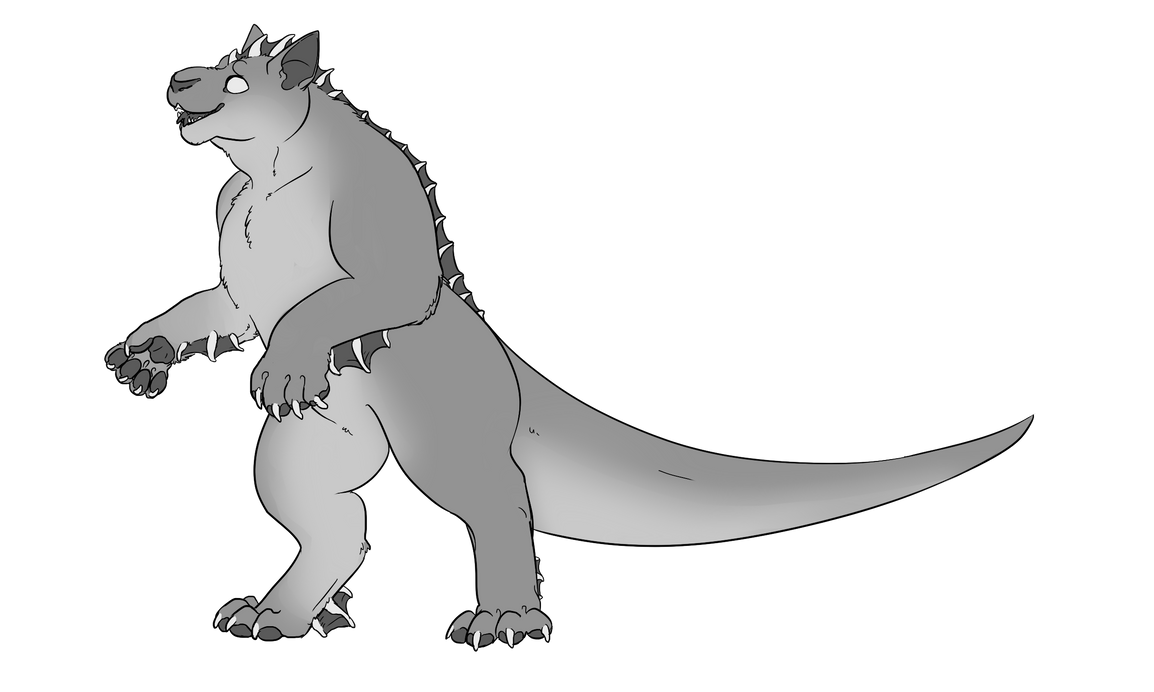
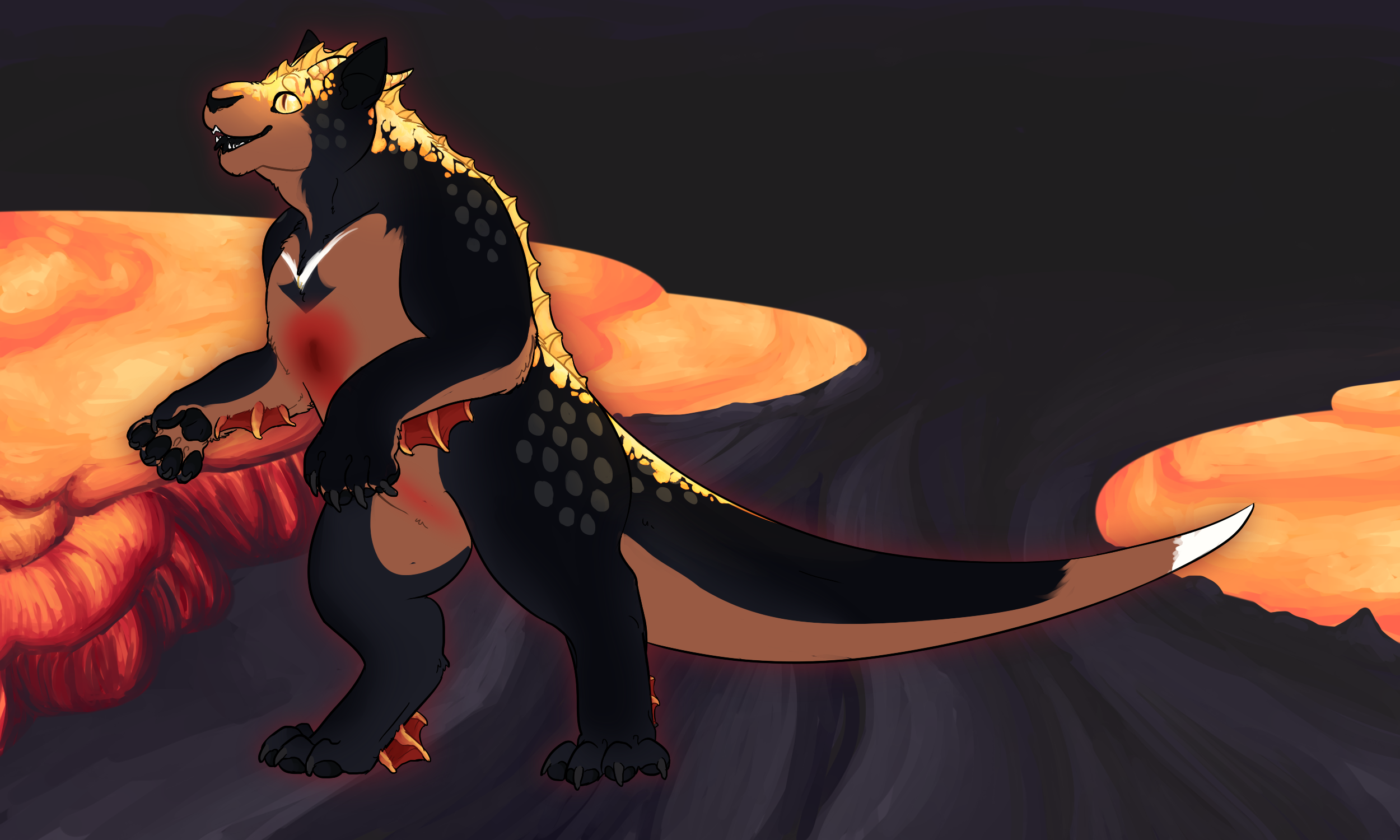
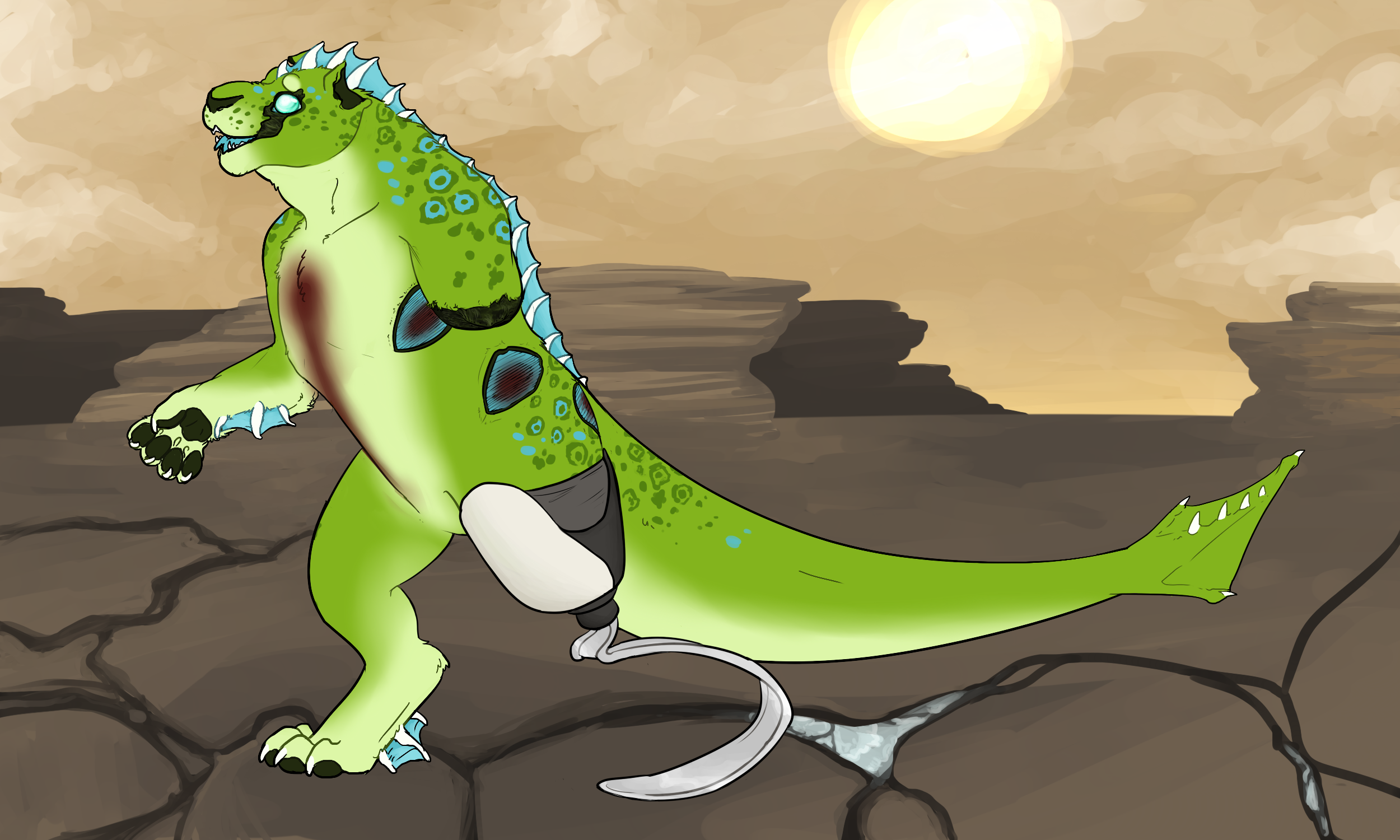
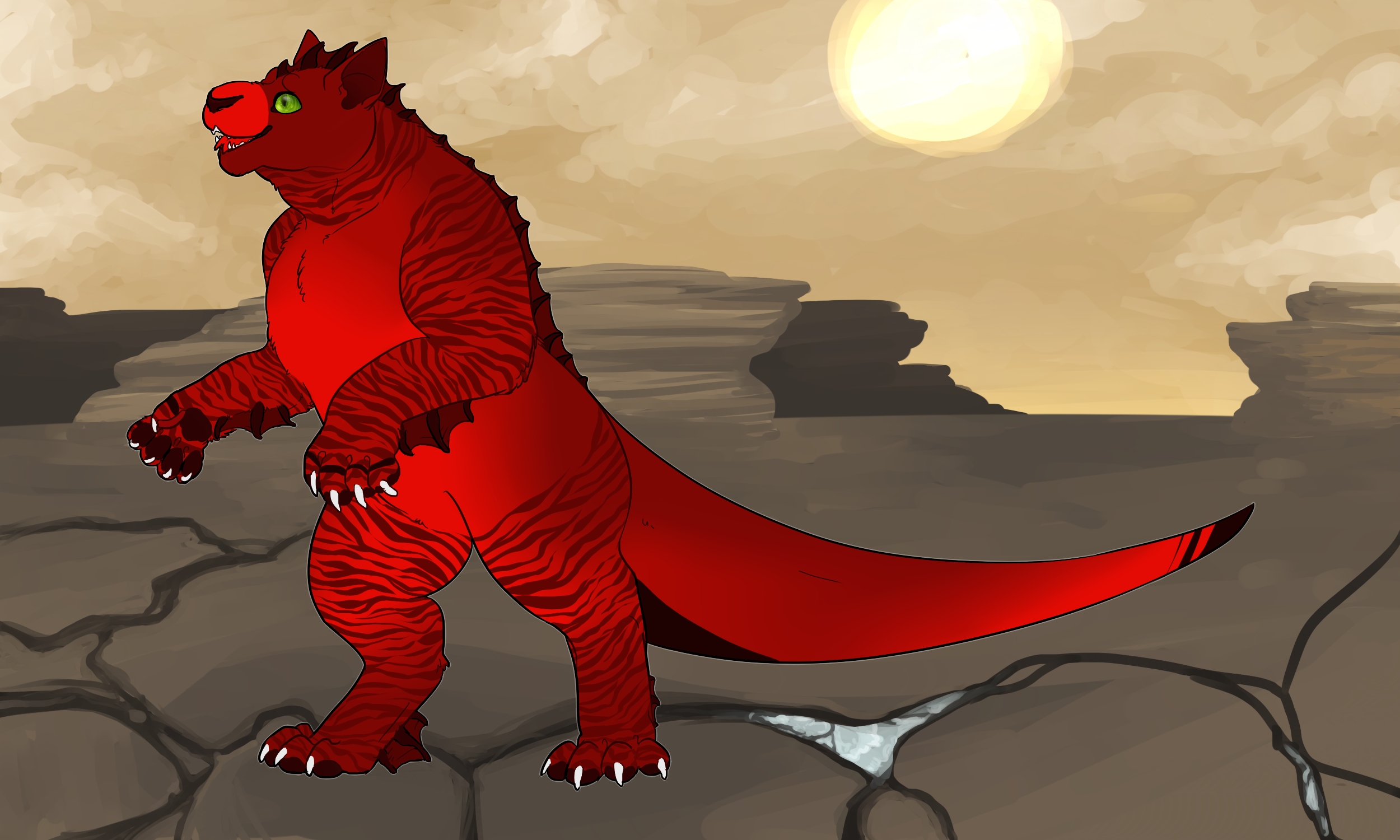
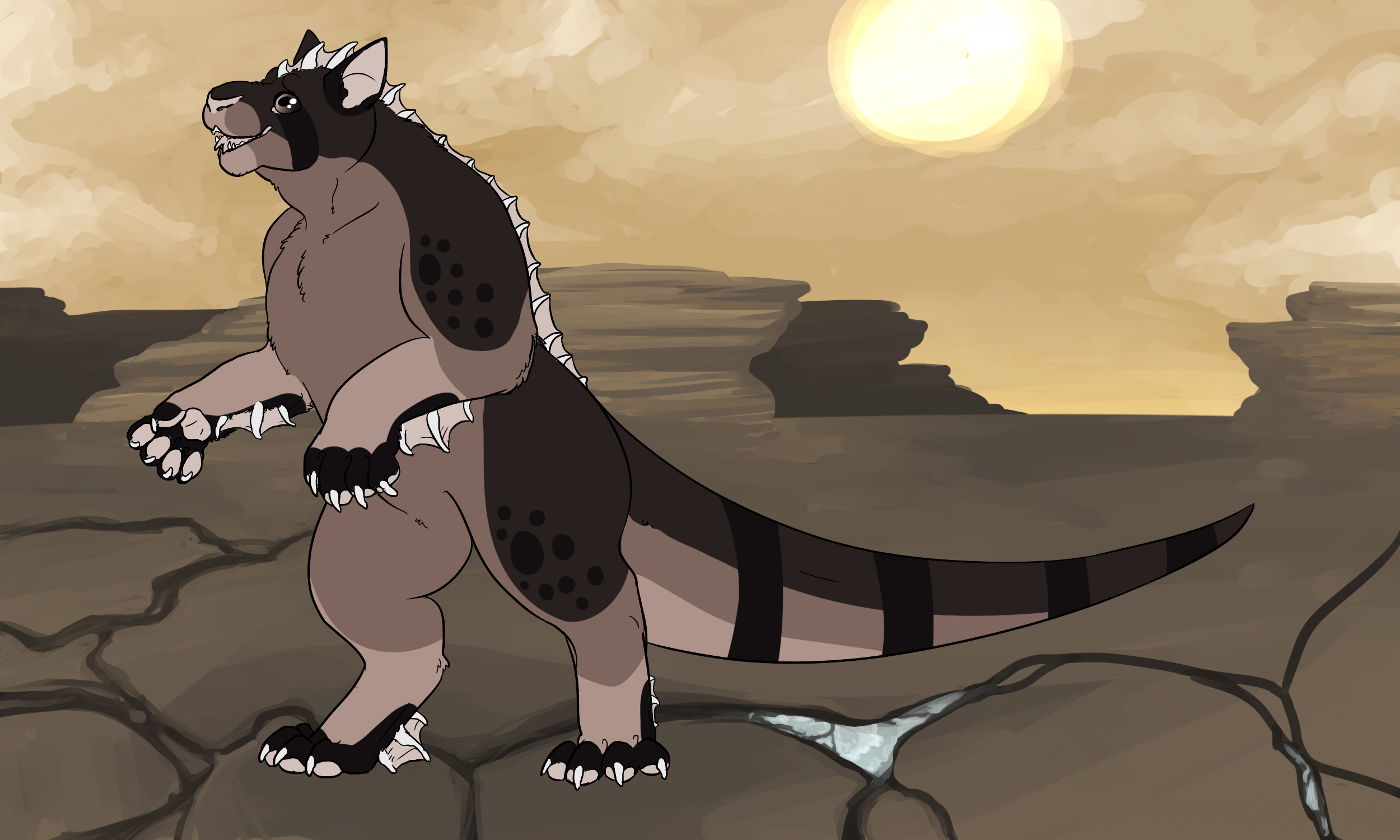
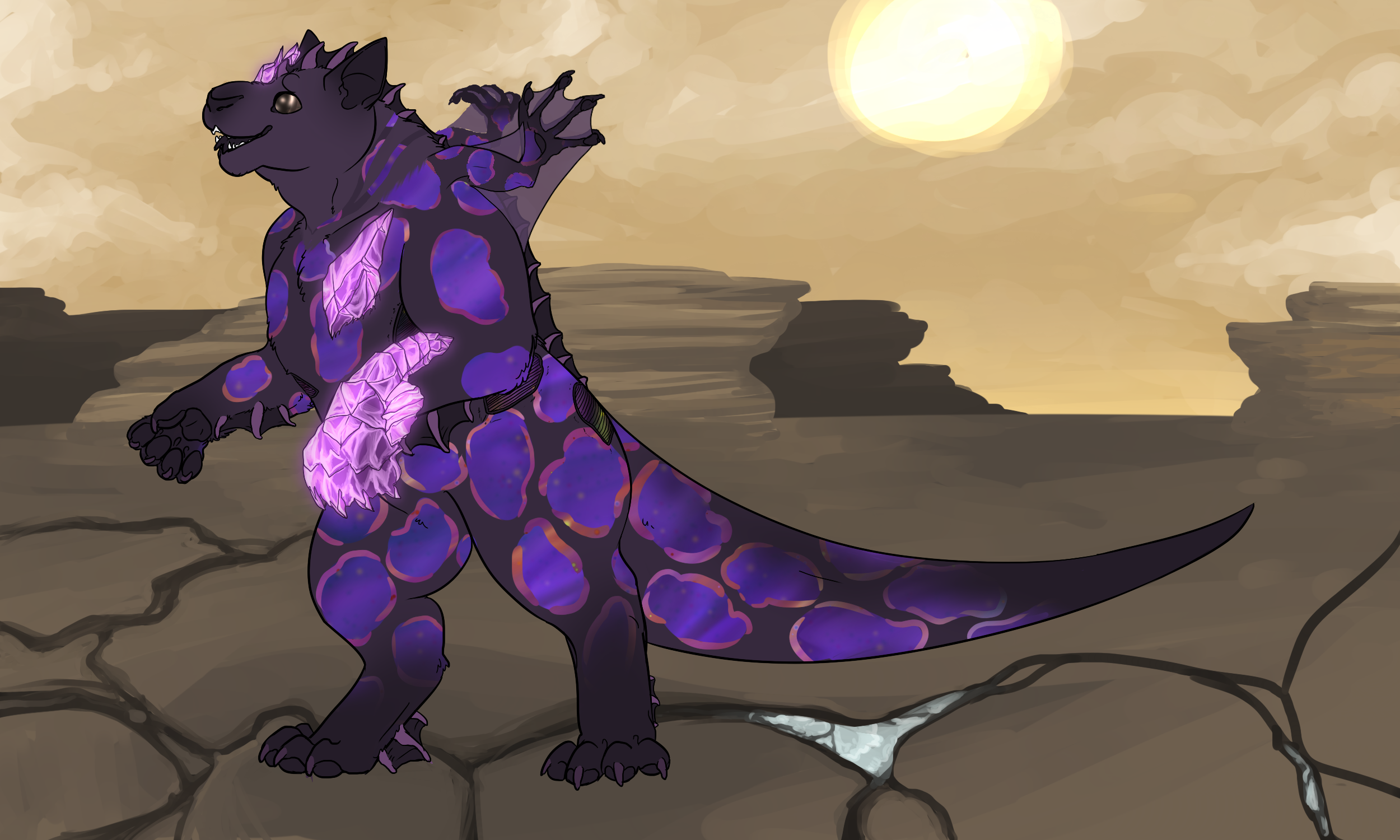
Points (nPt/PtPt) (Common)
Range:
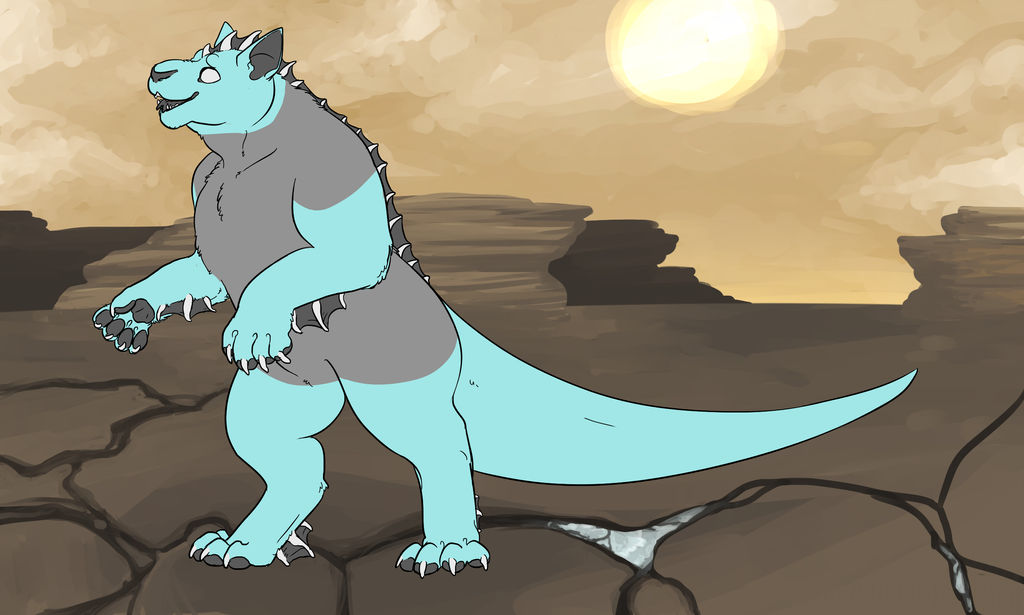

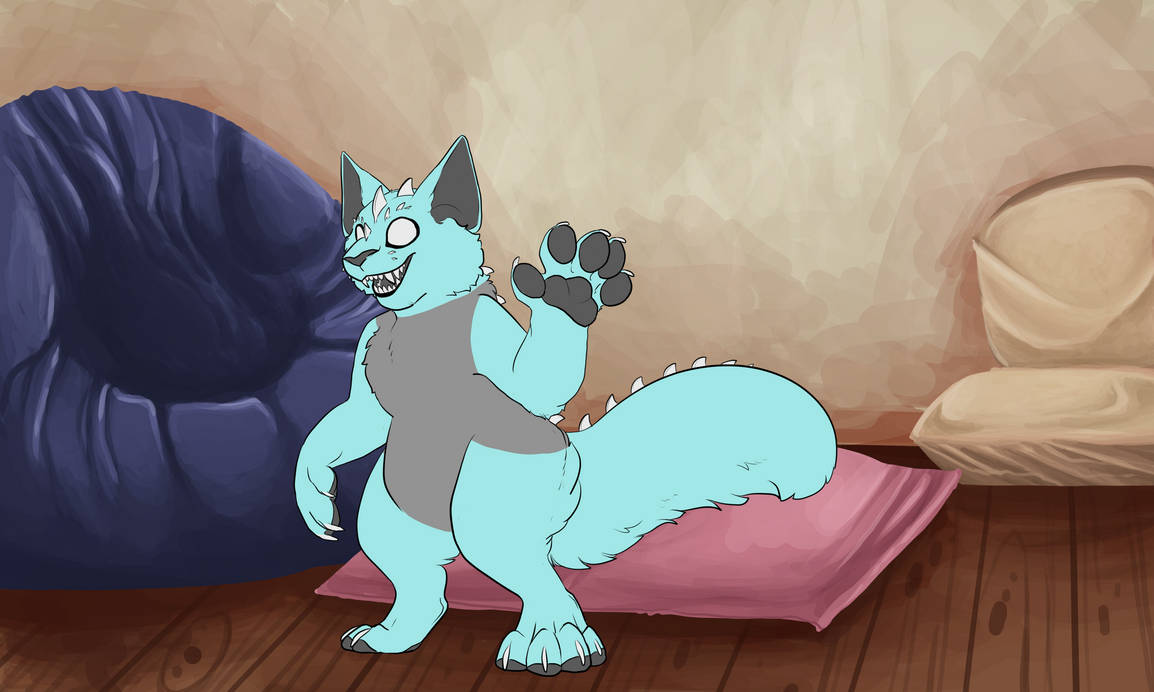
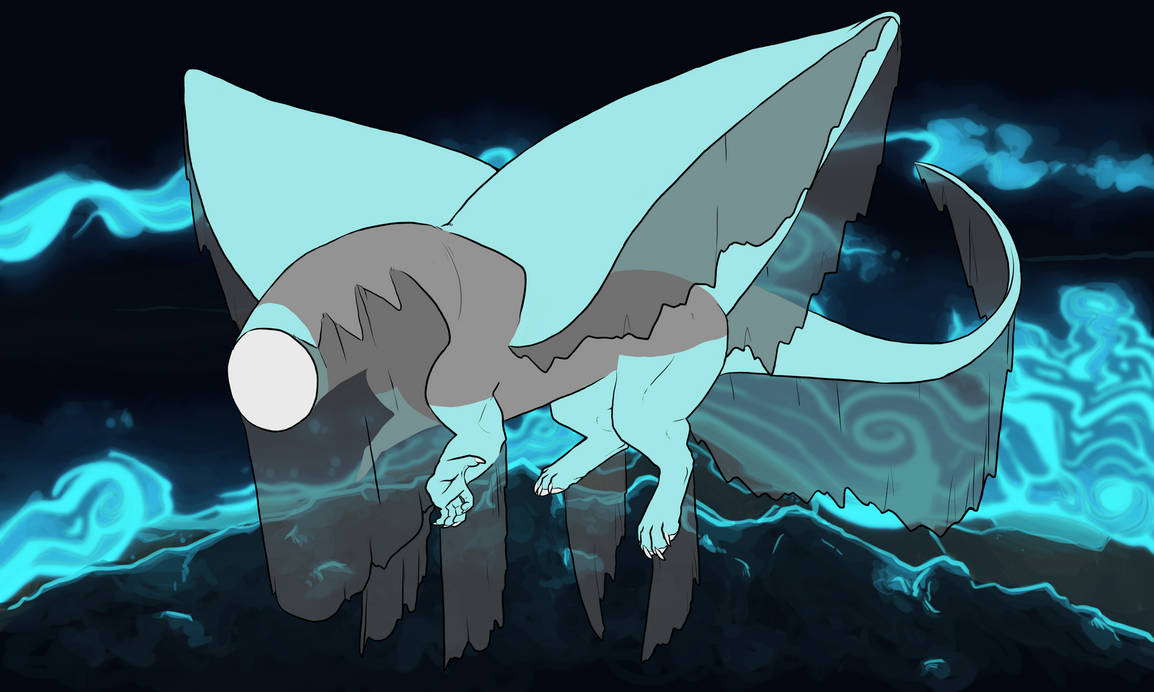
- Points must be darker or lighter than the base coat.
- It has no restriction on edge hardness.
- Points should cover two specific points at minimum - the points include the head, the tail, the front legs, and the back legs.
- The points should touch the very end of whatever zone they're in. They should at least reach up to the ankles if covering the legs.
Examples:
Sable (nSb/SbSb) (Common)
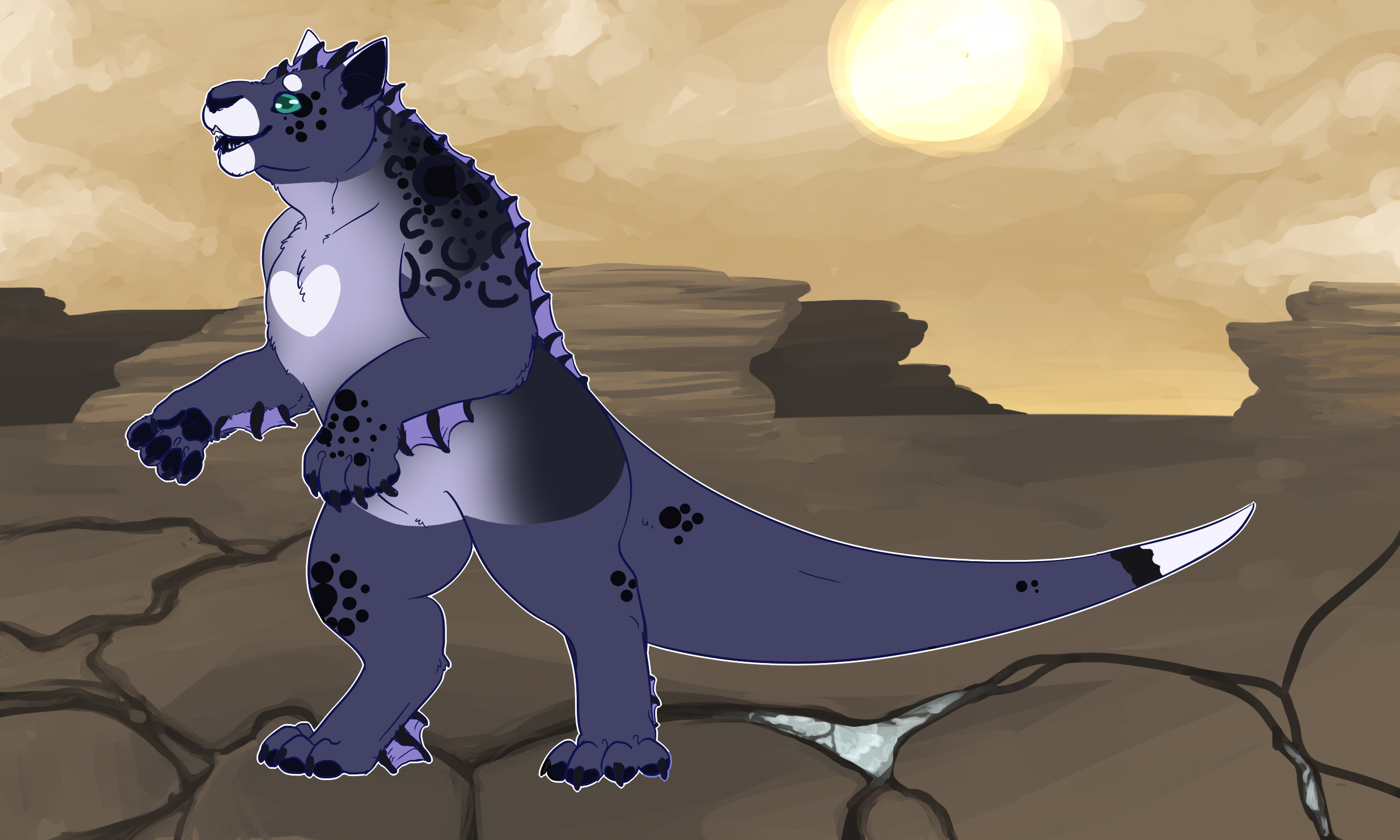
Range:
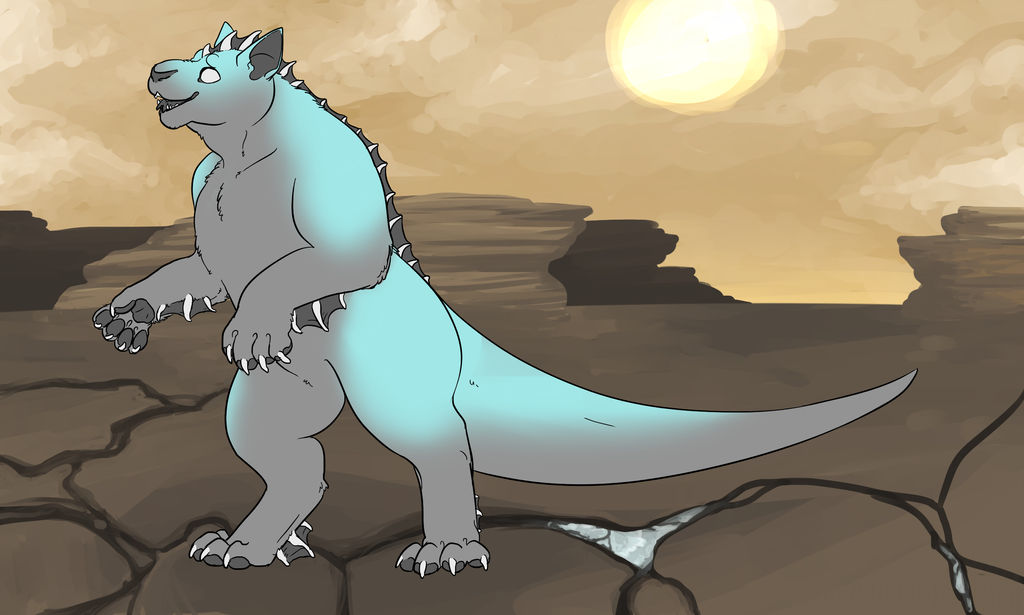
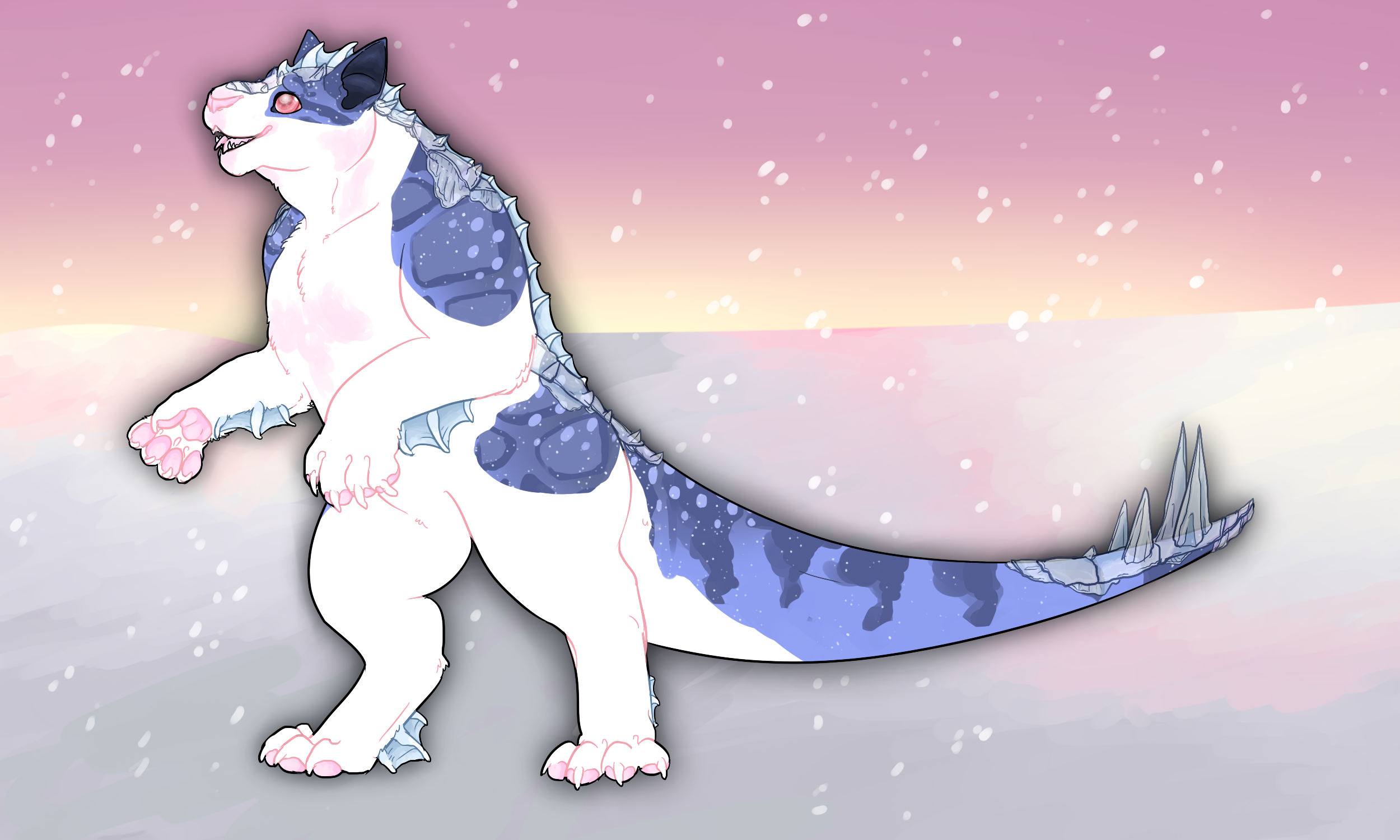
- Must be darker than the base coat.
- Edges should be fully blended out.
- At minimum, Sable should be visible on the back.
Examples:
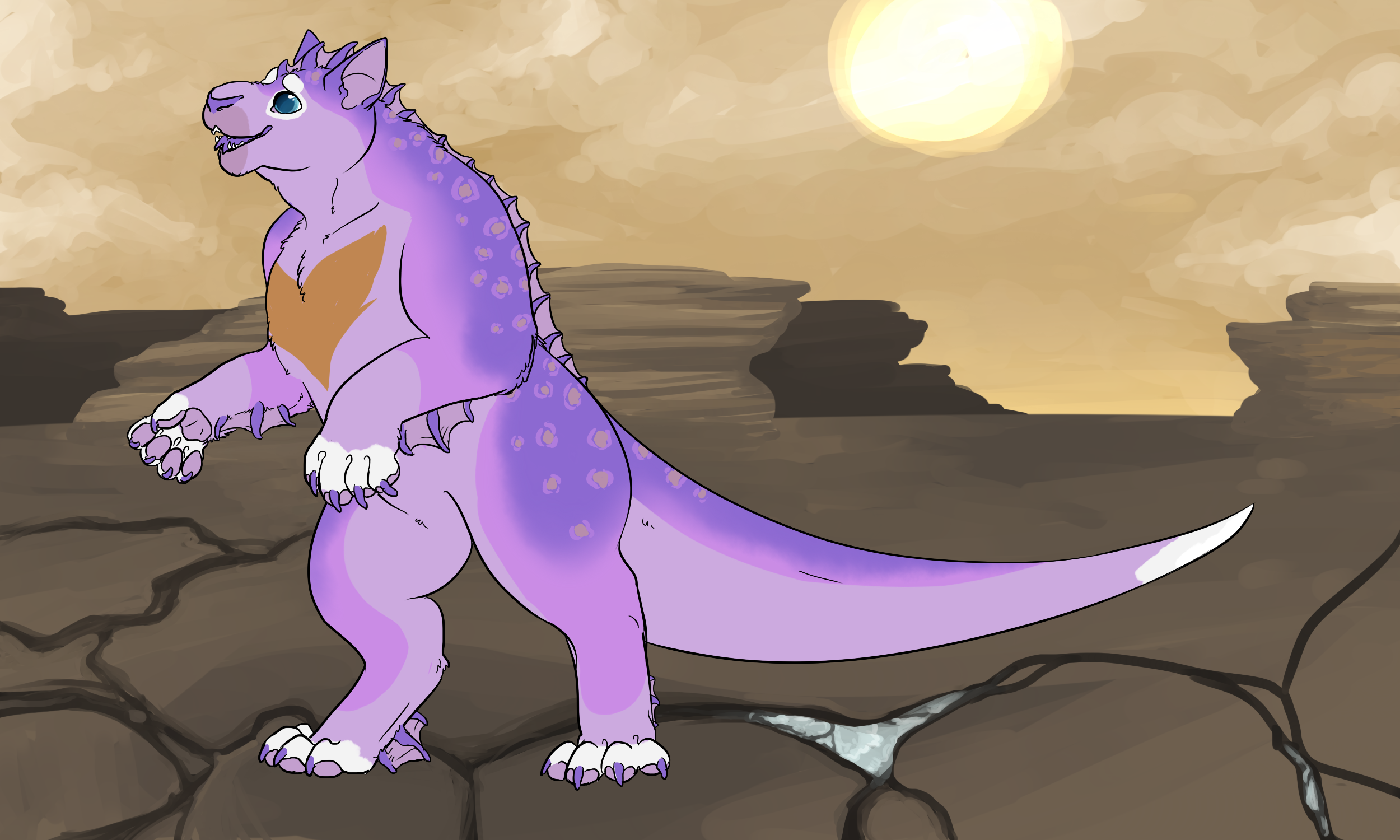

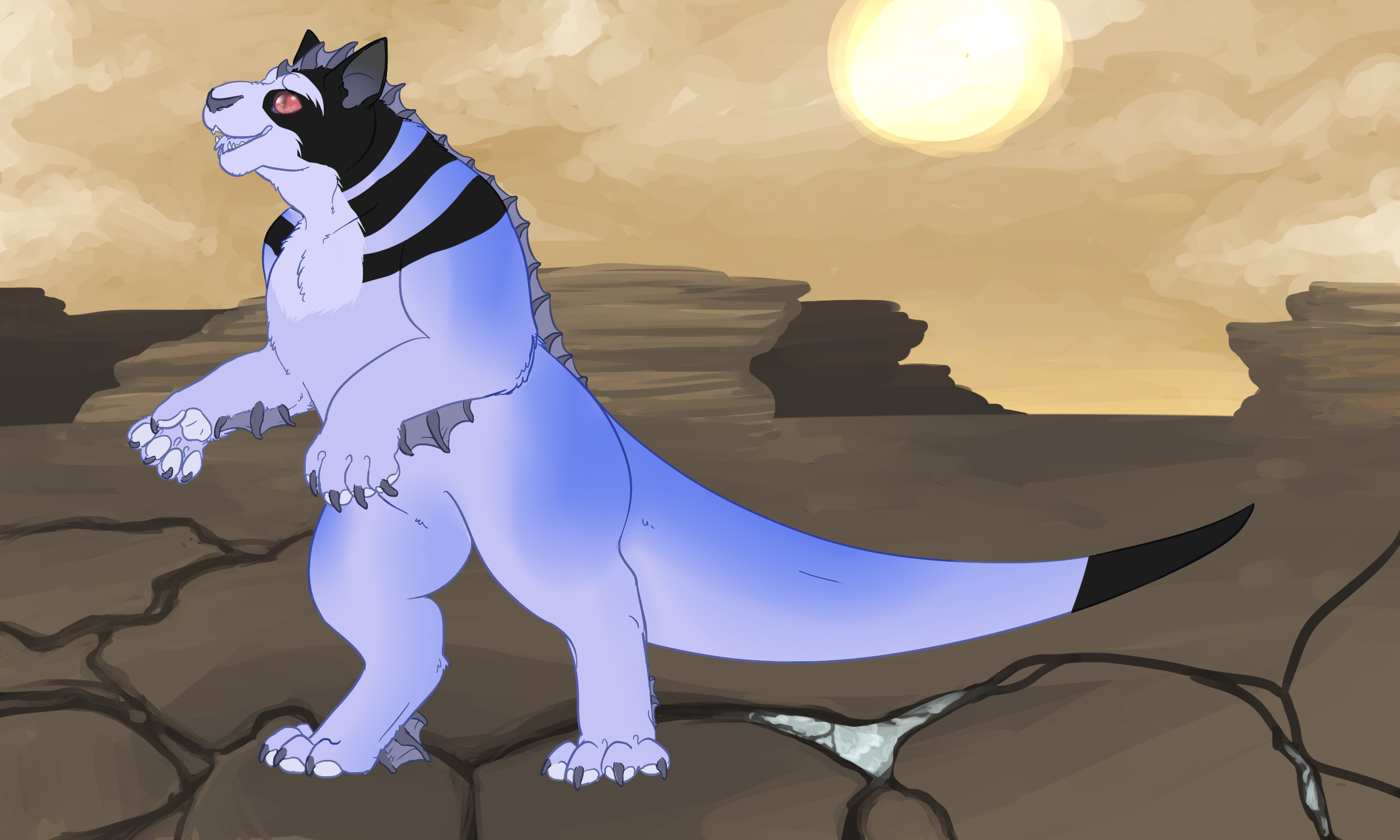
Scaled (nScl/SclScl) (Common)
Creates scale-shaped markings of any color anywhere on the body. Can be two-toned.
- Scaled can be any color, including bright ones, and may be two-toned.
- It should be shaped like a pattern of scales, and can vary in size and shape - a single scale can be large or wide, but if so, should be visibly representing something like scutes or ventral scales. Scales can also be very small, so long as they are still visible.
- It should be hard or textured-edged.
- It has no maximum or minimum, but if covering the entire body, it should be below other markings, translucent, have enough space between the scales to show the other markings clearly, or otherwise not fully obscure other markings on the Ixi.
- Scaled is allowed to have a shine to it.
Examples:
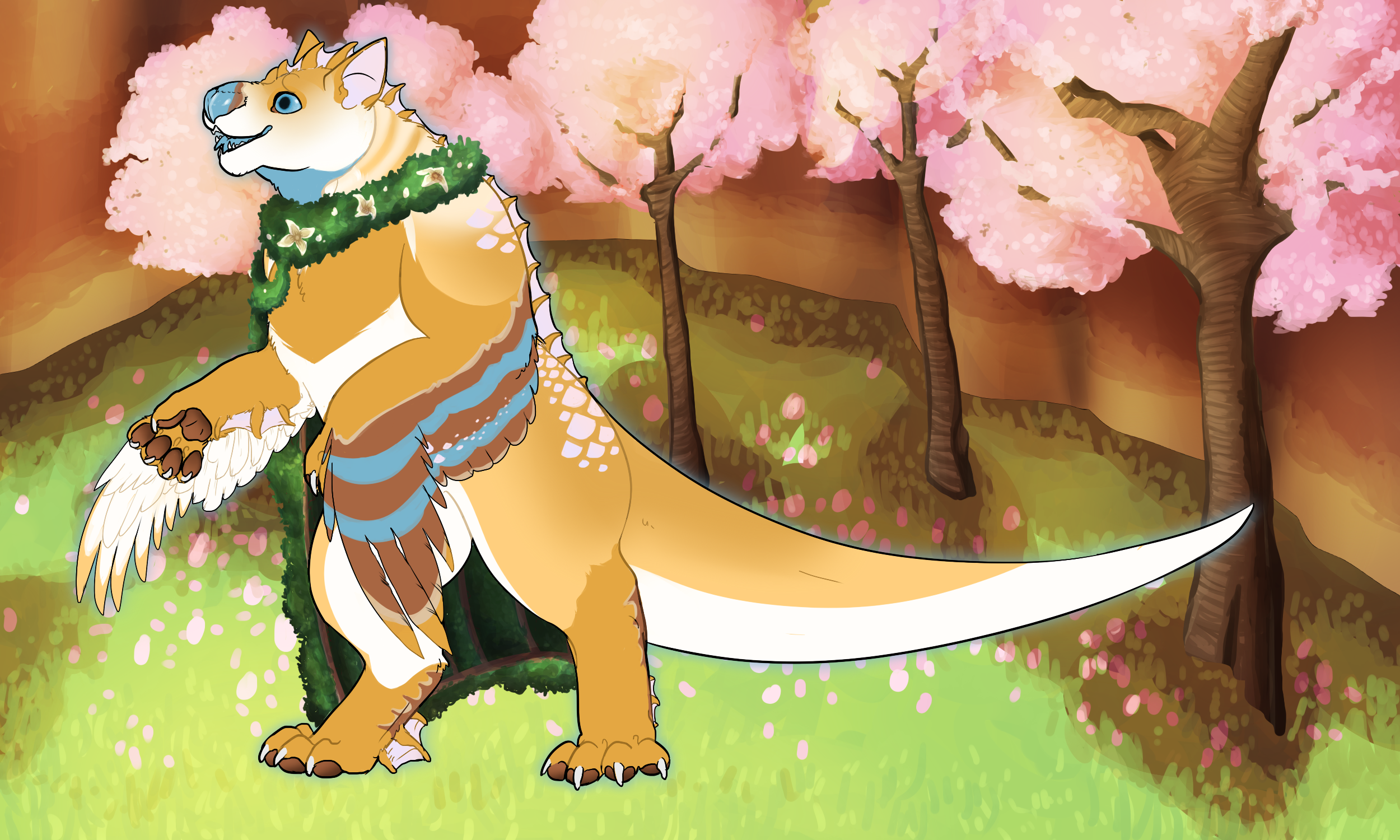
Skunk (nSku/SkuSku) (Common)
Range:
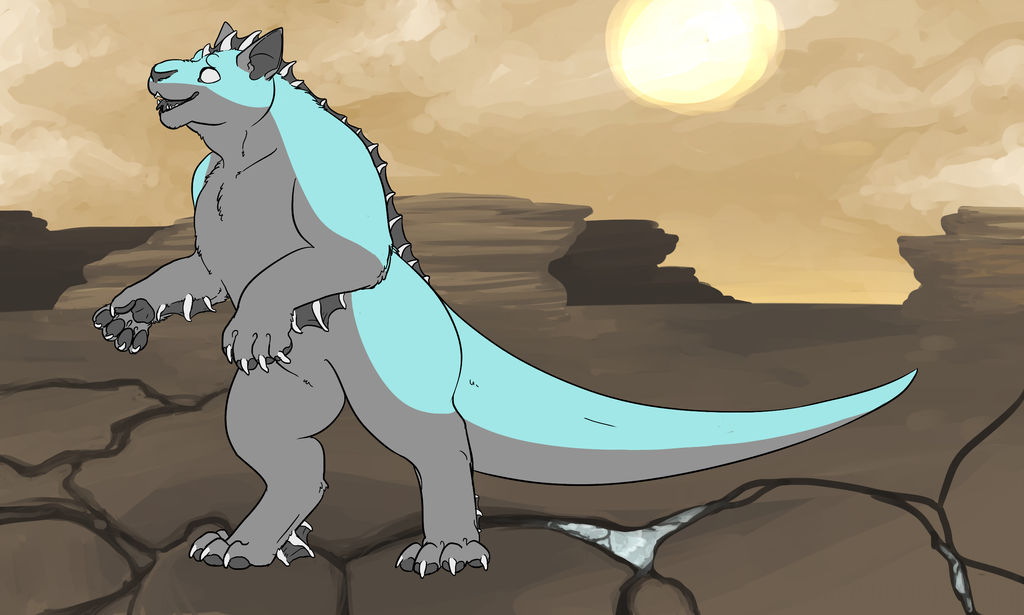
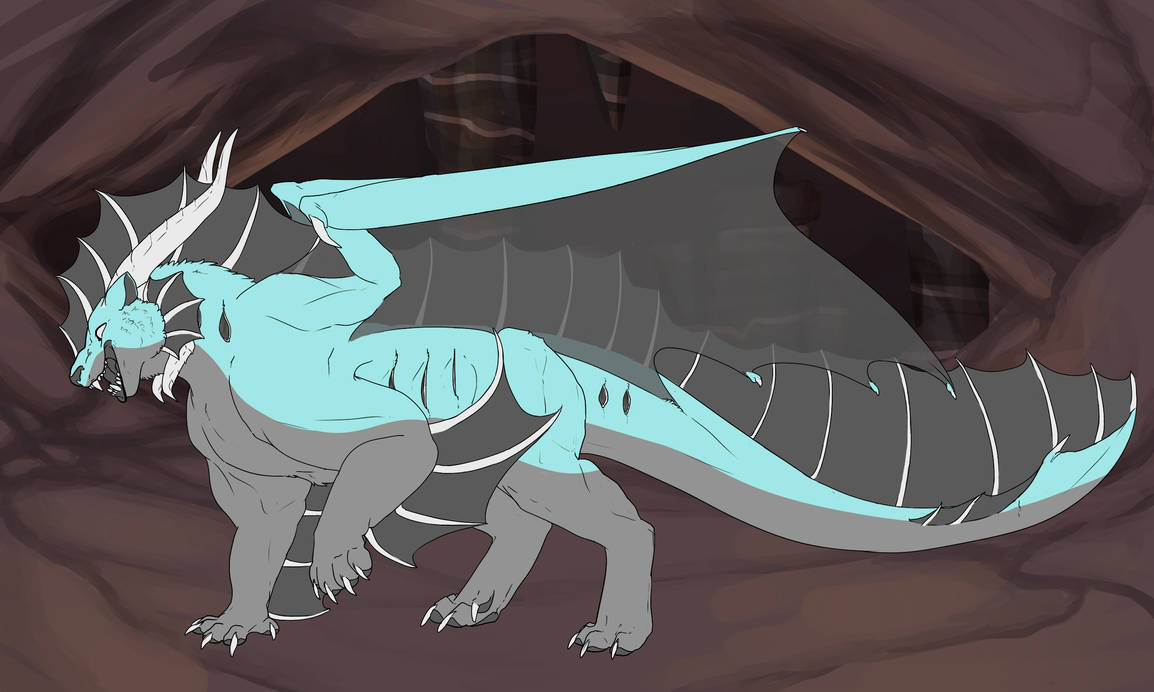
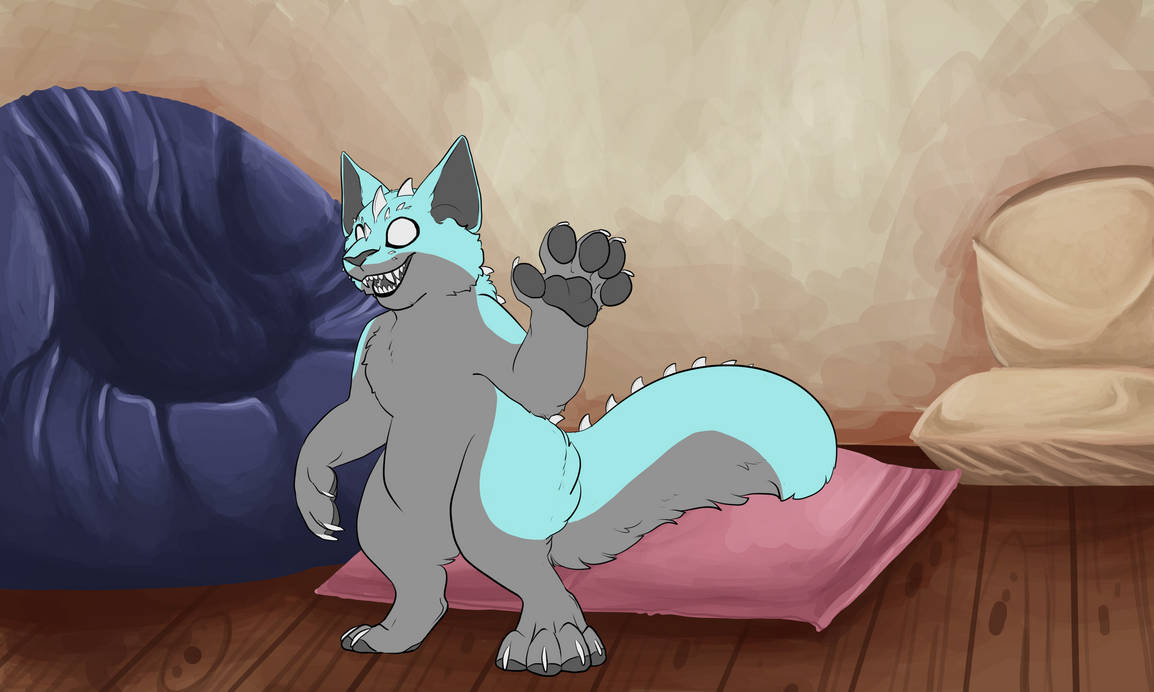
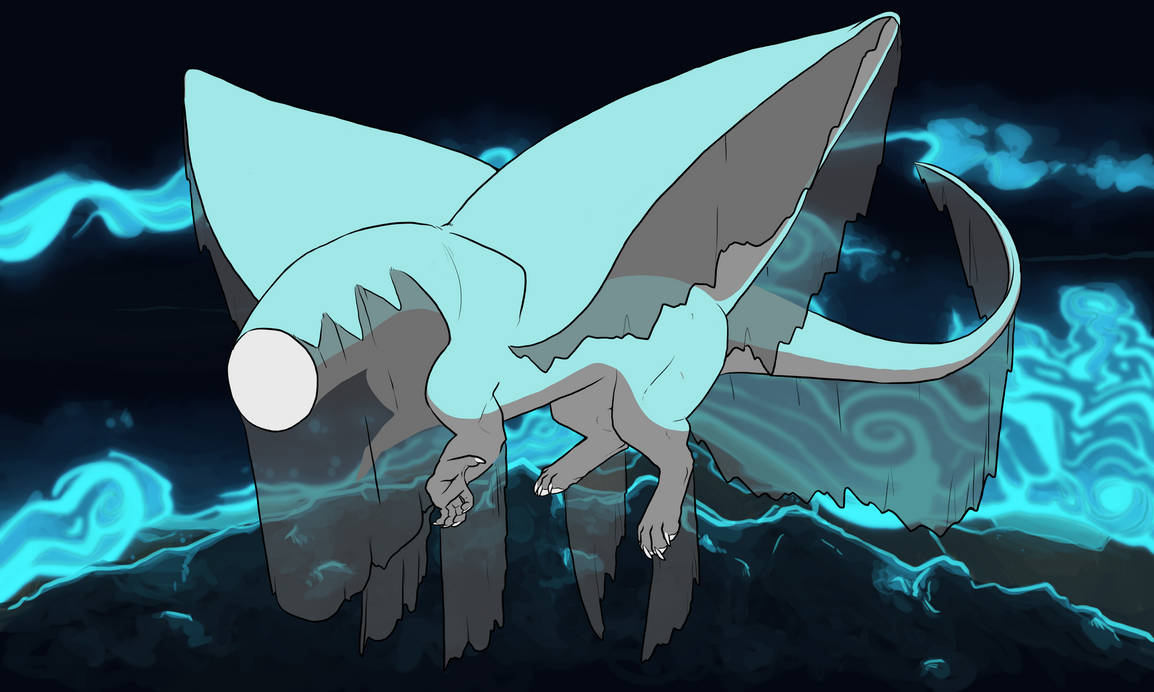
- Skunk must be a lighter shade of the base coat, including white. It may have a gradient, but it must be within a similar hue, not heavily two-toned.
- Edge may be hard, textured, or somewhat soft. It should not be fully blended out.
- It should form stripes on the side (in which case it should "cut out" in the middle of the back) or on the back (in which case it should not be a thick enough stripe to cover the entire side). It can display on the back and side (with a gap in between them) as well.
Examples:
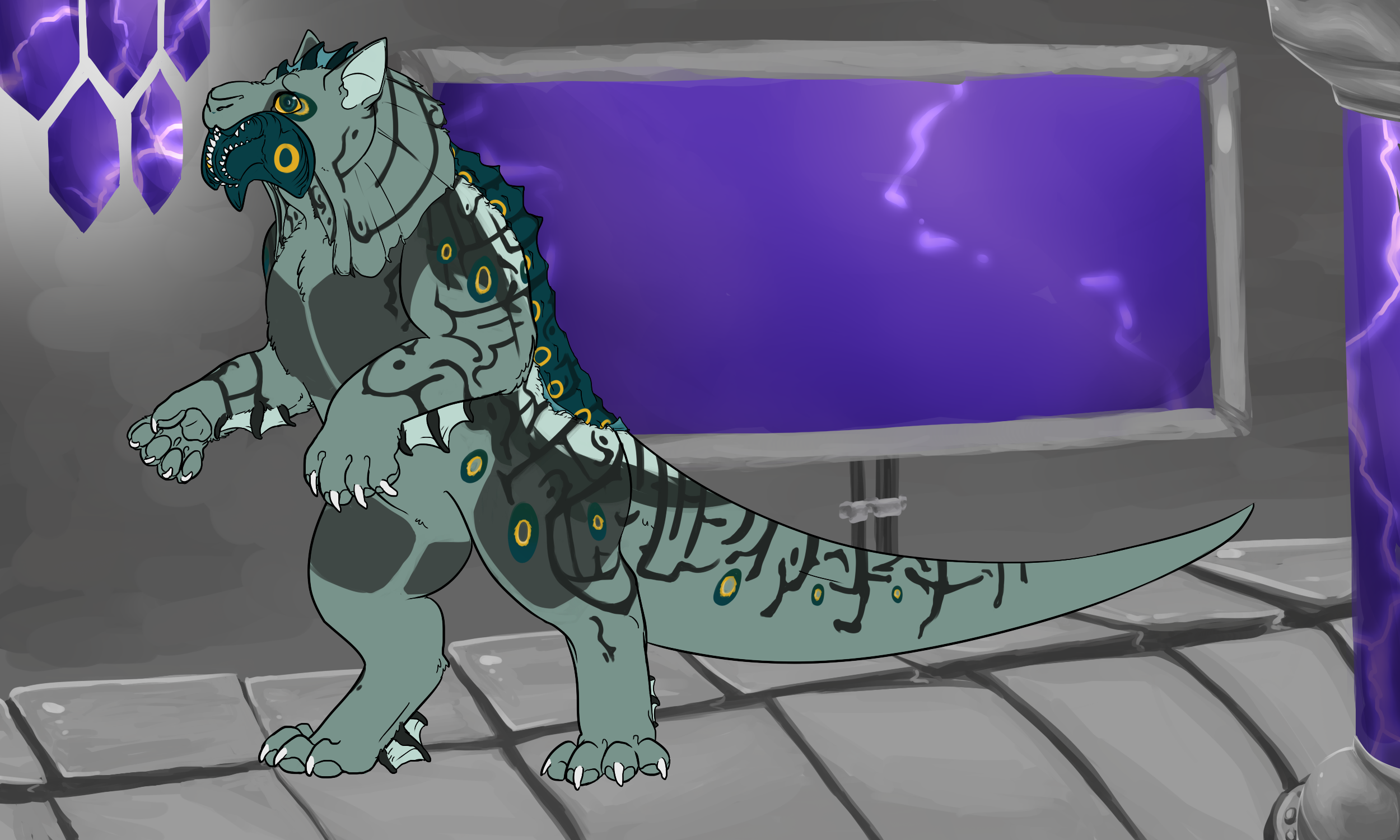
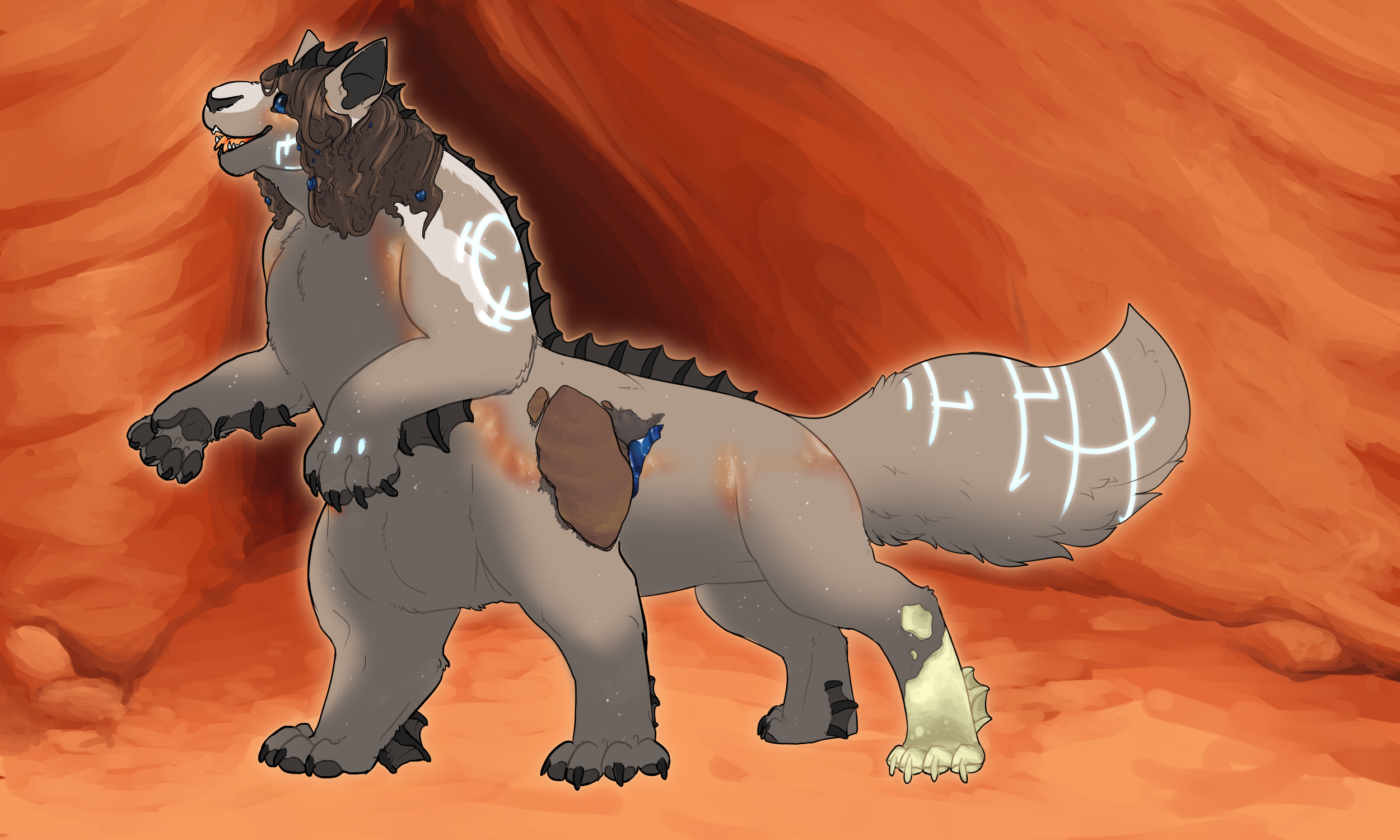
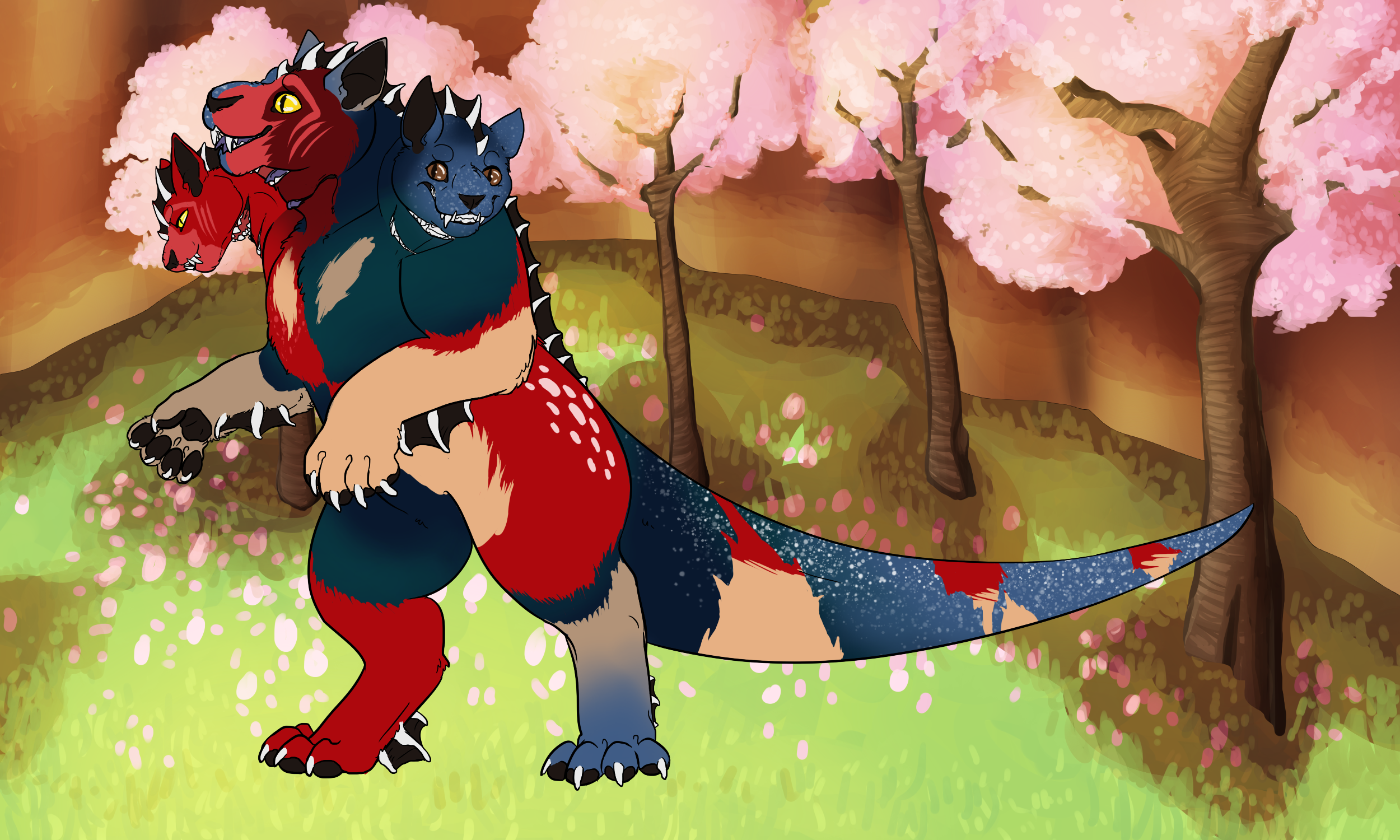
Snowflake (nSn/SnSn) (Common)
Tiny light speckles scattered around the ixi.
- Snowflake should be lighter than base coat.
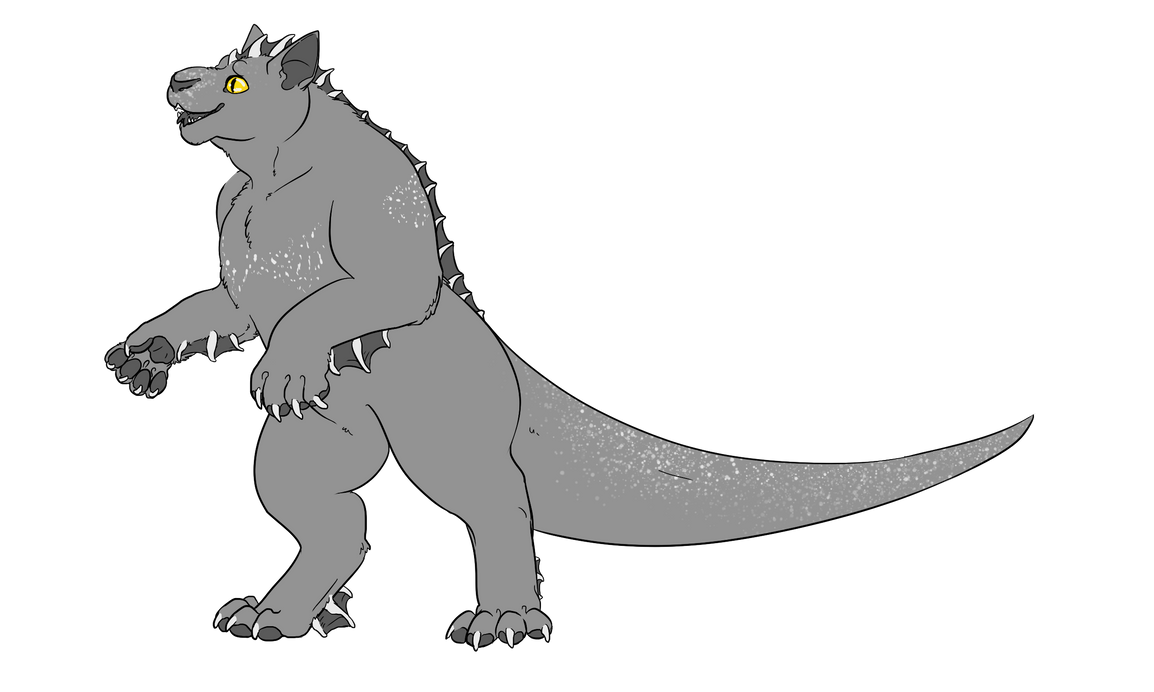
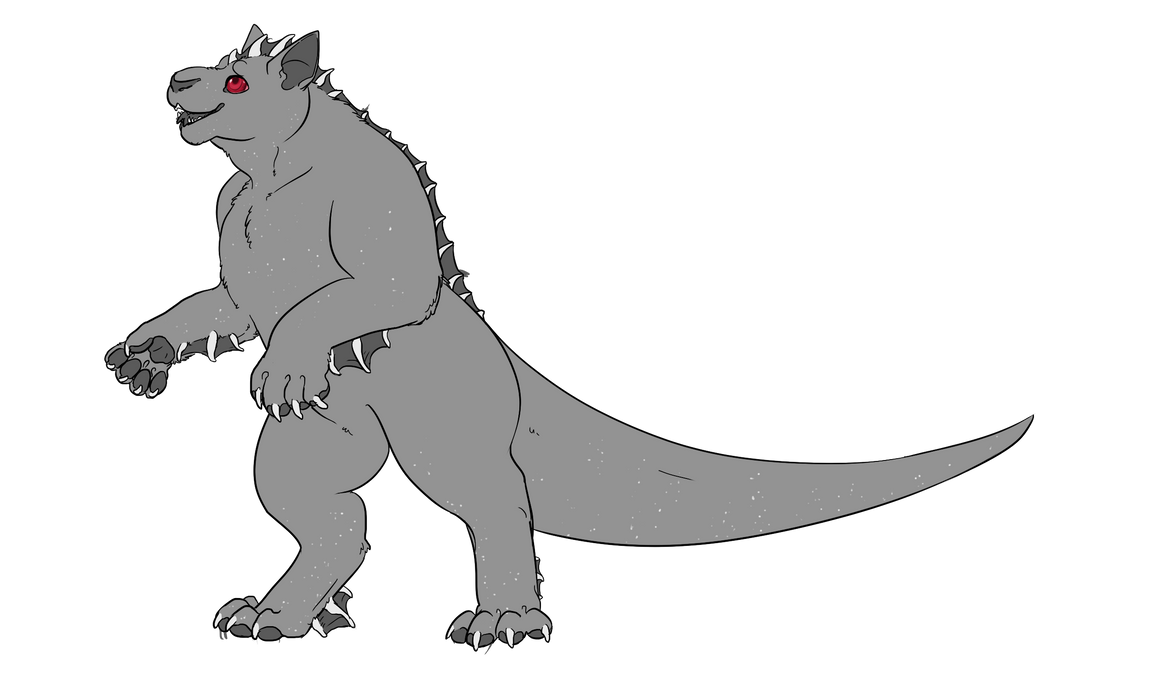
- It should always present as tiny specks of light color scattered across the Ixi.
- It is typically hard or lightly soft-edged.
- It has no maximum and can cover the full body if desired. It has no minimum, but should be noticeable on the design.
Snowflake should remain around this size range:
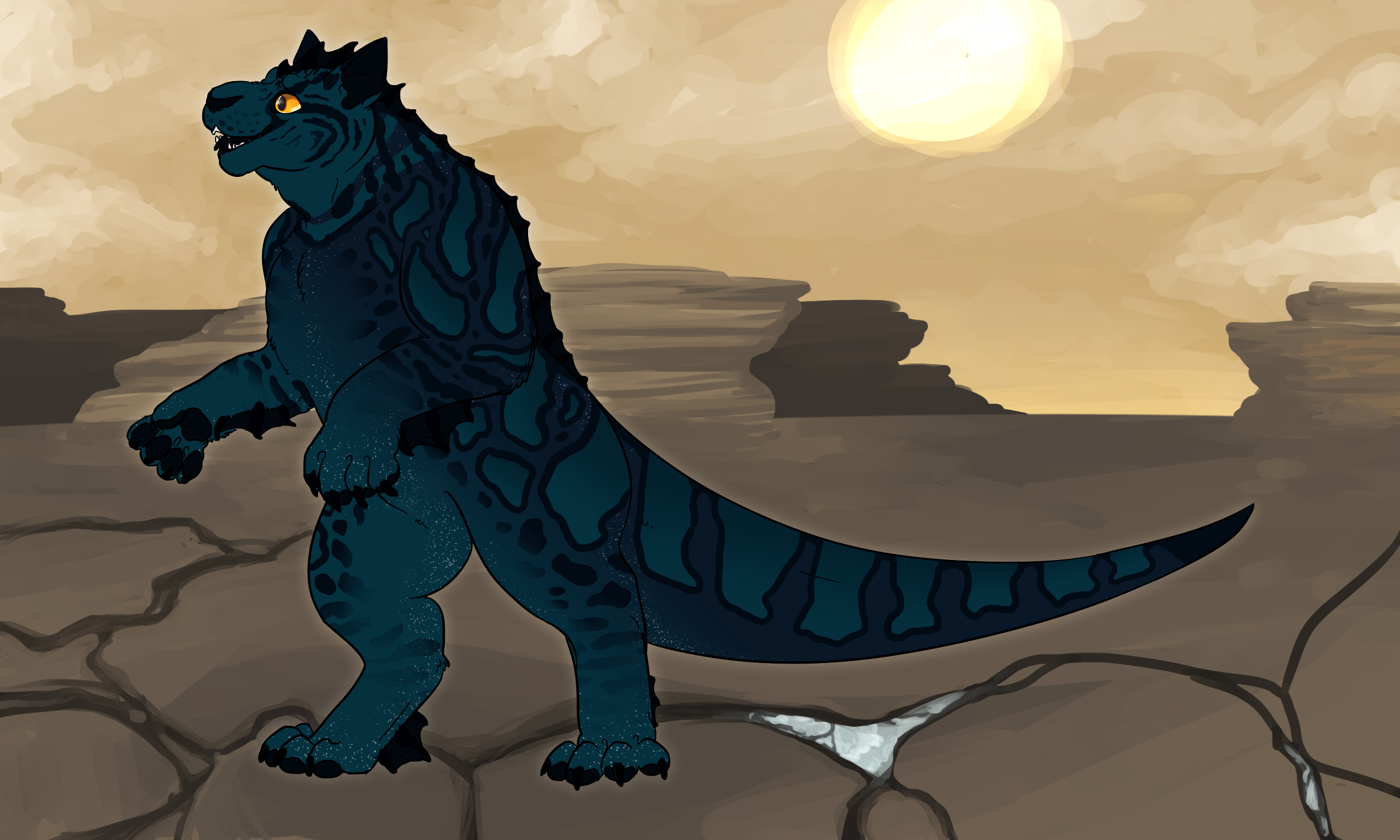
Examples:
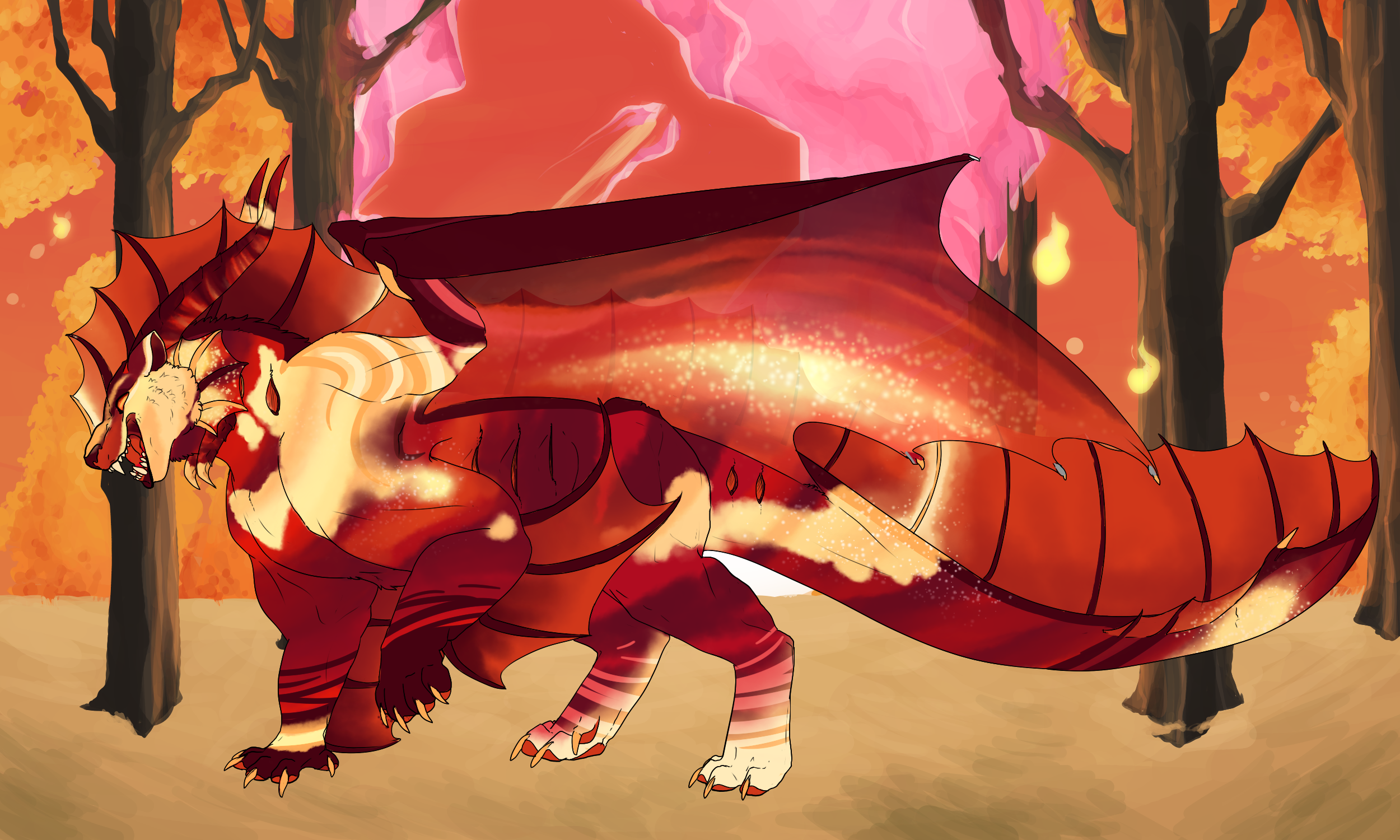
Squared (nSq/SqSq) (Common)
- Squared must be lighter or darker than the base coat, and can be black or white.
- It should include squares and/or rectangles, which can be solid or hollow. It can curve naturally with the body, but the geometric shape should still be easy to make out.
- It can be hard-edged or lightly textured. It should not be soft-edged or heavily textured.
- It has no minimum, but should be noticeable on the design.
Examples:
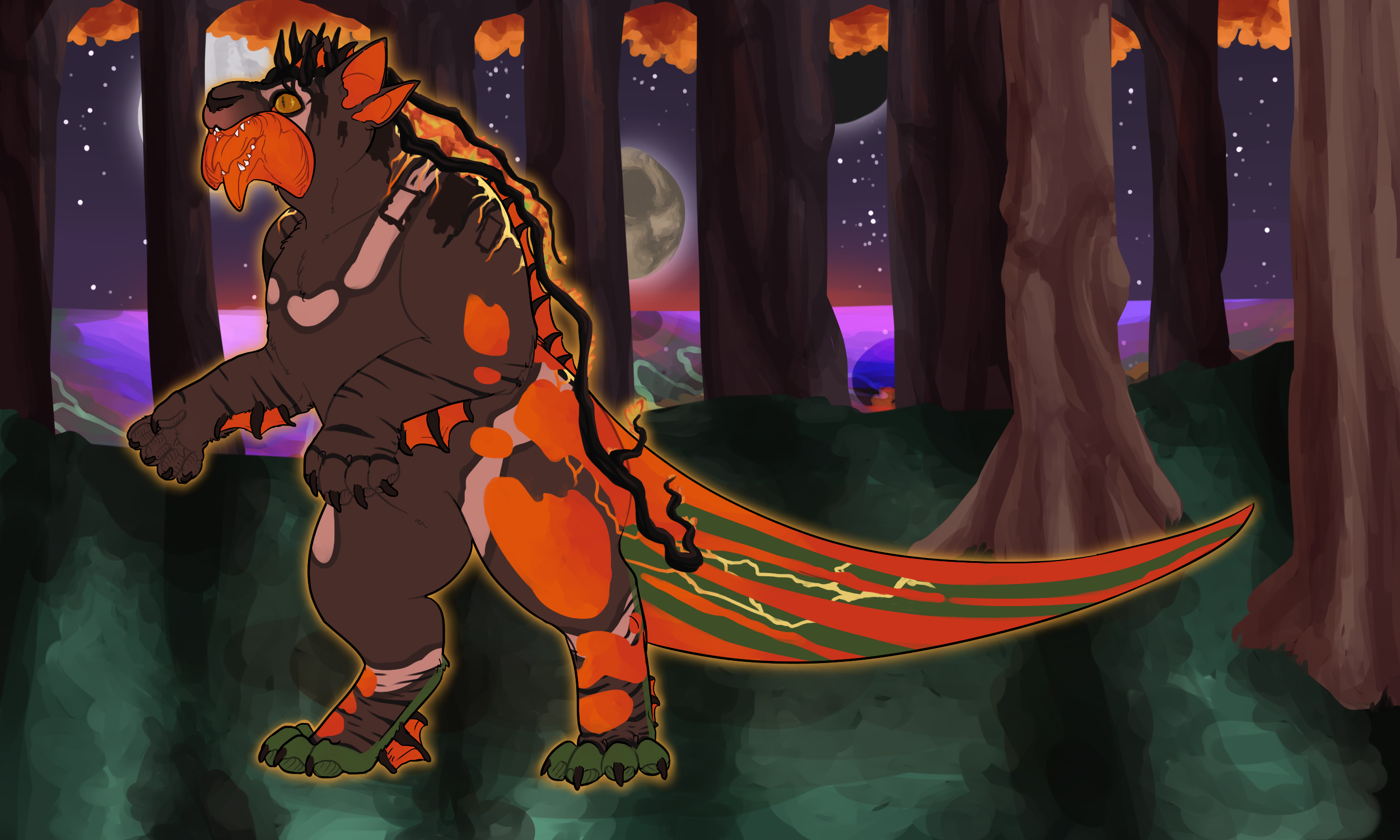
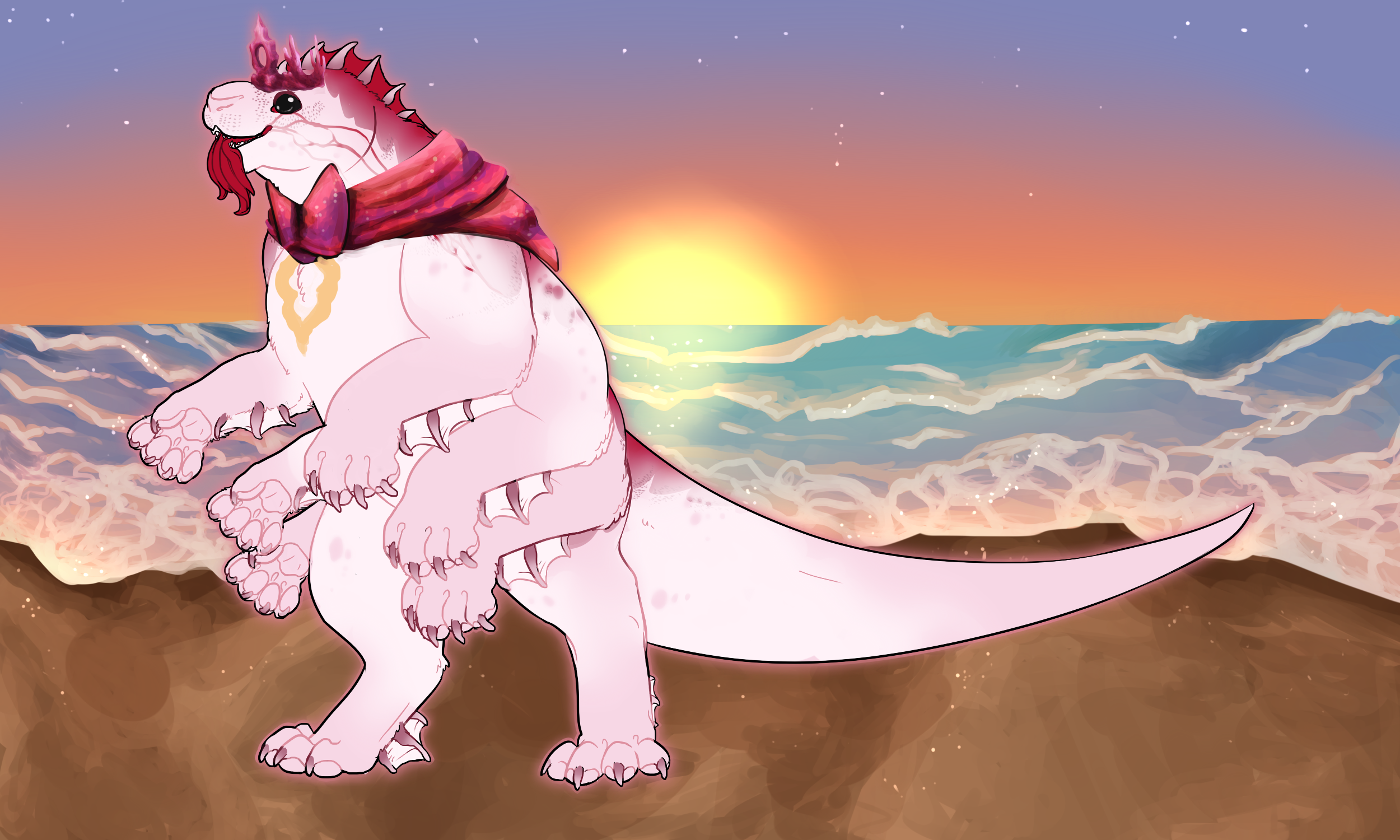
Sun (nSun/SunSun) (Common)
Range:
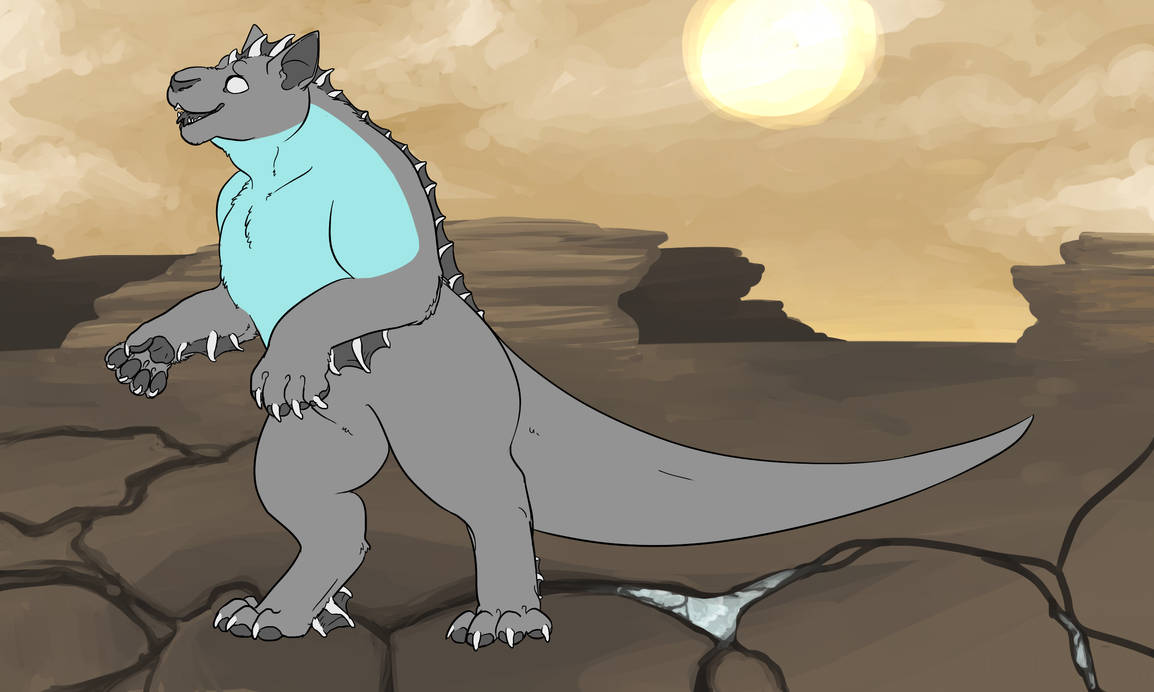
- Must be lighter than base coat, tan, or gold.
- Edges should be hard or textured-edged.
- It should be a mostly abstract or fully abstract shape - if it's a recognizeable shape (heart, actual sun, star, etc), it should appear as if it's a marking rather than a tattoo.
Modifying other markings:
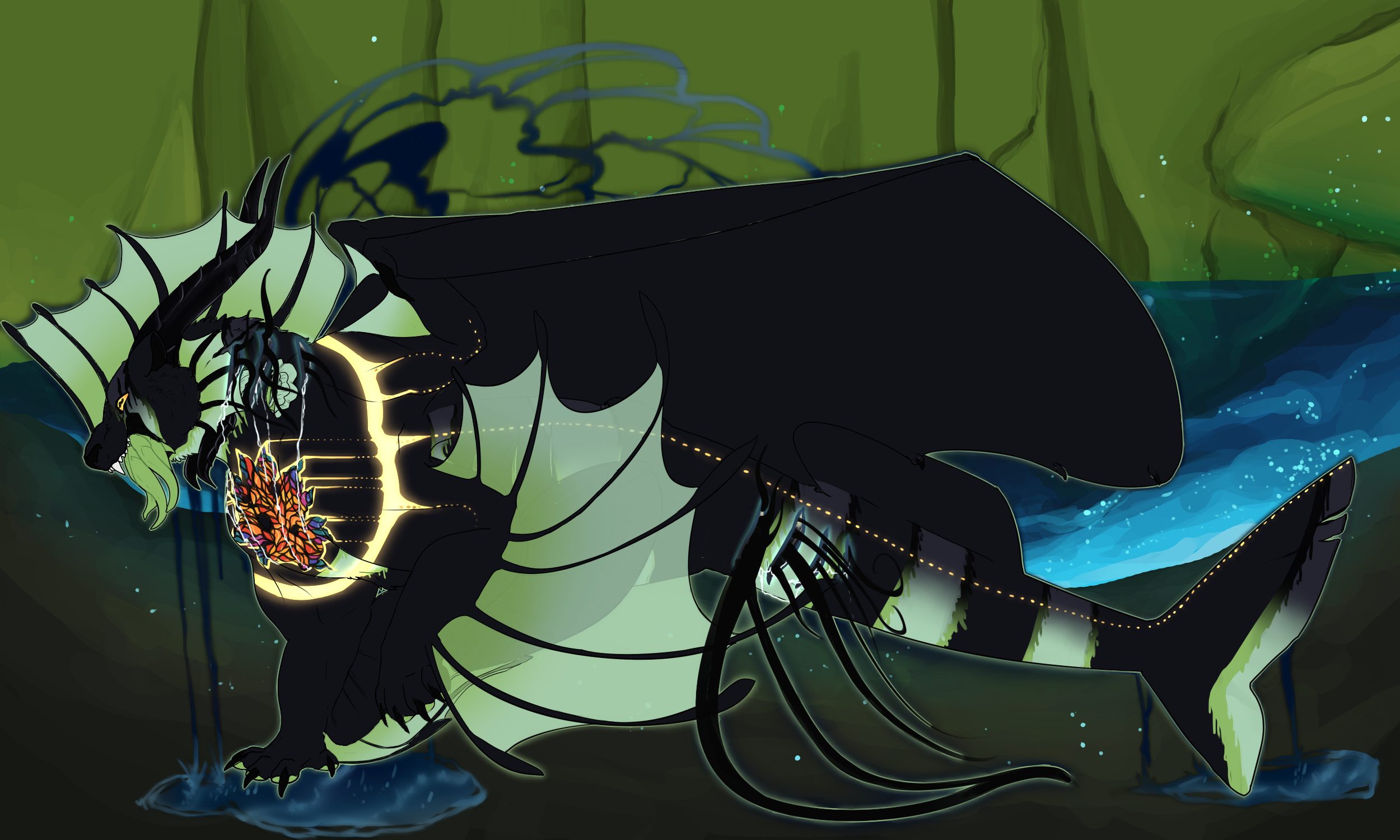
- Make Spectacled gold
- Combine the two markings (Spectacled with a larger chest marking)
Examples:
Tan (nTn/TnTn) (Common)
Range:


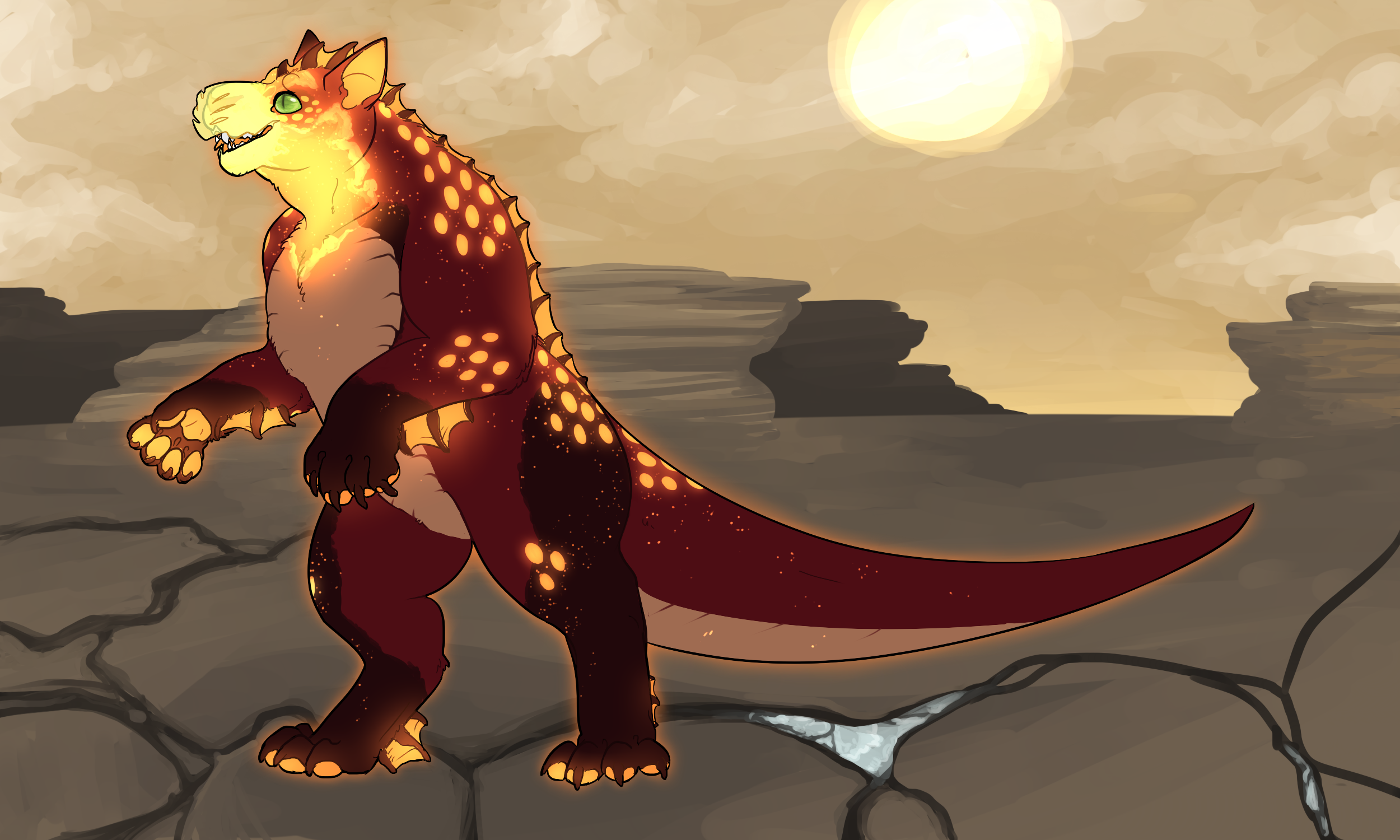
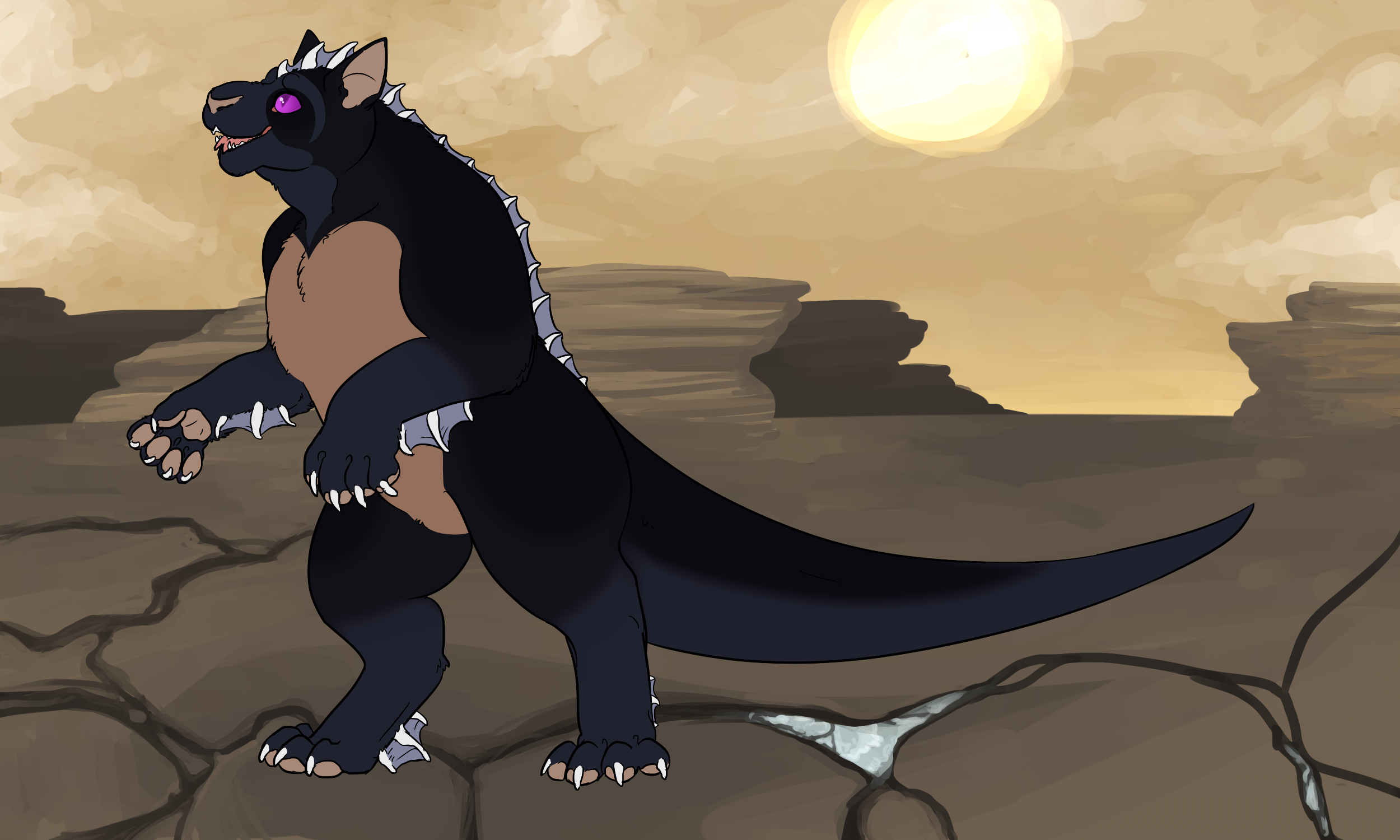
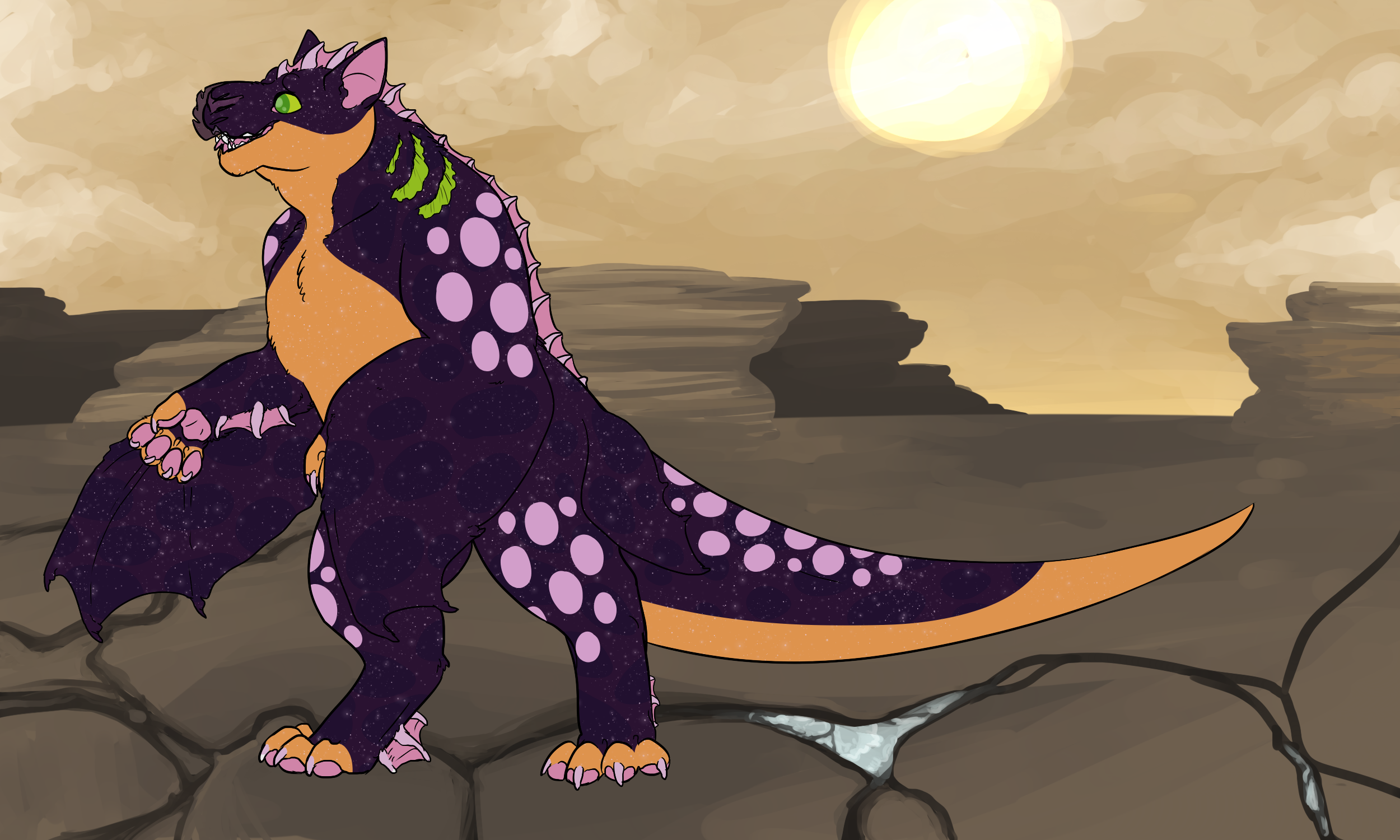
- Other than the color, Tan follows the same rules as Unders:
- Edge must be hard or textured.
- Recessive Tan (nTn) must touch the chest and/or belly of the Rixixi somewhere.
- There can be some breaks in the marking, but they should appear as natural separate pieces. Cutouts are allowed as long as they are natural shapes.
- It may have a gradient, but it must be within a similar hue, not heavily two-toned.
- While markings typically should not resemble each other too heavily, Tan can, in some cases, look identical to Unders on a Sunbeam, Woods, or Latte base. Tan may also resemble Sun, Spectacled, Vest, and Accents naturally.
Dominant Tan


- Dominant Tan (TnTn) can optionally extend to a significantly larger range.
- It does not have to connect to the chest or belly. Dominant Tan should still avoid mimicking other markings, but can mimic very simple markings like Points and Hood.
Examples:

Ticking (nTk/TkTk) (Common)
Tick marks, darker than base, flecked around the Ixi's coat.
- Ticking should be darker than the base coat, and can have some variance in color.
- It should always present as small tick marks clustered together, whether in portions of the coat or covering the full body. It has no maximum and can cover the full body if desired. It has no minimum, but should be noticeable on the design.
- It is typically hard or lightly soft-edged.
- It can also cause barring at the limbs, tail, neck, and face - as seen on some cats, particularly the Singapura.
Examples:
Unders (nUn/UnUn) (Common)
Range:
- Unders may be a lighter or darker shade of the base coat, including black and white. It may have a gradient, but it must be within a similar hue, not heavily two-toned.
- Edge must be hard or textured.
- Recessive Unders (nUn) must touch the chest and/or belly of the Rixixi somewhere.
- There can be some breaks in the marking, but they should appear as natural separate pieces. Cutouts are allowed so long as they are natural shapes.
- While markings typically should not resemble each other too heavily, if Unders is on a base such as Latte, Woods, or Sunbeam, it may resemble Tan (though should still simply be lighter/darker than the base coat). Unders may also resemble Sun, Spectacled, Vest, and Accents naturally.
Dominant Unders
- Dominant Unders (UnUn) can optionally extend to a significantly larger range.
- It does not have to connect to the chest or belly. Dominant Unders should still avoid mimicking other markings, but can mimic very simple markings like Points and Hood.
Examples:
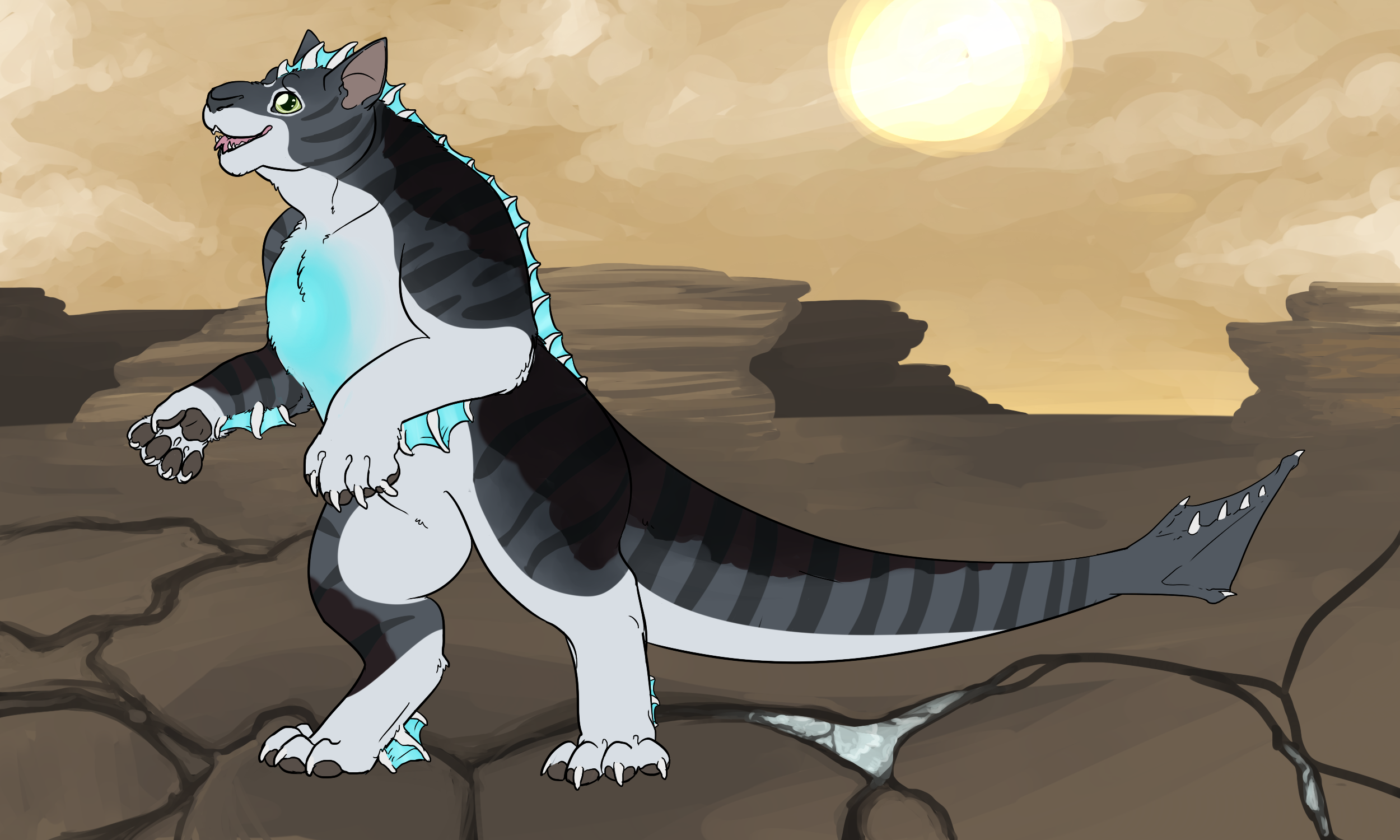
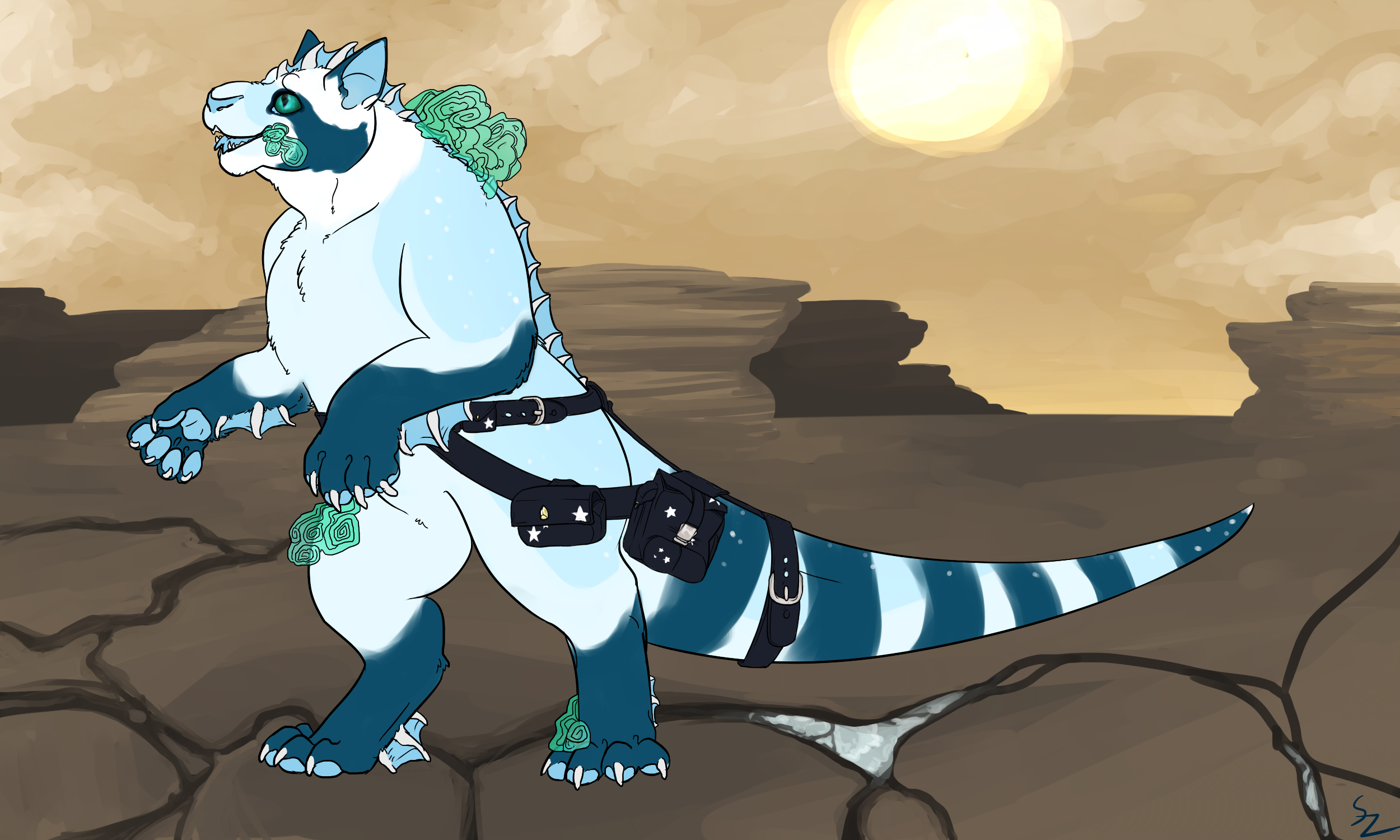
Bloom (nBlm/BlmBlm) (Uncommon)
- Bloom presents as a band of color around any marking. The band may be any color, may be two-toned, and should match the modified marking's edge hardness and shape.
- If Bloom is the only marking on the Rixixi (or if the only other markings modify the base coat without creating another marking, such as Gradient), then Bloom can create the outline of any marking except for markings with a fully blended edge - make sure that the shape of the marking is clear! You can use any edge hardness for this (including mixed edge hardness) except for 100% blended - partially blended and partially something else is fine.
- Recessive Bloom can modify the edge of one marking, while Dominant Bloom can modify the edge of multiple - as many as the designer desires.
Examples:
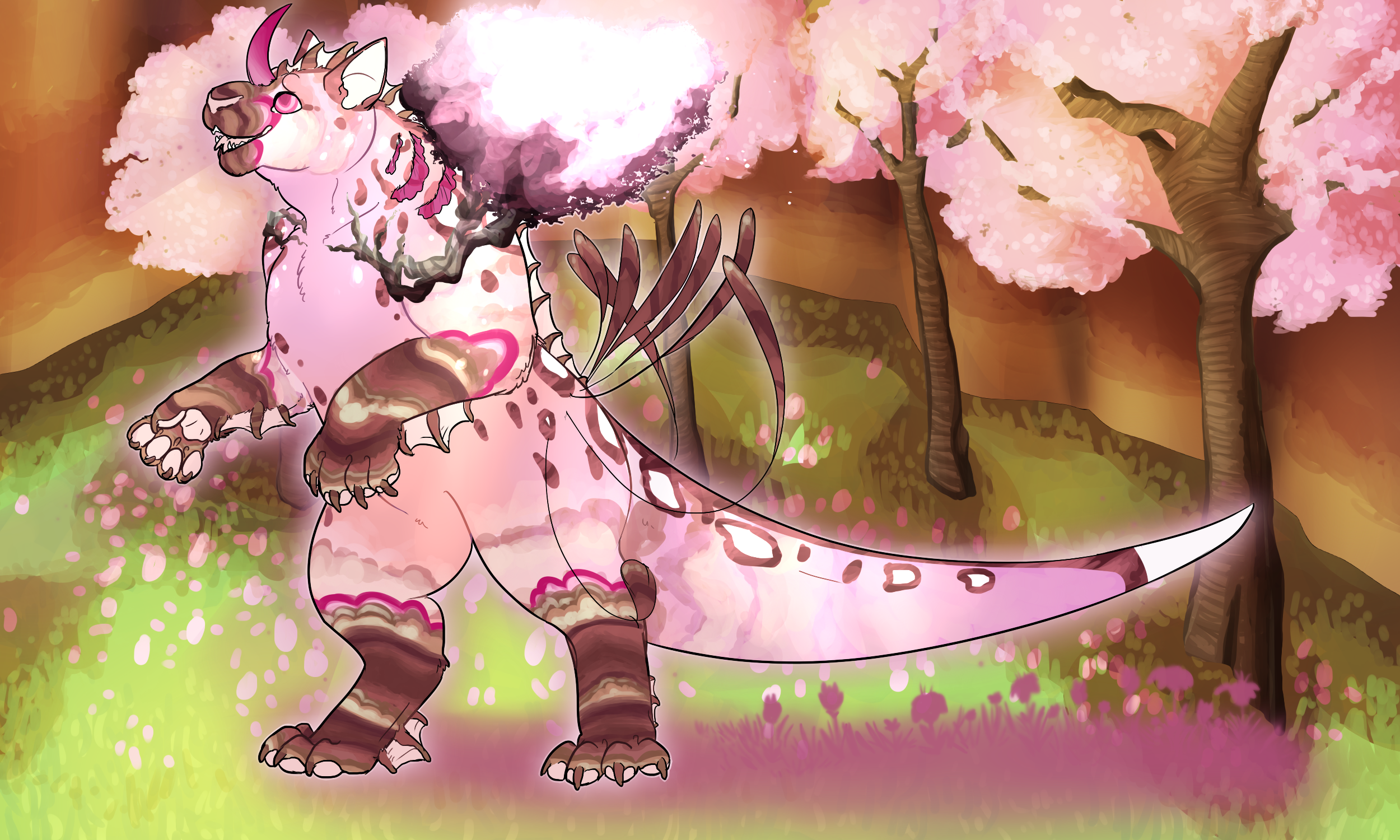
Cowspot (nCow/CowCow) (Uncommon)
- Cowspot can be lighter or darker than the base coat. It can have a gradient, and the gradient can be made up of two fairly different colors, as long as those colors are still either lighter or darker than the base coat.
- Cowspots can be single spots, large patches, many spots clustered together, or a combination of these. There can be spots smaller than the minimum size as long as they're clustering with a larger spot to make a proper-sized path. Likewise, patches can exceed the maximum size if they're clearly separate spots that meet at some points.
- Cowspots can be solid, textured, or slightly soft-edged. They should not be blended out.
- It has no maximum and can cover the full body if desired. At minimum, it should have one visible large patch.
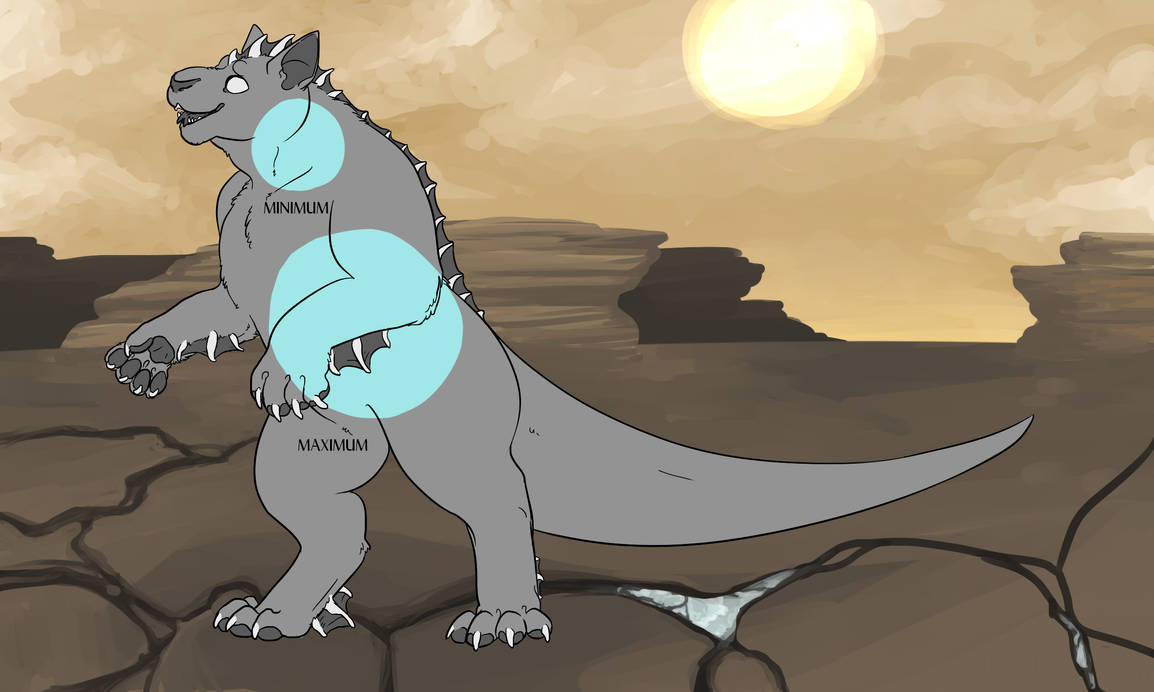
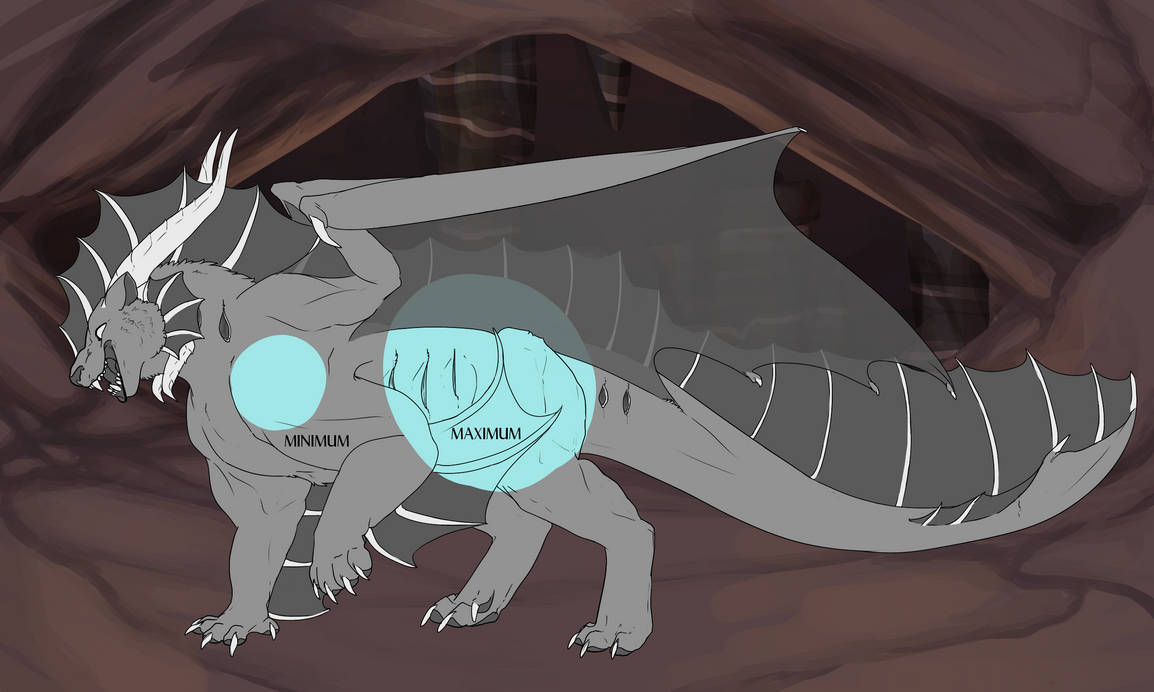
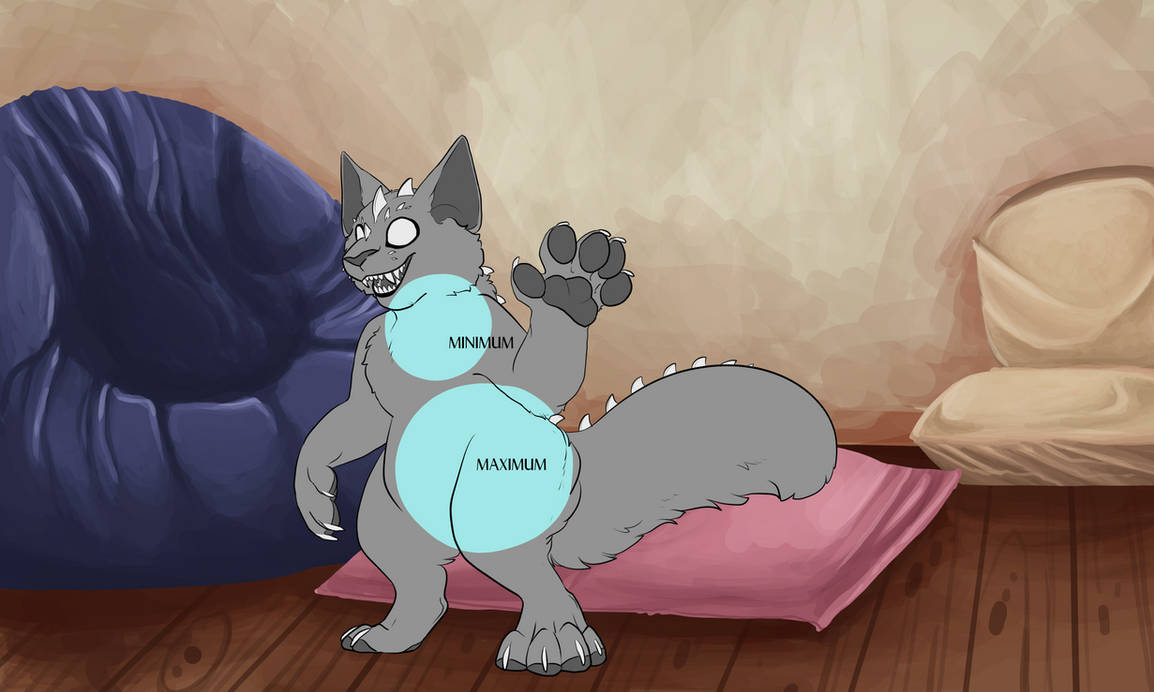
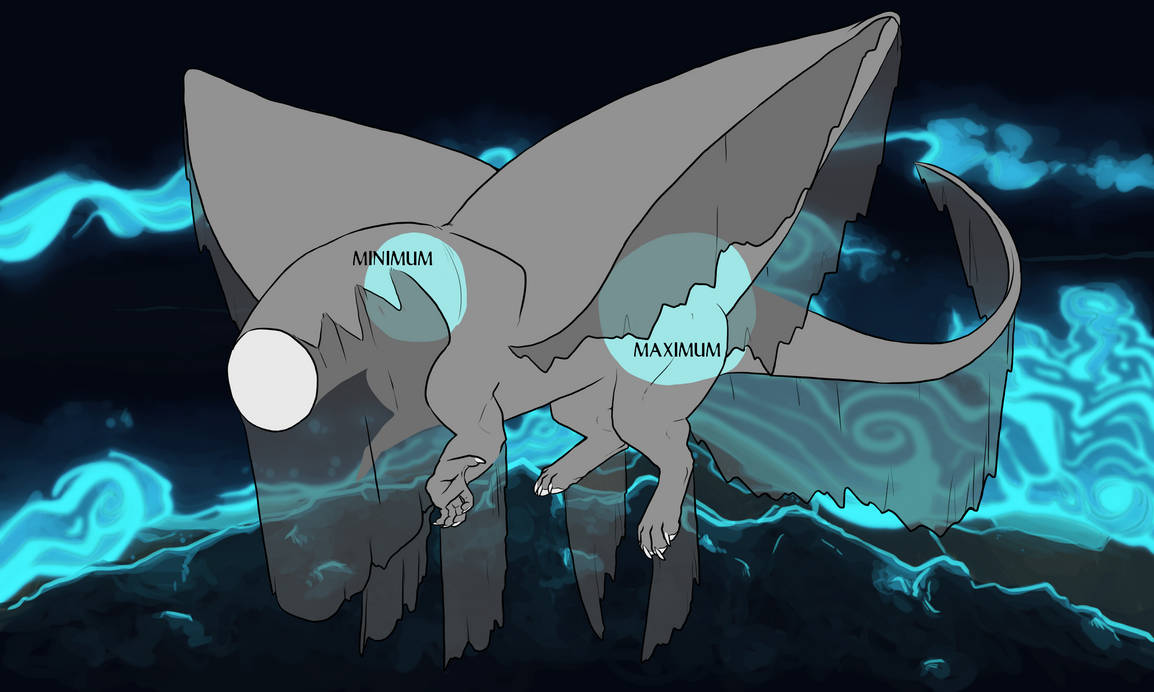
The above images display the minimum and maximum size for Cowspots.
Examples:
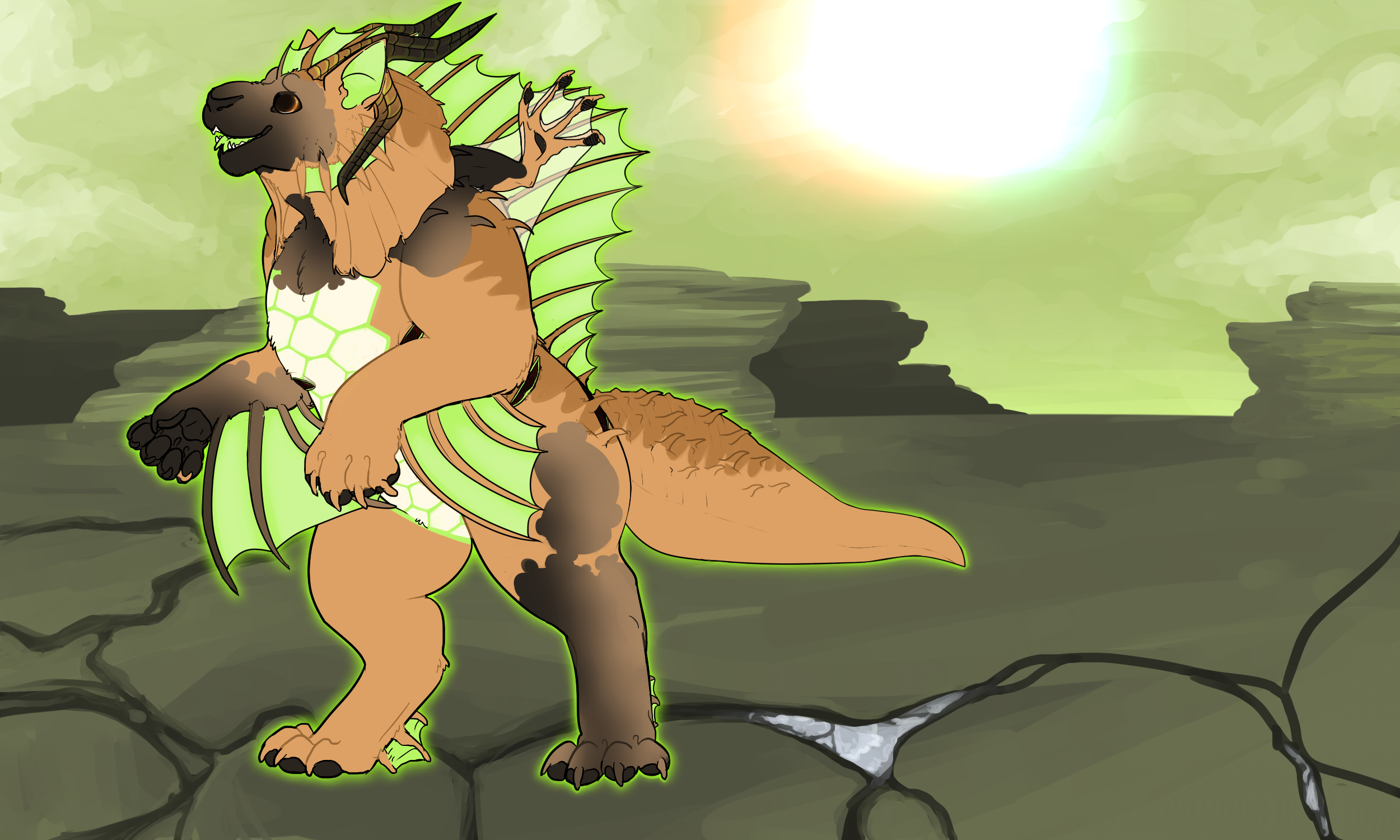
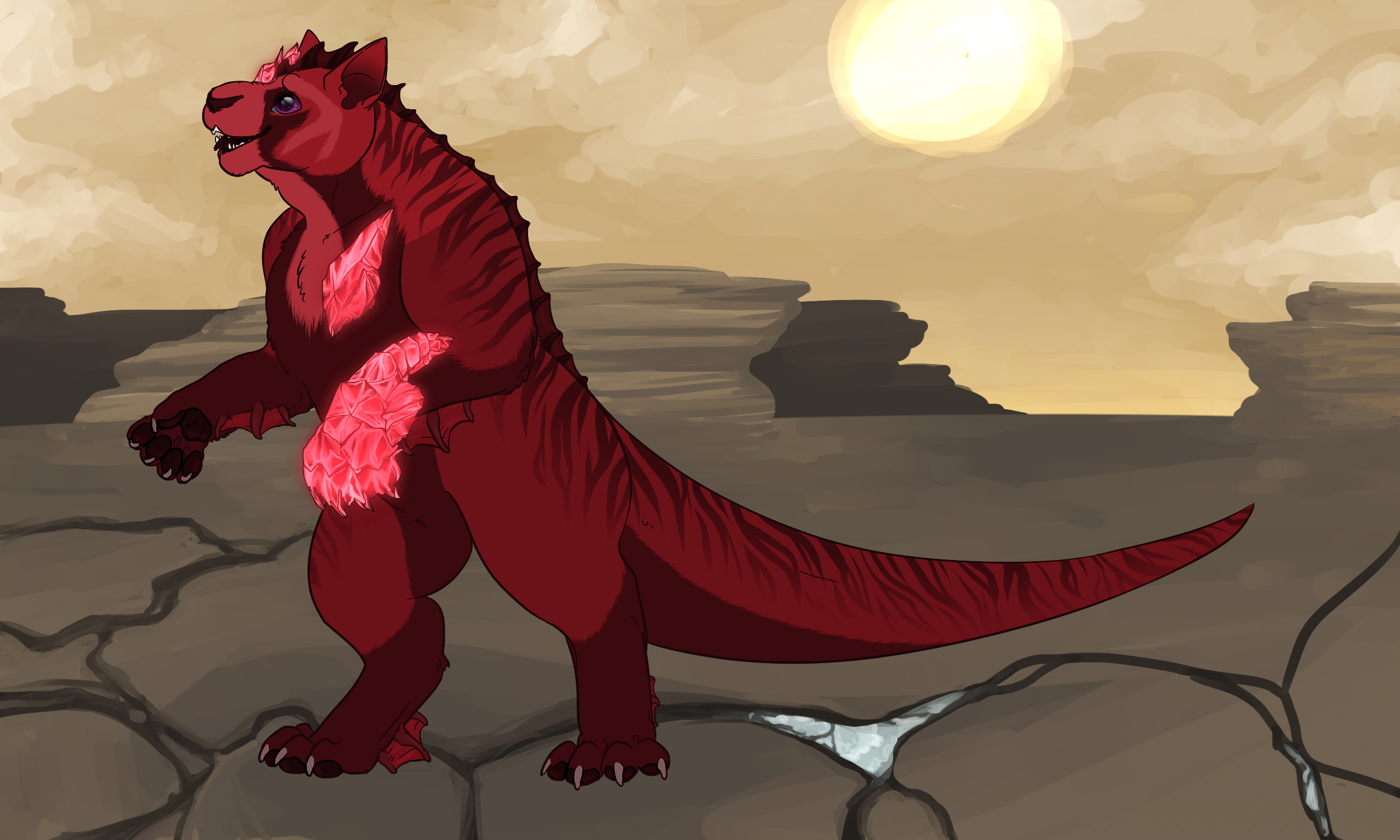
Daggerstabbed (nDs/DsDs) (Uncommon)
Range:
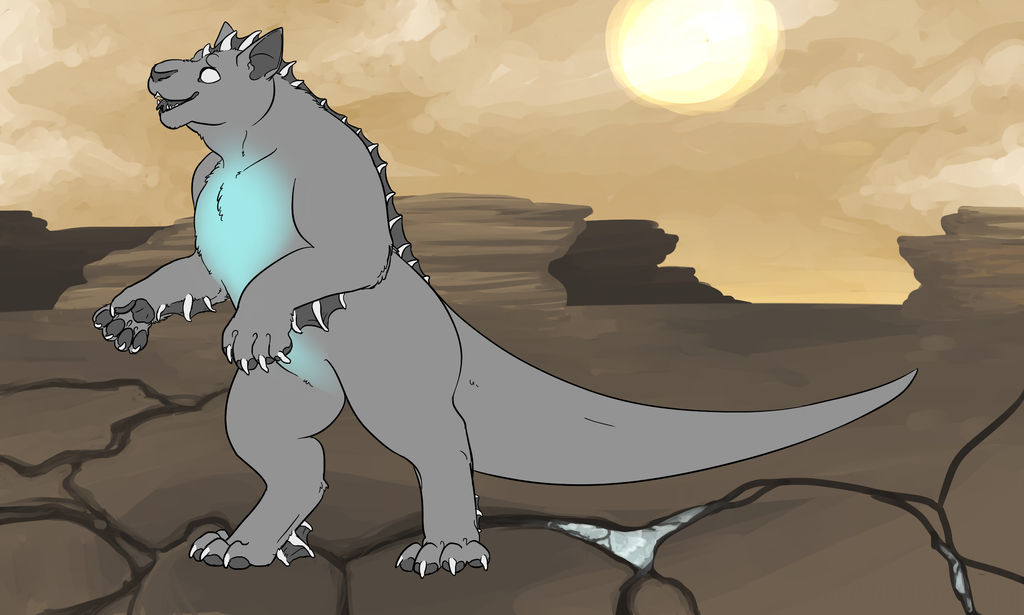
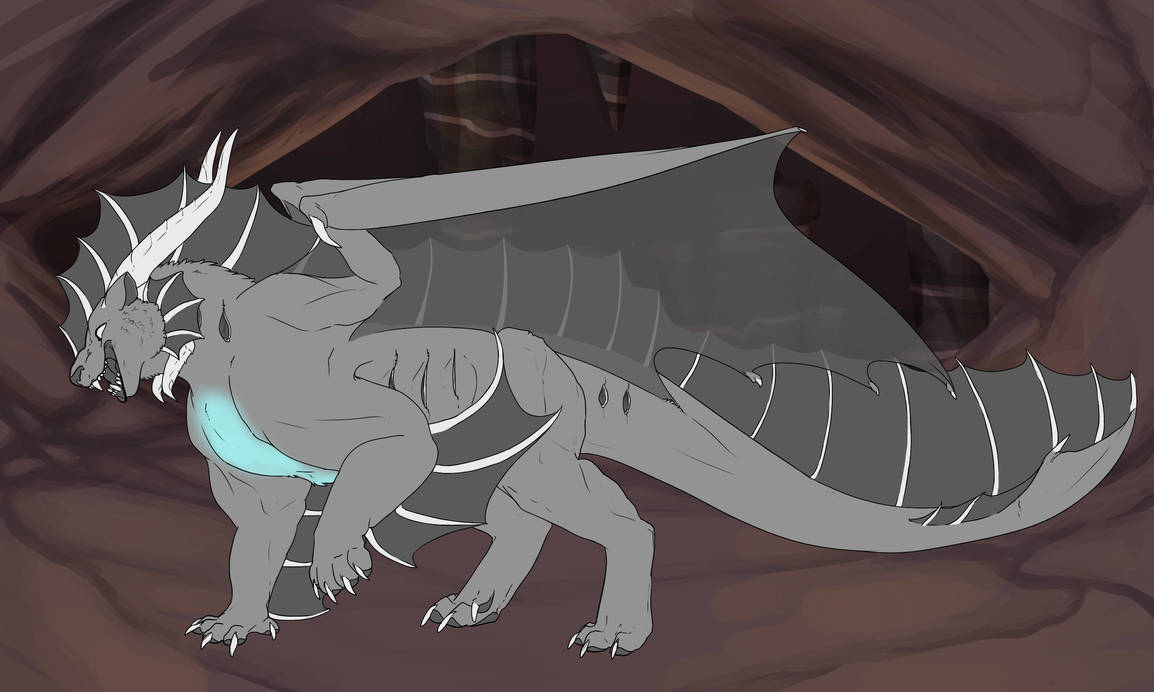
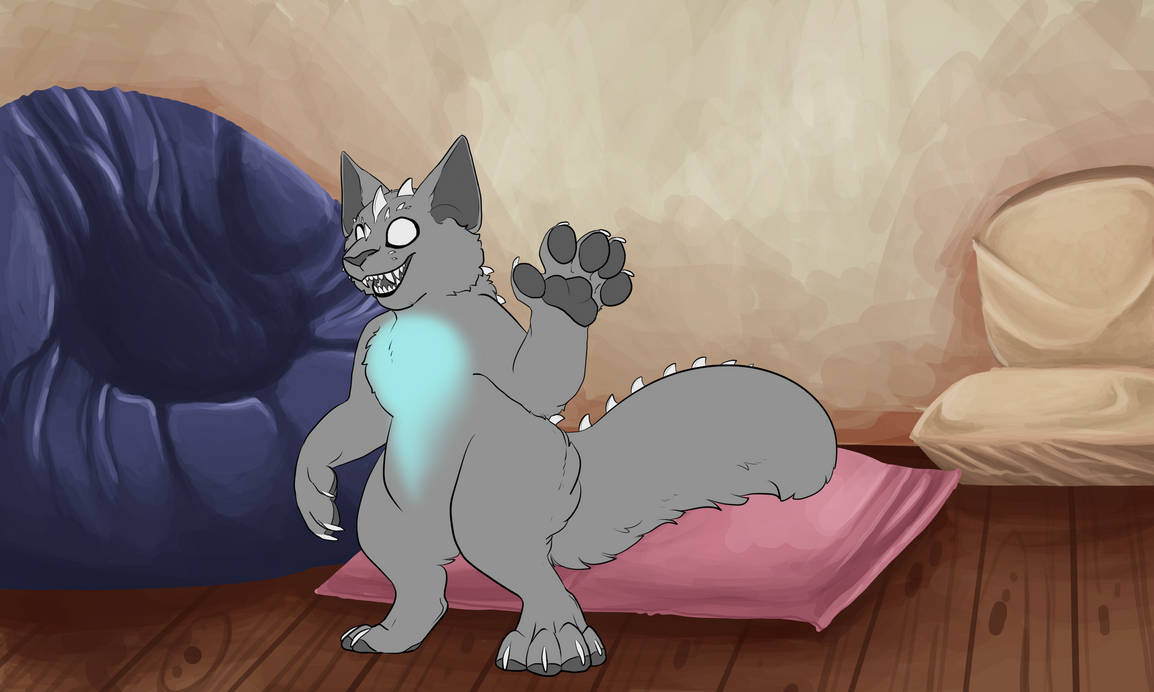
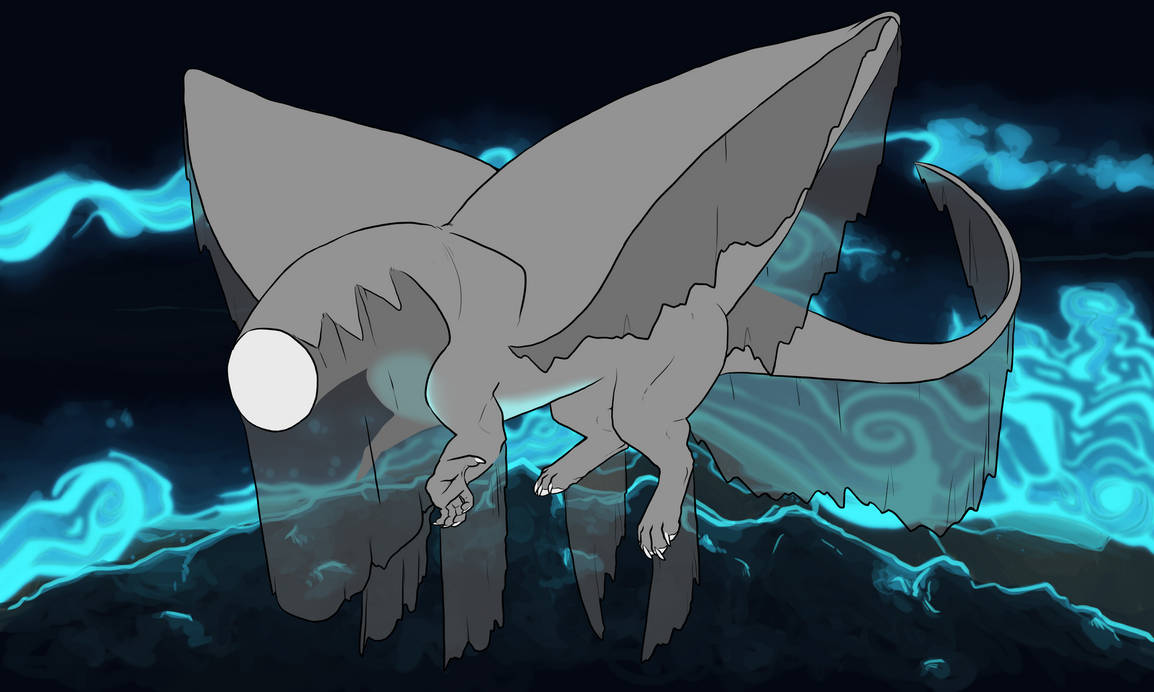
- Must be a shade of red - bright red, blood red, pale red, or red-brown recommended. Can contain a more saturated color in the center and blend out to a desaturated color.
- Daggerstabbed's color can be overridden by the Rixixi's blood color if applicable.
- Edges should be fully blended out.
- The marking should be similar to the chest marking of a bleeding-heart dove.
- At minimum, Daggerstabbed should appear on the chest. The trail down the belly is optional.
Examples: