Traits
Violet Glow (+VioG) (Non-Passable)
Can display in one of two ways: The entire Rixixi takes on a violet color, with the markings still visible, OR a violet color modifies as many markings as the designer desires.
Violet Glow is classed as Non-Passable, and is only passable in breeding with the Body Glitter skill.
It is obtained via the Gemcrafted Shard - Violet Glow item.
Violet Glow can modify the base coat to any shade of violet. Any hue in the following range can be used, at any value or saturation except complete grayscale. Markings that appear lighter or darker than the base coat will appear lighter or darker than the violet base, not the original base.

Alternately, the base coat can appear as normal, and Violet Glow can affect any number of markings that the designer chooses.
- Violet Glow does not have an effect on the eye color or skin tone of an Ixi.
Caldera (nCal/CalCal) (Rare)
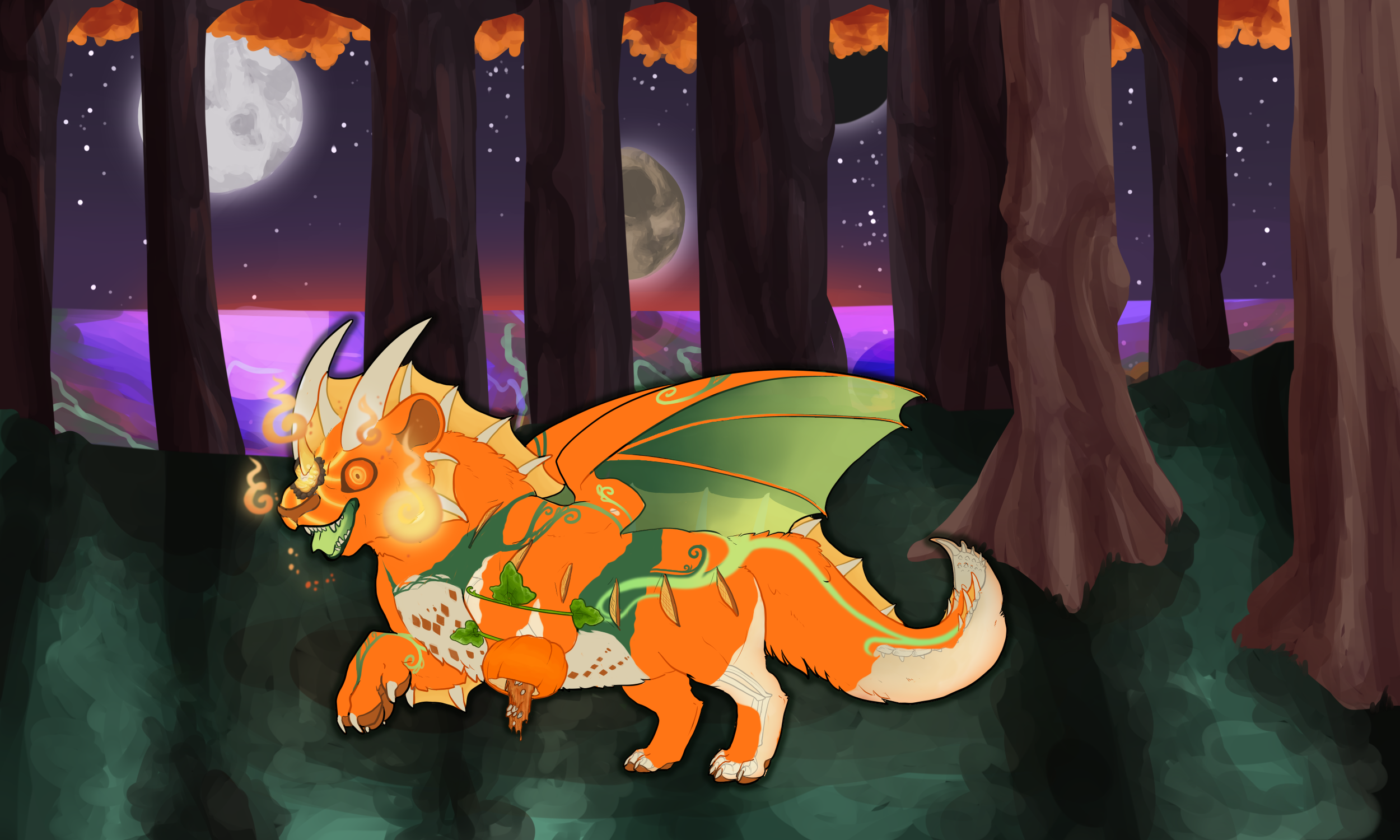
- Caldera displays over every marking, and optionally can display over color mutations and minimal white.
- Caldera should be a circle or oval, though the edges can optionally be warped and dripping. The edges can have a dripping effect without the use of Droplets. The color should match magma or lava, and can contain things like stone encircling the marking.
- Dominant Caldera can alter markings that touch it by changing their color to that of the crystals within it, either in a gradient or the entire marking. Dominant Caldera optionally can alter color mutations.
- There should only be one Caldera marking on a Rixixi. There can optionally be two if located on limbs - if this option is taken, the markings should appear on the same pair of limbs (arms, back legs, sleipnir arms, wings, etc.).
- Caldera can have hard or textured edges. The main marking itself should not be blended out or soft (though, as previously mentioned, Dom Caldera can have a blended gradient effect that affects other markings)
- Caldera may glow. This may not affect skin, but it may affect the markings altered by Caldera's color.
Examples:
Vest (nVes/VesVes) (Common)
Range:
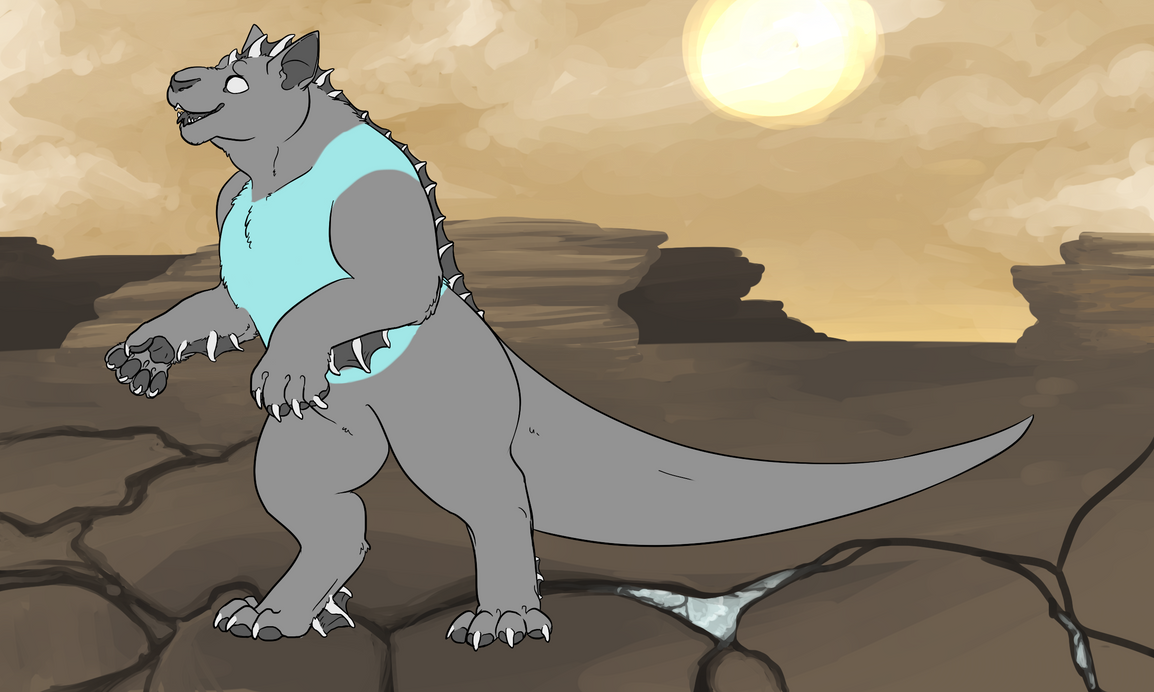
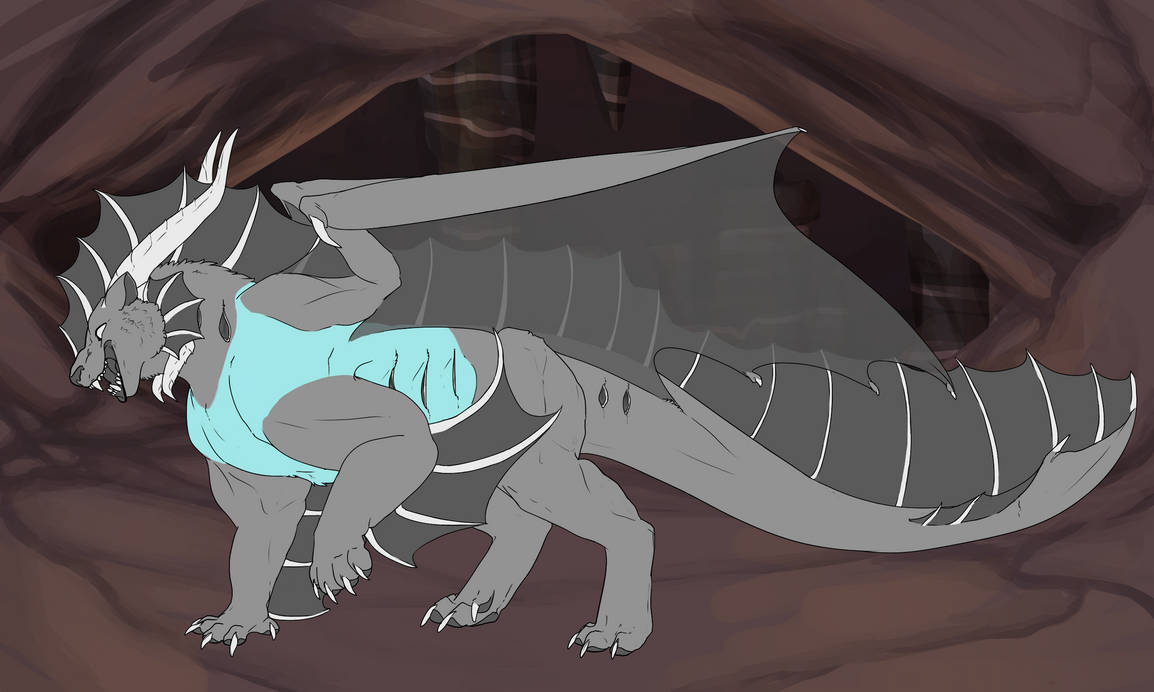
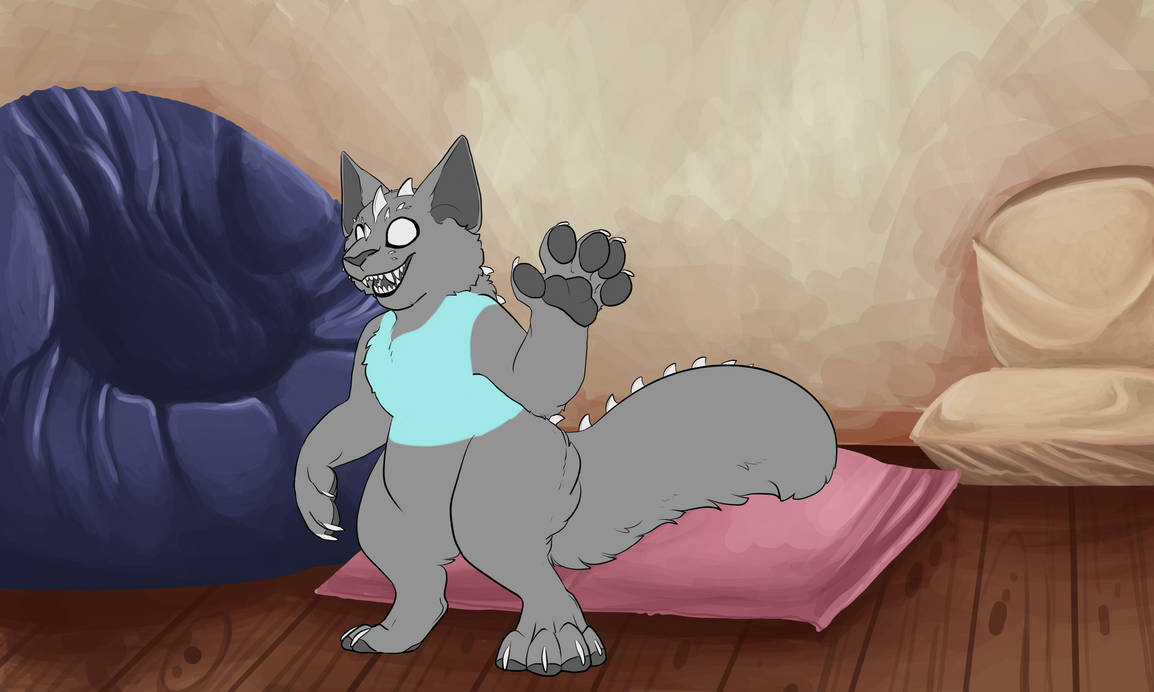
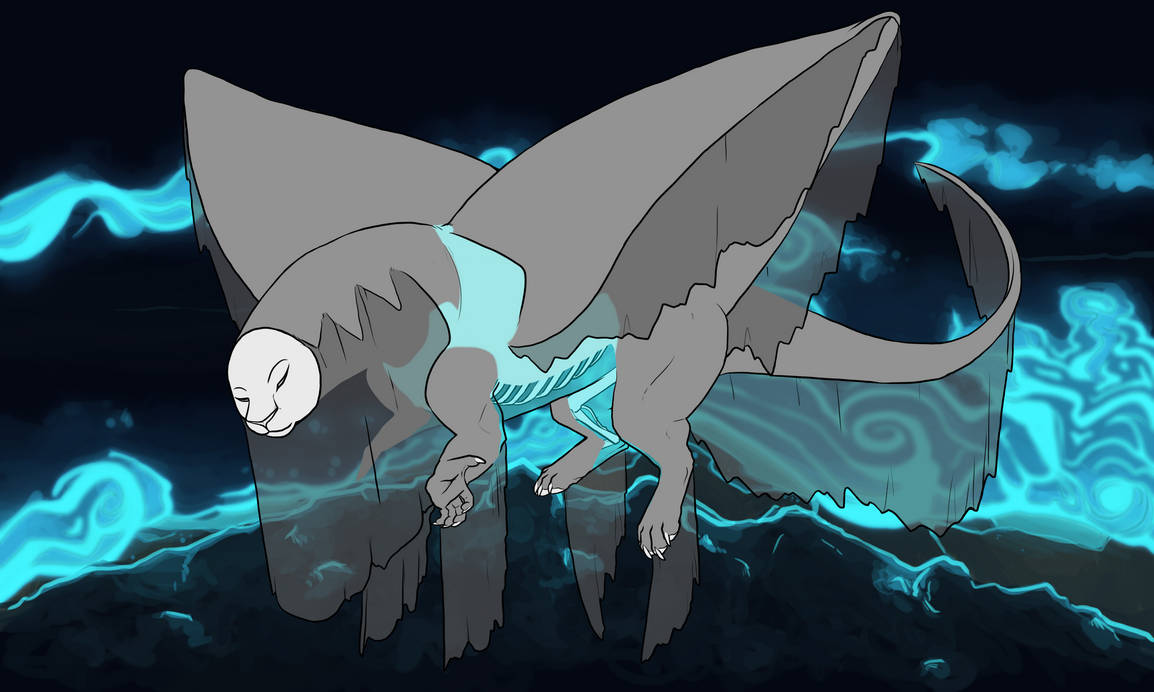

- Vest may be any color, and may display up to two colors within the marking, which may be blended together.
- Vest does not have a restriction on edge hardness.
Examples:
Raptor (nRpt/RptRpt) (Common)
Range:
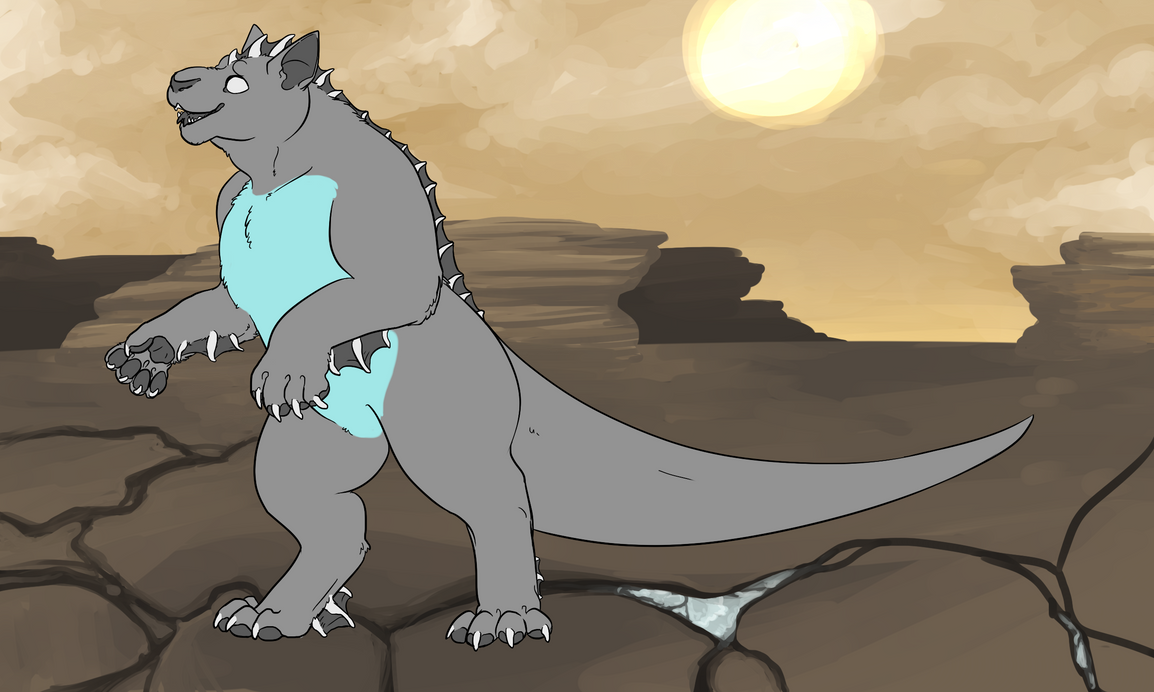
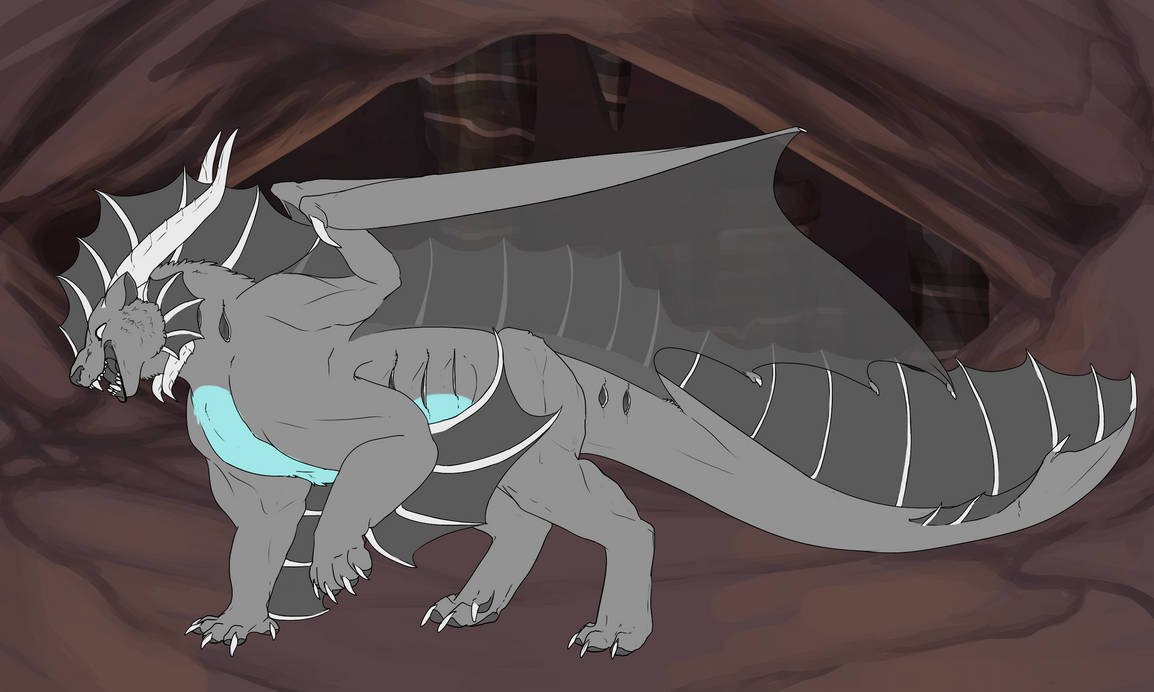
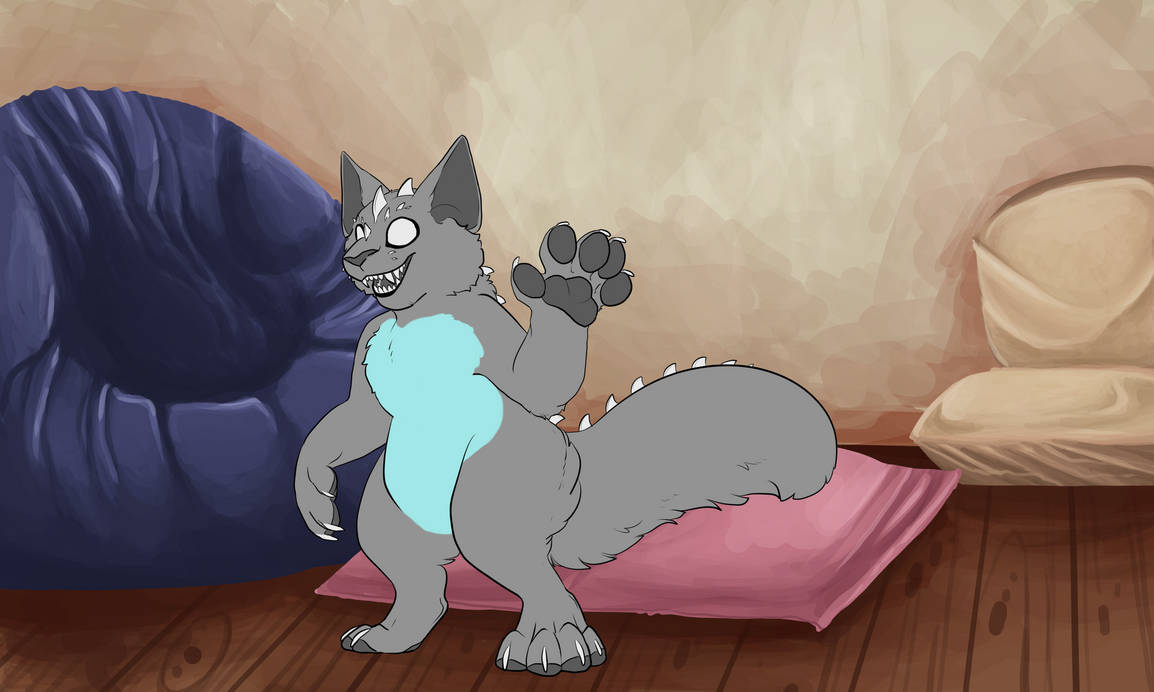
- Raptor should appear similar to the barring on the chest of any sort of hawk. Reference image is appreciated but only required for unusual and lesser-known hawks.
- The edge should generally be hard, unless the reference hawk is different (please provide reference hawk in design approvals if not hard-edged)
- Raptor barring should be darker than the base coat.
- A patch - either lighter-than-base or a light tan - is optionally allowed under the barring. It has no restriction on hardness, and additionally may have feather-like texturing at the edges. This has the same range as the barring.
Examples:
Stamped (nStp/StpStp) (Common)
- Stamped causes simple shapes to appear. There are some restrictions on these shapes - both due to previously-existing genes, and to keep the gene properly shaped and simple. These will be listed a bit later in the guide.
- Stamped should be lighter or darker than the base coat.
- It can be hard-edged or lightly textured. It should not be soft-edged or heavily textured.
- It has no minimum, but should be noticeable on the design.
- The shape can repeat, but it should be the same shape throughout the design. It can be solid or hollowed out, and you can use both of these presentations in the same design.
Shape restrictions:
The following shapes are not allowed:
- Quadrilaterals - Squares, rectangles, diamonds, and the like. These can be made with the Squared gene.
- Pentagons, Octagons, Hexagons, or similar shapes. These can be made with the Hexagon gene.
- Shapes that are solely made up of lines. (This does not mean shapes that are hollowed out - those are fine, and in fact, are an important part of this ruling!) A shape used for Stamped should be thick enough to hollow out.
Additionally, shapes should not be overly complex:

This fleur-de-lis is considered too complex. Each piece parses as a separate, unique shape of its own due to the spacing of the sides and the shape/distance of the bud from the rest of the shape.

This fleur-de-lis can be considered the maximum complexity for stamped. The shape is nice and compact and parses as a unified shape. The bud flows into everything else.
Examples:
Glitz (nGtz/GtzGtz) (Rare)
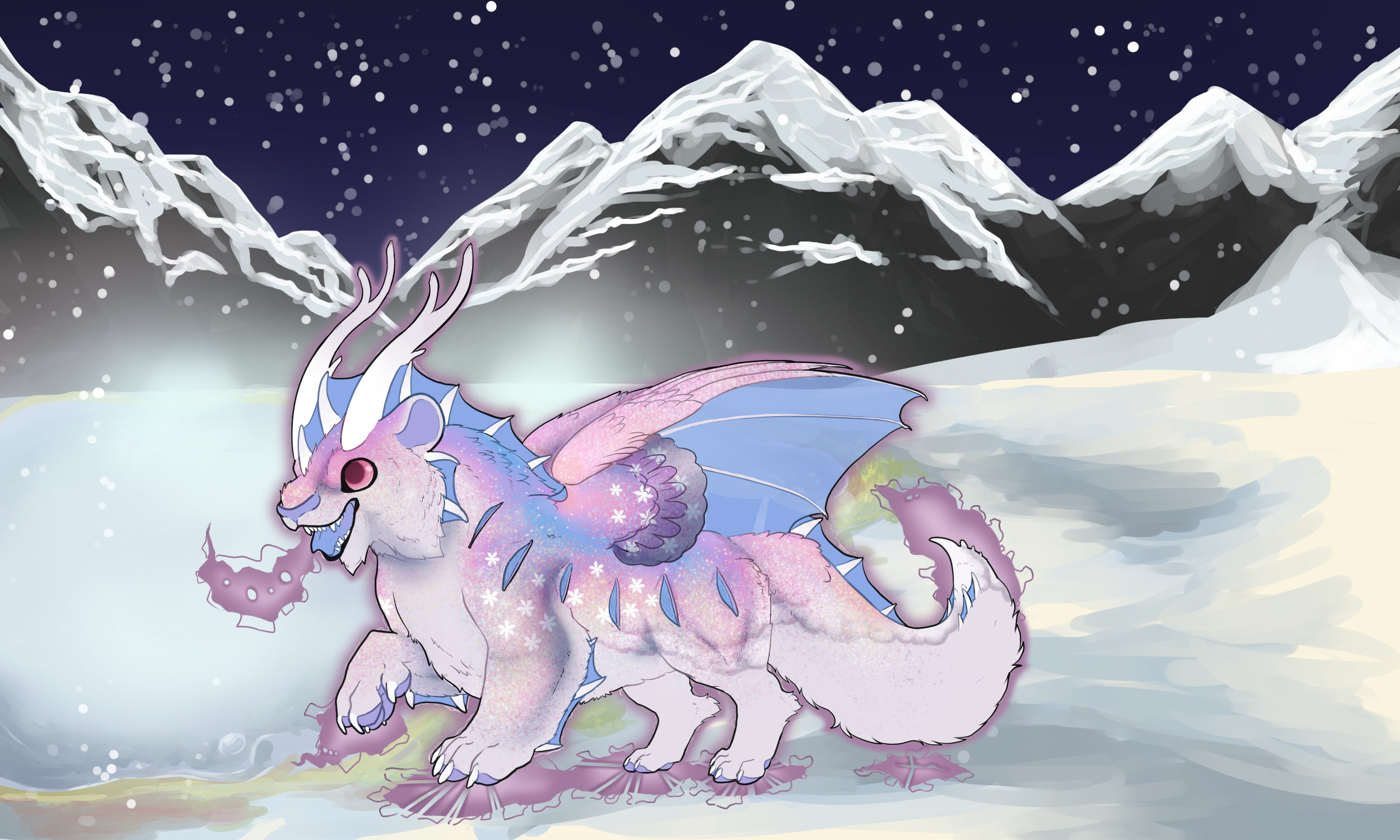
The Ixi presents with naturally glittering fur. Glitz can either present on up to 70% of the Ixi's body on its own, or restrict to any one marking. Dominant Glitz can restrict to multiple markings.
- Glitz can appear across the entire body of the Ixi like an iridescent effect, or cause any marking to become glittering. Dominant Glitz can affect multiple markings.
- While it isn't quite an edge hardness rule, Glitz should fade out at the edges and become less dense.
- Glitz should have a shine to it, and this shine should follow a chosen light source like iridescence would. The glitter should become darker and flatter the further away from the light it is.
- Glitz can be any color, and generally multiple colors are required to make the effect work.
- Color-modifying genes (eg. Horizon, Glitter) cannot be applied to Glitz (sorry for the lack of glitter glitz), and it will override genes that change all colors on the Rixixi like Prismpitch. However, it will need to appear pastel on Albinism if it is made visible.
Unlike most Rixixi genes, a glitter brush is likely necessary to make Glitz. You will probably get a repetitive motion injury doing it manually. Here are some brushes you can use, if your preferred program isn't listed here or you have a brush you think is useful to know about, let us know!
- Photoshop: 20 Sparkler PS Brushes abr. Vol.8 | Glitter Photoshop Brushes
- Medibang: Colorful Glitter Brush | Glitter Brushes
- Clip Studio Paint: Glitter Brush (반짝이 브러시) | Soft Glitter Effect Brushes
- Krita: Sian's Brush Pack (from admin pawstepsinthesnow)
If you're not familiar making glitter, or you need a refresher, a lovely tutorial can be found here!
Examples:
Red Glow (+RedG) (Non-Passable)
Can display in one of two ways: The entire Rixixi takes on a red color, with the markings still visible, OR a red color modifies as many markings as the designer desires.
Red Glow is classed as Non-Passable, and is only passable in breeding with the Body Glitter skill.
It is obtained via the Gemcrafted Shard - Red Glow item.
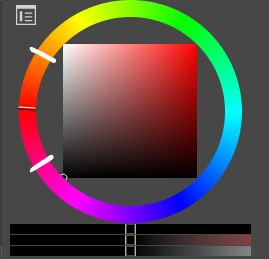
Red Glow can modify the base coat to any shade of red. Any hue in the following range can be used, at any value or saturation except complete grayscale. Markings that appear lighter or darker than the base coat will appear lighter or darker than the red base, not the original base.
Alternately, the base coat can appear as normal, and Red Glow can affect any number of markings that the designer chooses.
Additionally:
- Red Glow does not have an effect on the eye color or skin tone of an Ixi.
Yellow Glow (+YelG) (Non-Passable)
Can display in one of two ways: The entire Rixixi takes on a yellow color, with the markings still visible, OR a yellow color modifies as many markings as the designer desires.
Yellow Glow is classed as Non-Passable, and is only passable in breeding with the Body Glitter skill.
It is obtained via the Gemcrafted Shard - Yellow Glow item.
Yellow Glow can modify the base coat to any shade of yellow. Any hue in the following range can be used, at any value or saturation except complete grayscale. Markings that appear lighter or darker than the base coat will appear lighter or darker than the yellow base, not the original base.
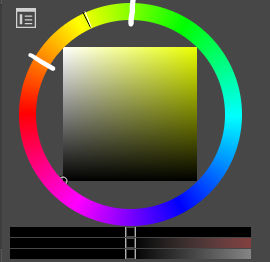
Alternately, the base coat can appear as normal, and Yellow Glow can affect any number of markings that the designer chooses.
- Yellow Glow does not have an effect on the eye color or skin tone of an Ixi.
Green Glow (+GreenG) (Non-Passable)
Can display in one of two ways: The entire Rixixi takes on a green color, with the markings still visible, OR a green color modifies as many markings as the designer desires.
Green Glow is classed as Non-Passable, and is only passable in breeding with the Body Glitter skill.
It is obtained via the Gemcrafted Shard - Green Glow item.
Green Glow can modify the base coat to any shade of green. Any hue in the following range can be used, at any value or saturation except complete grayscale. Markings that appear lighter or darker than the base coat will appear lighter or darker than the green base, not the original base.

Alternately, the base coat can appear as normal, and Green Glow can affect any number of markings that the designer chooses.
- Green Glow does not have an effect on the eye color or skin tone of an Ixi.
Blue Glow (+BlueG) (Non-Passable)
Can display in one of two ways: The entire Rixixi takes on a blue color, with the markings still visible, OR a blue color modifies as many markings as the designer desires.
Blue Glow is classed as Non-Passable, and is only passable in breeding with the Body Glitter skill.
It is obtained via the Gemcrafted Shard - Blue Glow item.
Blue Glow can modify the base coat to any shade of blue. Any hue in the following range can be used, at any value or saturation except complete grayscale. Markings that appear lighter or darker than the base coat will appear lighter or darker than the blue base, not the original base.

Alternately, the base coat can appear as normal, and Blue Glow can affect any number of markings that the designer chooses.
- Blue Glow does not have an effect on the eye color or skin tone of an Ixi.
Colorpitch (+ColPit) (Non-Passable)
Can display in one of two ways: The entire Rixixi takes on a gradient the color of colorpitch, OR as many markings as the designer desires can become the color of colorpitch. Additionally, the blood of the Ixi turns to colorpitch itself.
Colorpitch is classed as Non-Passable, and is only passable in breeding with the Body Glitter skill.
It is obtained via the Gemcrafted Shard - Colorpitch item.
Colorpitch uses its own sliders.
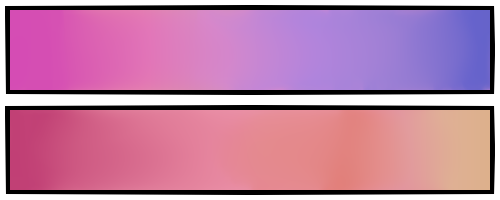
- These rules can be overridden by some modifiers, see below.
- You can alter the base coat OR any amount of markings.
- If altering the base coat, please make a gradient between two spots on the swatches - this can be a subtle gradient, but it should be visible to the eye. Markings darker/lighter than the base coat work as normal, and can change color over the gradient. Markings that can be any color work as normal. If the Gradient marking is present, 3 spots from the swatches can be picked for the base coat gradient.
- If altering any markings instead of the base coat, please make a gradient between two spots on the swatches and blend across the marking, regardless of the marking’s original color rules. If altering multiple markings, please use the same colors to gradient between for all of them.
Additionally:
- Colorpitch does not have to affect skin tone.
- Colorpitch has no effect on eye color.
- Colorpitch turns blood into Colorpitch itself. See below for blood display rules.
- Skypunch displays over Colorpitch and cannot be altered by it.
- Modifiers and Color Mutations work normally on Colorpitch, except for Erythrism:
Erythrism + Colorpitch: A gradient between hot pink to creamy orange can be used. This is optional - Colorpitch and Erythrism can simply override each other, or one mutation can take the base coat and the other can take the markings, etc.
Blood Color
The gene Colorpitch turns Ixi blood into the item Colorpitch.
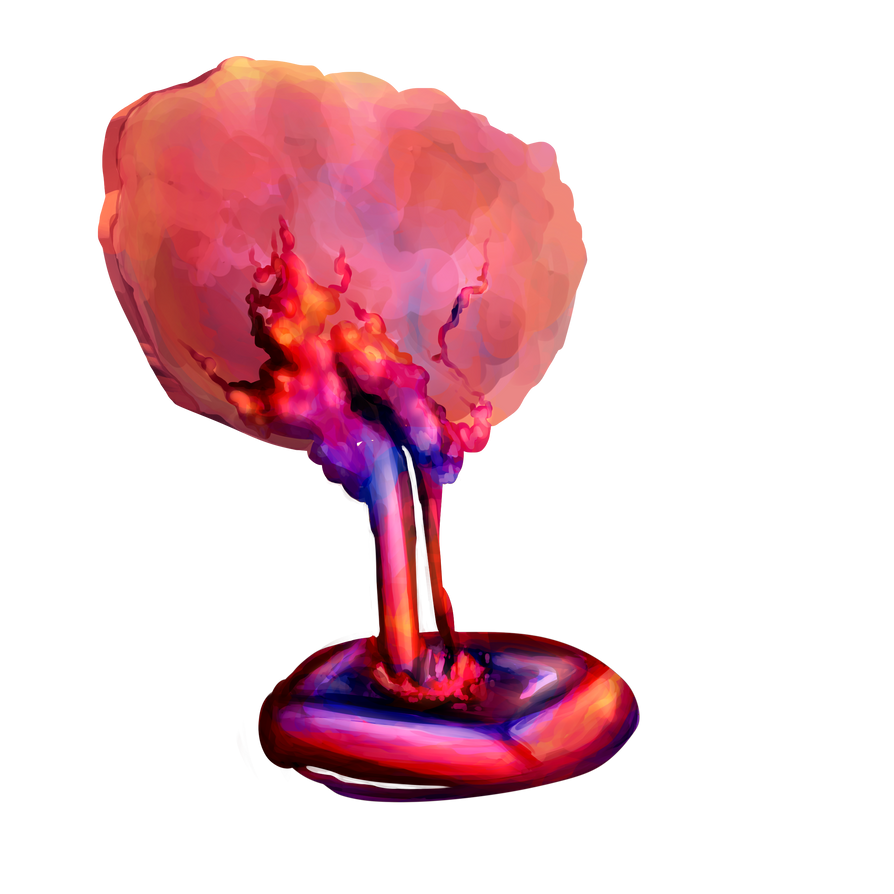
Blood color should be pulled from this item or take very similar tones. If no markings that display blood color are present, blood color can still display on “blush zones”:


Range for blush zones.
- Must be the color of the colorpitch item, and can be a gradient. Does not have to be colorpicked/eyedropped.
- If markings/mutations that involve blood/flesh color are present (such as Daggerstabbed, Wide Vents, and so on), Colorpitch should affect at least one of them. Can optionally affect skin, frills, etc.
Gemcrafted genes do not pass to offspring without the Body Glitter skill. They cannot be dominant, and cannot be added with geno-editing items other than their own shards. When passable, Gemcrafted genes pass at an Uncommon rate.
Skink (nSki/SkiSki) (Rare)
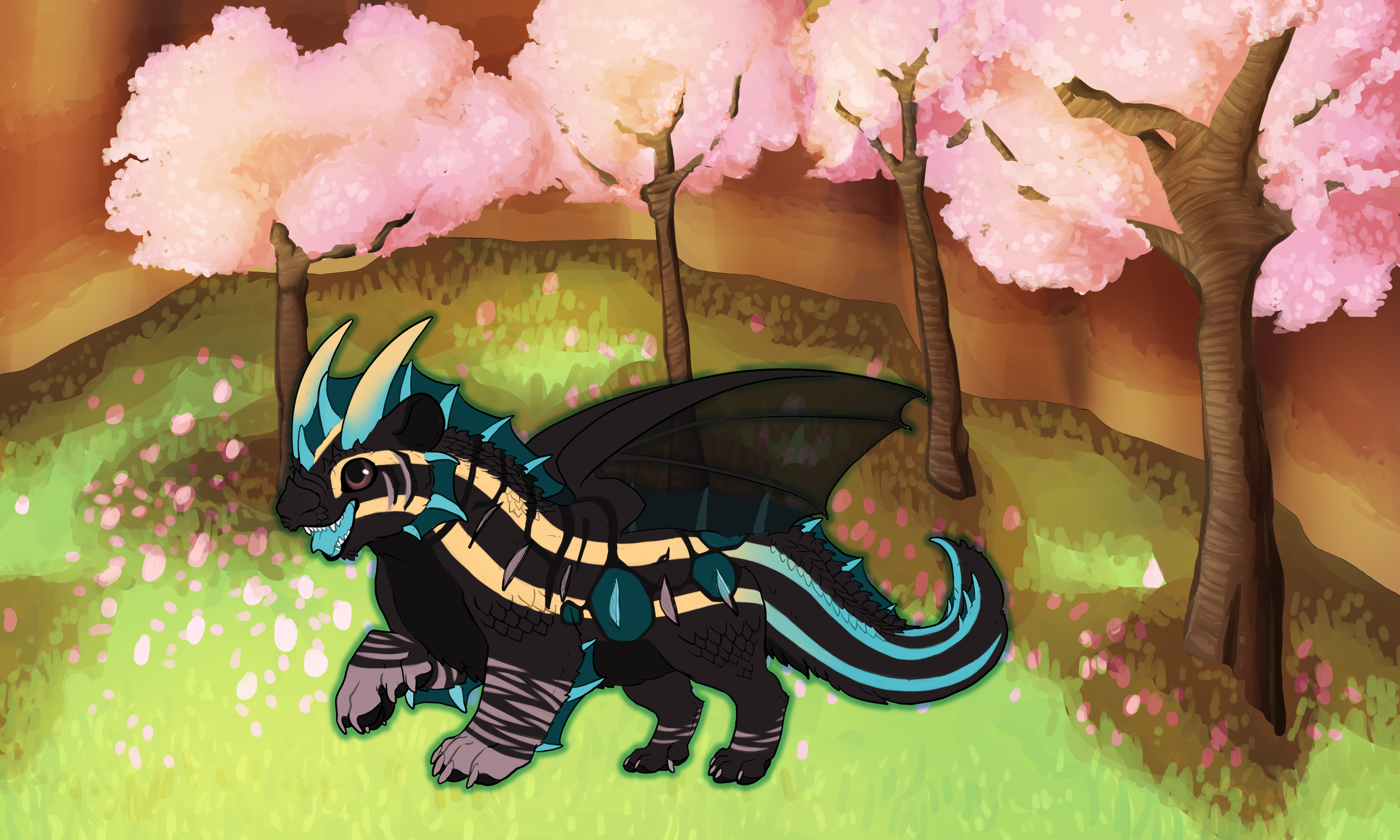
- Skink must flow in the direction of eye to tail. It does not have to touch the eye or the tail, this is simply the direction it must flow. Skink can start and stop anywhere on the side, but each stripe should consist of a single unbroken line, not multiple bars in a row.
- You can have as many Skink stripes as you want from back to underbelly, and as many as you want going down the legs.
- Skink can be the color of any one or two base coats. The two colors can be gradiented together, or can be separate colors on separate stripes.
- Dominant Skink may be three colors - similar to recessive Skink, this may be gradiented together or three separate colors on separate stripes.
- Edge may be hard, textured, or somewhat soft. It should not be fully blended out.
Examples:
Chain (nChn/ChnChn) (Uncommon)
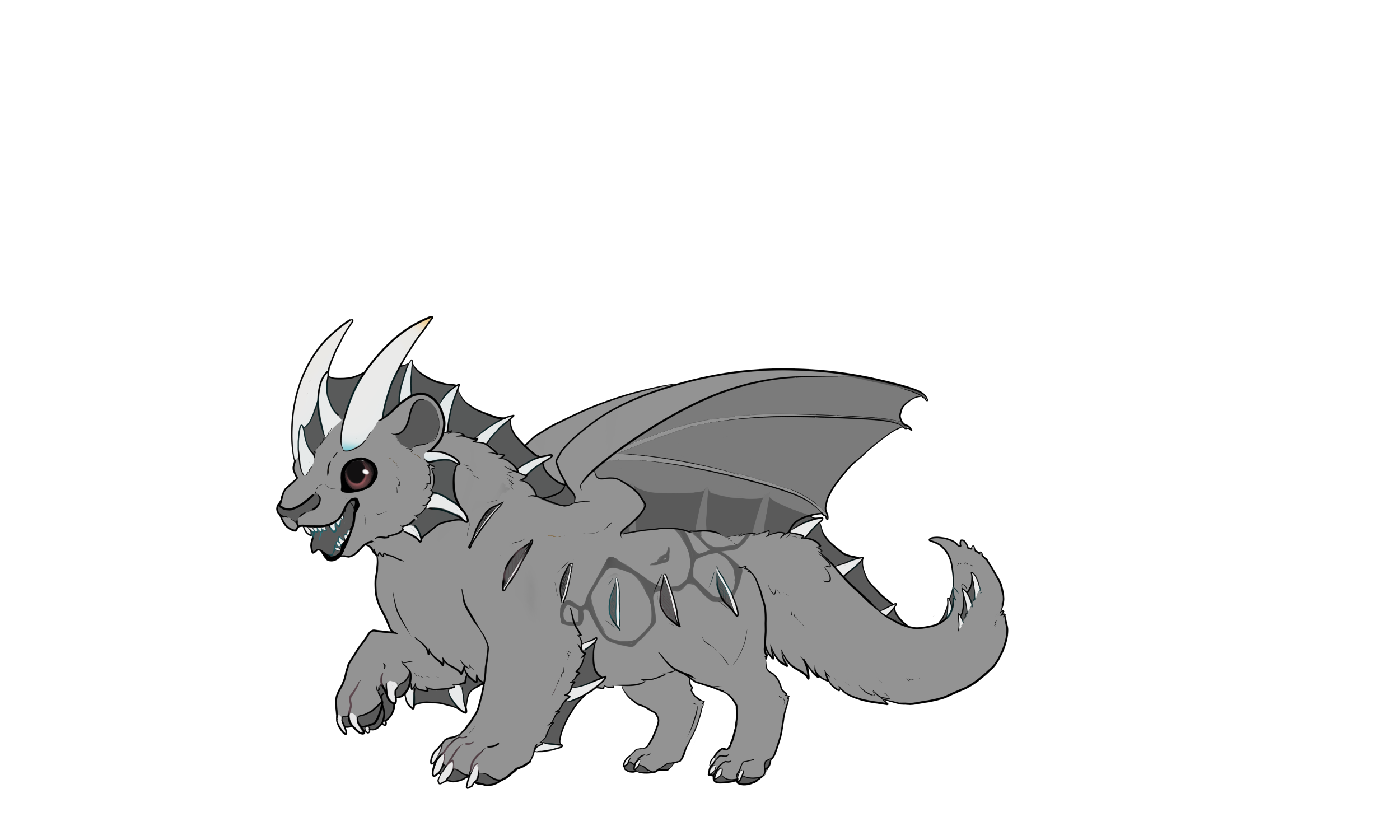
A dark, hard-edged marking of connected, geometric hollow blobs.
- Chain must be darker than the base coat. It is typically hard-edged.
- Chain is made up of semi-random hollow geometric markings, more rounded and random than what would be found in the Hexagon marking. They should connect together, whether by more geometric markings or by lines. These should be similar to the markings found on the Chain Catfish.
- If an Ixi has both Chain and a spot marking, such as Inkblot, Cowspot, or Koi, the spot marking can fill in the Chain marking, regardless of the size requirements of the original spot marking.
- It has no maximum and can cover the full body if desired. It has no minimum, but should be noticeable on the design.
Examples:
Lycaon (nLyc/LycLyc) (Rare)
- Lycaon is a double-layered marking. Other markings on the Rixixi should not appear 'between' the top and bottom layers of Lycaon. The bottom layer of Lycaon should be black or off-black (appearing black on the Rixixi's base). The top layer of Lycaon may be any color. The top layer of Lycaon must stay within the bottom layer and cannot touch or go outside the edge of the bottom layer.
- Lycaon is made up of hard-edged spots scattered around the Rixixi. They can be a mix of large and small spots, but there should be large spots present. The black portion of Lycaon should cover between 30% and 60% of the Rixixi (there is no minimum on the coverage of the any-color spots, but it must be below 60% as it has to stay within the black spots.)
- Recessive Lycaon can have one color in the any-color spots. Dominant Lycaon may have two colors, which can be in separate color blocks or gradiented together.
- Markings like Glitter, Lunar, Horizon, and so on can alter the color of the black spots. Splash can add a base coat gradient to either the black spots or the internal any-color spots.
Examples:
Oil Paint (nPnt/PntPnt) (Rare)
- Oil Paint should generally be an at least slightly irregular shape, but still be recognizeable as a large spot.
- Recessive Oil Paint may be any base color, and should be iridescent. Dominant Oil Paint may be up to three base colors, which can be separated into different spots, gradiented together, or blended in a more textured manner. It should still be iridescent.
- The spots can appear anywhere on the body. As they are large, they should appear on a minimum of roughly 30% of the body and a maximum of roughly 70%.
- If markings appear above Oil Paint, they can be color-shifted where they touch the spots - it must still follow the marking's color rules, however! With modifier markings like Glitter and Lunar, this can result in an entirely different modifier color being present on the spots than the color present on the main body.
Examples:
Ventspots (nVt/VtVt) (Uncommon)
Spots that look like a Rixixi's breathing vents dashed along the sides. May be bioluminescent. May actually color the breathing vents.
- Ventspots may be any color, and may optionally be bioluminescent.
- There is not a true strict range for Ventspots, but they should generally appear around the area where a Rixixi's breathing vents would be found. Going slightly up or down from this is absolutely fine. Going down the tail or onto the face is fine.
- Ventspots may be horizontal instead of vertical. Wide Vents do not have to be horizontal to match this if present.
- Ventspots may encircle Wide Vents if the mutation is present, or on Primal/Dwarf Primal Rixixi.
- Ventspots may optionally color only the Wide Vents if the mutation is present, or on Primal/Dwarf Primal Rixixi.
Examples:

Aura (nAu/AuAu) (Common)
A colorful sheen over the frills, spines, pawpads, and other similar areas of a Rixixi.
Range:
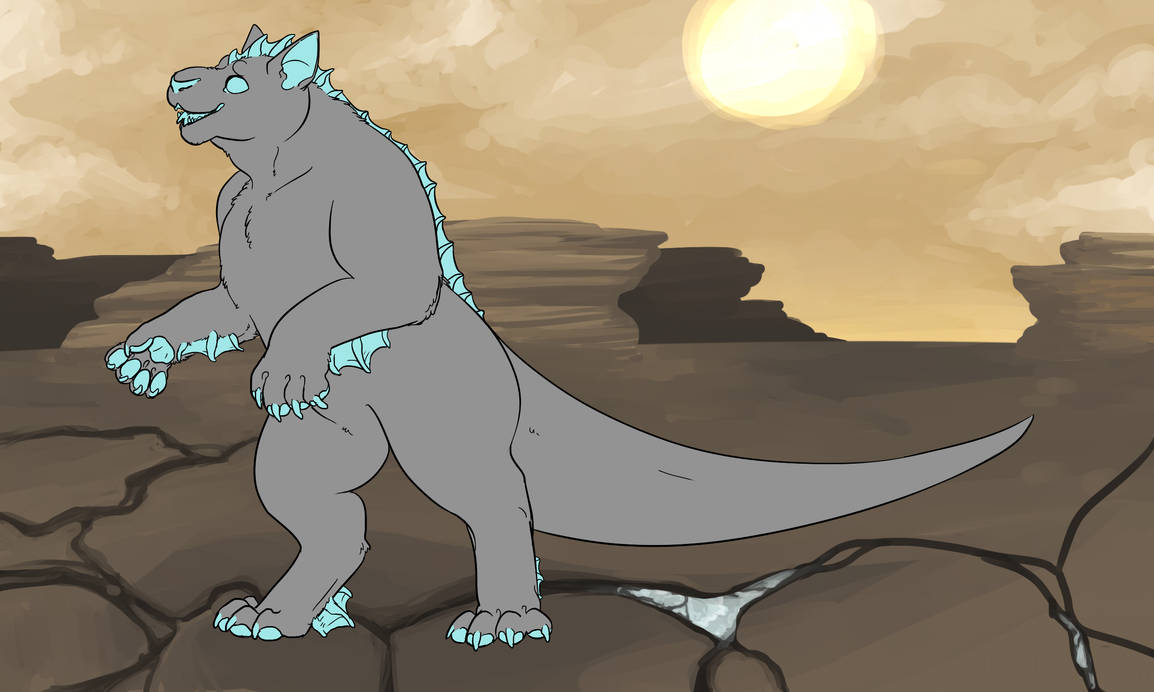
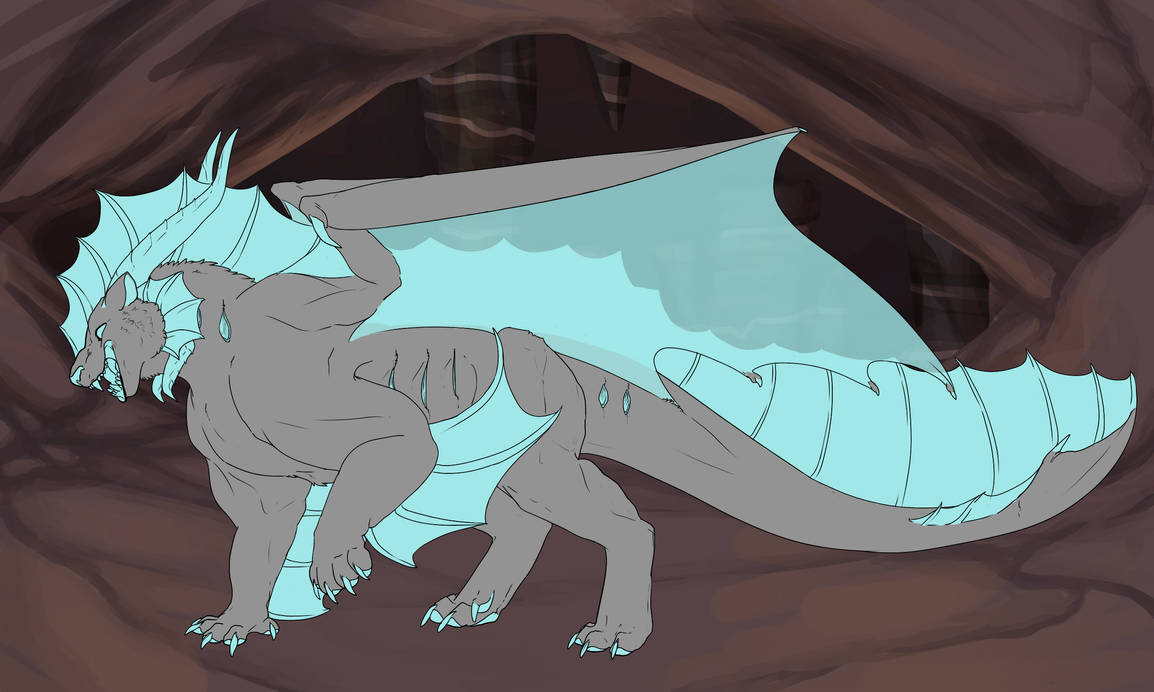
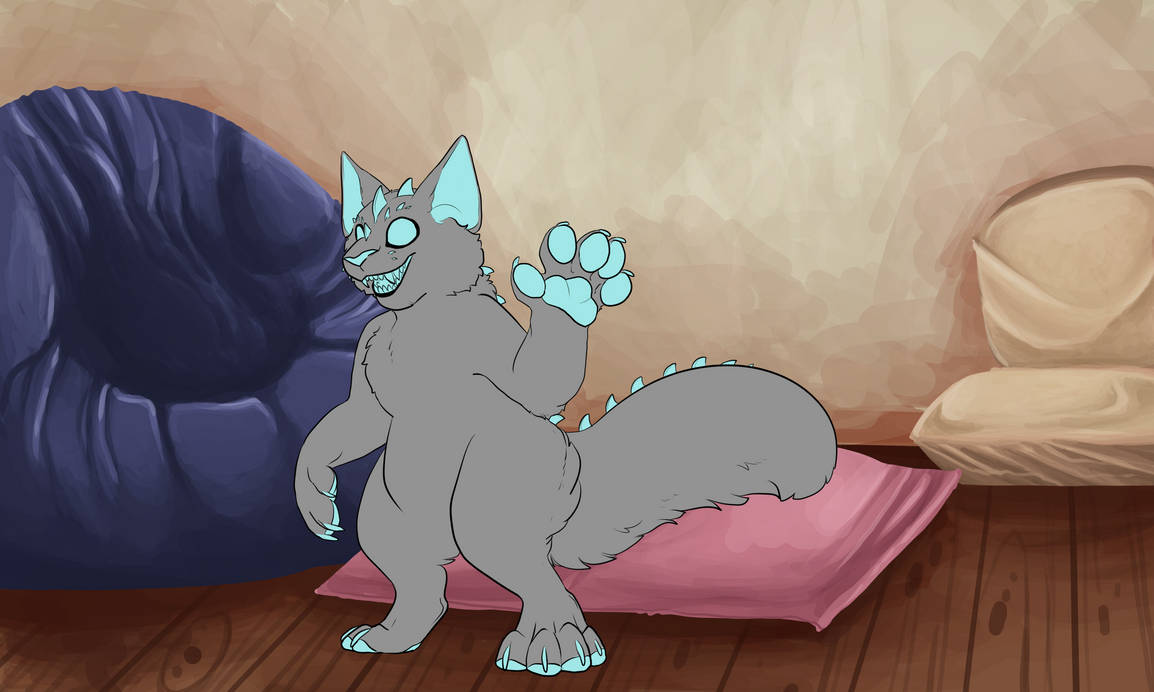

- Aura should add a layer of iridescence to the horns, nails, frills, skin, eyes, and/or teeth of a Rixixi. Skin and eyes should be less affected than harder materials, but still may be. Unlike with Flourish, the horns/nails/skin/etc will maintain their original color, however, iridescence will be applied on top of it.
- Applying multiple effects layers such as Overlay and Linear Dodge is recommended. Layer effect names will depend on your program.
Examples:
Rainstreaks (nRn/RnRn) (Common)
Pale streaks falling down the Rixixi.
- Rainstreaks should be lighter than the base coat.
- Rainstreaks are small stripes - or streaks - that travel down the Rixixi from top to bottom. They generally follow the contours of the Rixixi and keep to relatively the same direction, though when they meet a new body part that direction can shift somewhat.
- Rainstreaks are hard-edged. The tail end of the rainstreak can be blended out.
- It has no maximum and can cover the full body if desired. It has no minimum, but should be noticeable on the design.
Examples:
Gilded (nGild/GildGild) (Uncommon)
- Can be the color of any metal, such as gold, silver, copper, bronze, etc. Uncommon metal colors are allowed, it's recommended to list what metal you referenced if it might not be immediately clear!
- Gilded presents typically as mostly-shapeless blobs or simple gradients, and can appear anywhere on the body, but should cover a maximum of 50% of the total body space including mutations. Gilded should generally be soft-edged or textured-edged. Gilded can have the same shape as simple markings, such as Sable, Pangare, Gradient, and Points, but should not take on the shape of complex markings like Tabby.
- Gilded may have a metallic sheen, gradient, and/or glitter texture to it.
- To avoid confusion with Forgeblood, Gilded should not present exclusively on blush zones, which are visible in the Forgeblood guide.
Examples:
Kintsugi (nKt/KtKt) (Rare)
Creates crackles across the body of the Rixixi, including large jagged pottery cracks, both filled with color. Dominant Kintsugi can go overtop of color mutations.
- Kintsugi can be any color, and may display up to two colors within the marking, which may be blended together. It may have a glittering texture. Dominant Kintsugi also uses two colors maximum, but may optionally display above and unaffected by color mutations like Albinism and Bicolor if desired.
- It should appear as two combined shapes: a streak of color that branches off, as if making a "crack" or "lightning bolt" shape, and also a jagged, geometric spot, like a broken piece removed from the Rixixi and filled in with color. Parts of the marking may resemble Groundbreaking without having to attach to a larger spot as long as these larger pieces do exist.
- It should be hard or textured-edged.
- Kintsugi does not have a maximum or minimum but must be clearly recognizeable.