Traits
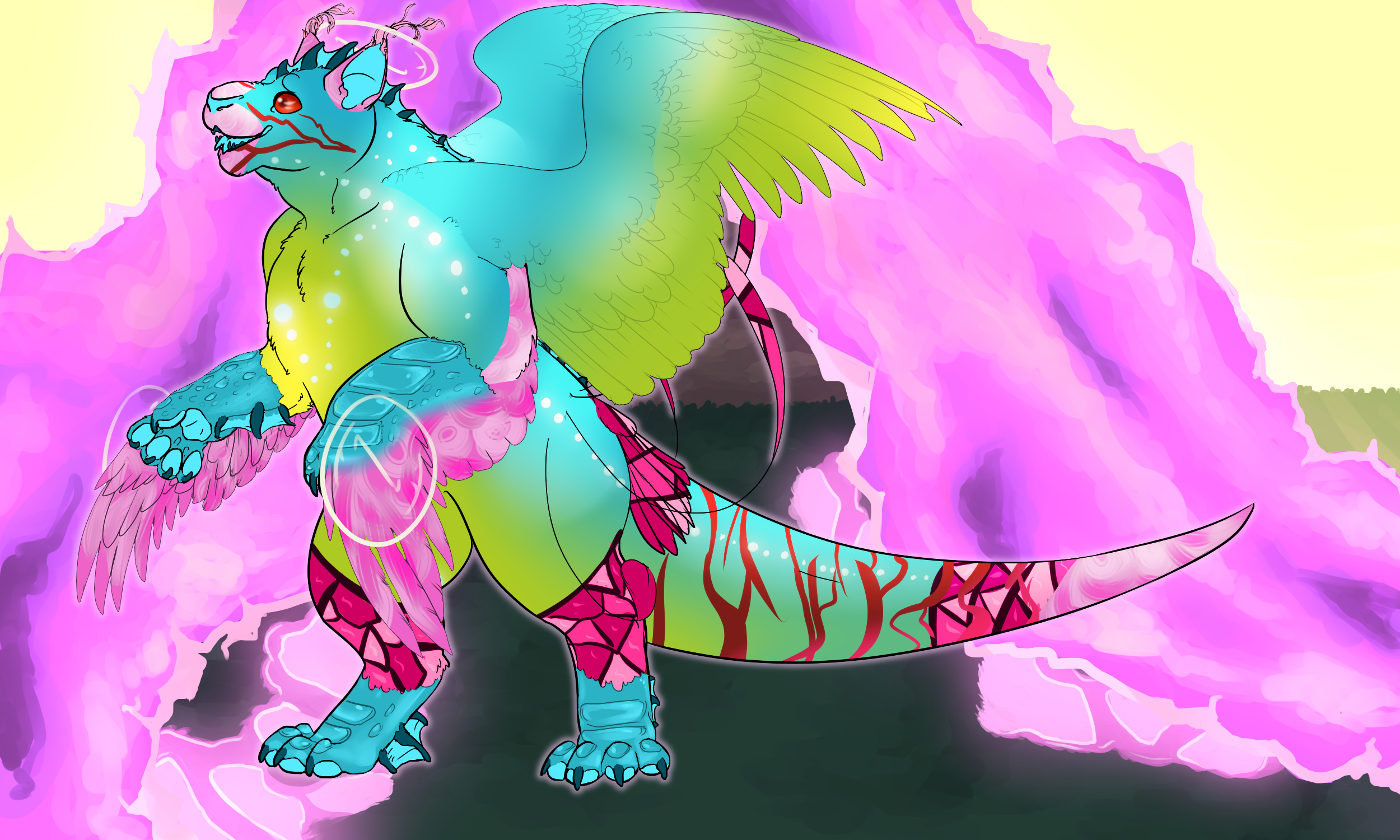
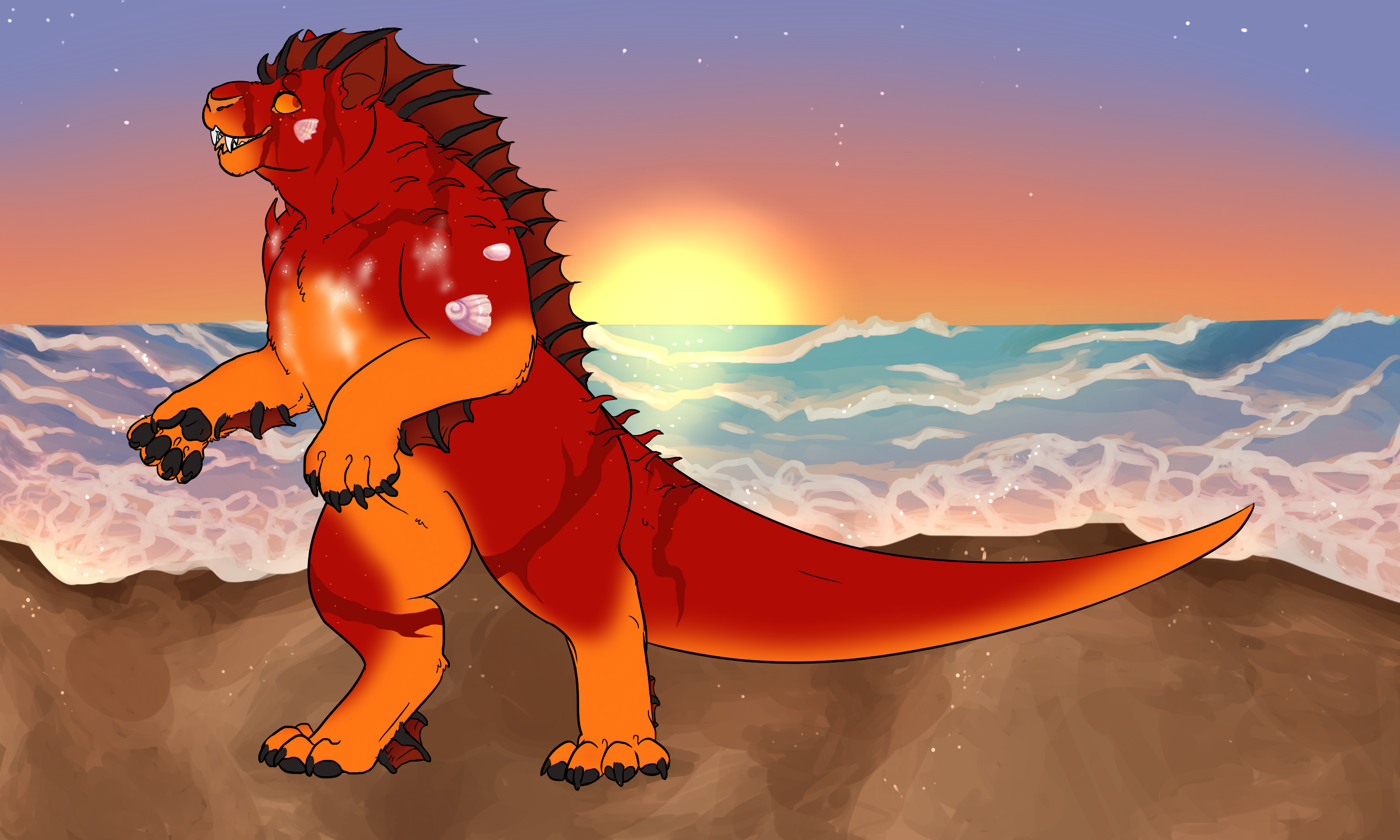
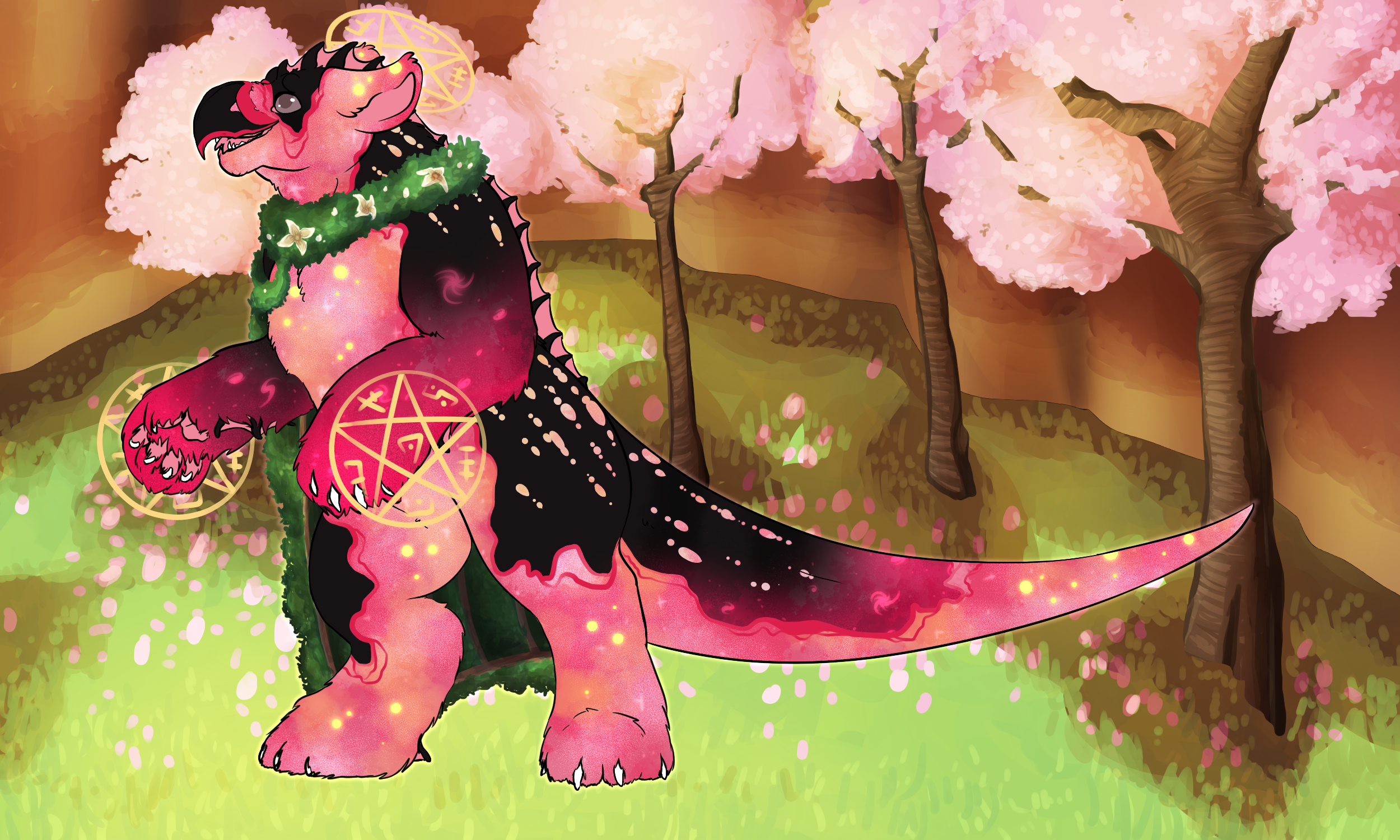
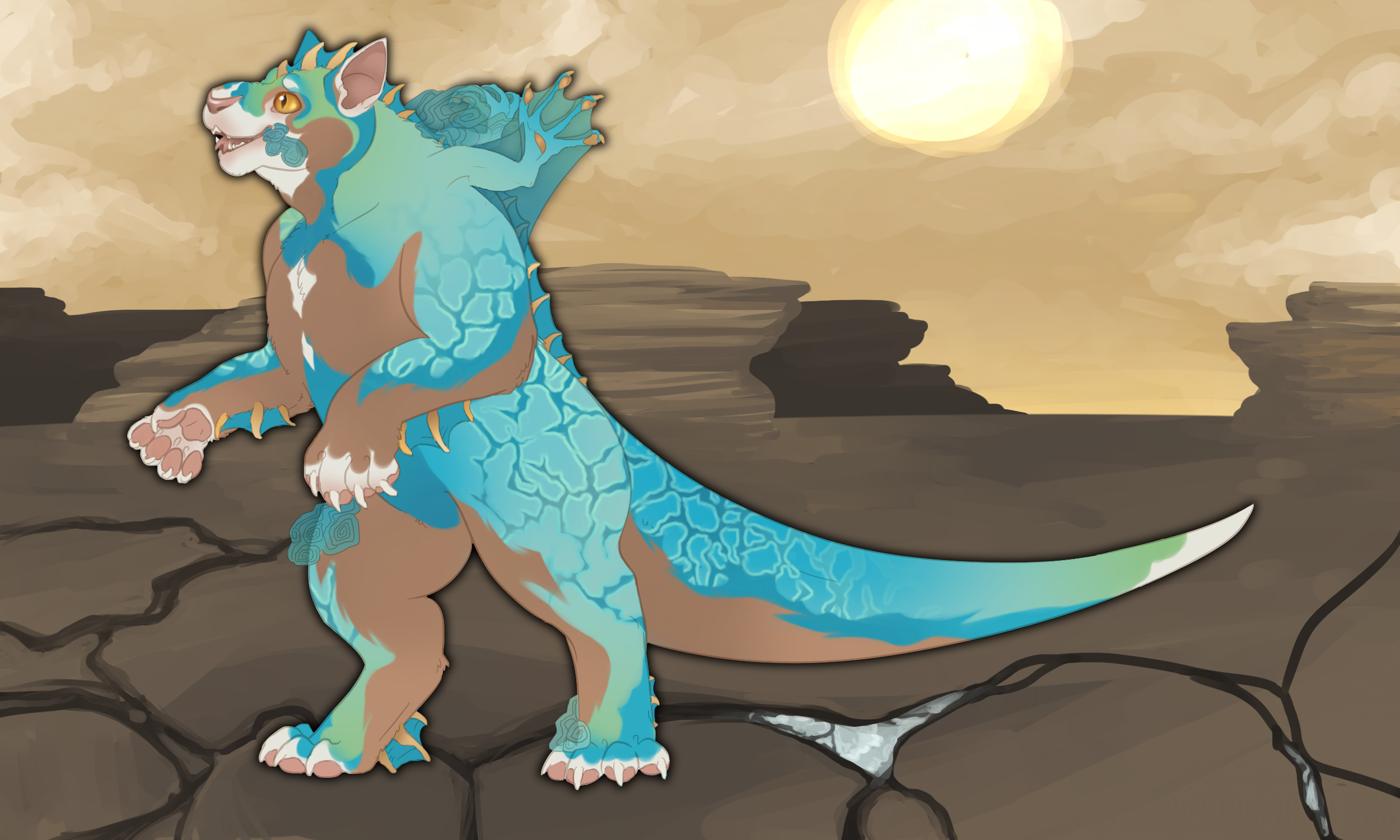
Groundbreaking (nGbk/GbkGbk) (Common)
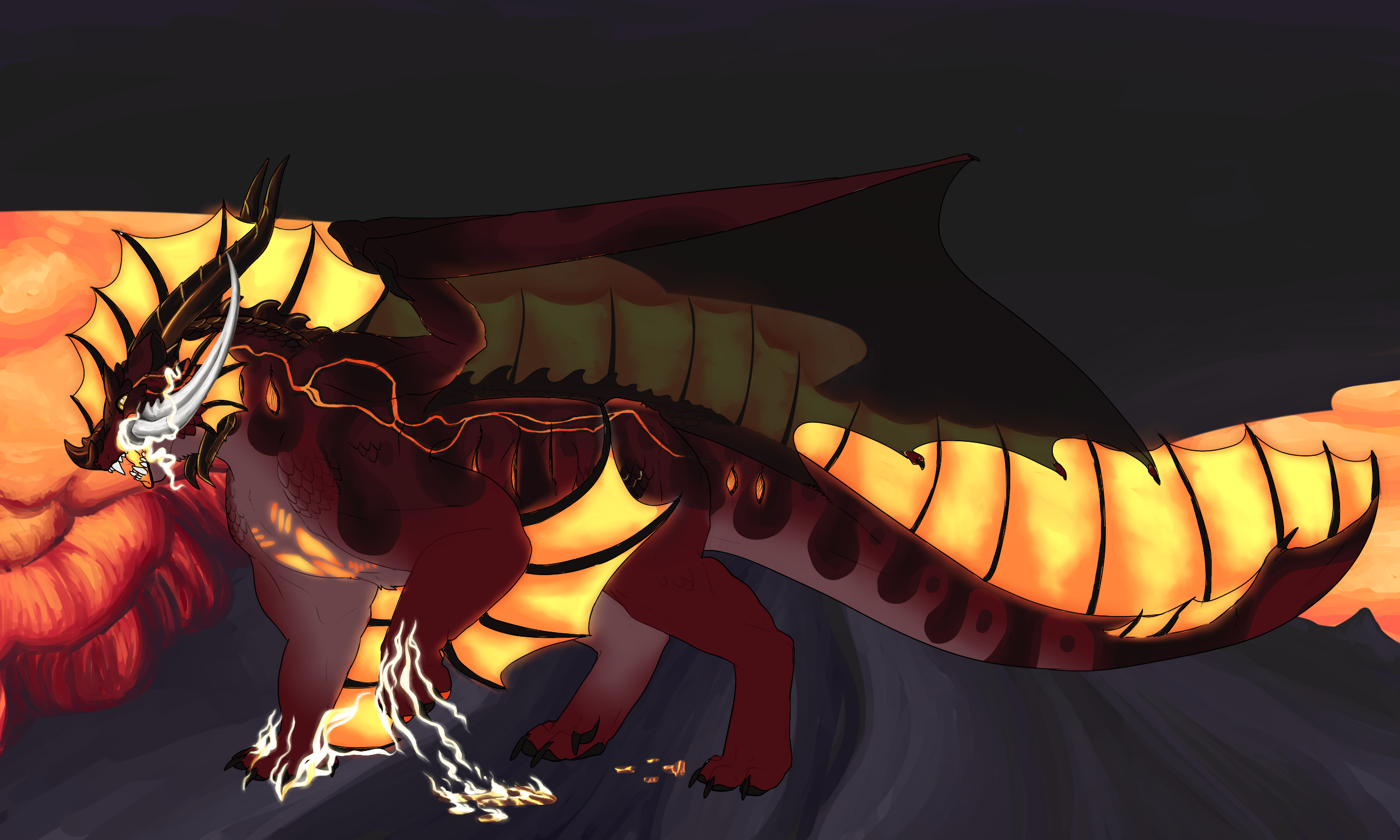
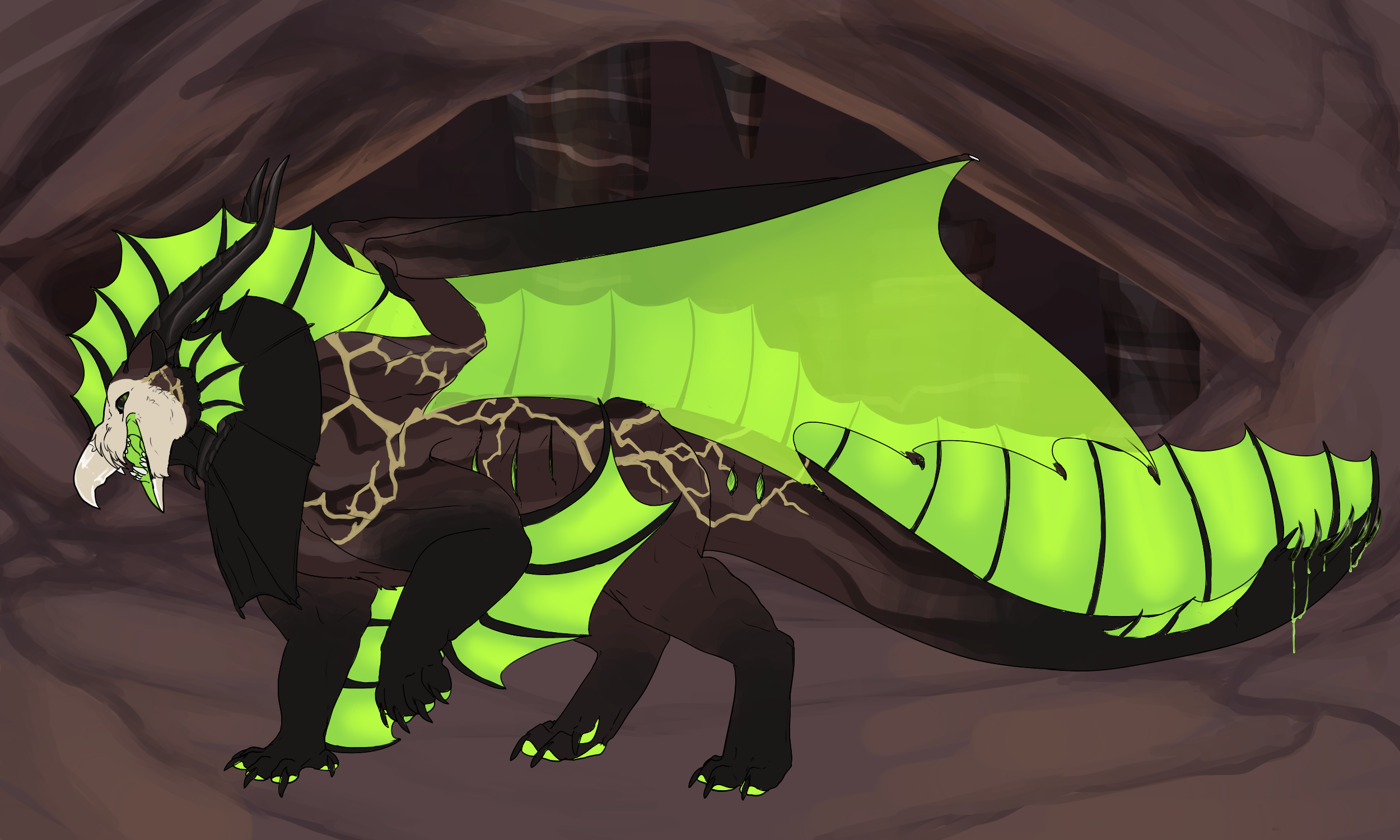
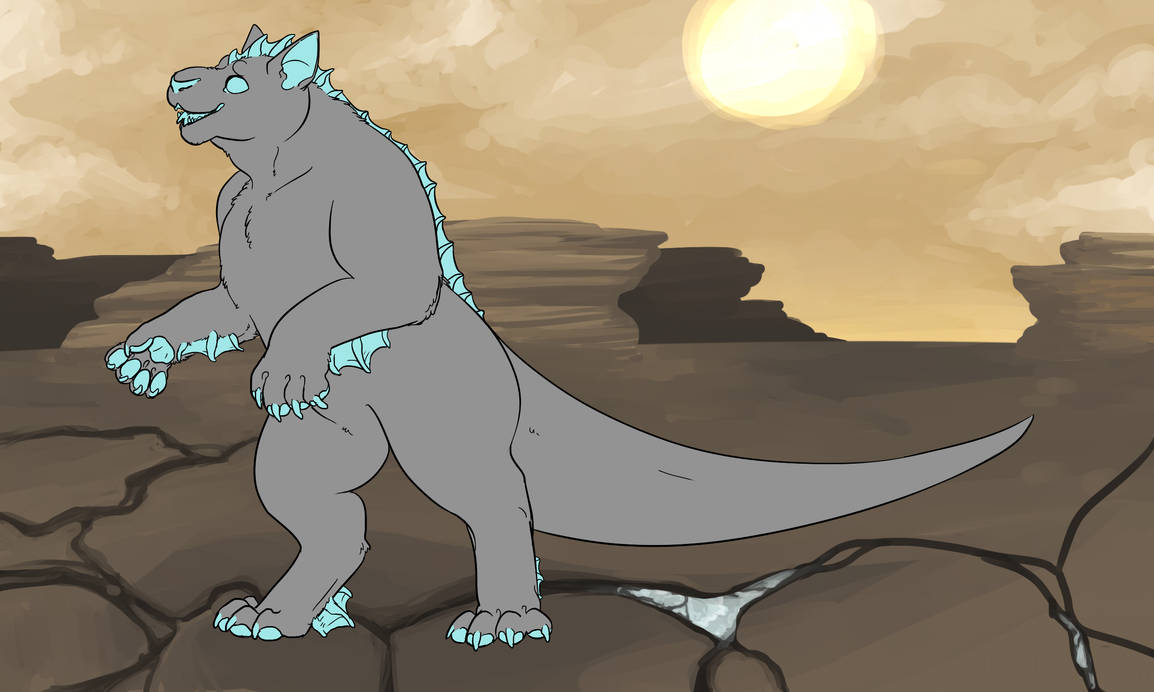
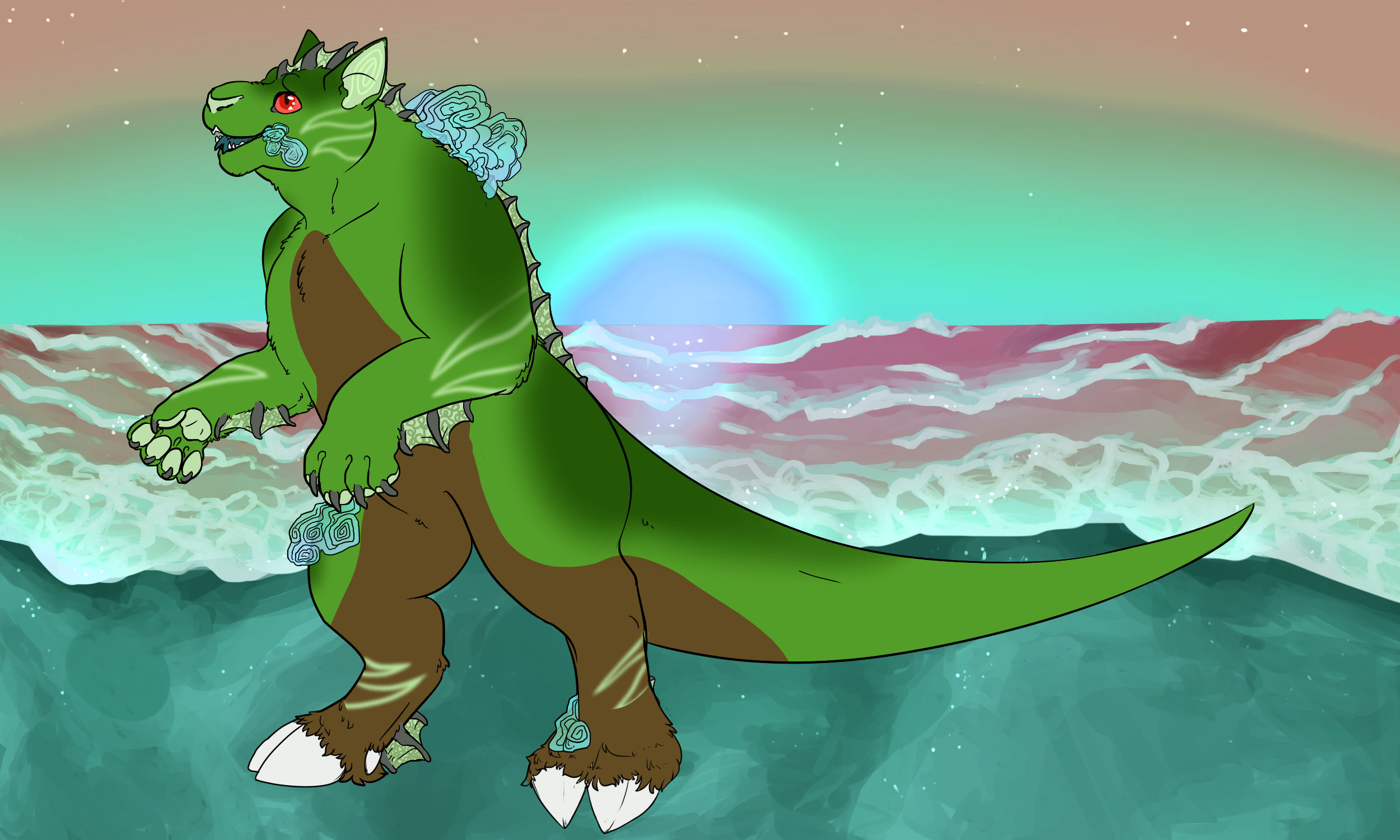
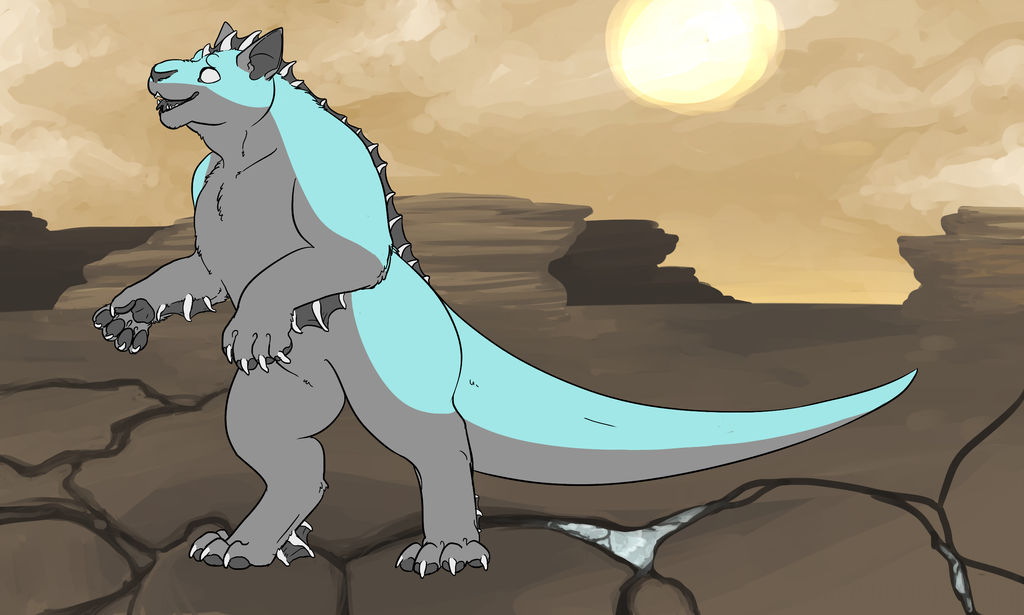
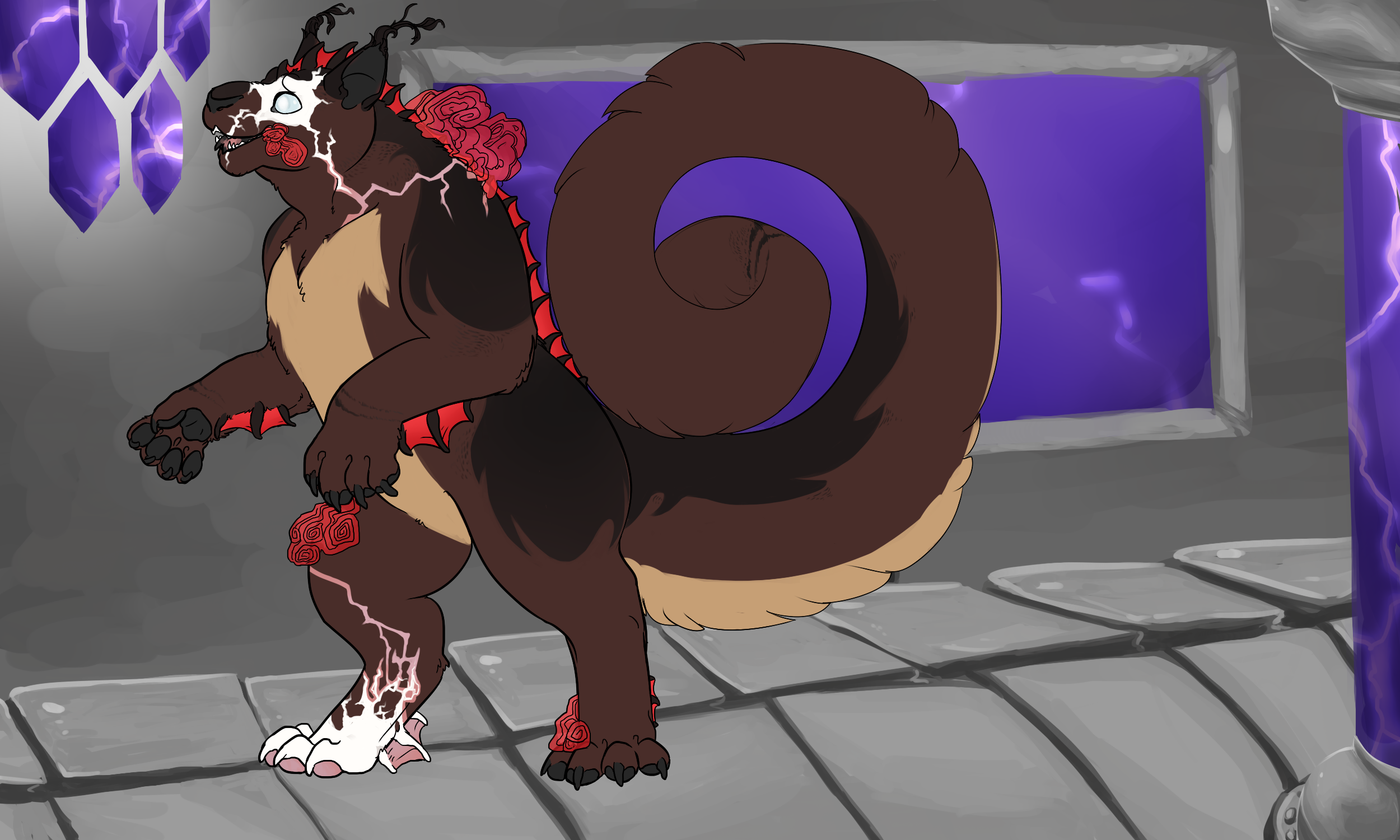
Creates crackles across the body of the Rixixi, in any color, including bright ones. Can be two-toned.
- Groundbreaking can be any color, and may display up to two colors within the marking, which may be blended together.
- It should appear as a streak of color that branches off, as if making a "crack" or "lightning bolt" shape.
- It should be hard or textured-edged.
- Groundbreaking has no minimum, and can appear on multiple places on the Rixixi's body. It should not cover more than roughly 50% of the Rixixi.
Examples:
Gradient (nGr/GrGr) (Common)
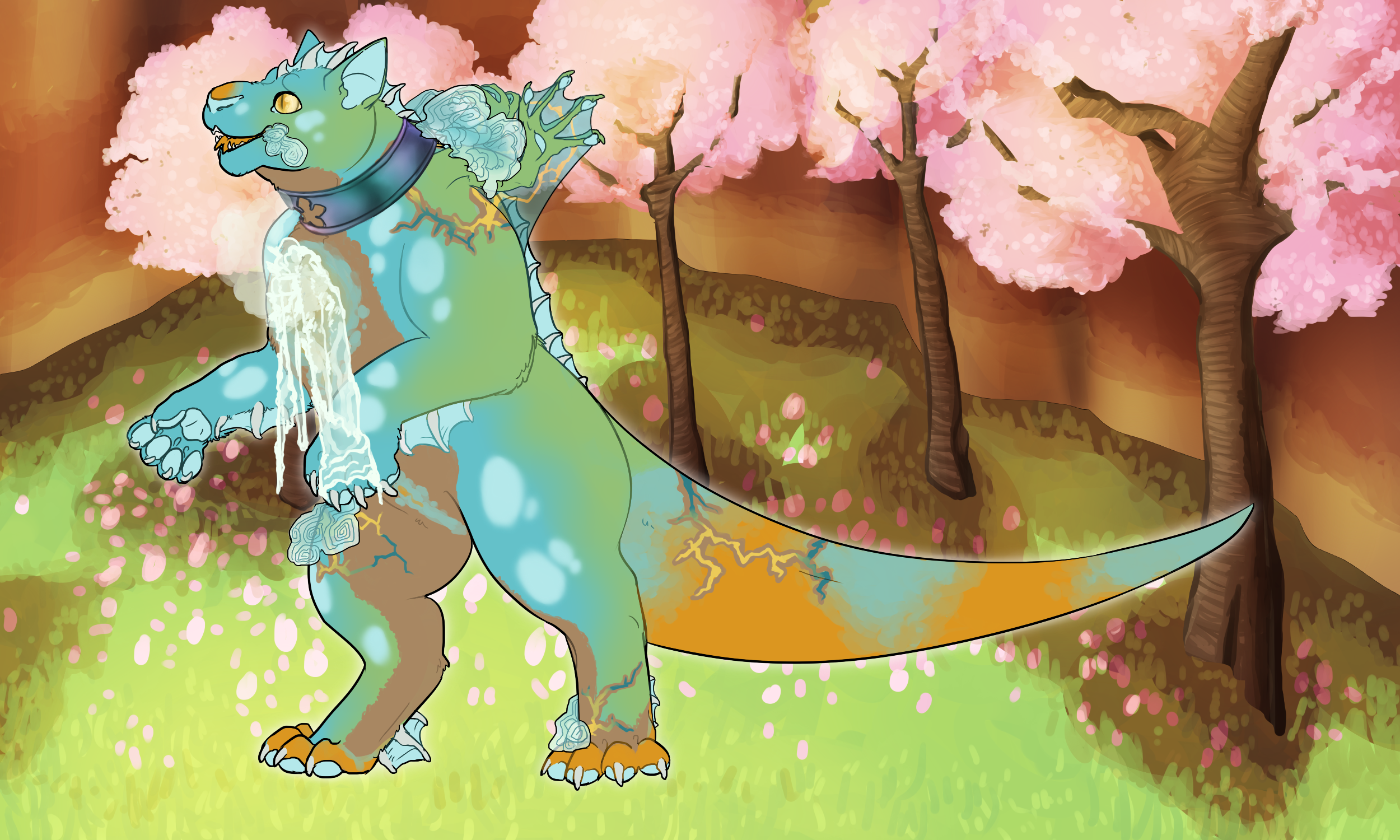
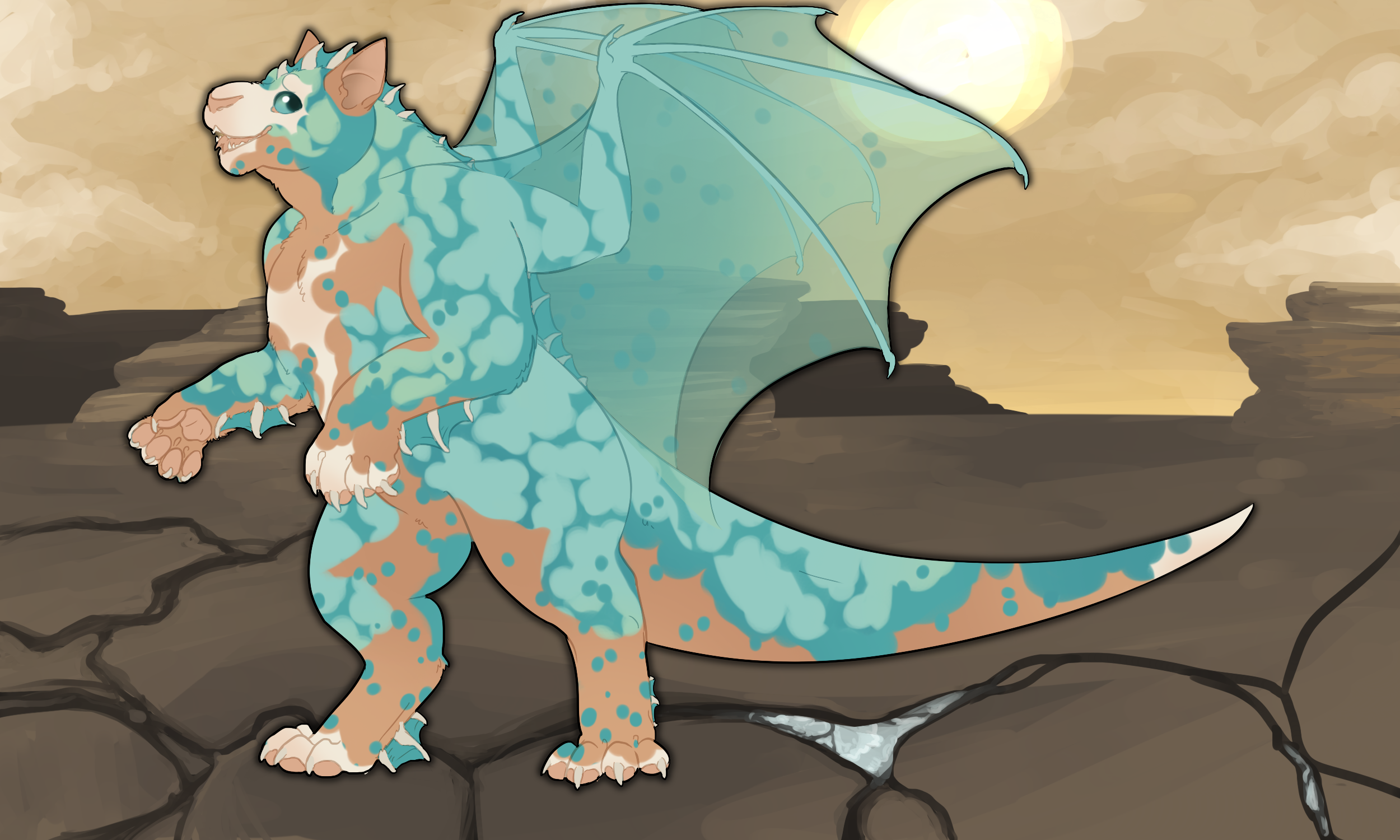
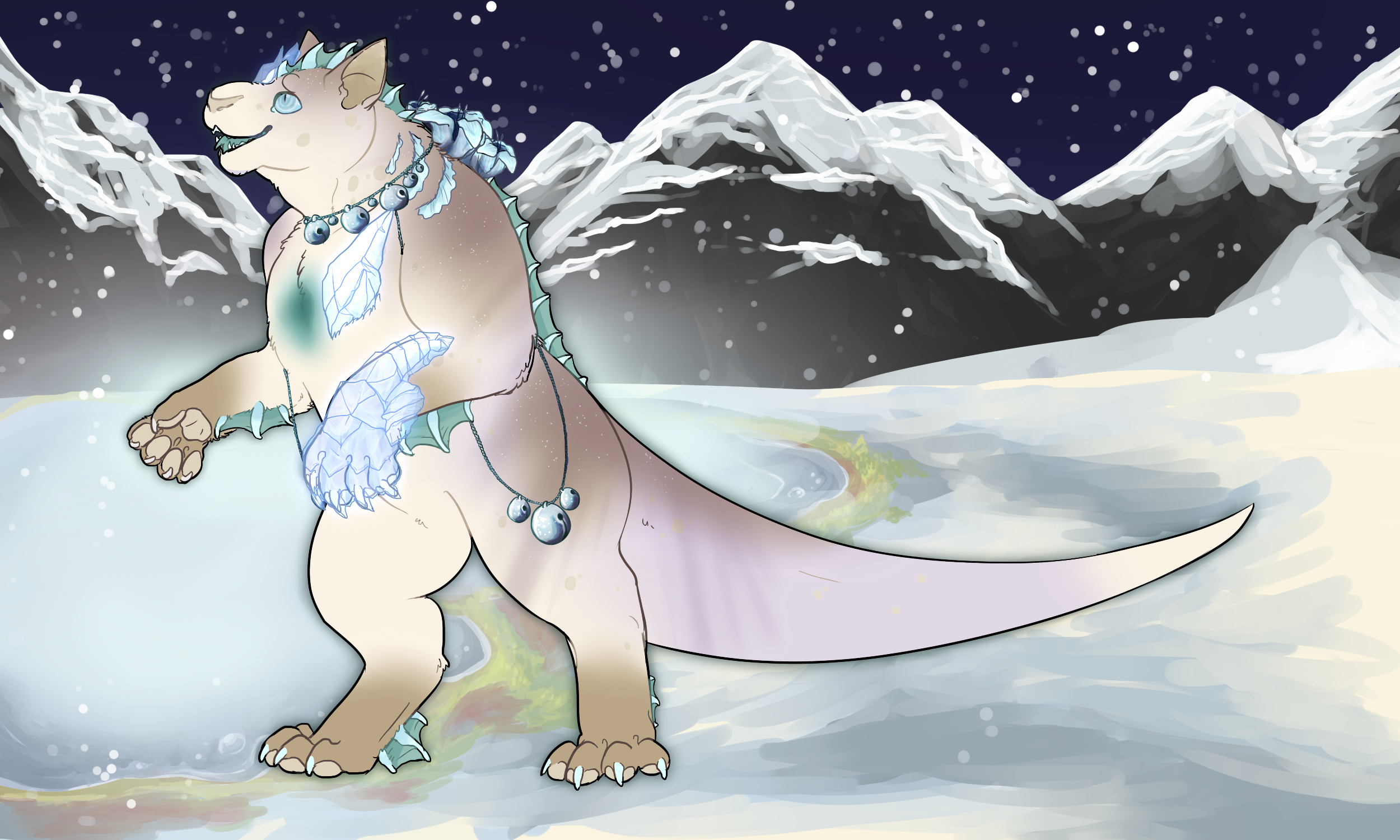
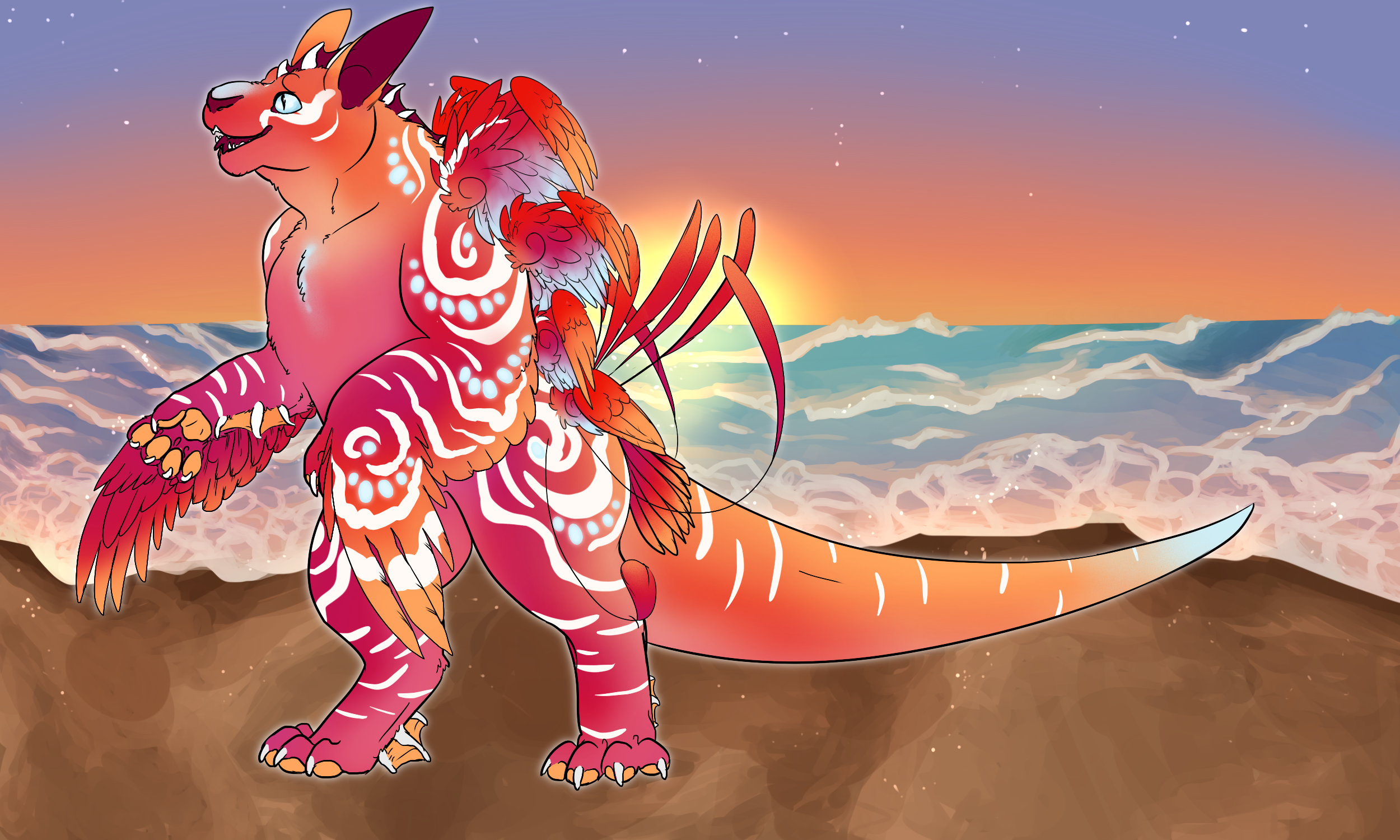
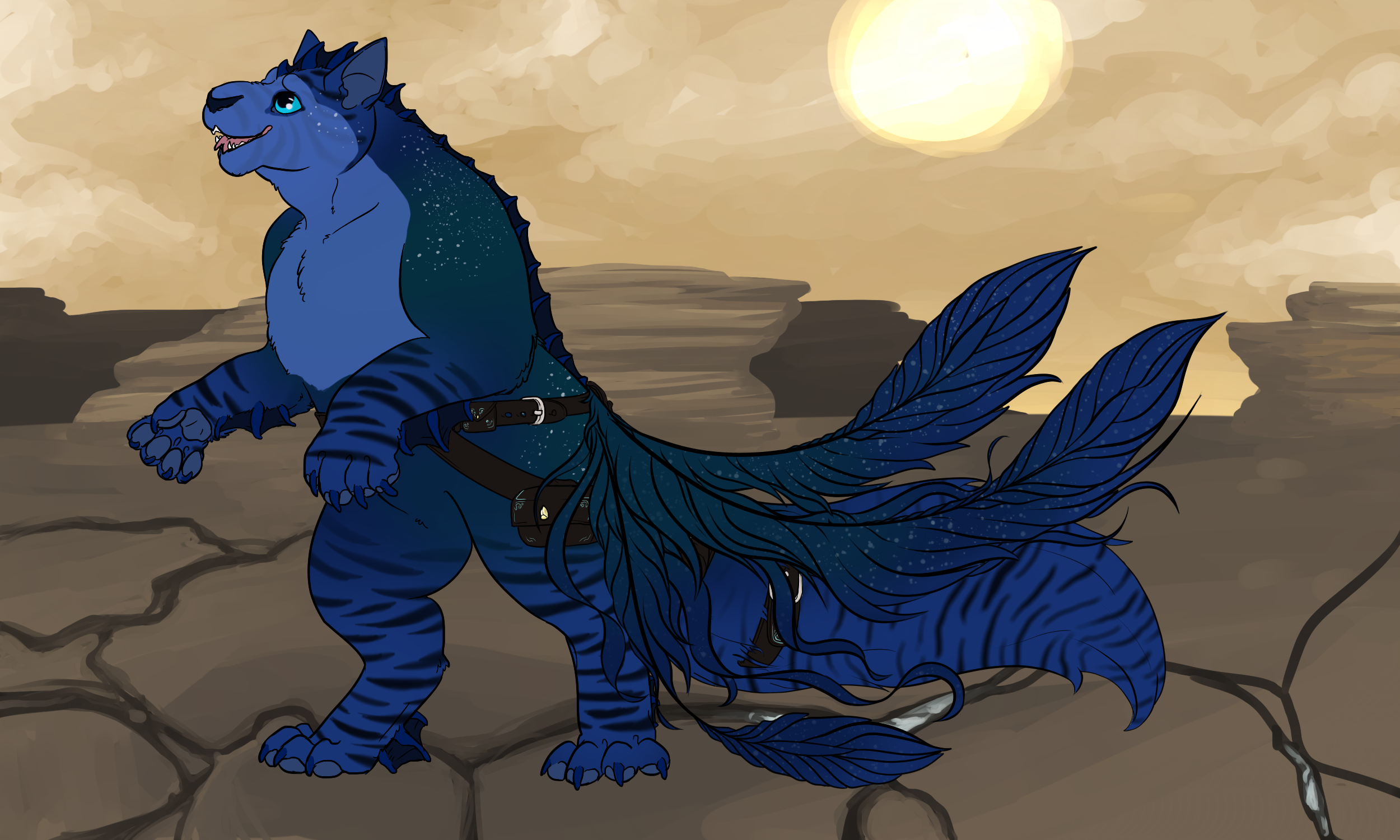
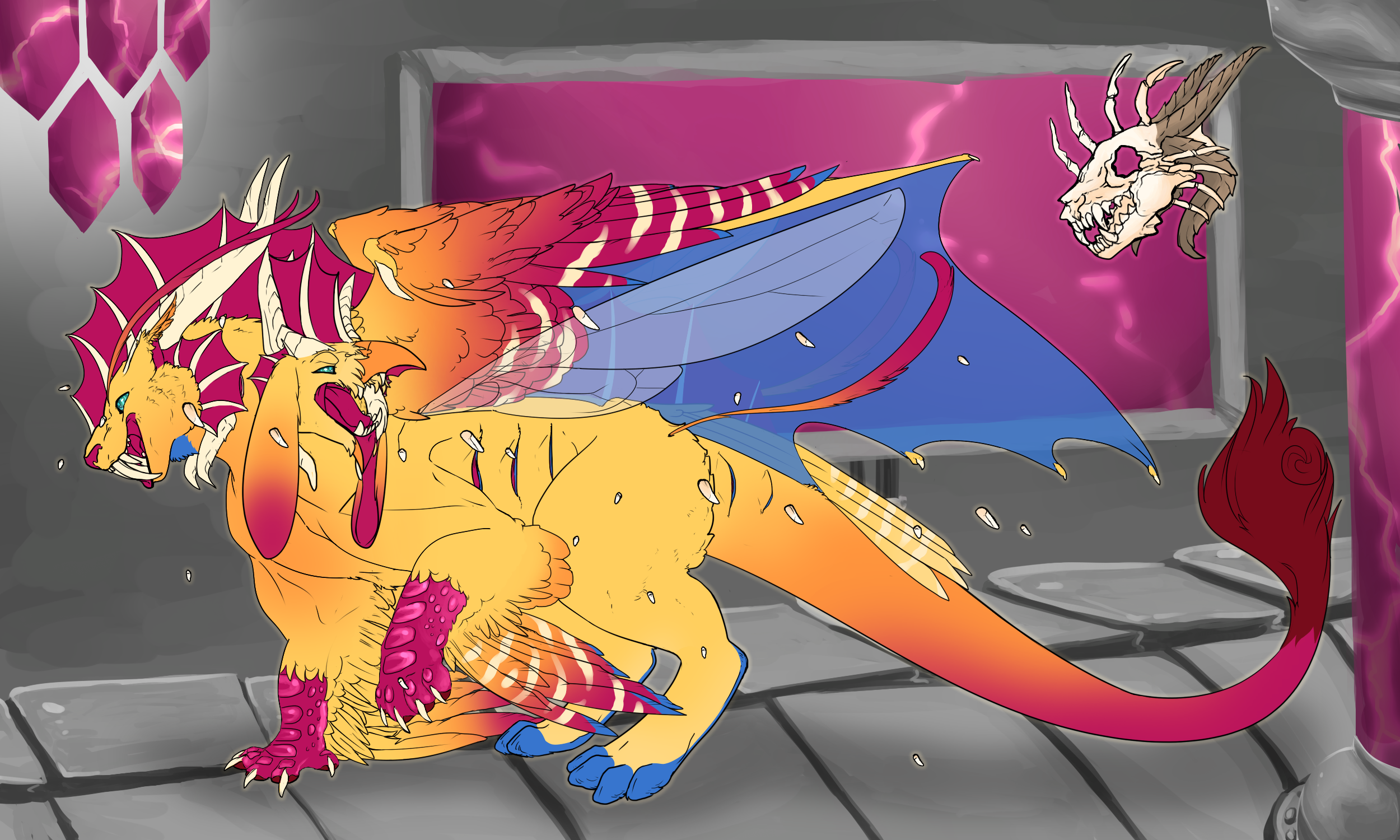
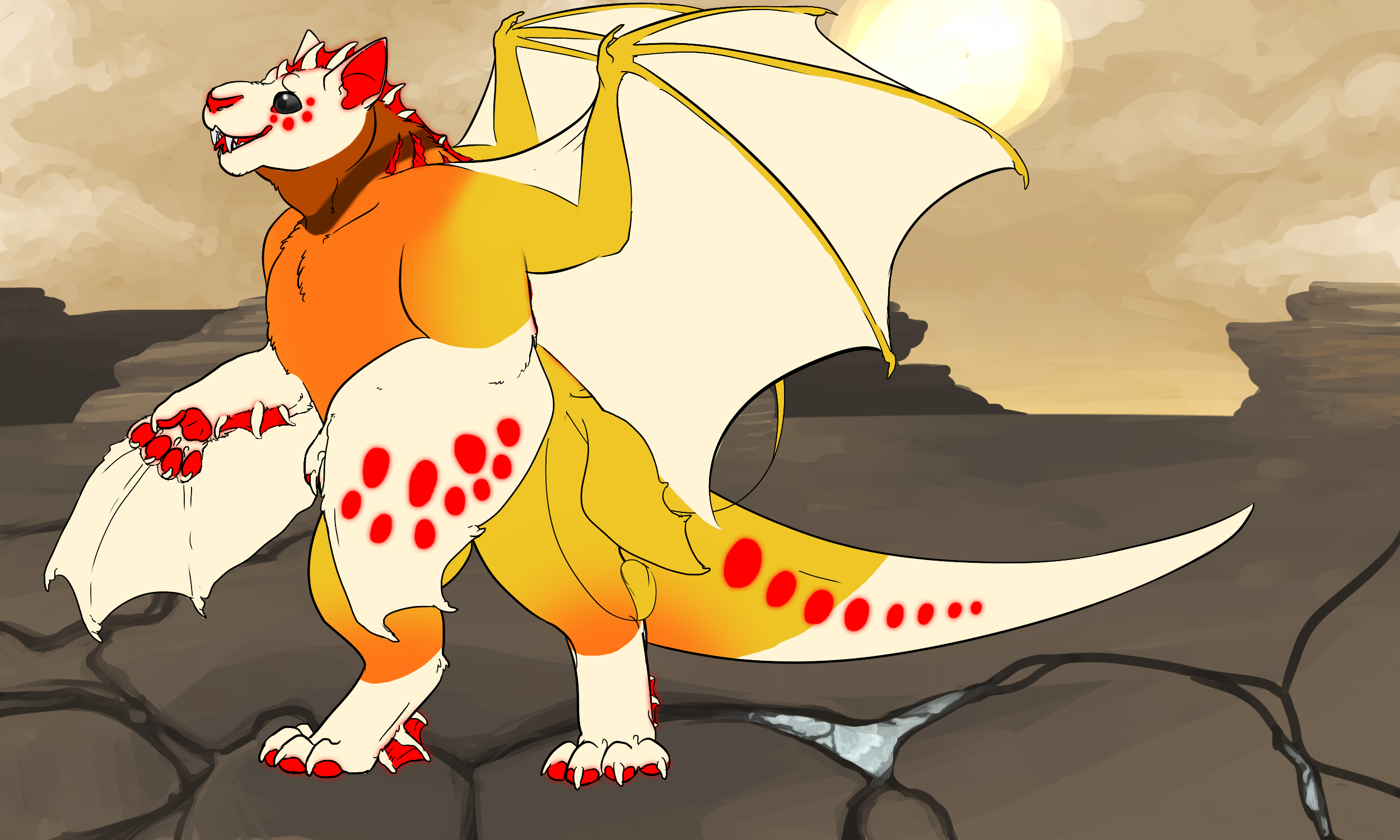
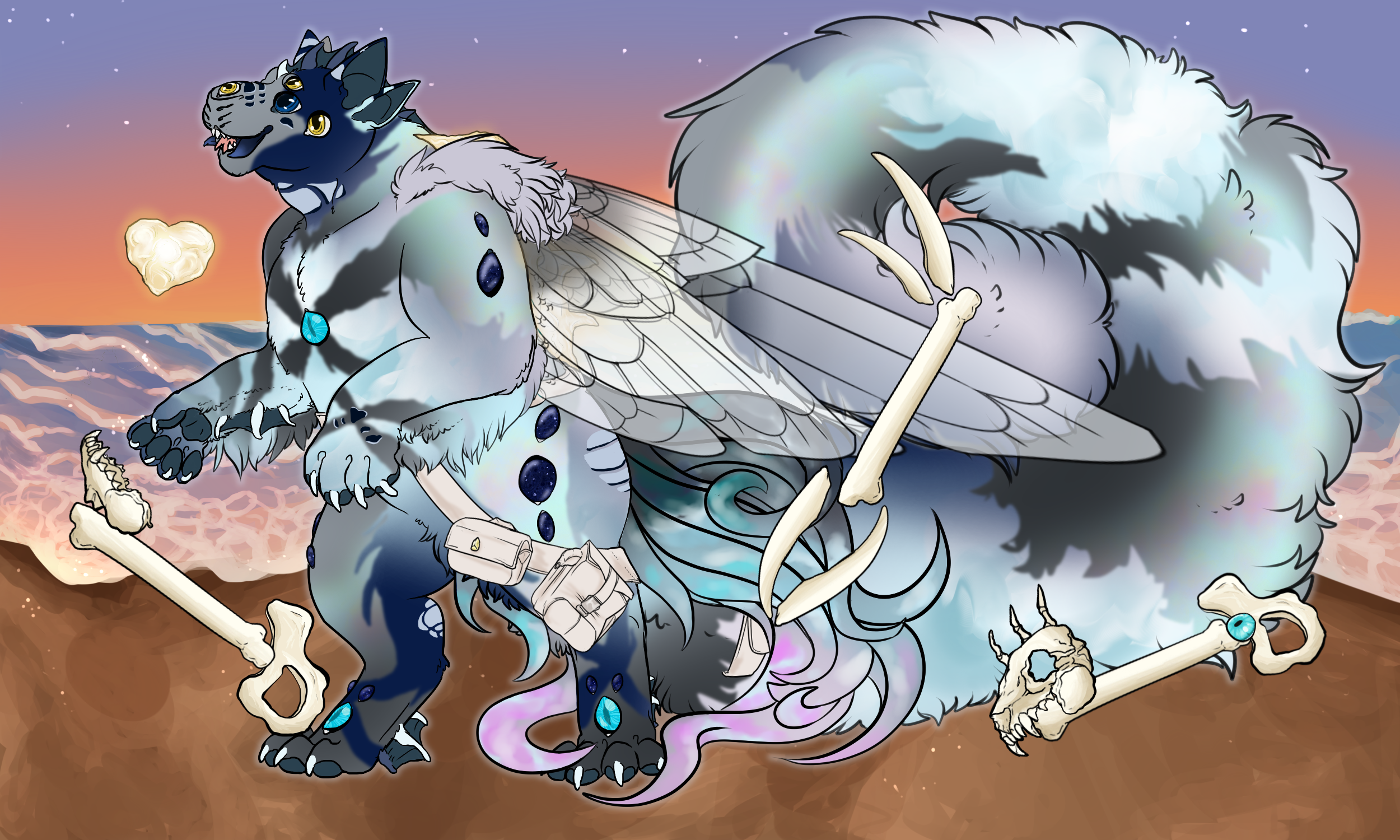
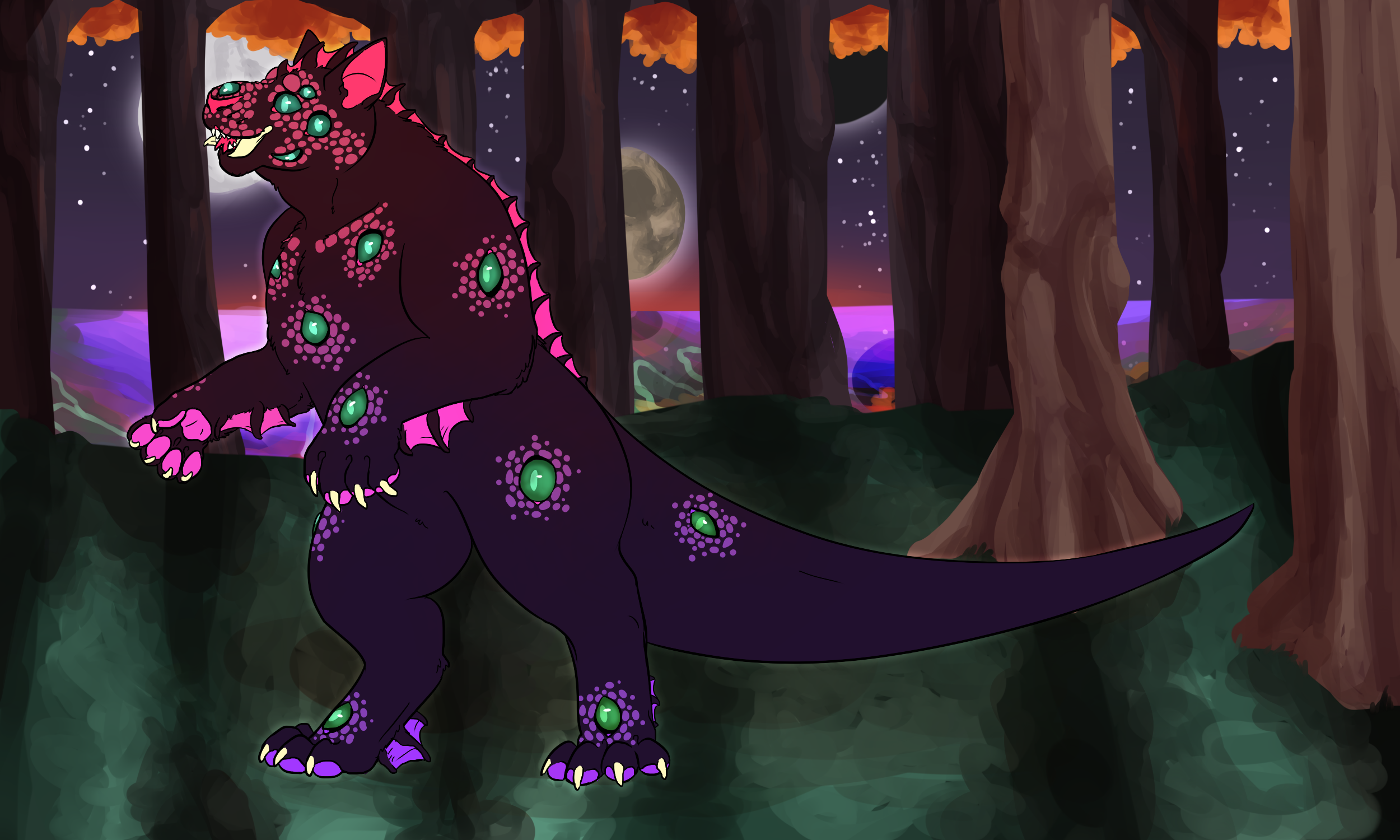
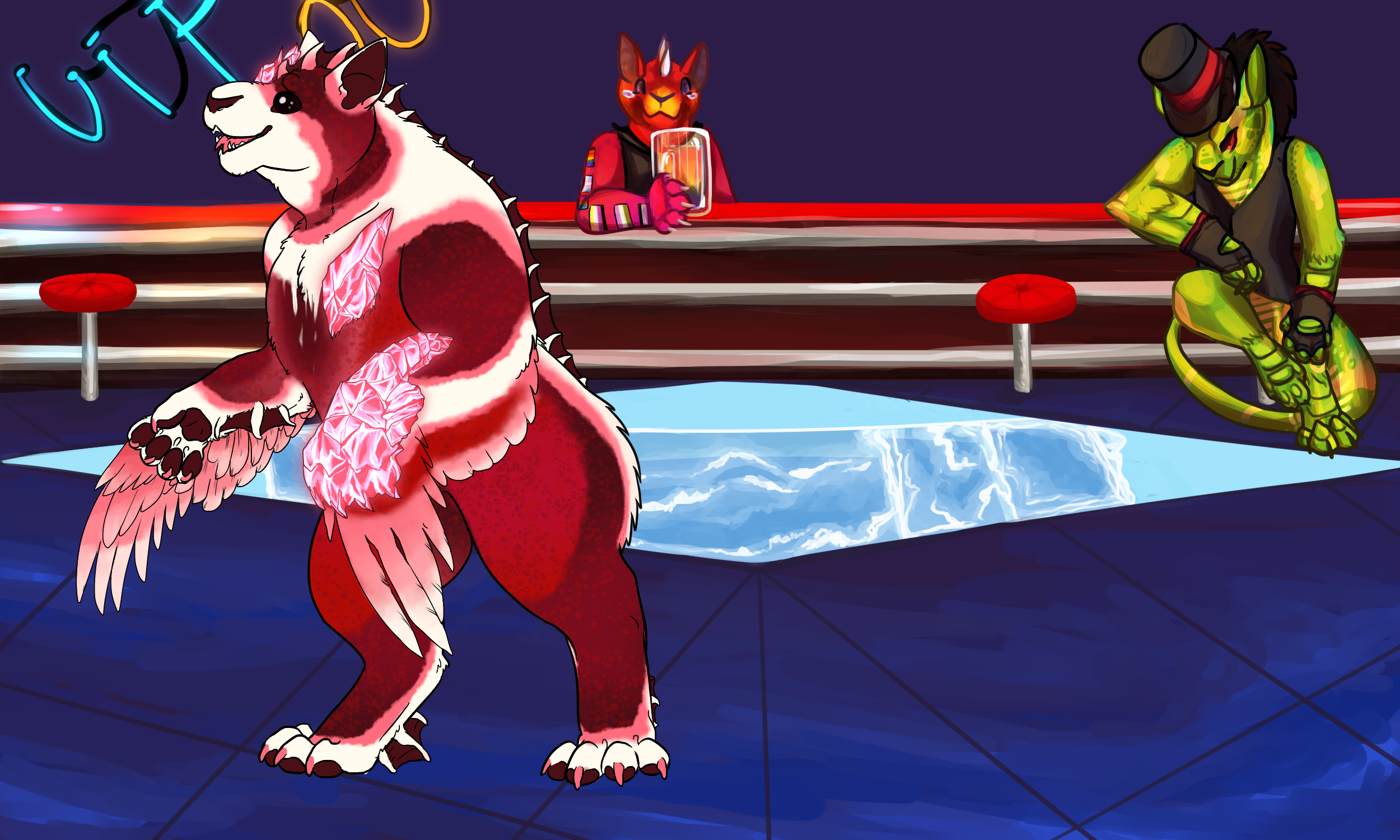
Allows the base coat to show as a gradient. Gradient must be between colors that exist on the assigned base coat's sliders. Dominant Gradient can alter markings as well.
- Recessive Gradient appears only on the base coat, and should appear somewhere on the base coat - amount does not matter so long as it is visible.
- Gradient can between any colors from either of the swatches from the Rixixi's associated base coat. For instance, if your Rixixi is Skyburn with Gradient, you are allowed to take the hot pink from the bottom swatch and the orange-red from the top swatch and blend them together! You can also go for a subtler gradient and choose colors on the sliders that are closer together.
- Take care not to make Gradient too closely resemble pangare, sable, or other similar markings!
- Recessive Gradient must be locked to the base coat, but Dominant Gradient can also alter markings to have a gradient in them, either using the Rixixi's base coat swatches for gradient colors, or basing the gradient colors off the marking color rules (such as 'lighter or darker than base coat' or 'any colors').
Examples:

Flourish (nFlr/FlrFlr) (Common)
Range:
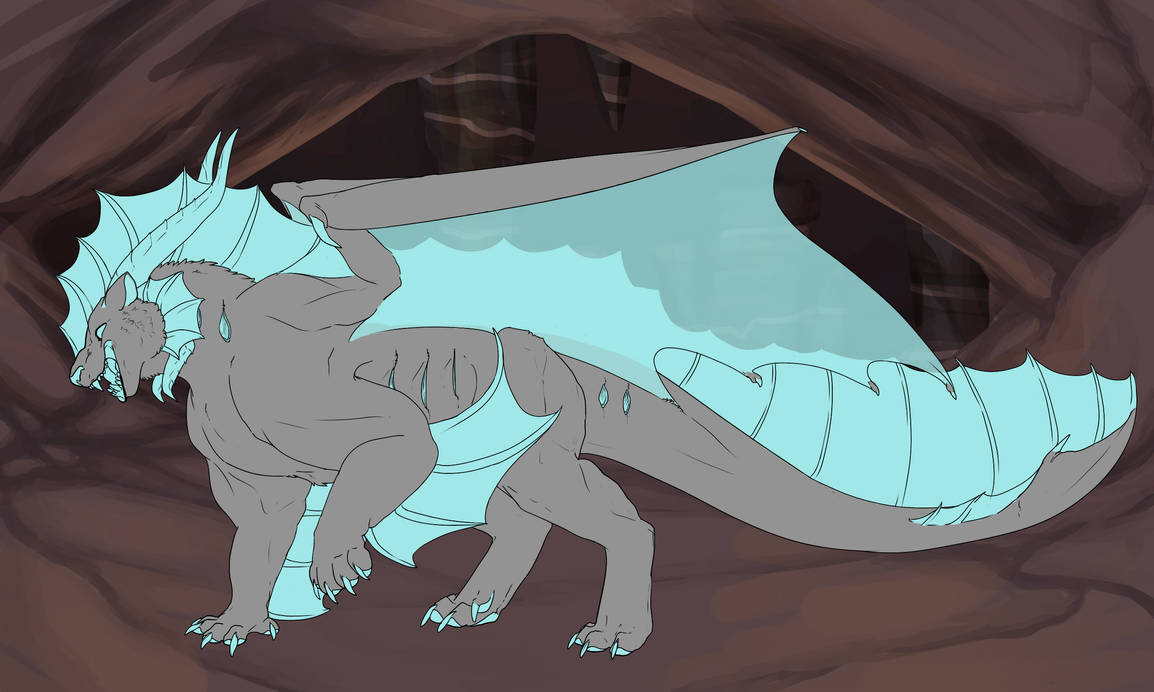
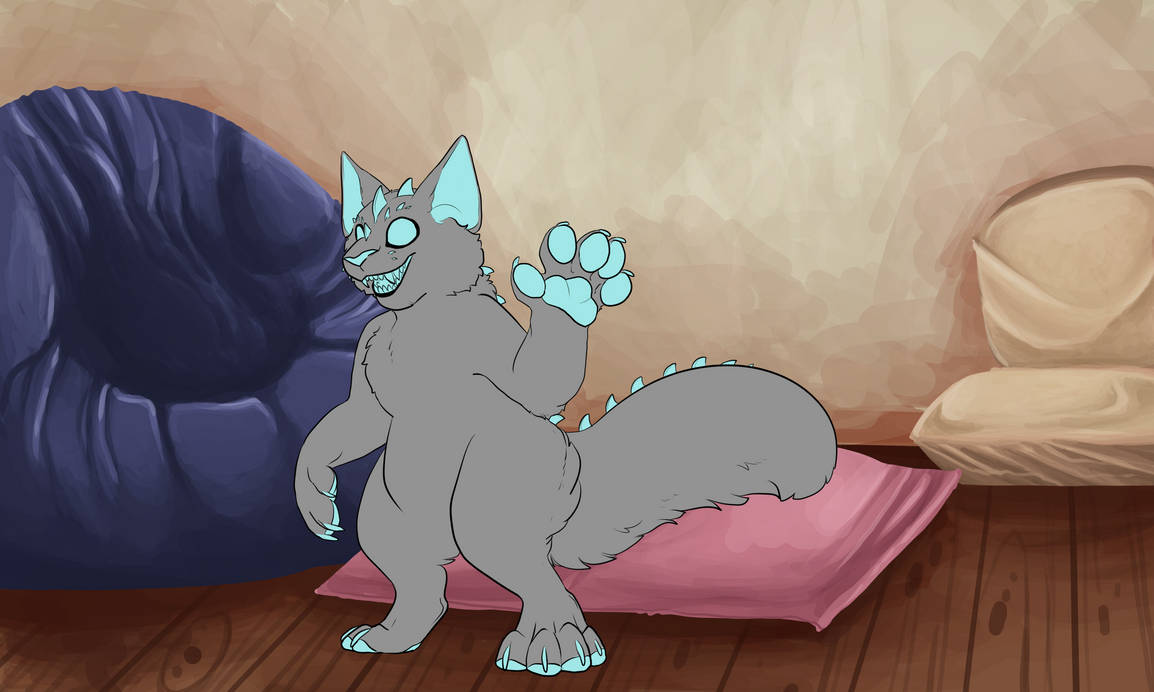

- Flourish can be any color, and may display up to two colors within the marking, which may be blended together.
- It has no restriction on edge hardness.
- Flourish has no minimum, but should be clearly visible on the Rixixi. It has no maximum, and can appear on any and all skin and 'extras' layers.
- Flourish does allow for markings on teeth without cosmetics!
- Flourish can present on all non-color mutations. Combination mutations that hybridize with color mutations and non-color mutations (such as Translucent) can be affected by Flourish. Fur Length mutations can show Flourish on the skin - for example, the entirety of Sphynx and the bald patches of Lykoi; however, Flourish cannot present on Long Fur.
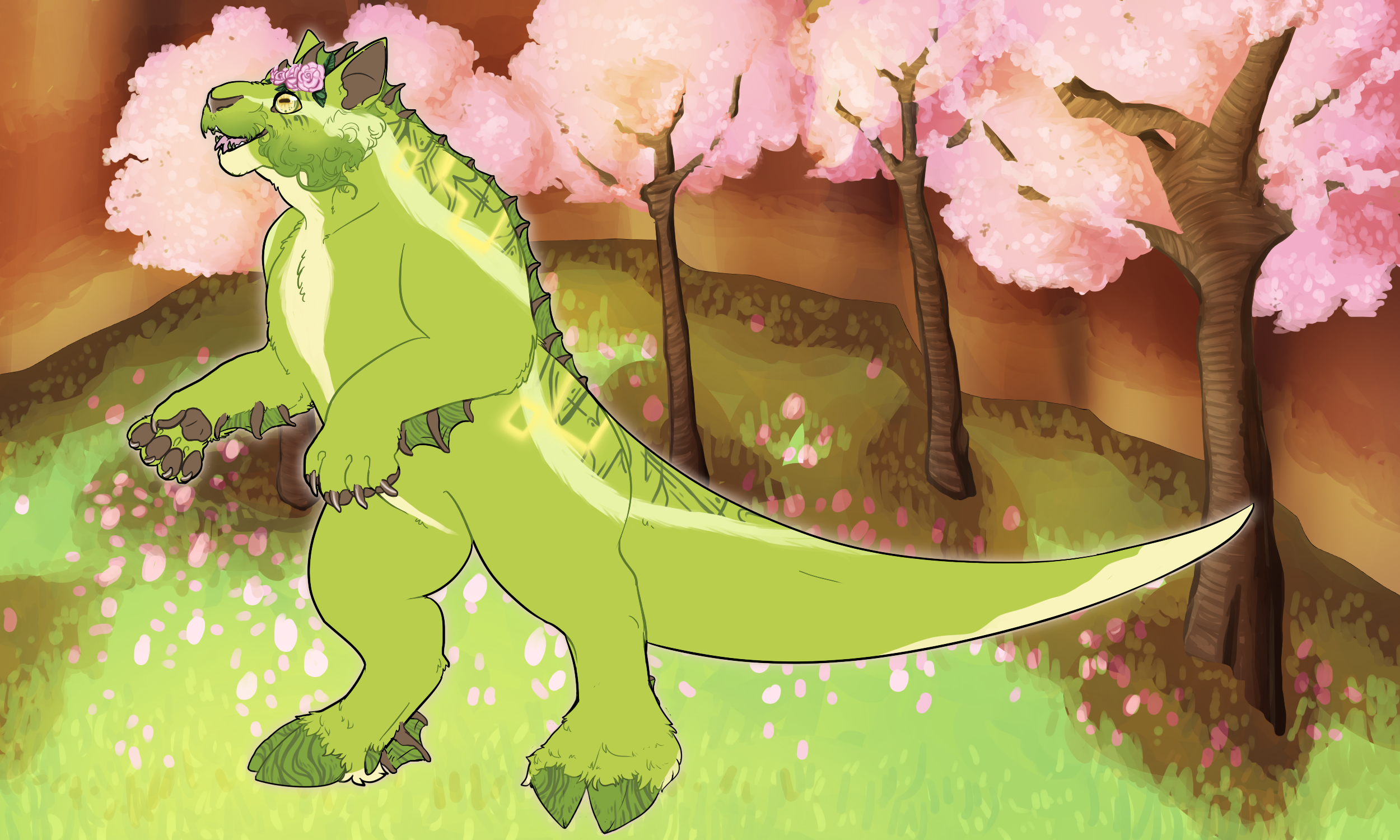
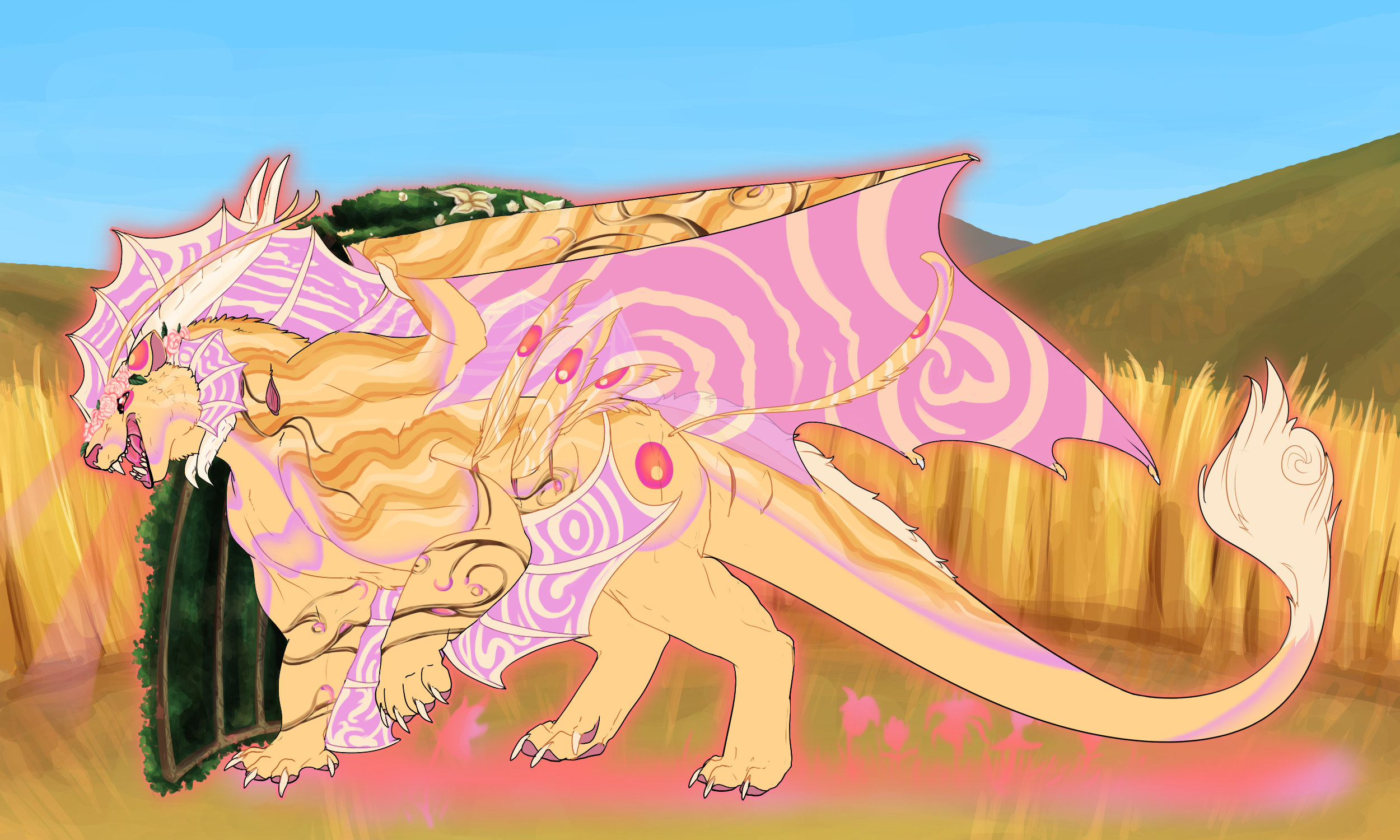
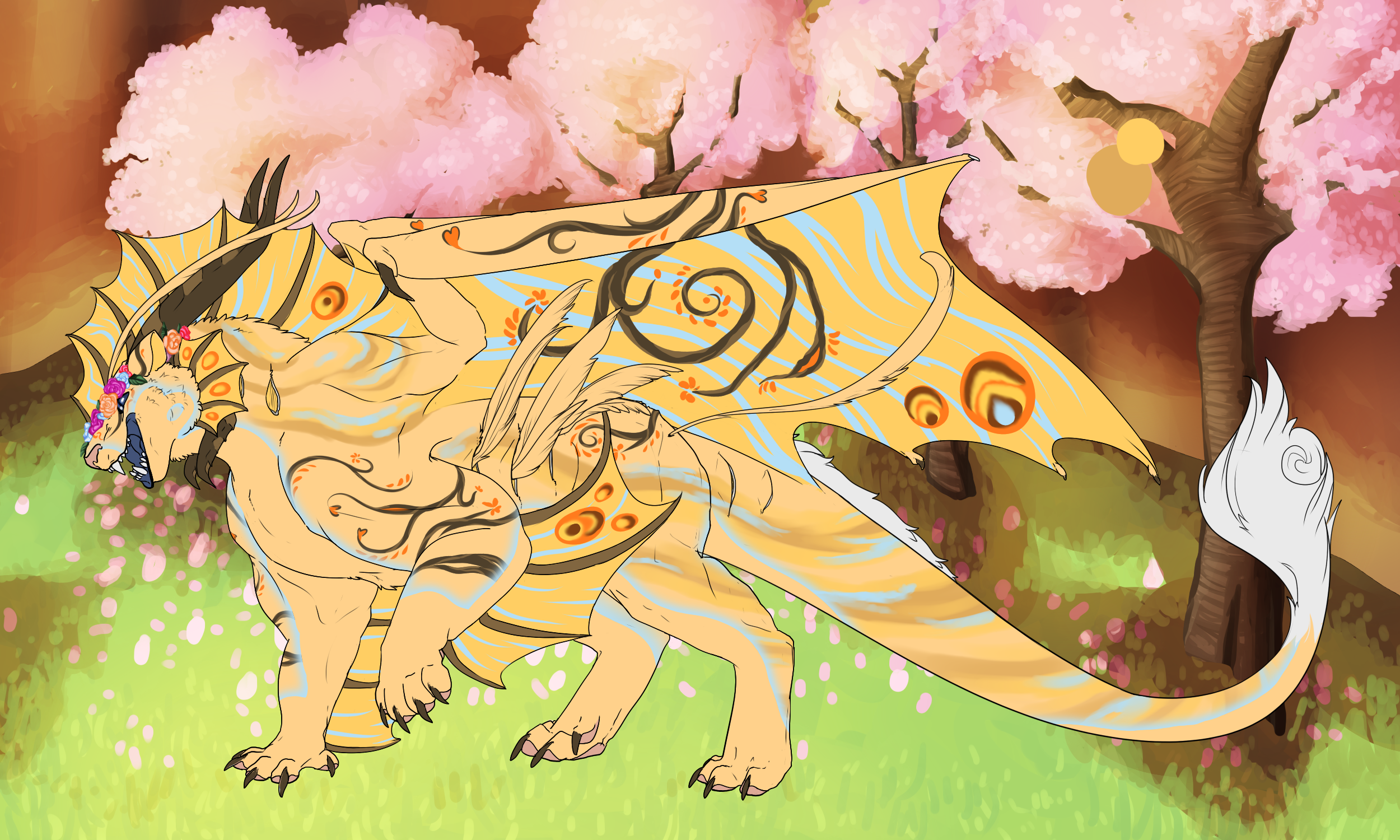
- Flourish can resemble any common or uncommon marking, and still follows its own color rules. This includes gradient - Flourish can be just a simple, subtle gradient as long as it is visible. It can also make unique combinations of existing markings - for instance, Laouto's hooves are a combination of Ripple and Ticked intended to look like grass and vines.
Examples:
Fissure (nFssr/FssrFssr) (Common)
Range:
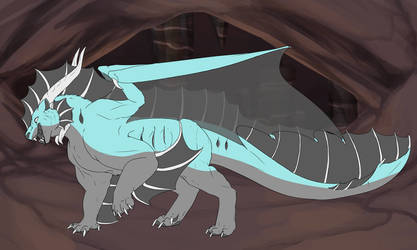
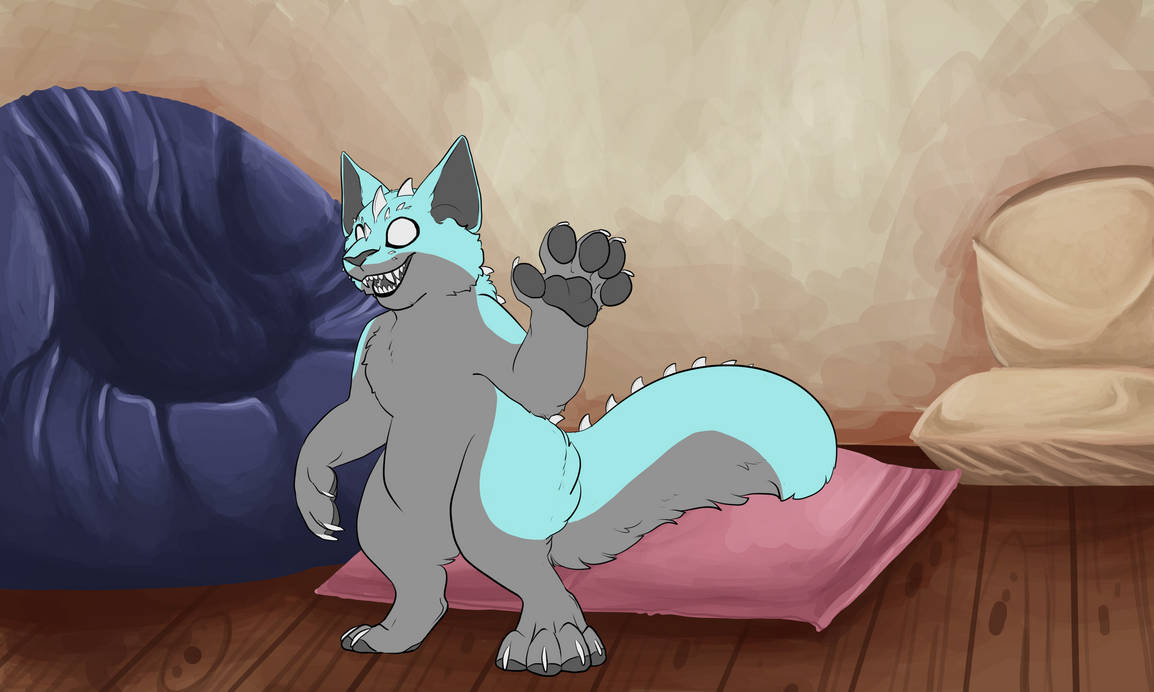
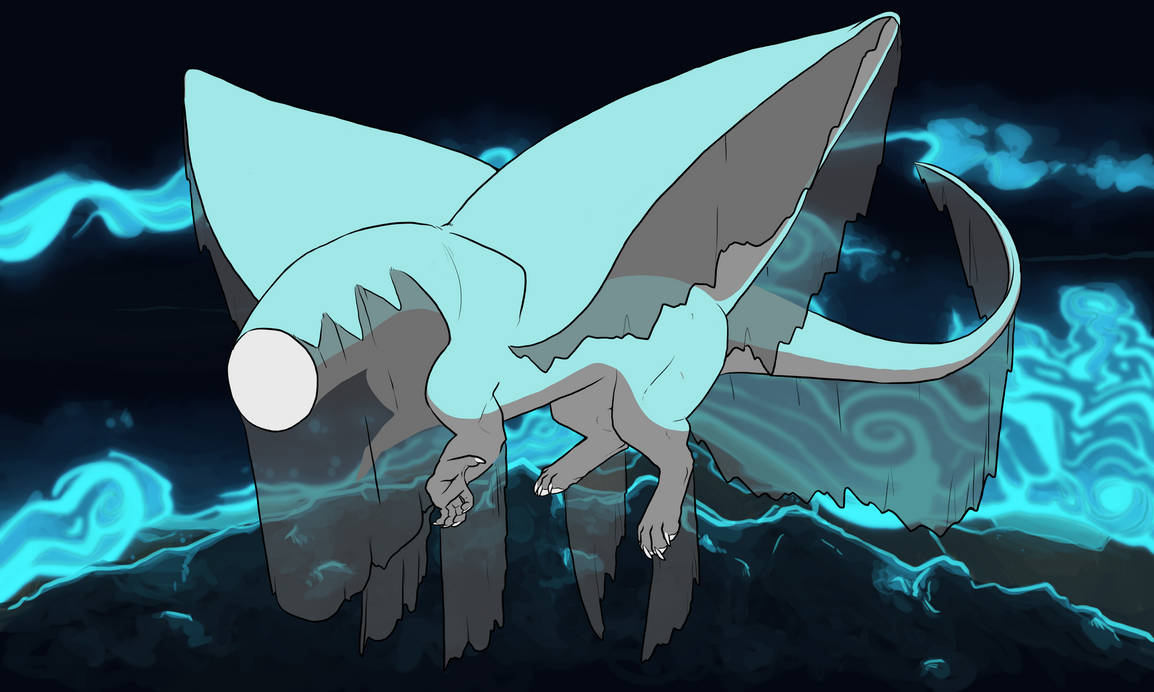
- Fissure shares a range with Skunk nSku/SkuSku, with some changes to how the rules work - Fissure must display in the middle of the back, with stripes on the side being optional. Side stripes can travel down 50% of the body maximum, and can start and end at any point.
- If Fissure only displays along the back, it should not be a thick enough stripe to cover the entire range. Side and back stripes should have a noticeable gap between them, but can meet at the ends if desired.
- Fissure may be any color, and may display up to two colors within the marking, which may be blended together.
- Edge may be hard, textured, or somewhat soft. It should not be fully blended out.
Examples:
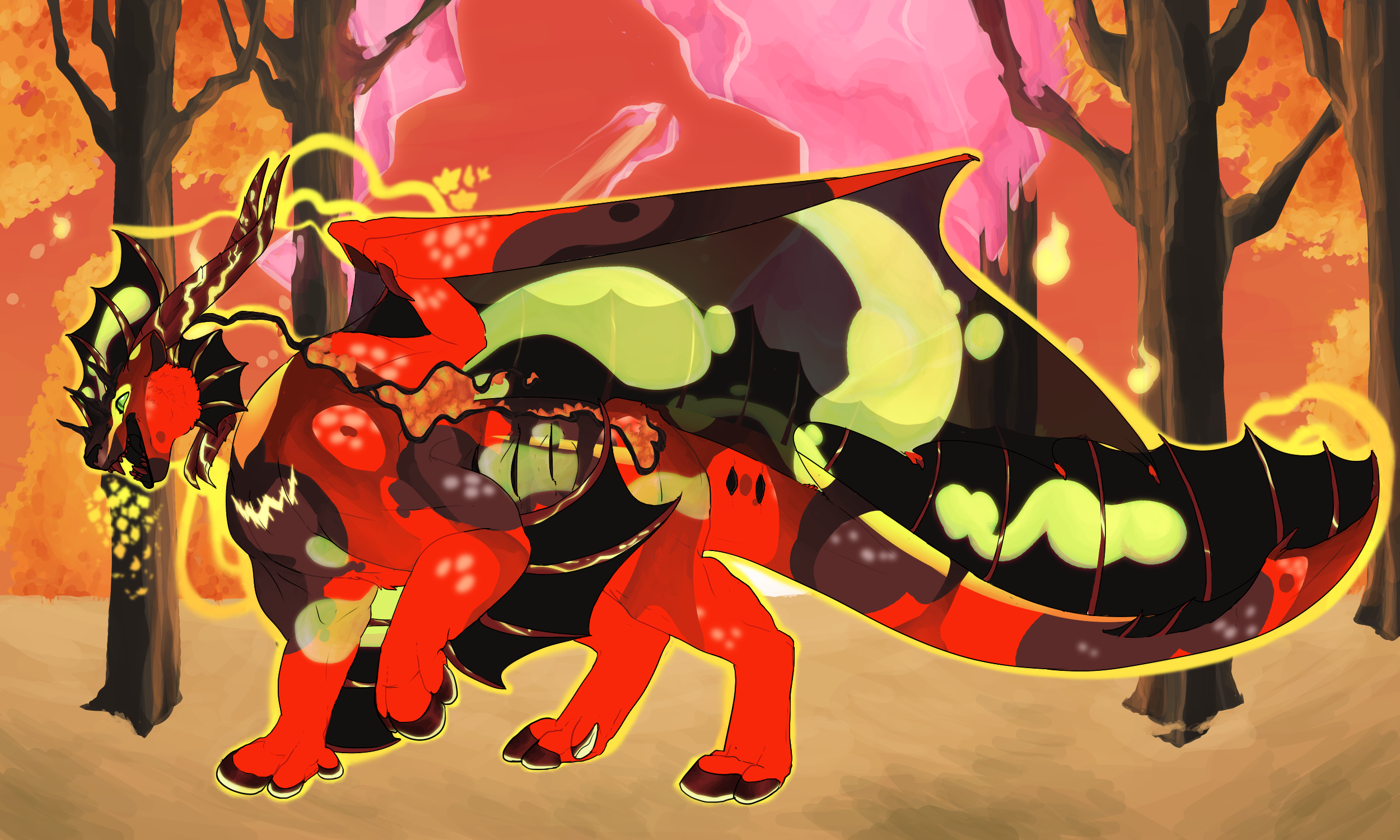
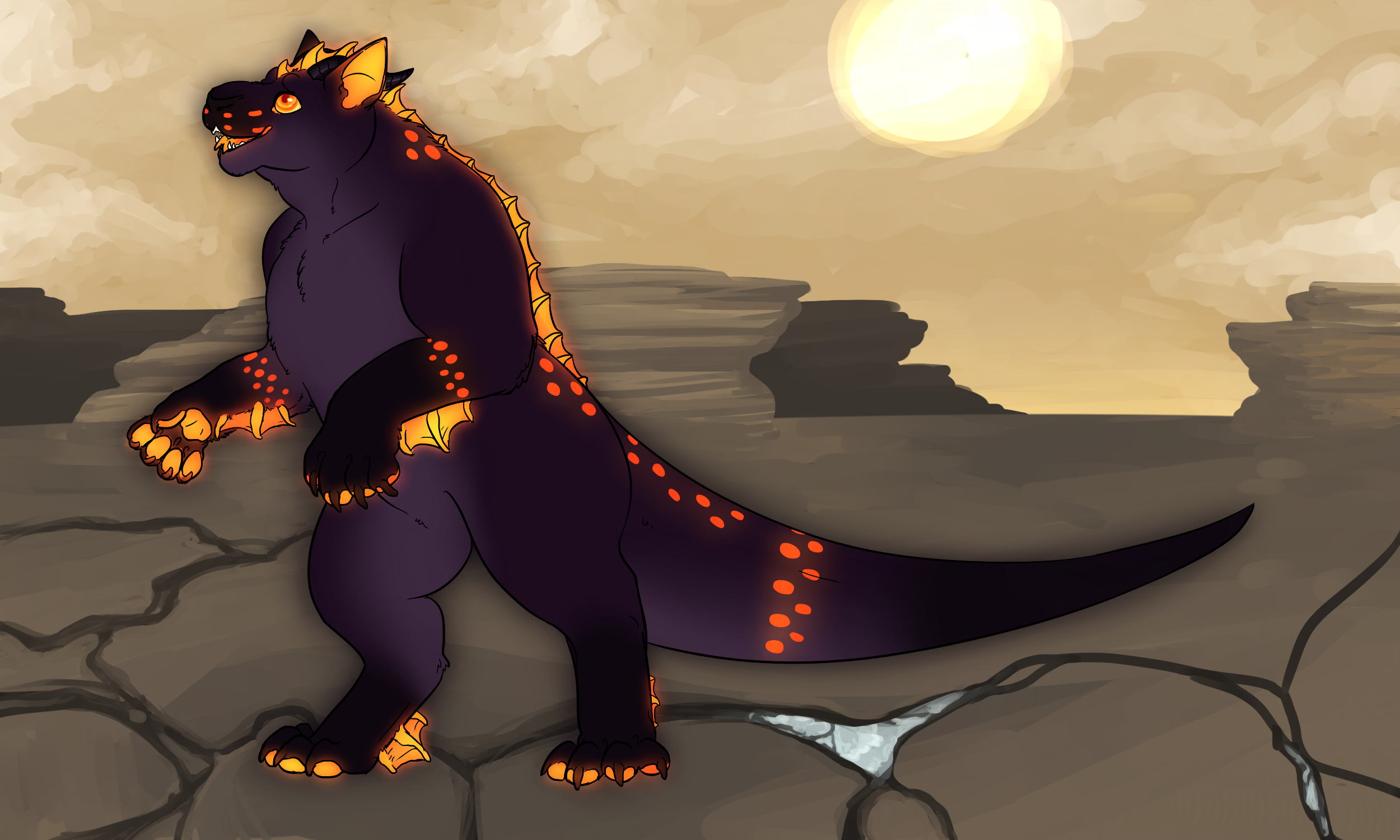
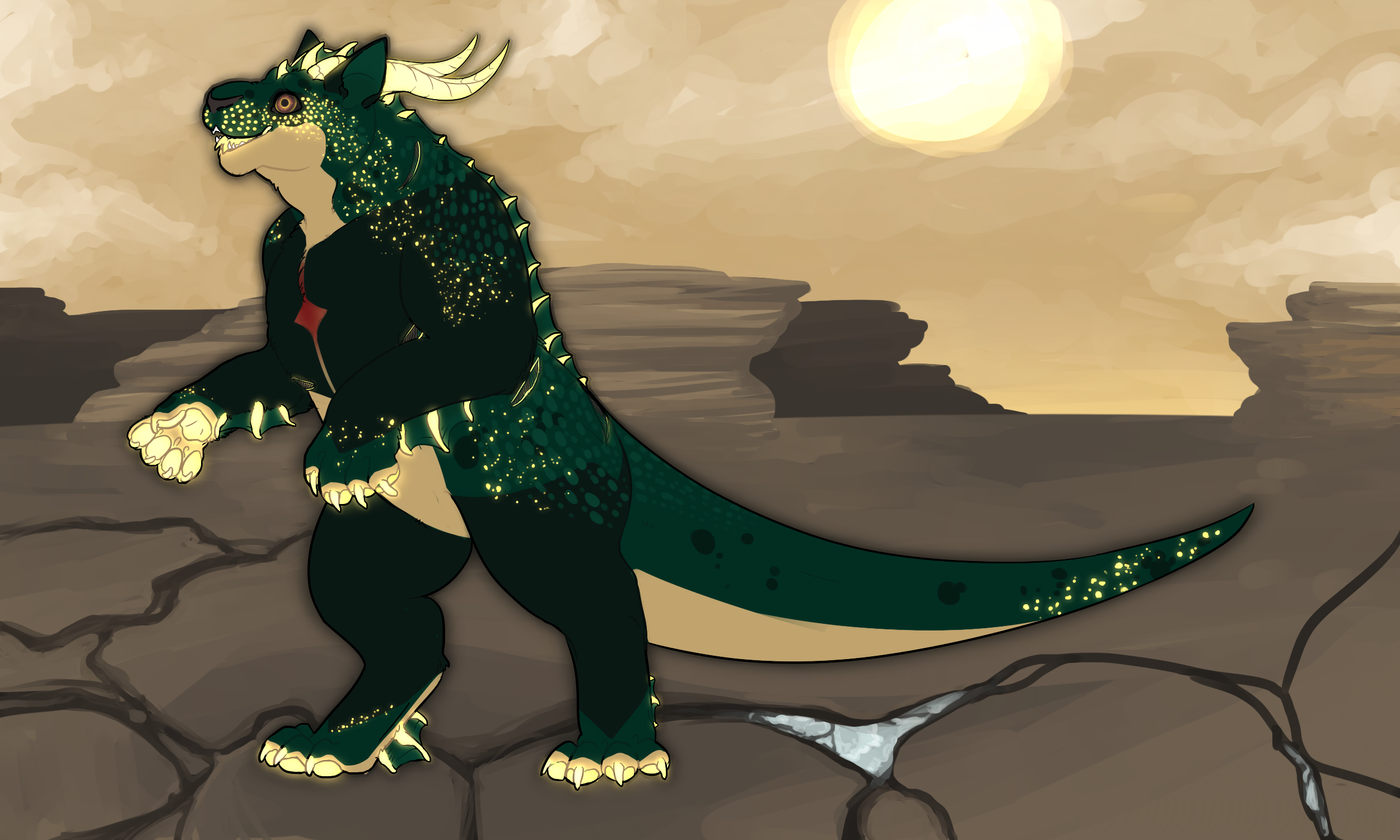
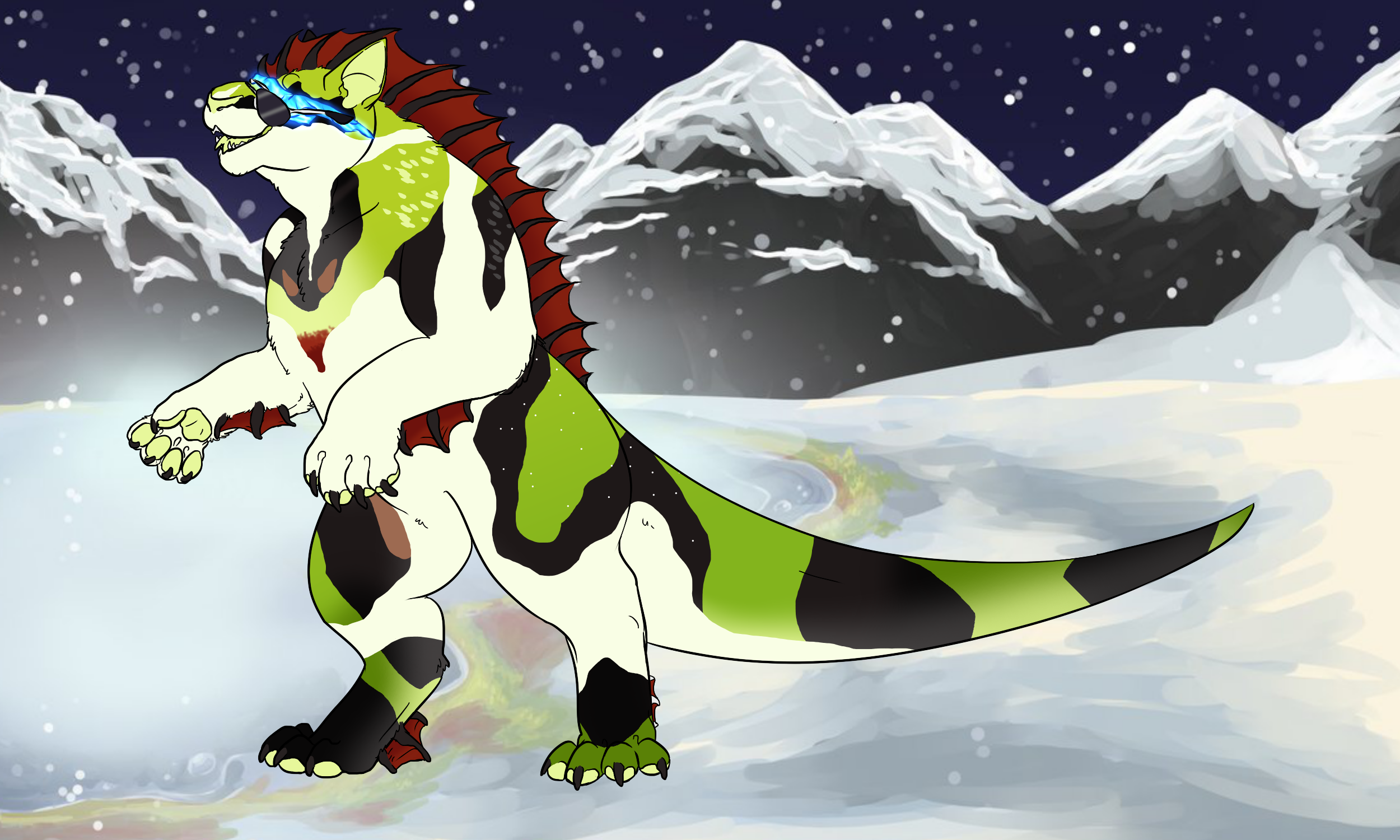
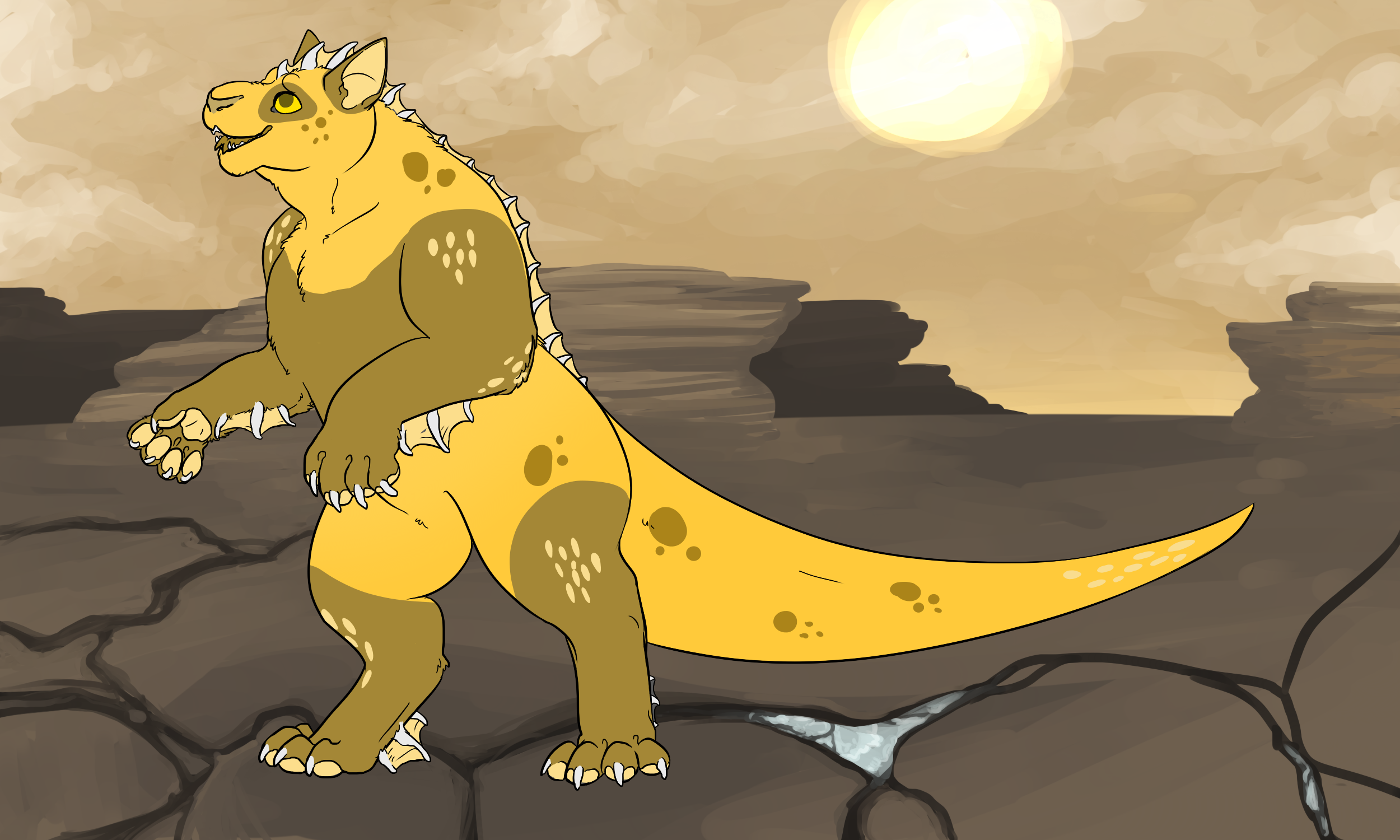
Fawn (nFw/FwFw) (Common)
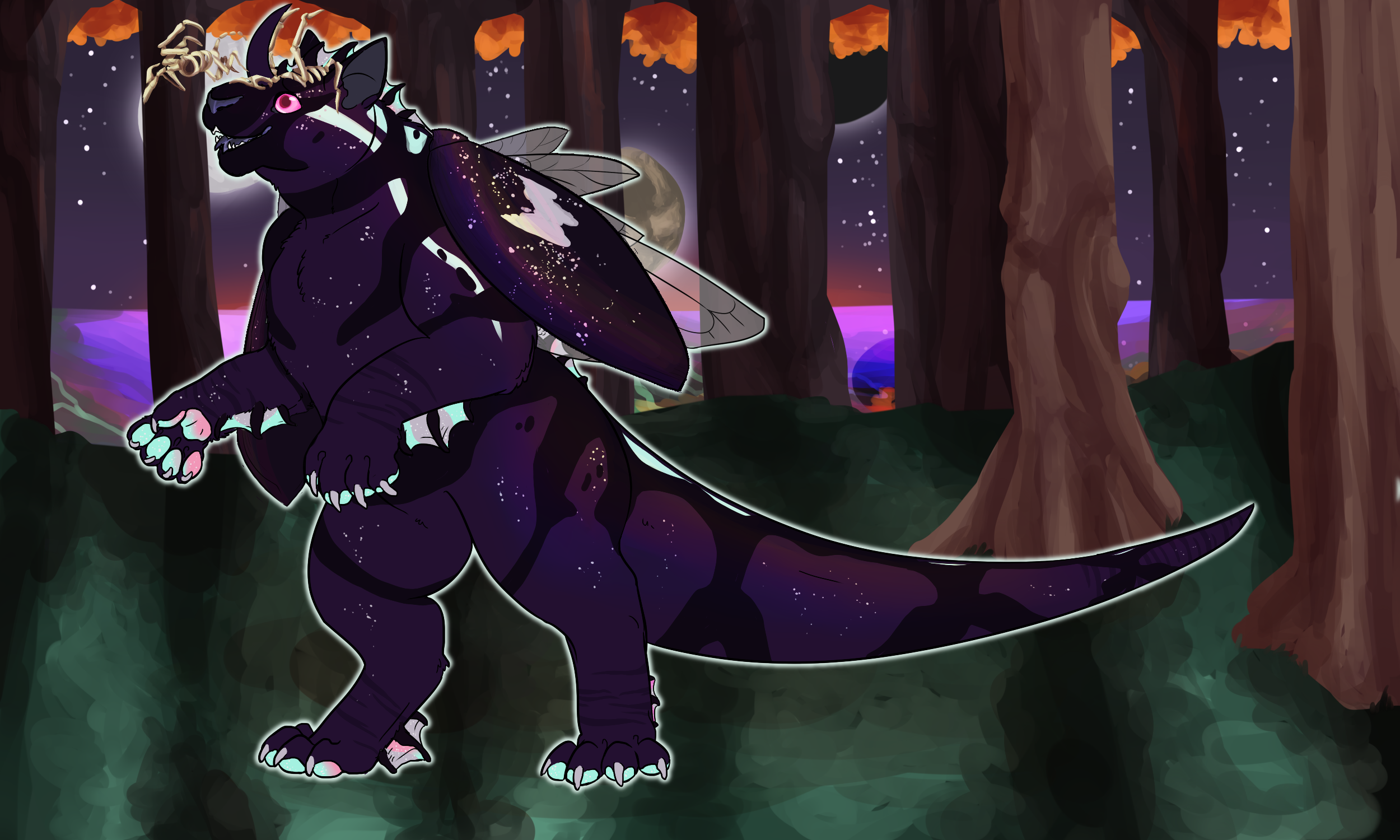
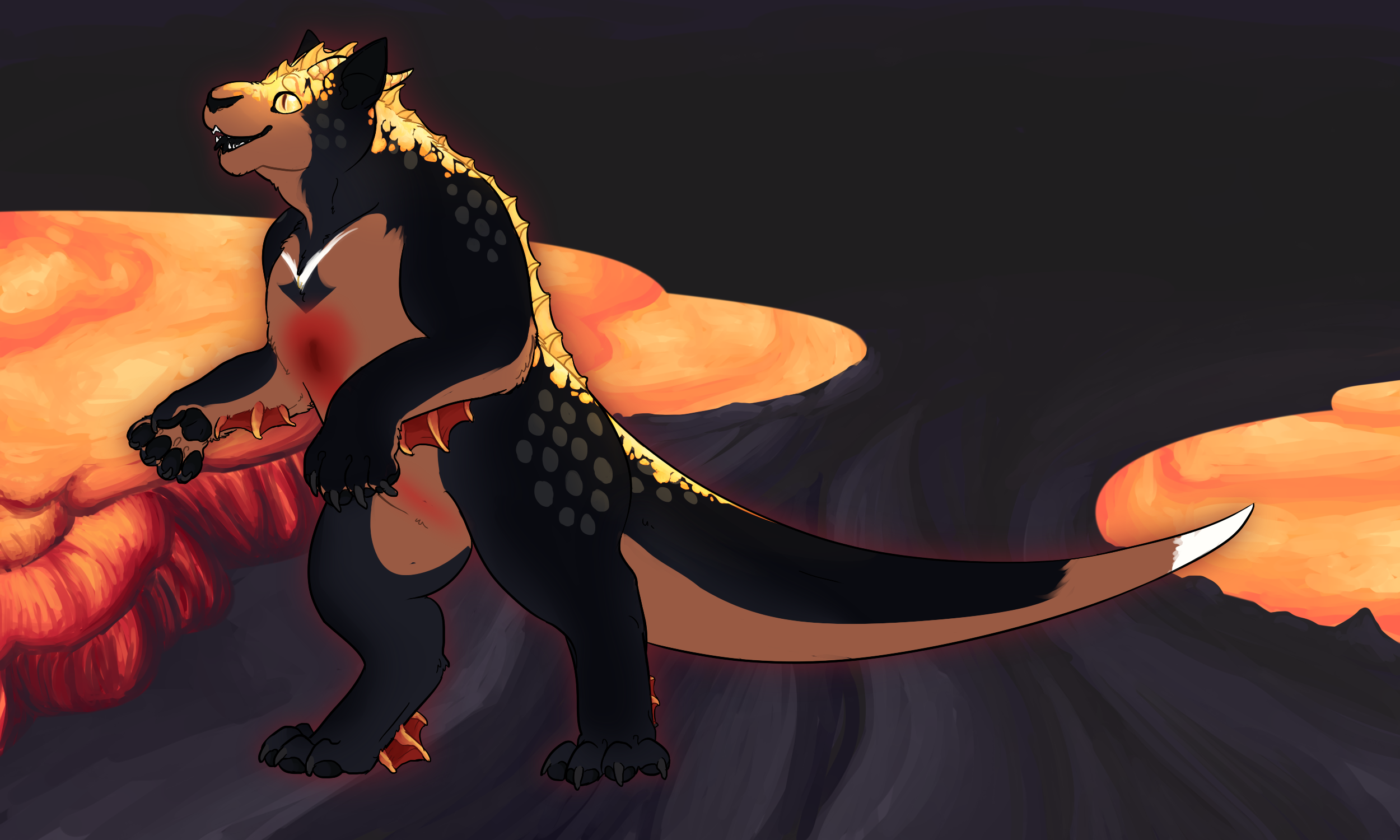
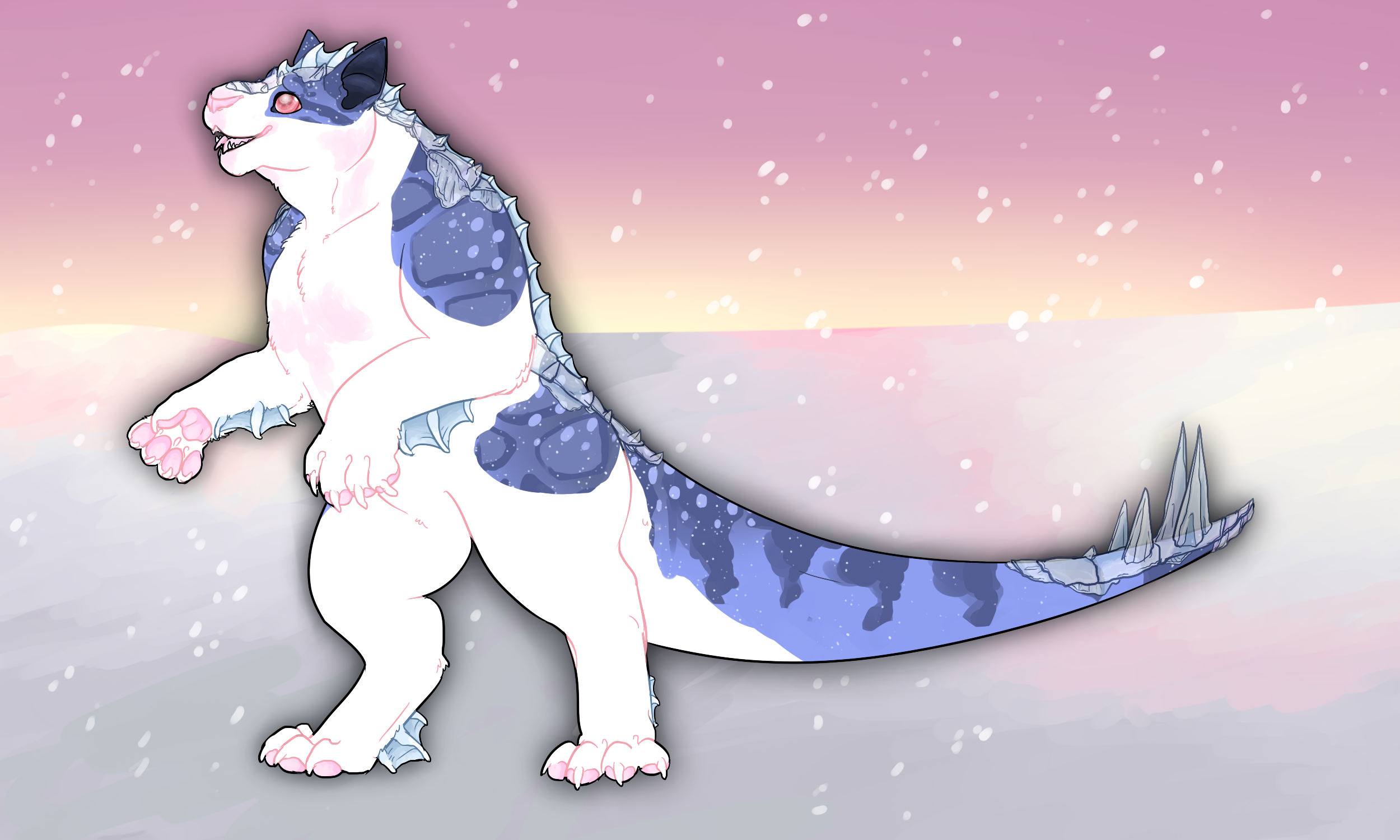
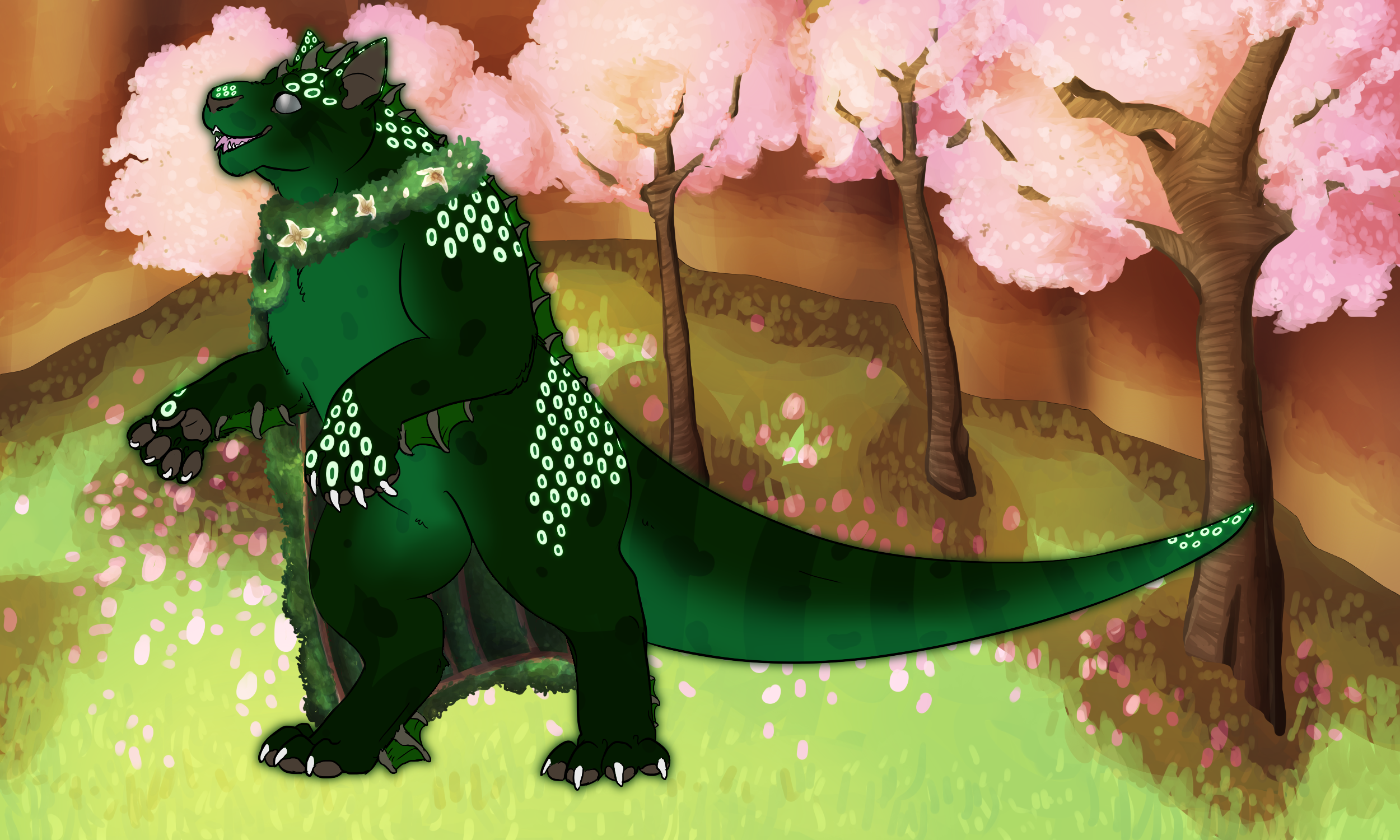
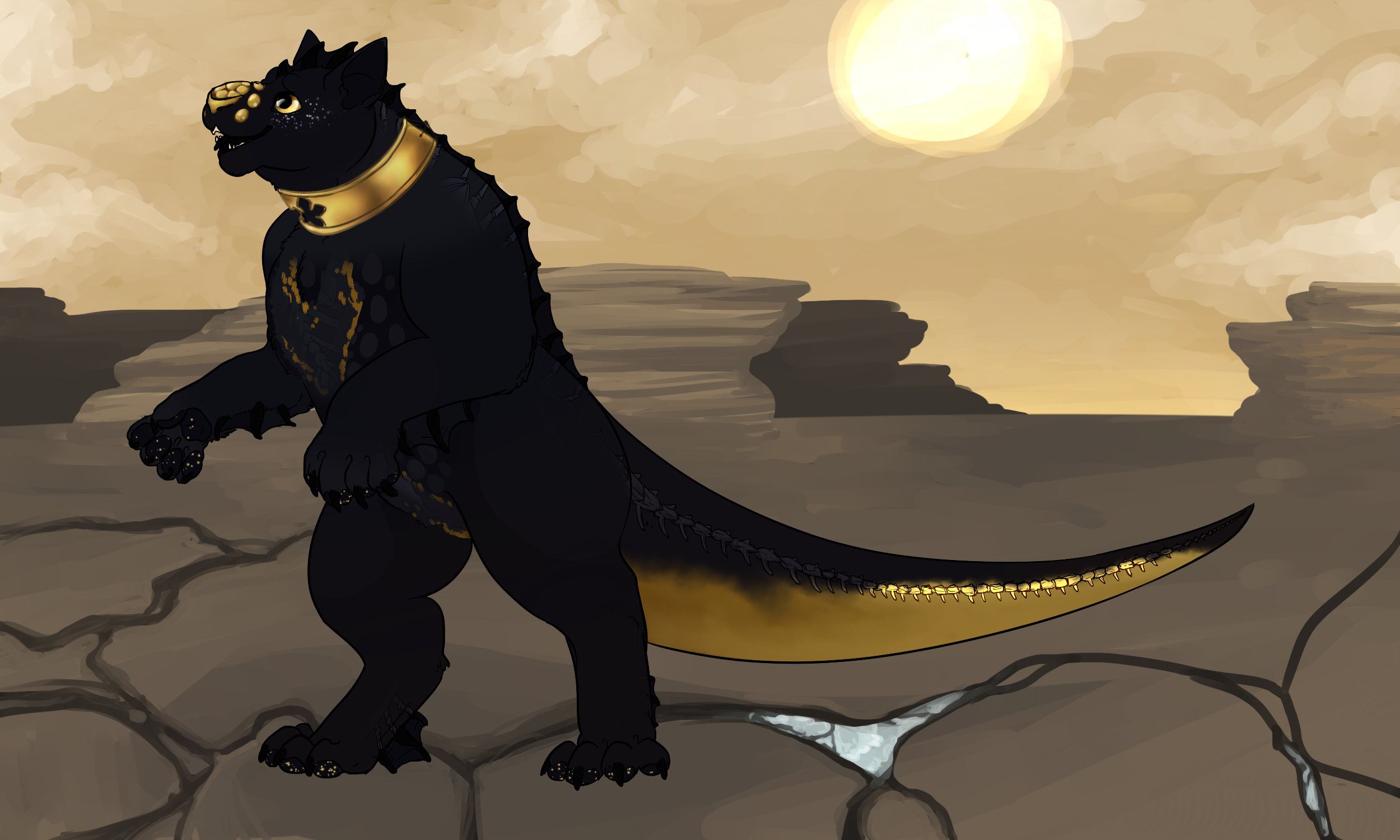
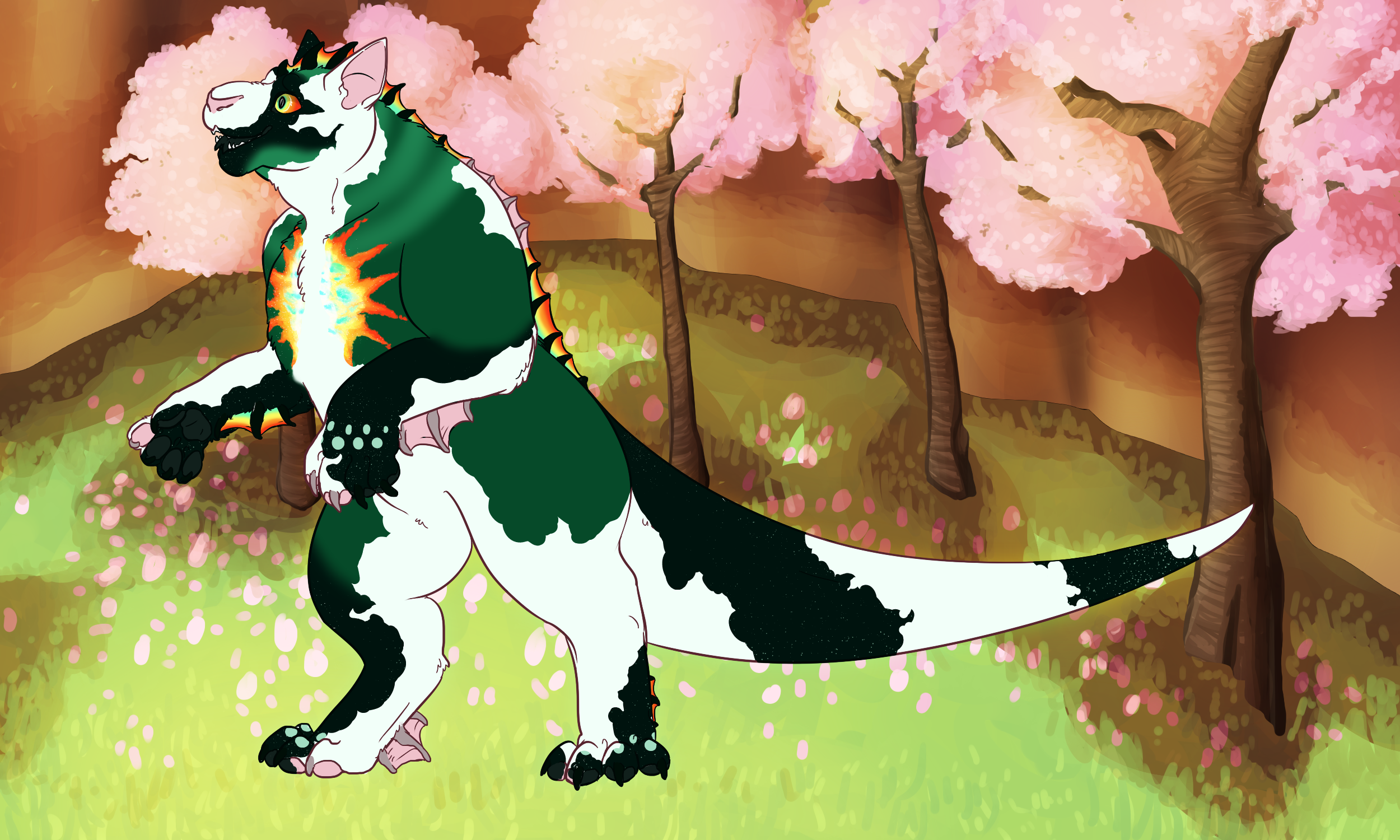
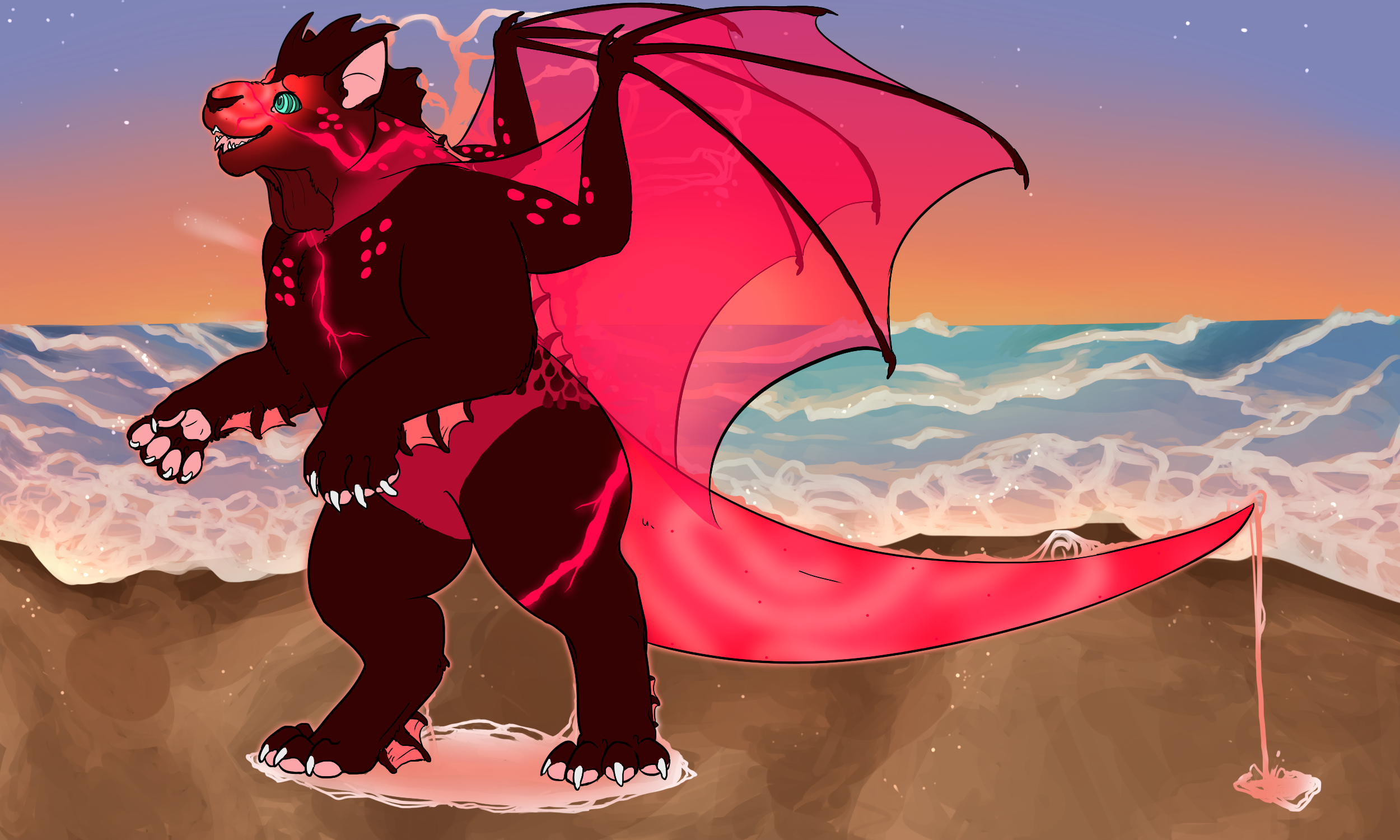
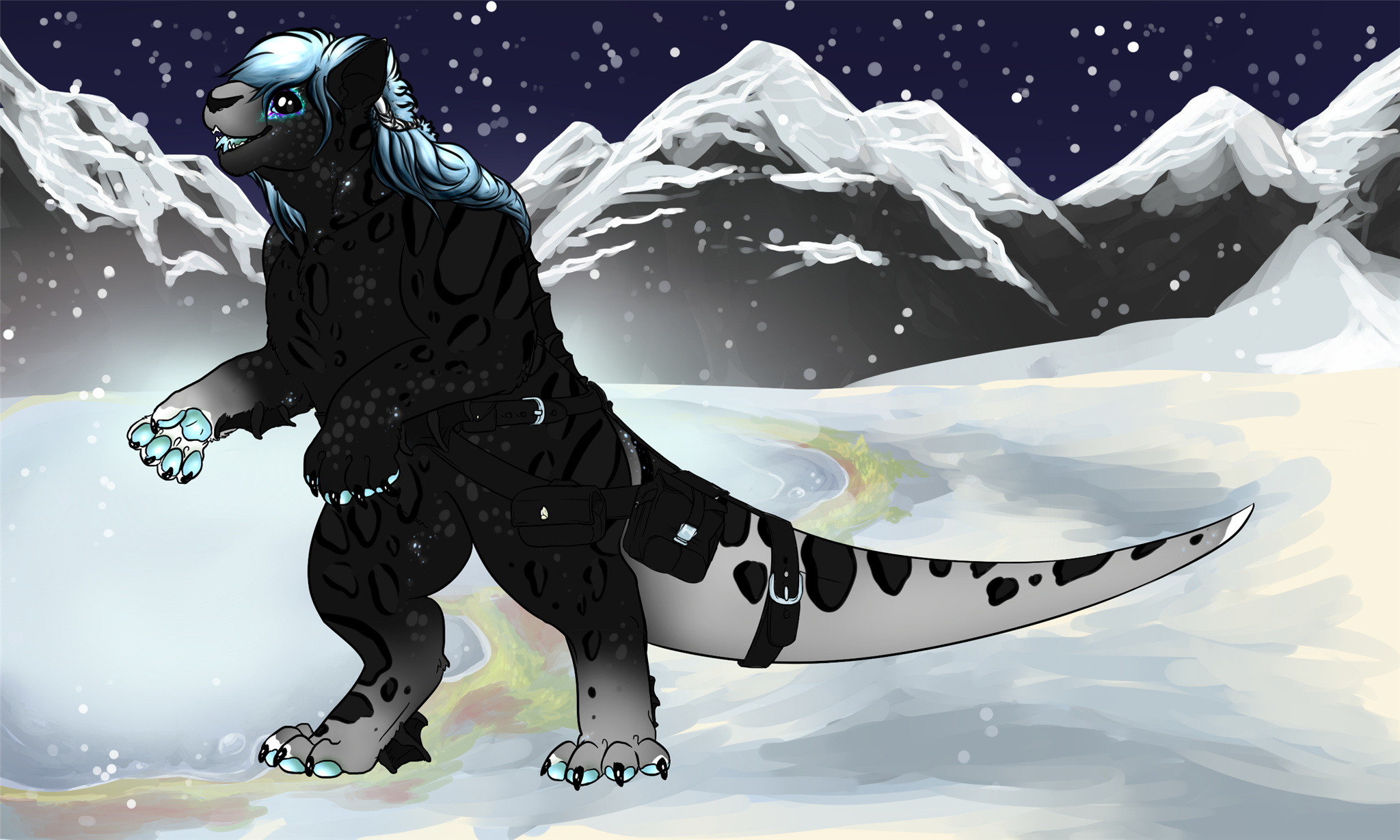
Causes spots lighter than base coat, should be somewhat uniform in sizes/shapes.
- Fawn causes spots in a small-medium size, typically clustered together in a few separate areas. All fawn spots should be around the same size range - some minor size discrepancy is fine, and most often occurs on the outside of a cluster. They should be in a somewhat uniform pattern, the uniformity ranging from the spots on a fawn's back to more scale-like patterns.
- Must be lighter than the base coat.
- Edges should be hard, and not heavily textured. Light texturing is okay, but take care not to go overboard.
- Fawn can appear anywhere on the ixi. It is most commonly found on the back, but this is not mandatory!
Examples:
Dun (nDn/DnDn) (Common)
Range:
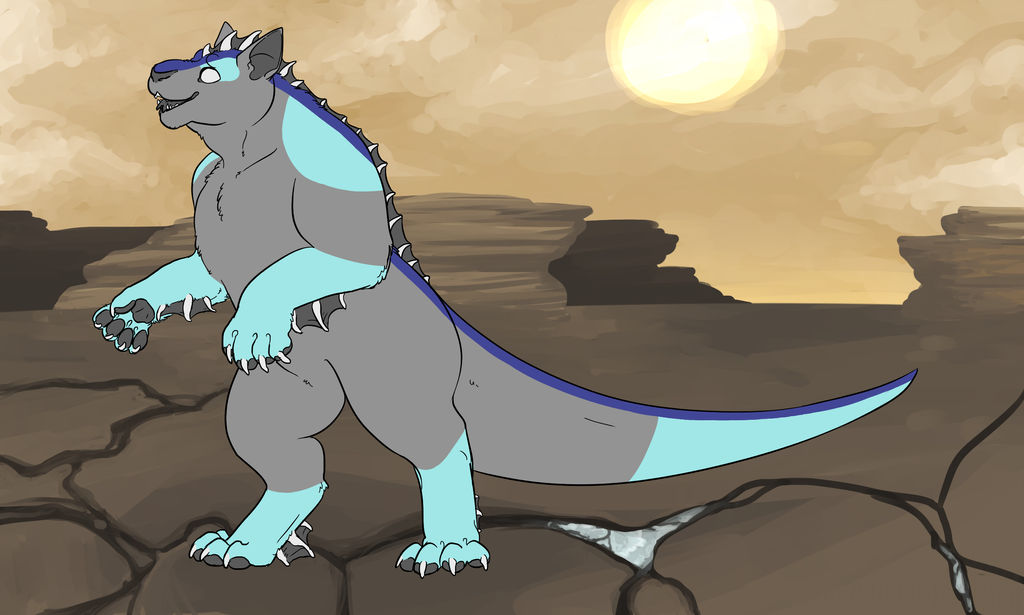
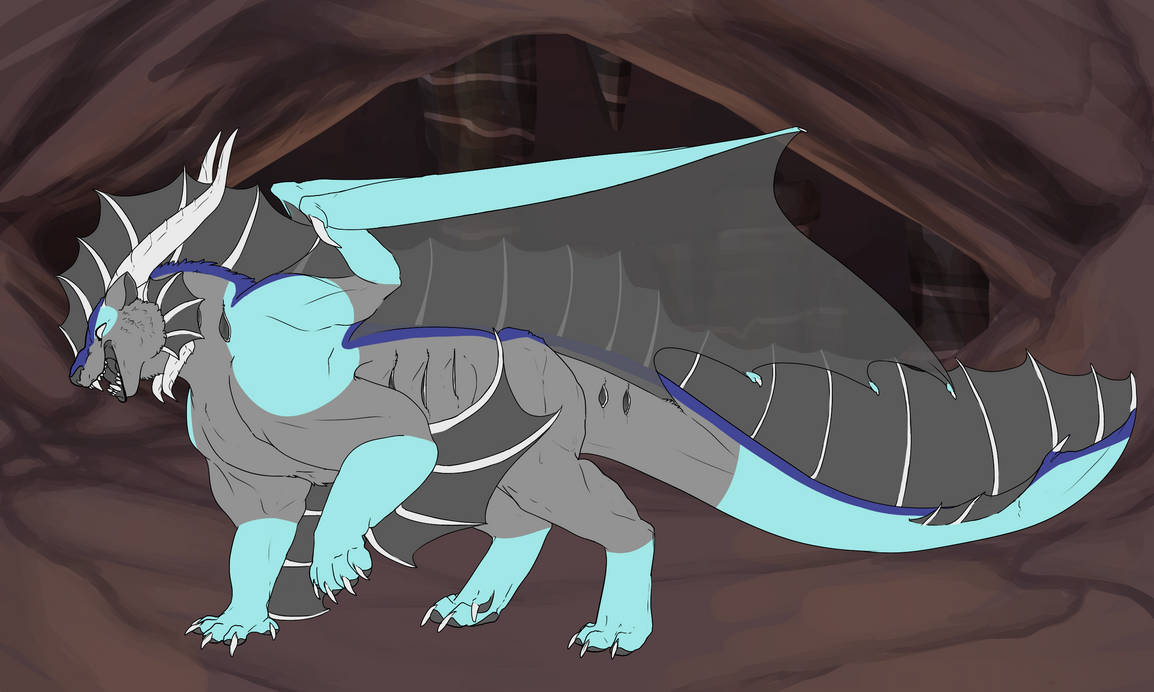
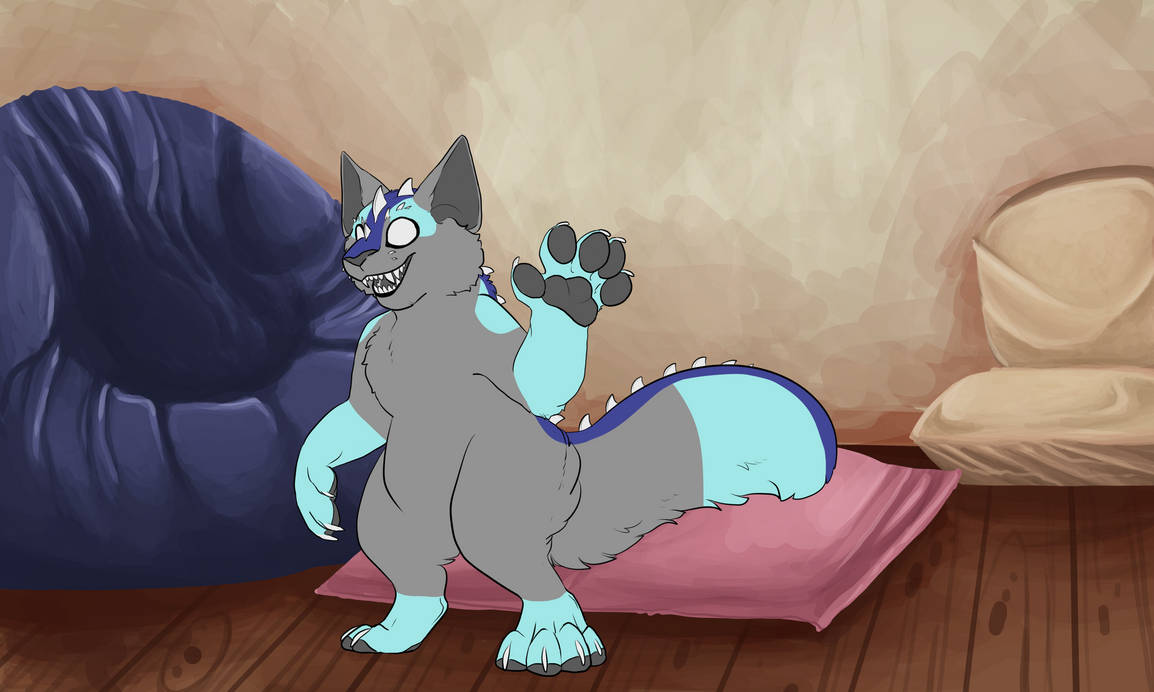

- Edges should be hard or soft. They should not be fully blurred out.
- Must be a darker shade of the base color.
- Dorsal stripe is mandatory, but additional striping on the shoulders/tail/wrists/ankles/forehead is an optional design choice! Feel free to add that or leave it out as you please!
- There is no minimum range (other than the dorsal stripe being mandatory), but it should appear visibly on the design.
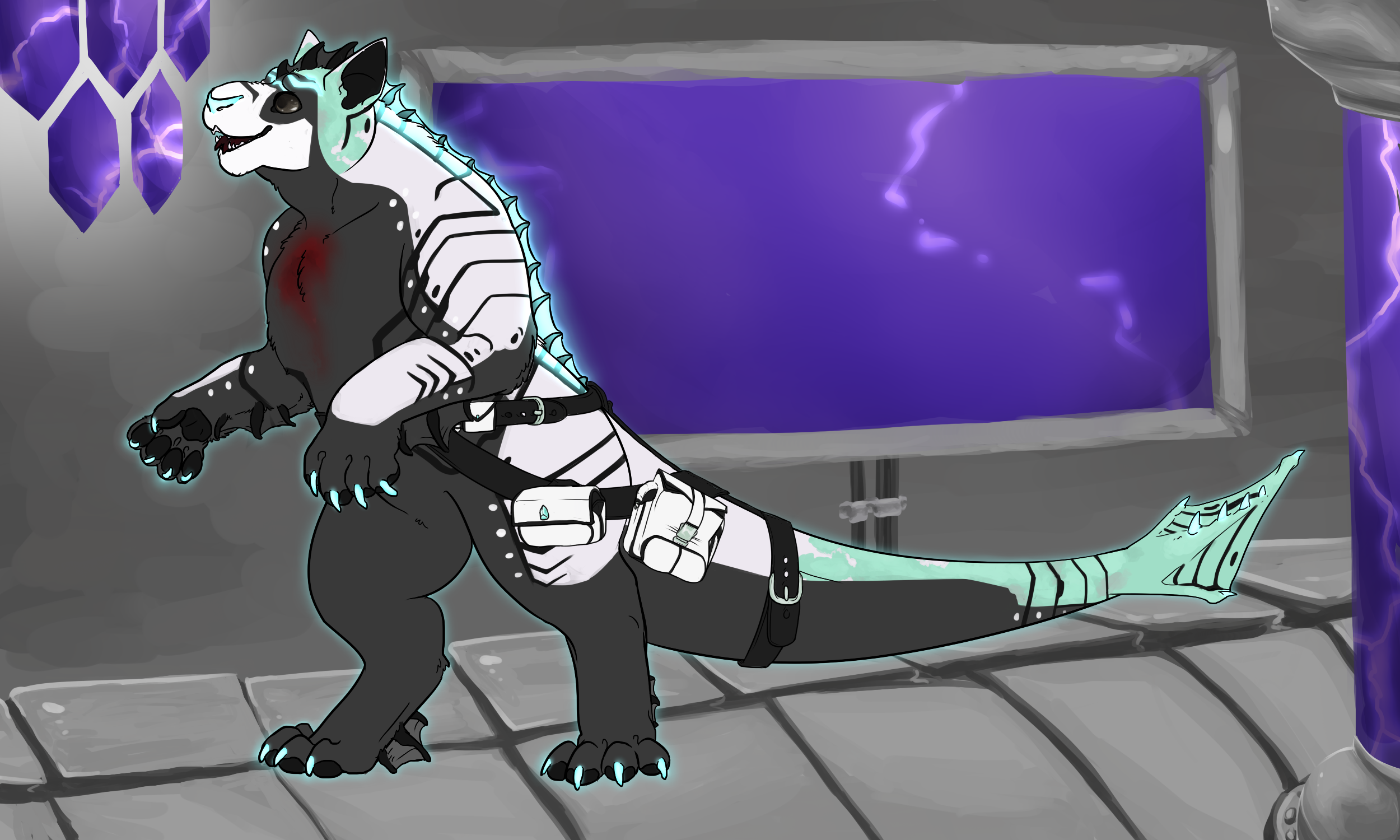
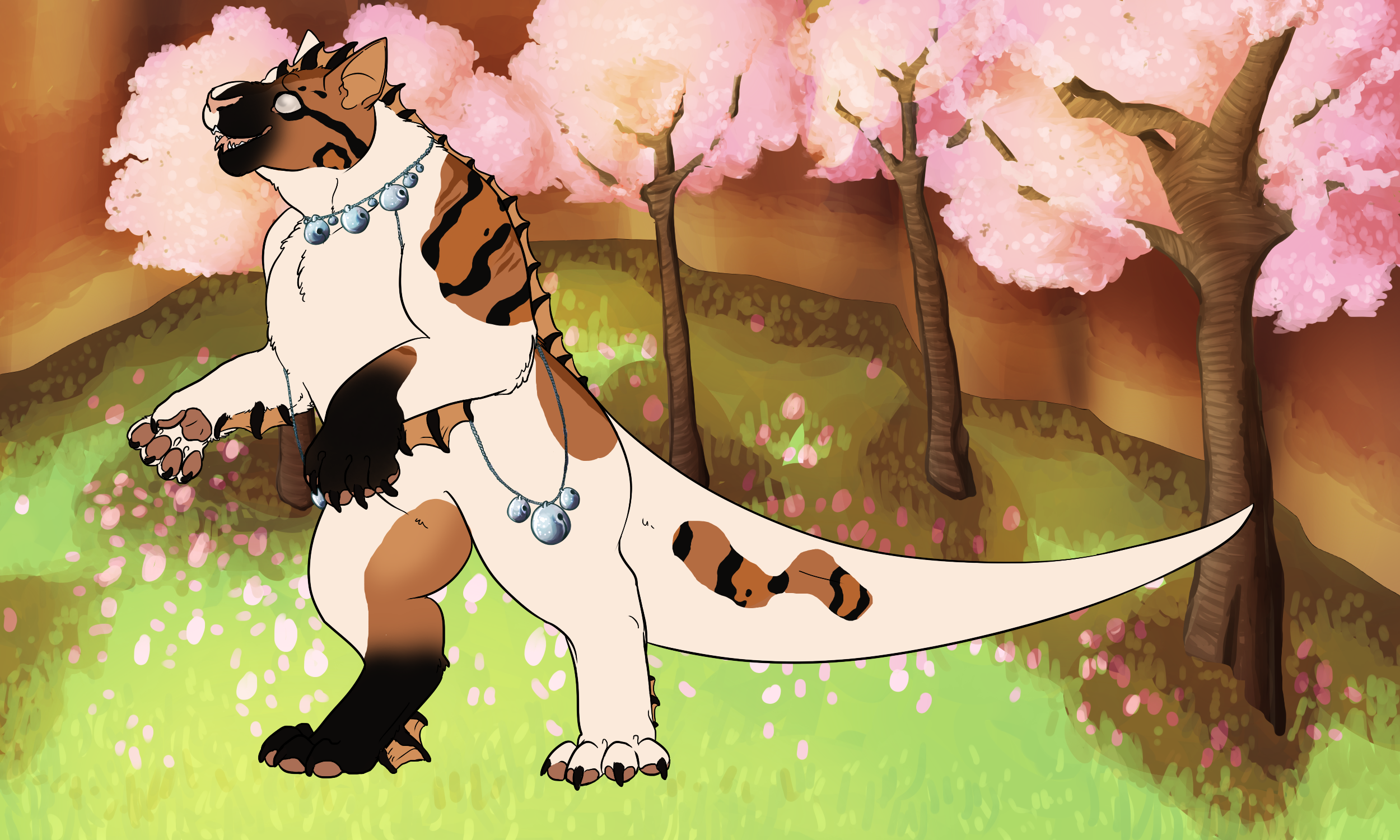
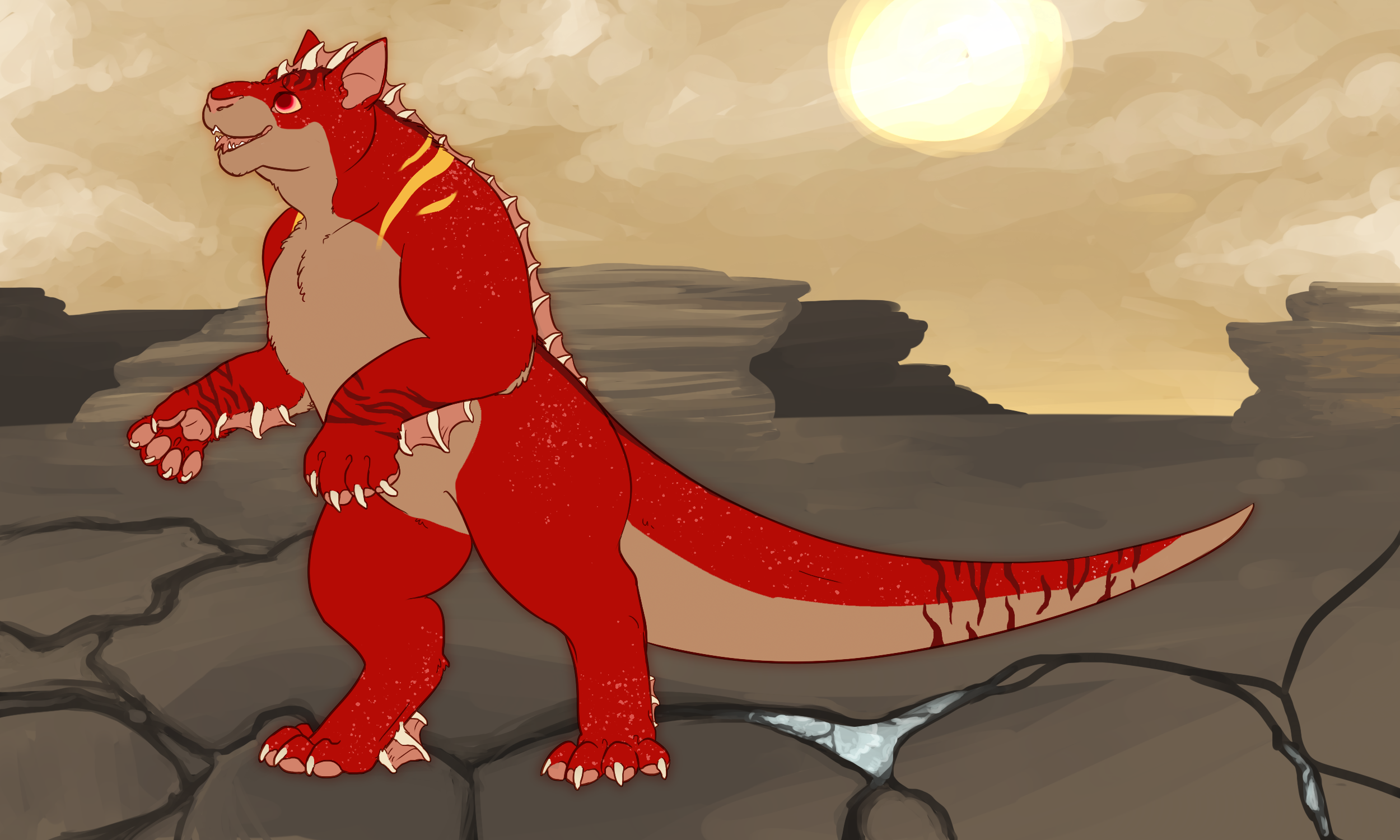
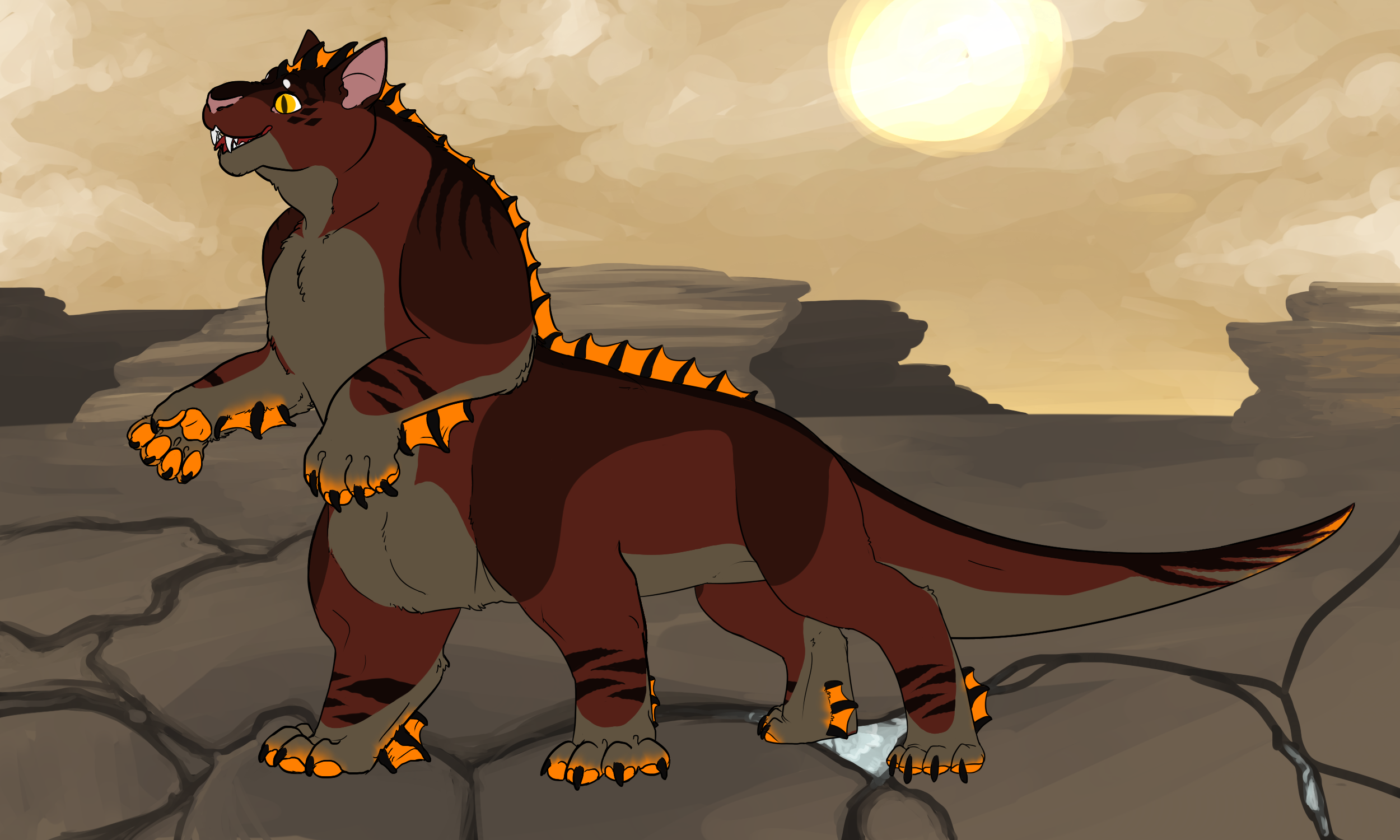
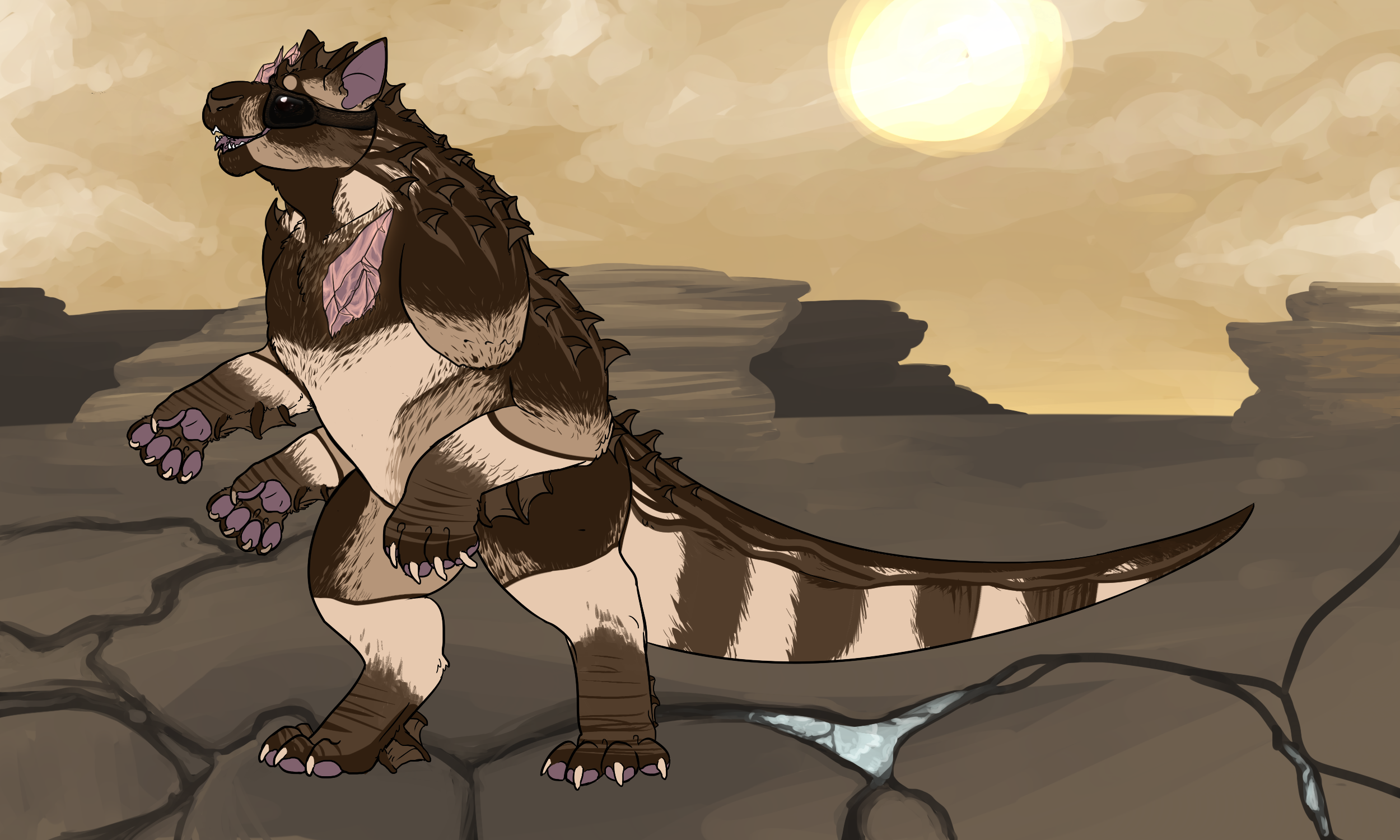
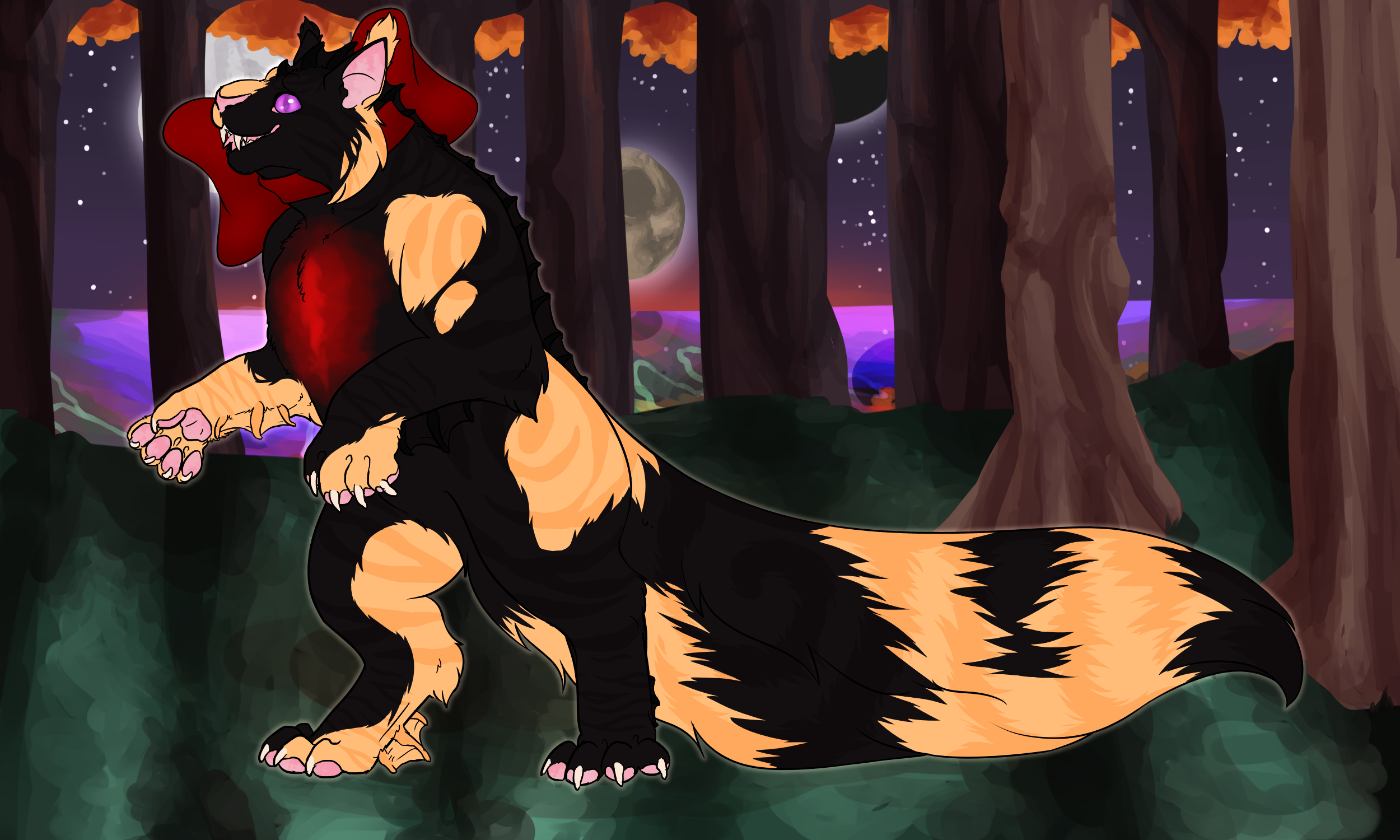
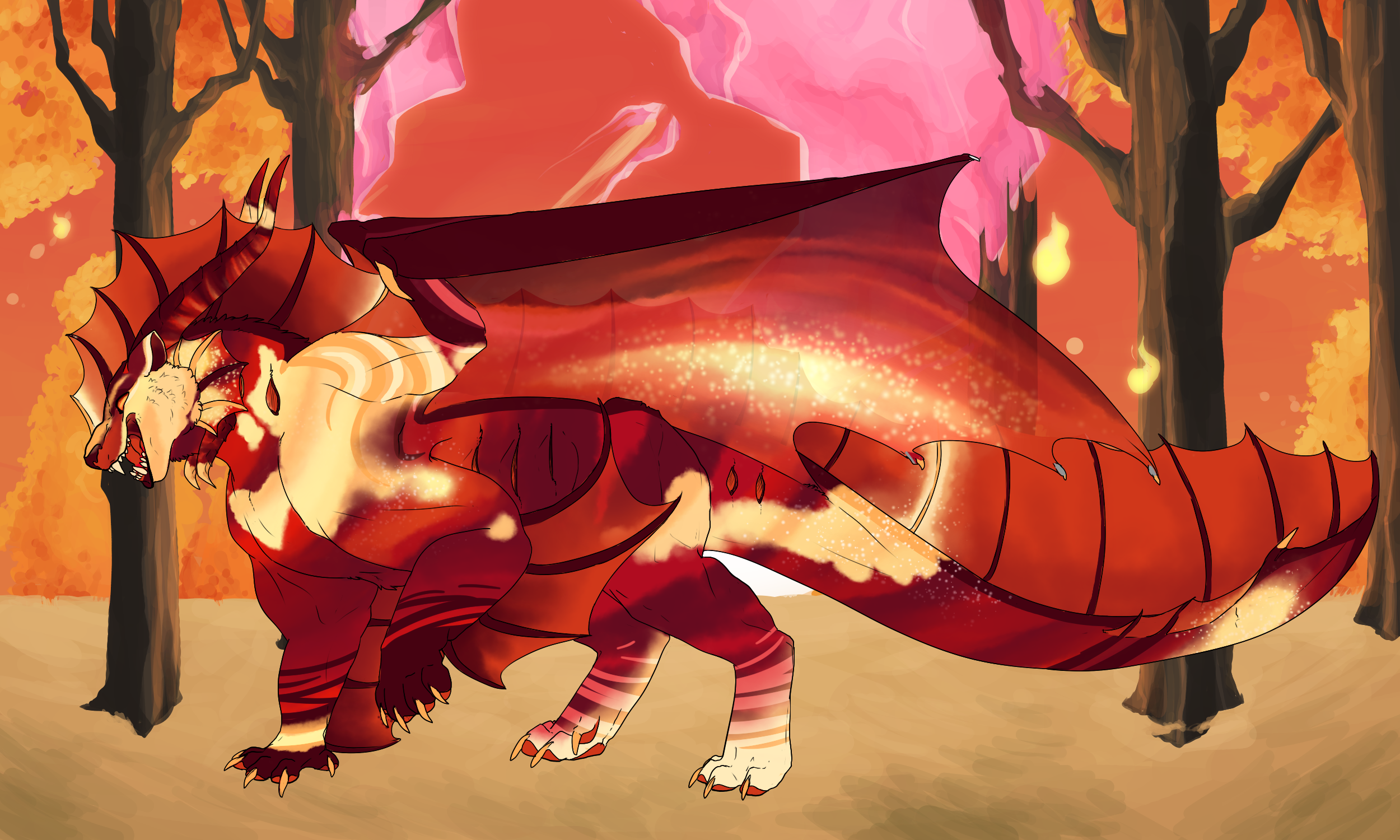
Examples:
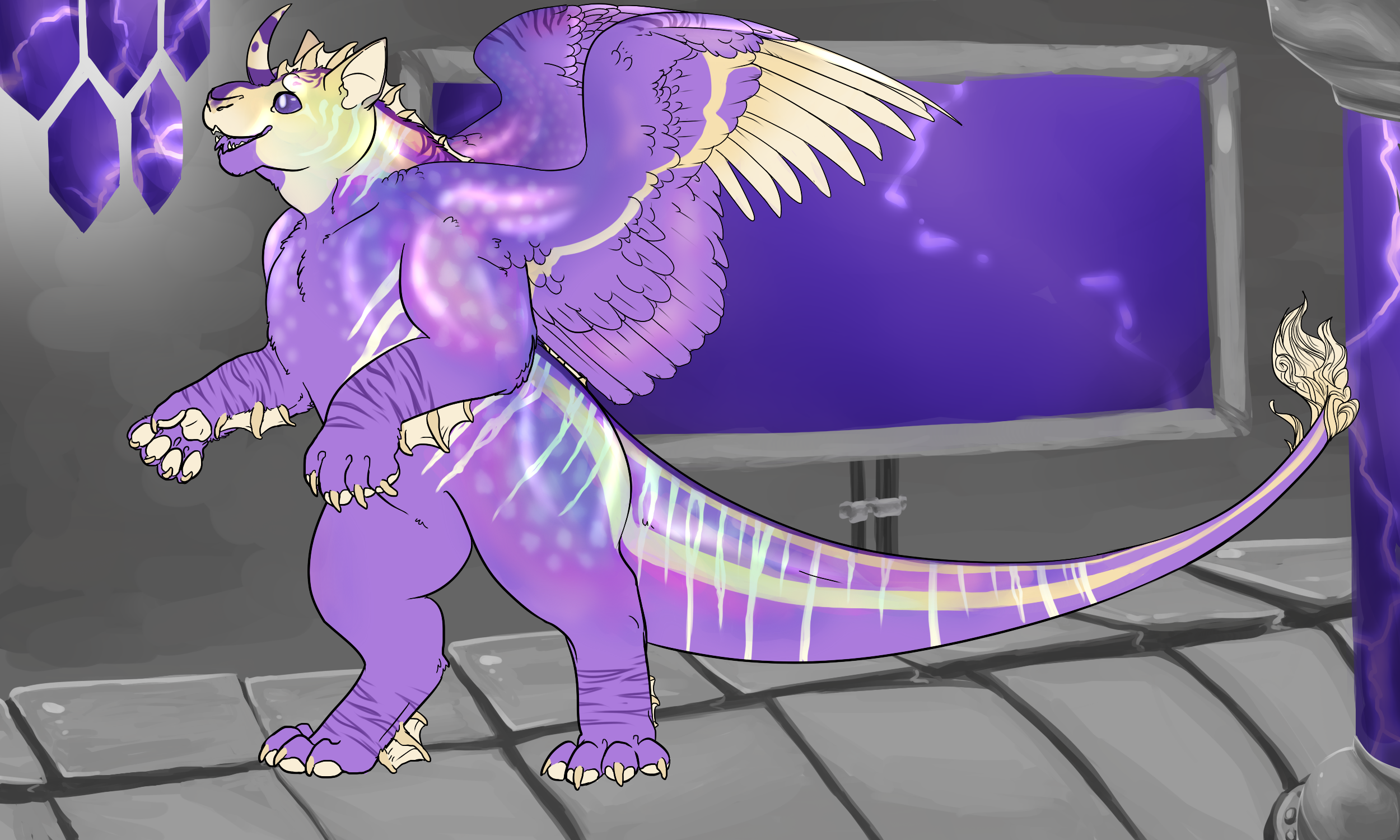
Dapple (nDpl/DplDpl) (Common)
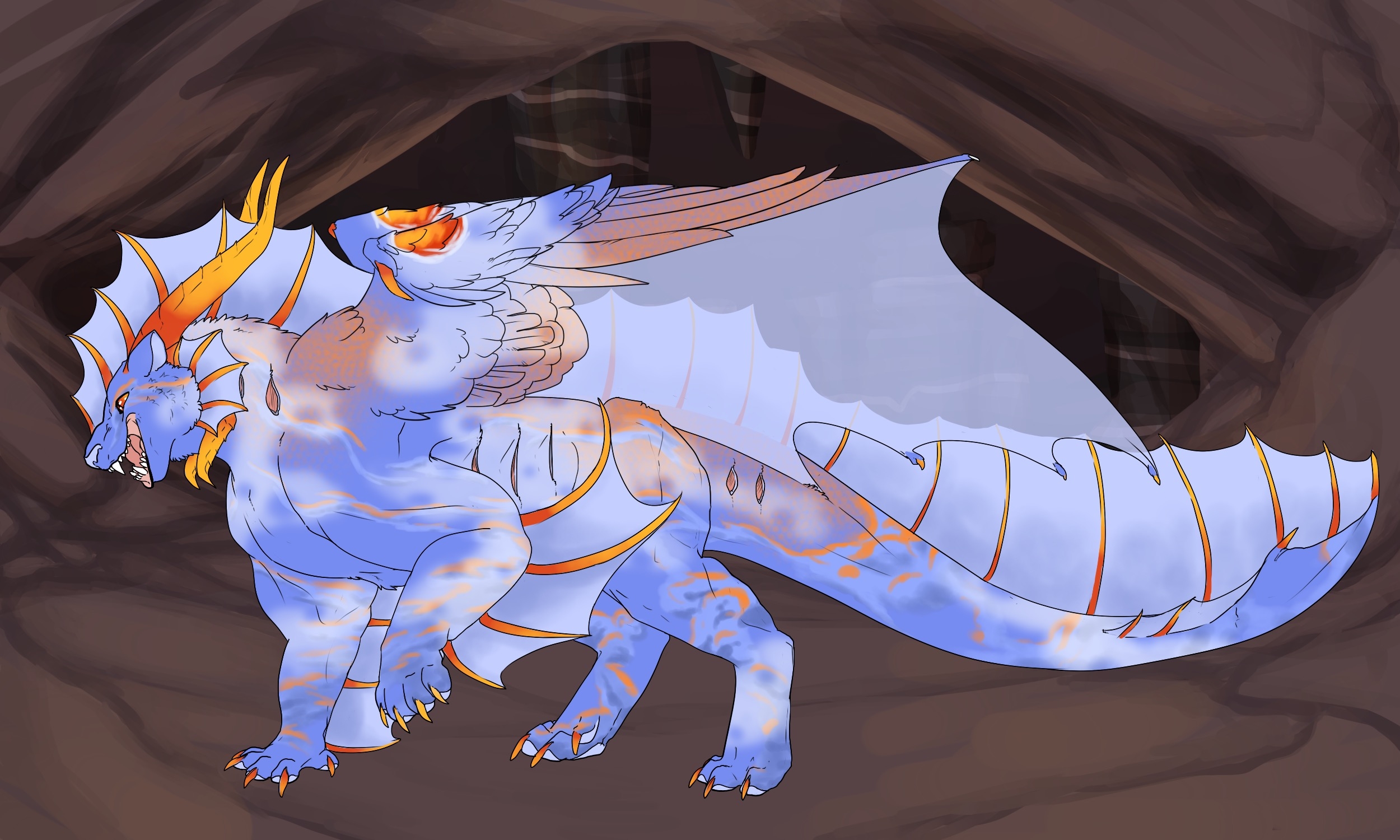
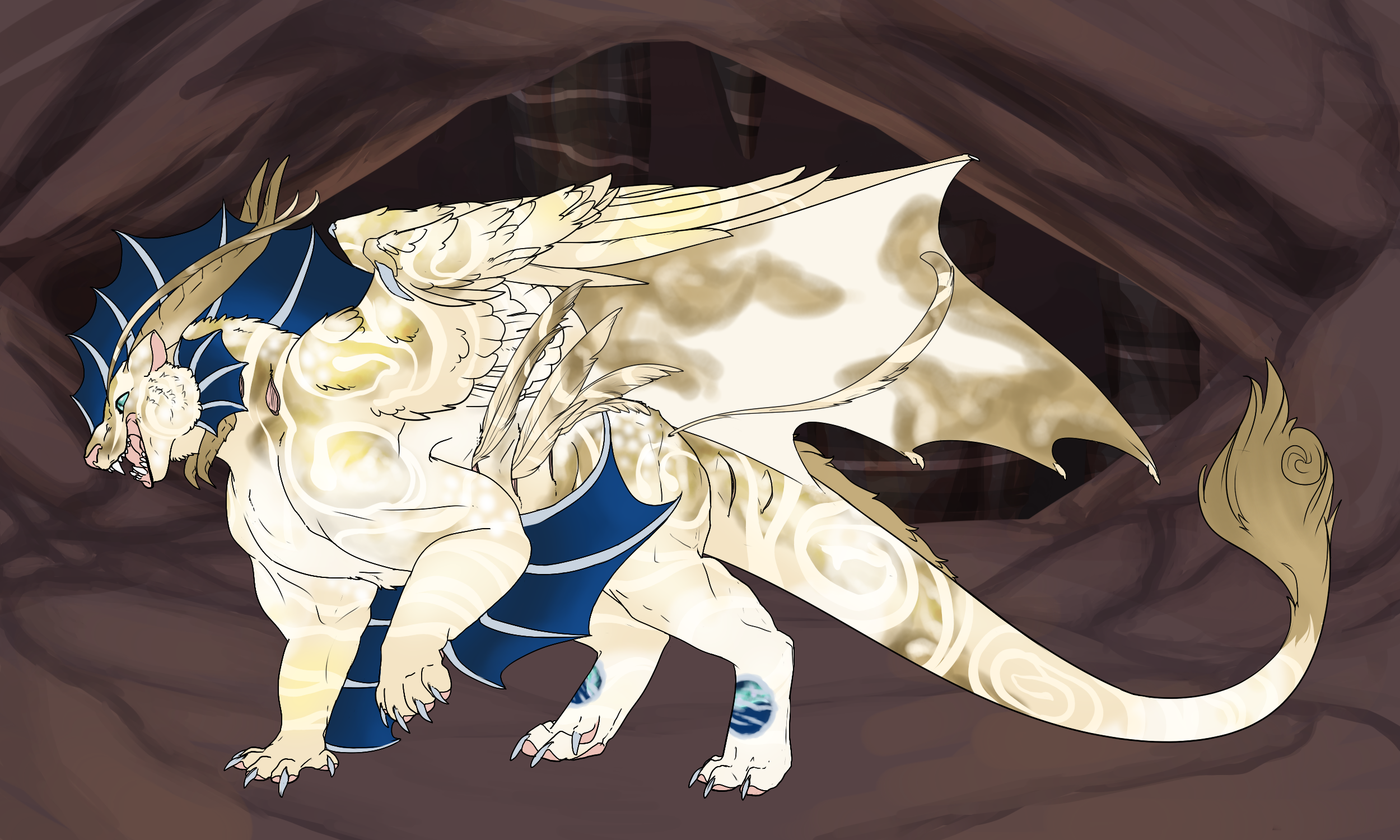
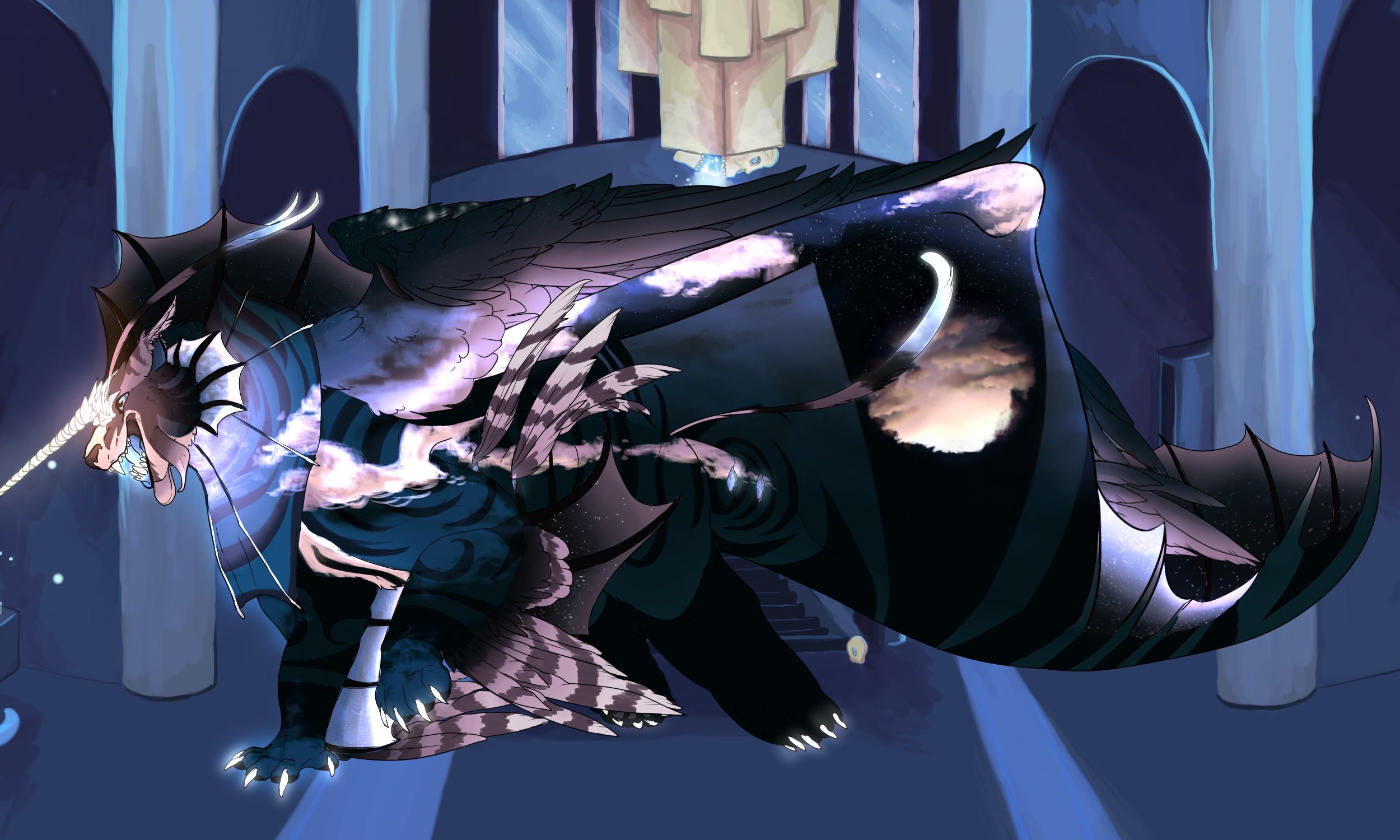
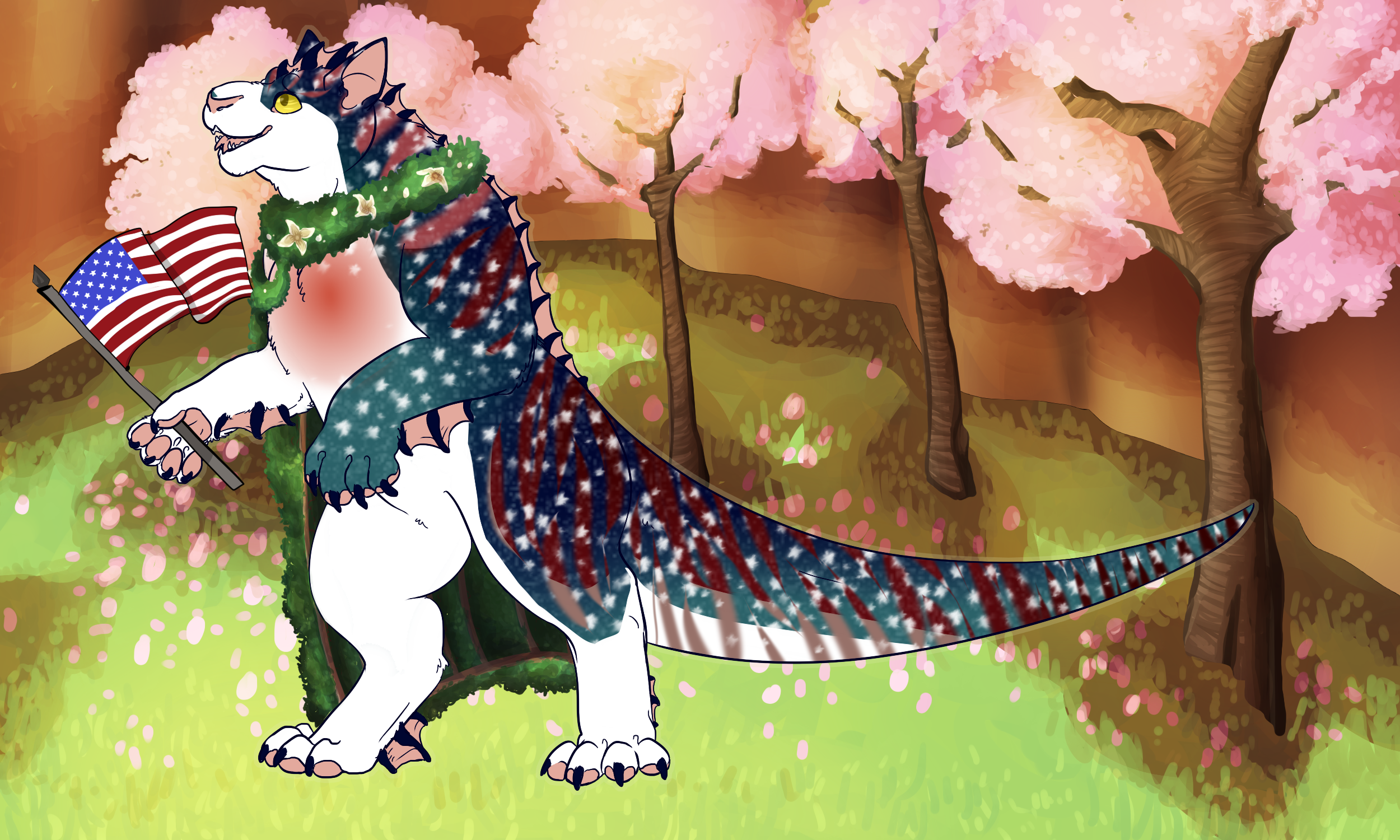
A cluster of pale, soft spots on the body, often shaped like stars.
- Edges should be soft, and can be textured. They can be simple spots, or can be shaped more like 'stars'.
- Must be lighter than the base color.
- Can be fullbody or in clusters covering partial sections of the body.
- At minimum, the marking should at least cover part of the torso, and can expand out from there.
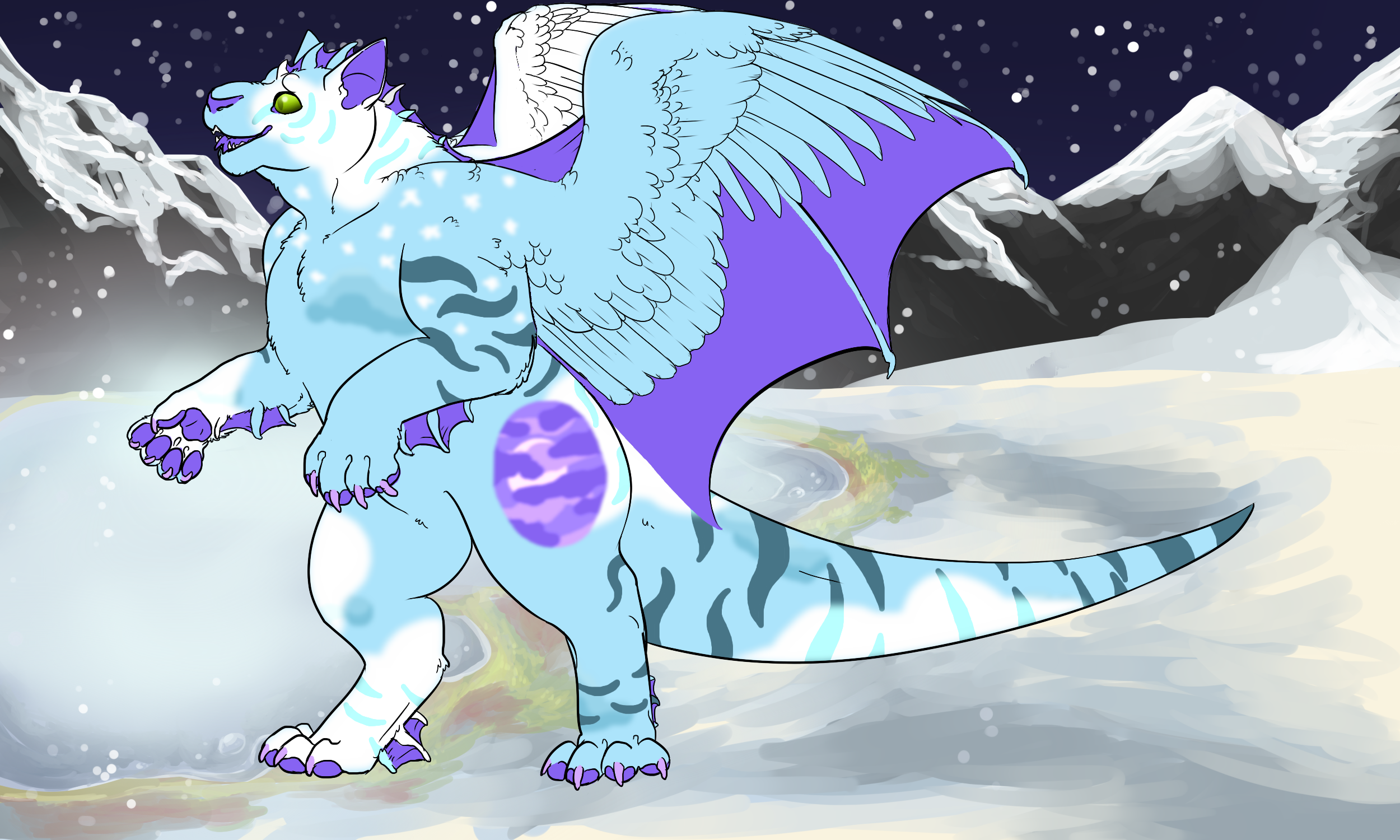
Examples:
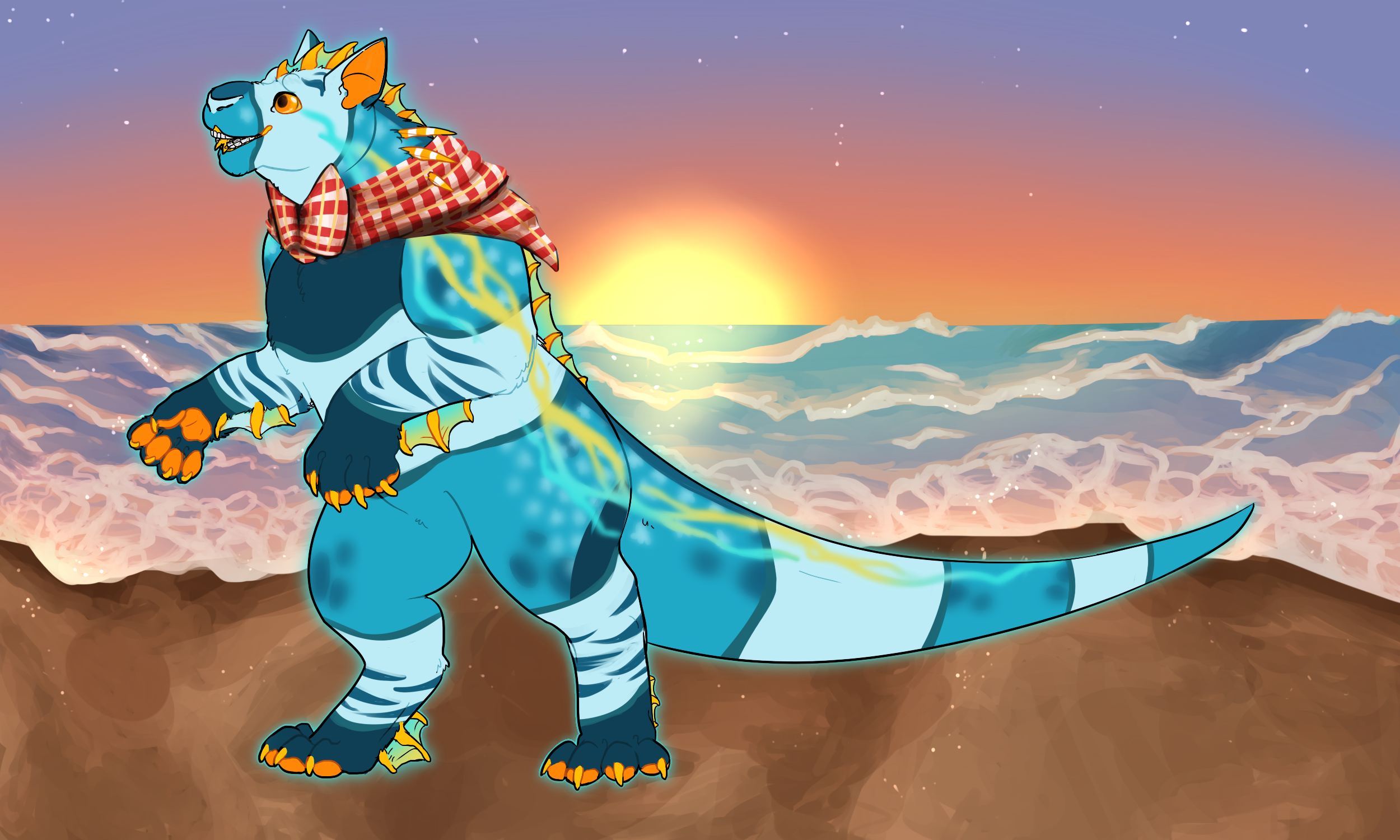
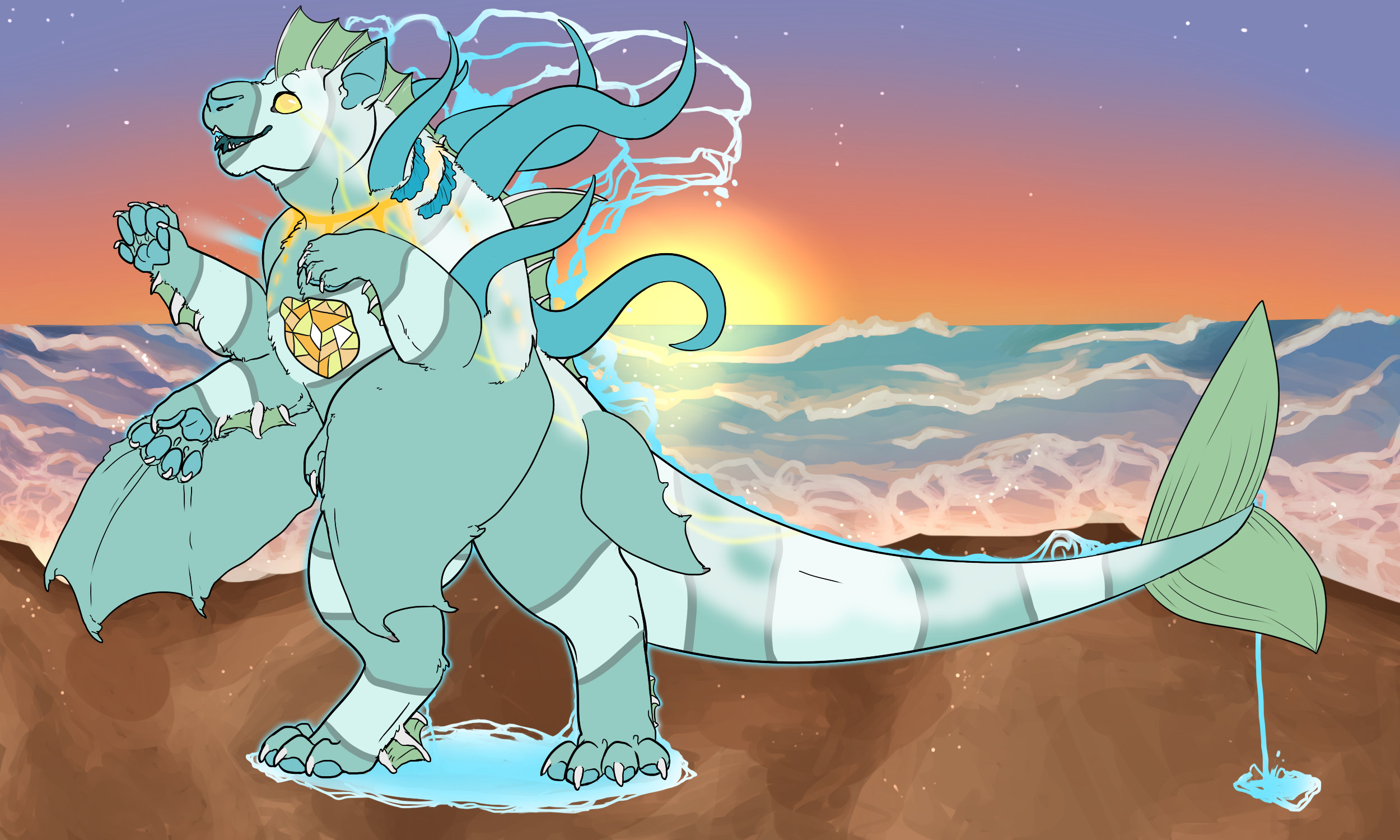
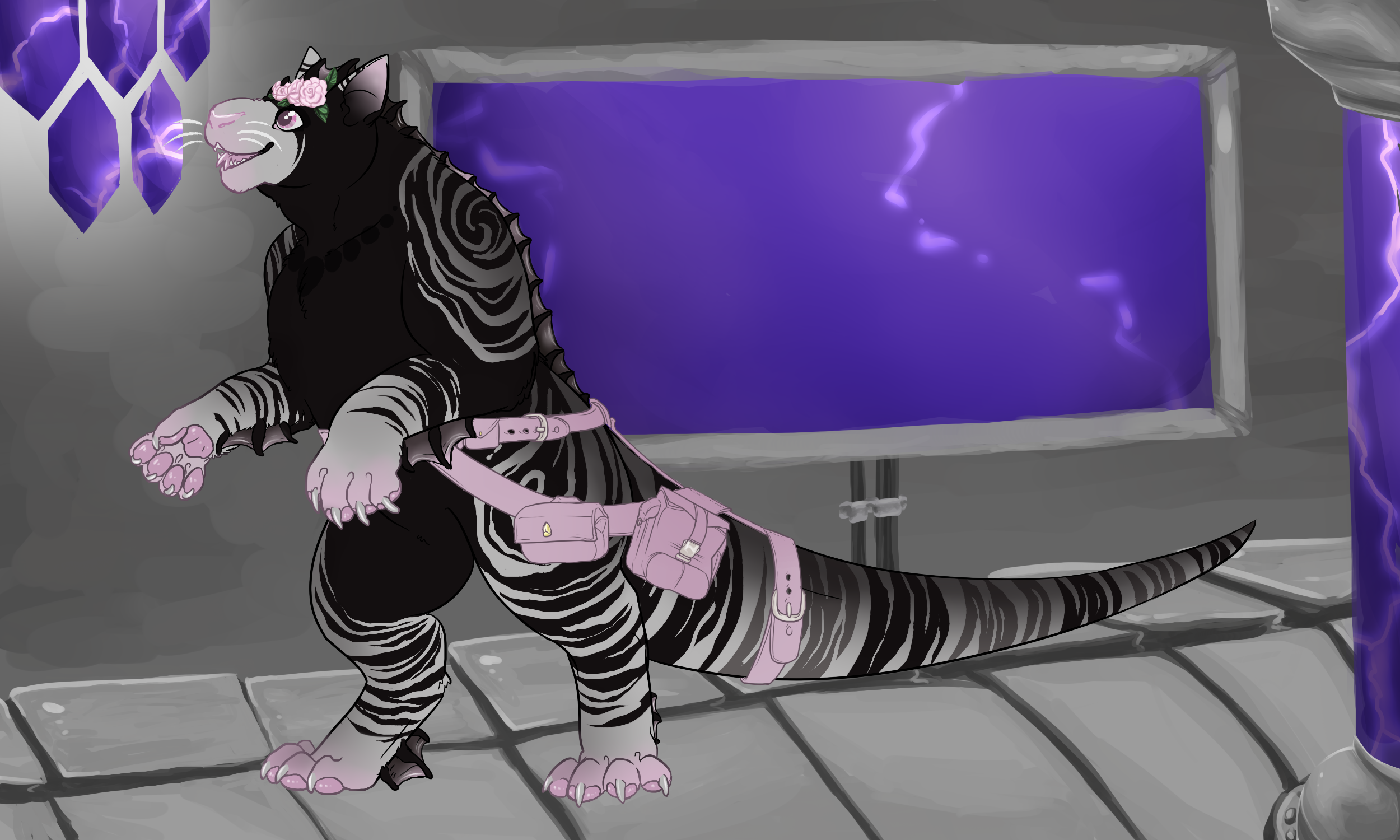
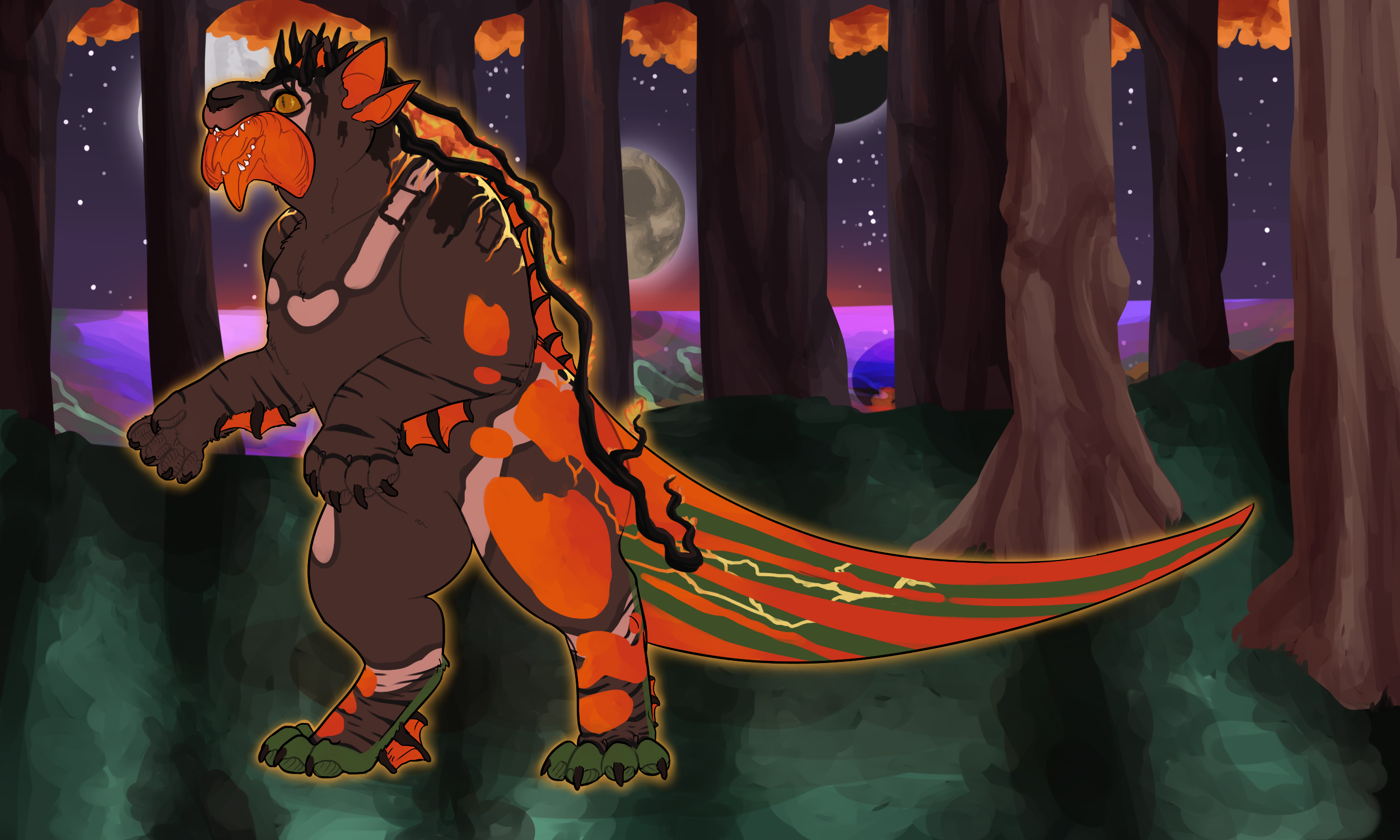
Clownfish (nClw/ClwClw) (Common)
Thick bands, lighter than base coat, that wrap around the body. Can have a dark border around them.
- Clownfish presents as thick, pale bands that wraps around various parts of the body. Unlike Hood, the bands can be broken, but take care to not break them up so much that they begin to resemble spots!
- Clownfish must be a lighter shade of the base coat, including white. Optionally, it can have a dark border around the marking. It may have a gradient, but it must be within a similar hue, not heavily two-toned.
- Edge may be hard, textured, or somewhat soft. It should not be fully blended out.
Examples:

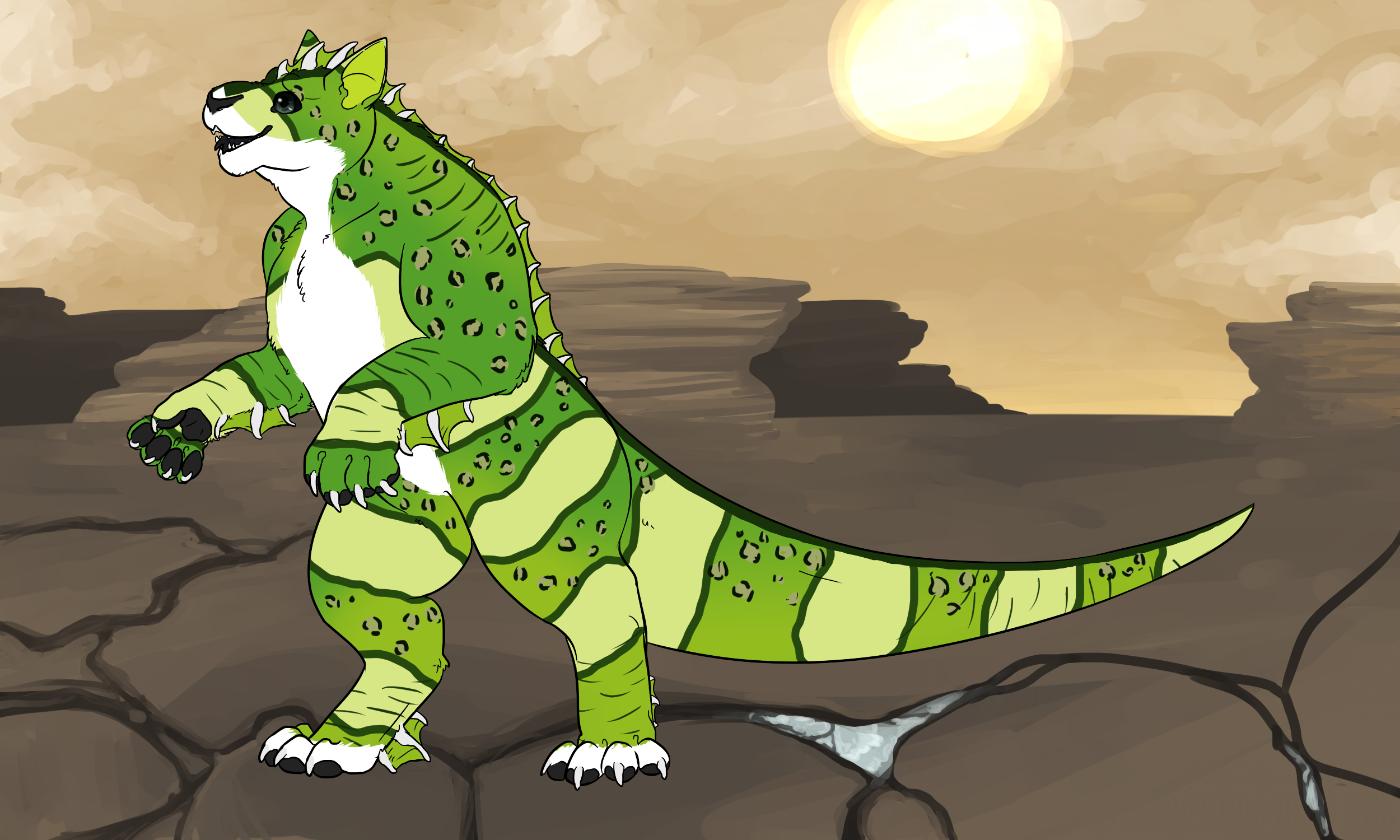
Cloak (nClk/ClkClk) (Common)
Range:
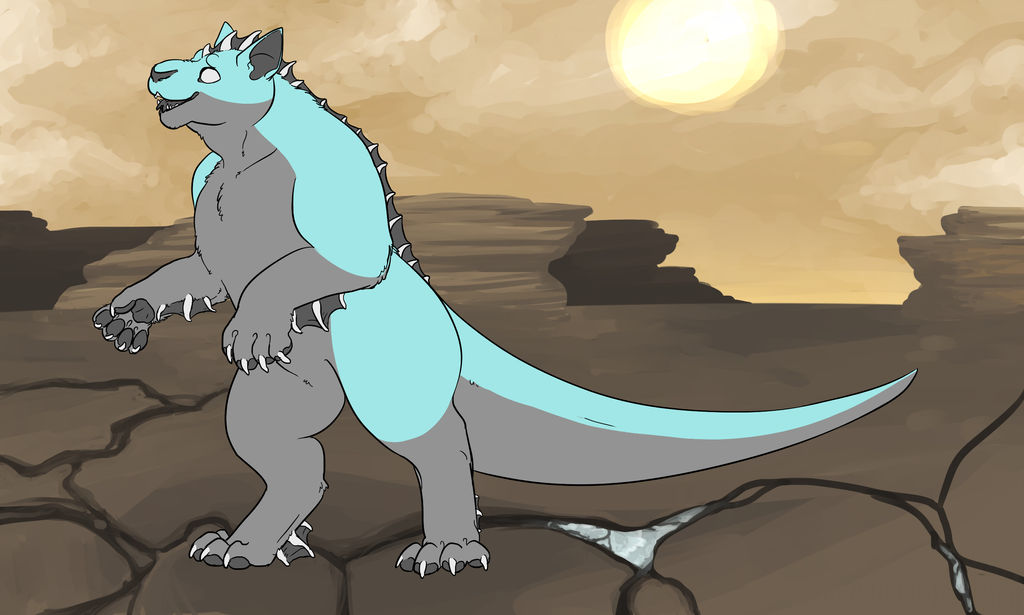
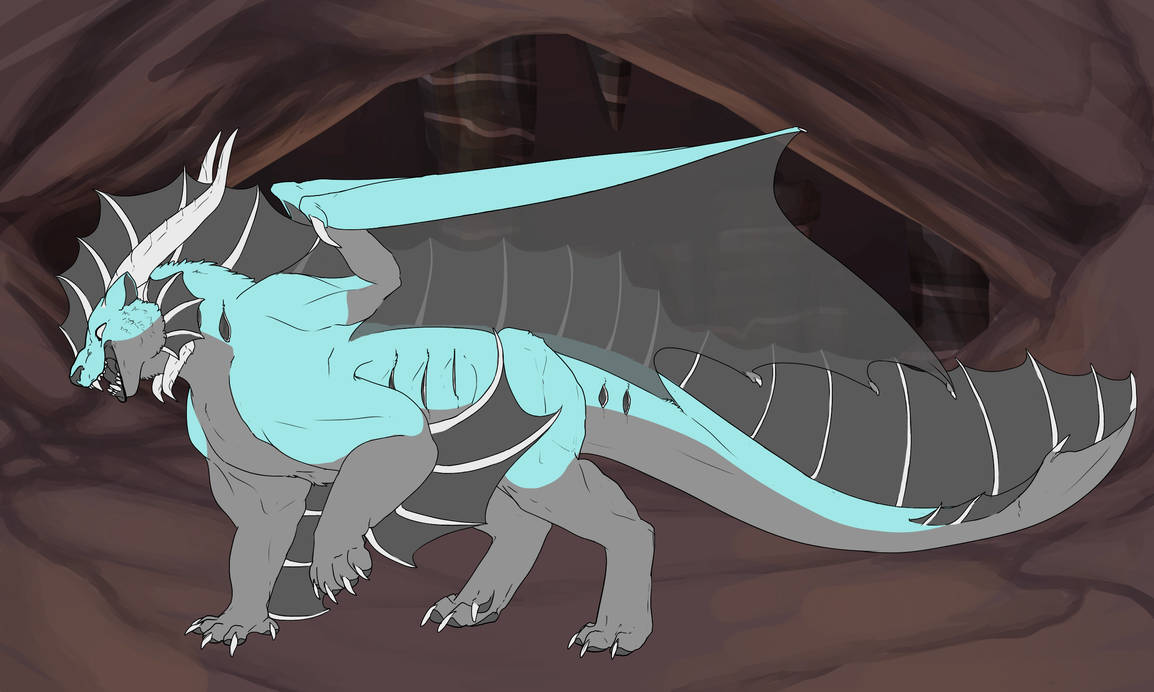
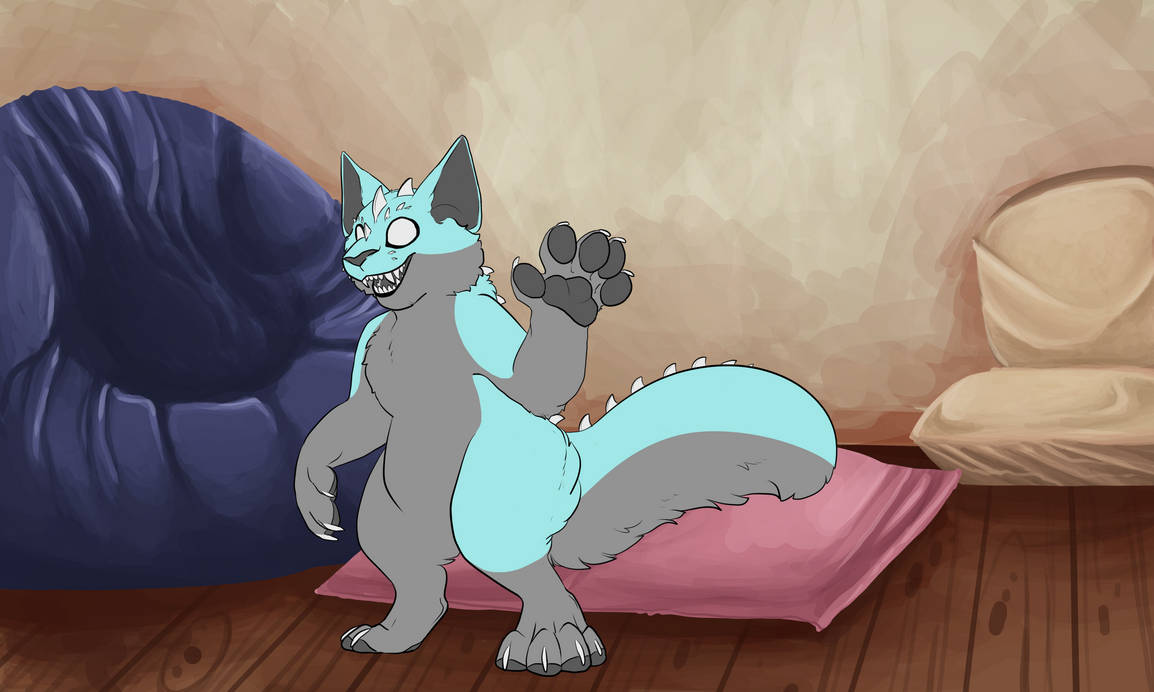
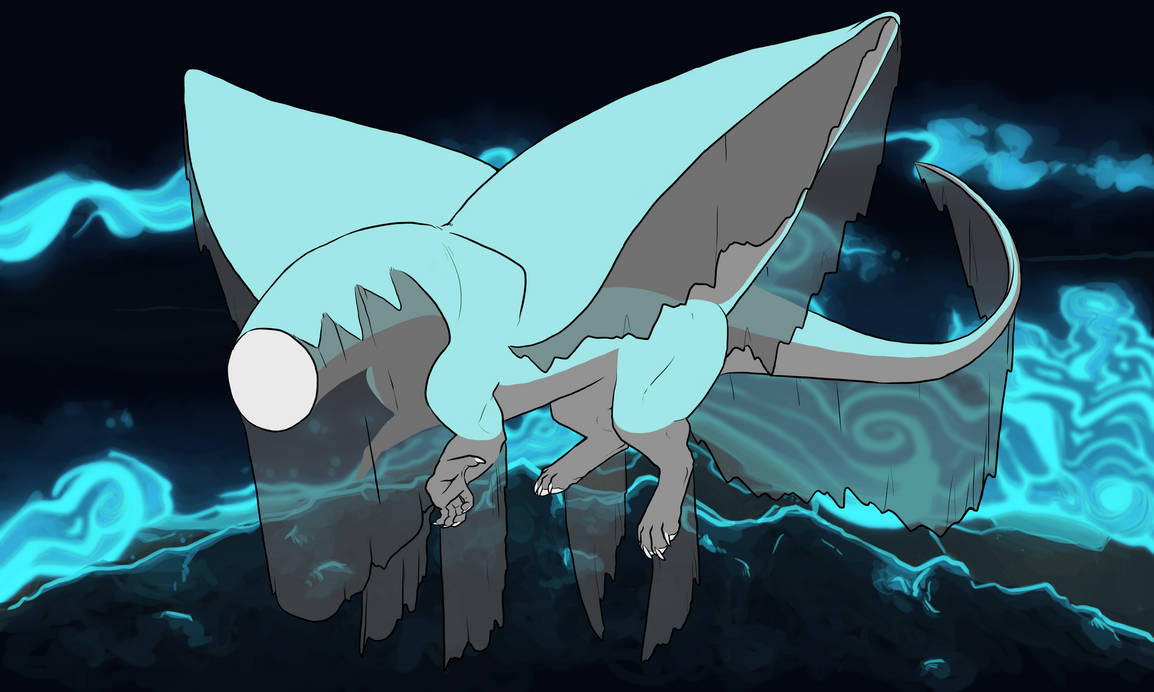
- Cloak may be a lighter or darker shade of the base coat, including black and white. It may have a gradient, but it must be within a similar hue, not heavily two-toned.
- Edge must be hard or textured, and may have unnatural shapes.
- Cloak does not have a minimum, but must appear noticeably on the design.
- There can be breaks and cutouts in the marking.
Examples:
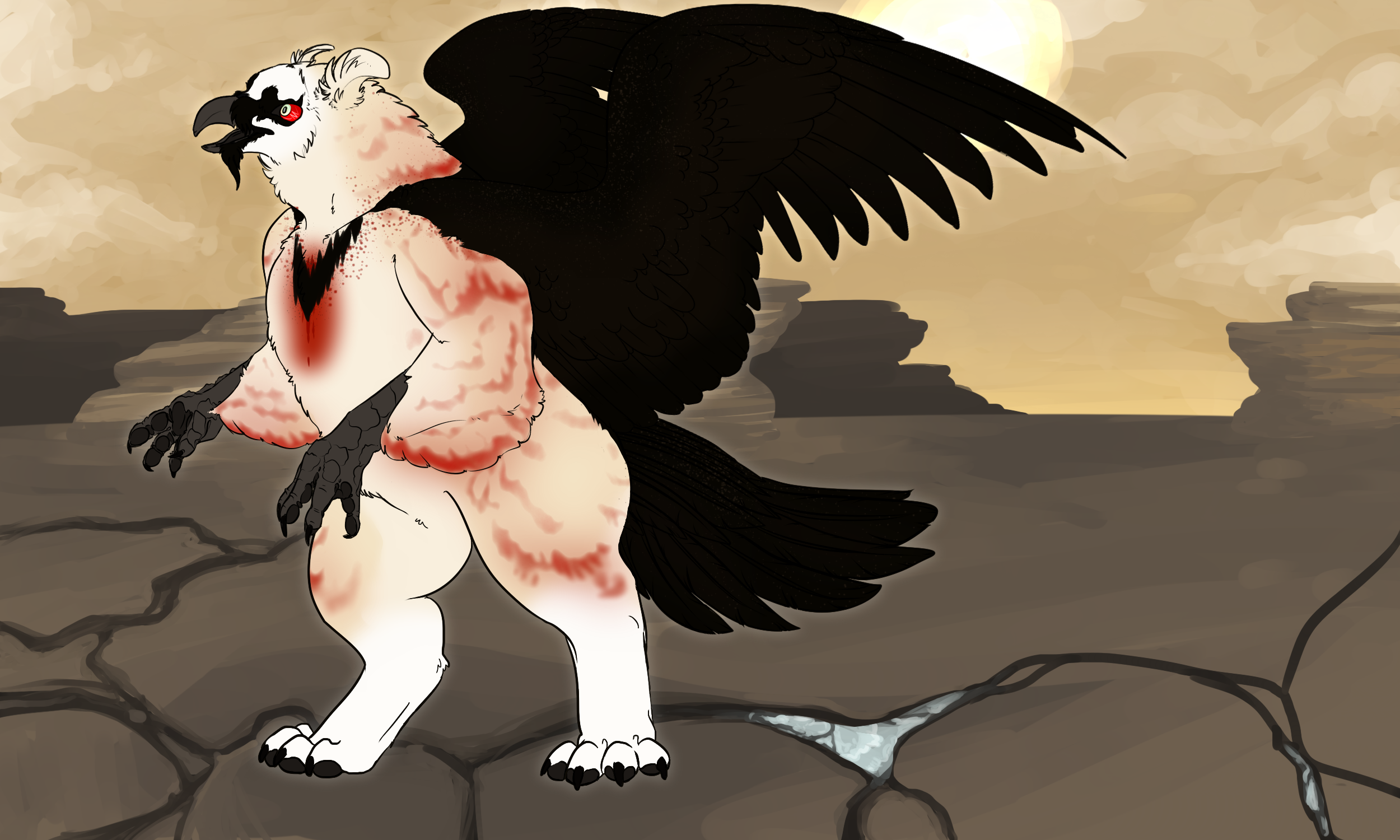
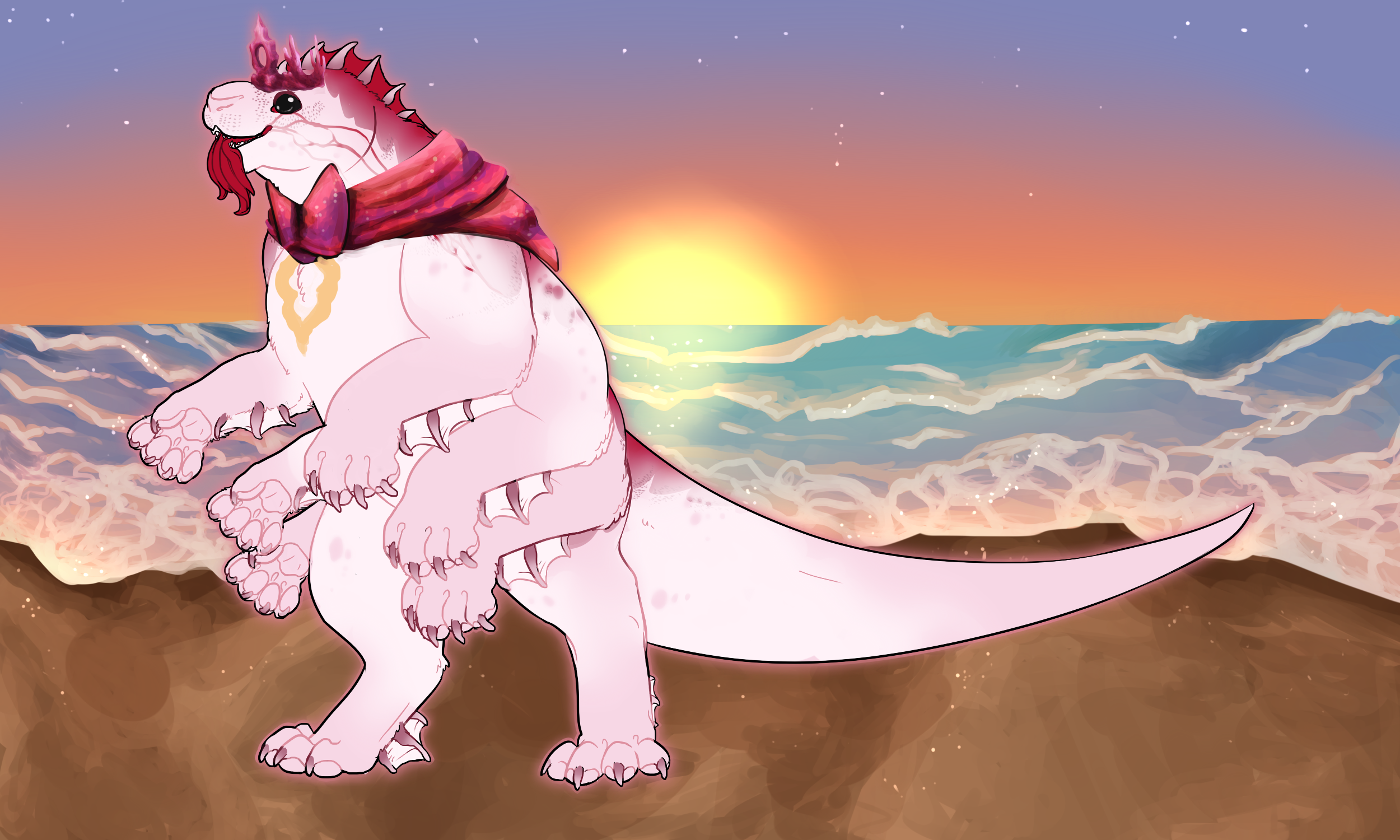
Labyrinth (nLby/LbyLby) (Uncommon)
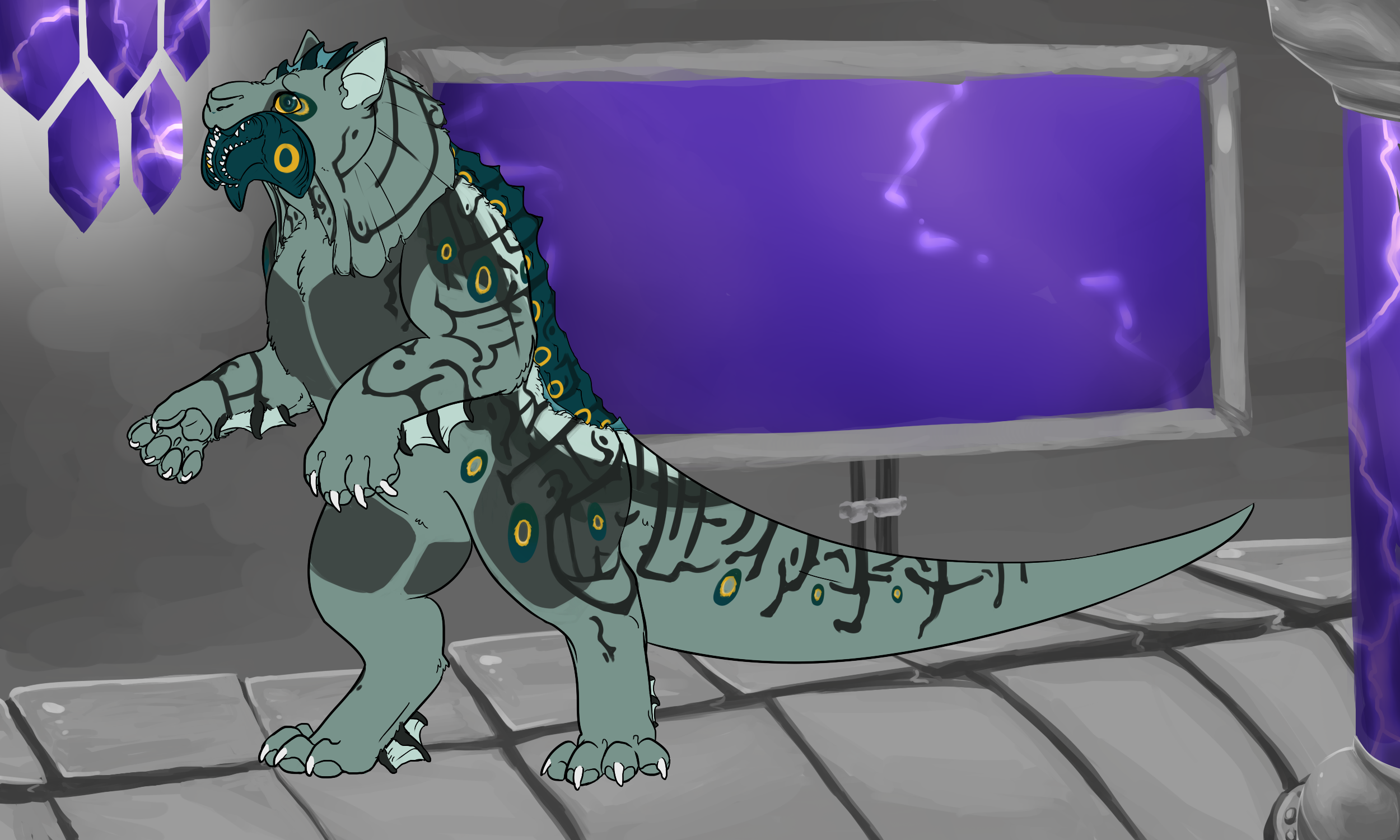
A dark, hard-edged marking featuring geometric stripes, looking fairly like a 'maze'.
- Labyrinth must be darker than the base coat. It is typically hard-edged.
- Labyrinth features 'geometric' stripes forming a maze-like structure - bold lines, squares and hoops interlocking together. The gene is based on the markings of the Barred Sorubim and other similar Pseudoplatystoma catfish, as such, referring to them as examples may be more helpful than text descriptions.
- Other good real life examples include circuitboard patterns, literal mazes, and ball python morphs with thin patterns such as pinstripe and super blast
- It has no maximum and can cover the full body if desired. It has no minimum, but should be noticeable on the design.
Examples:
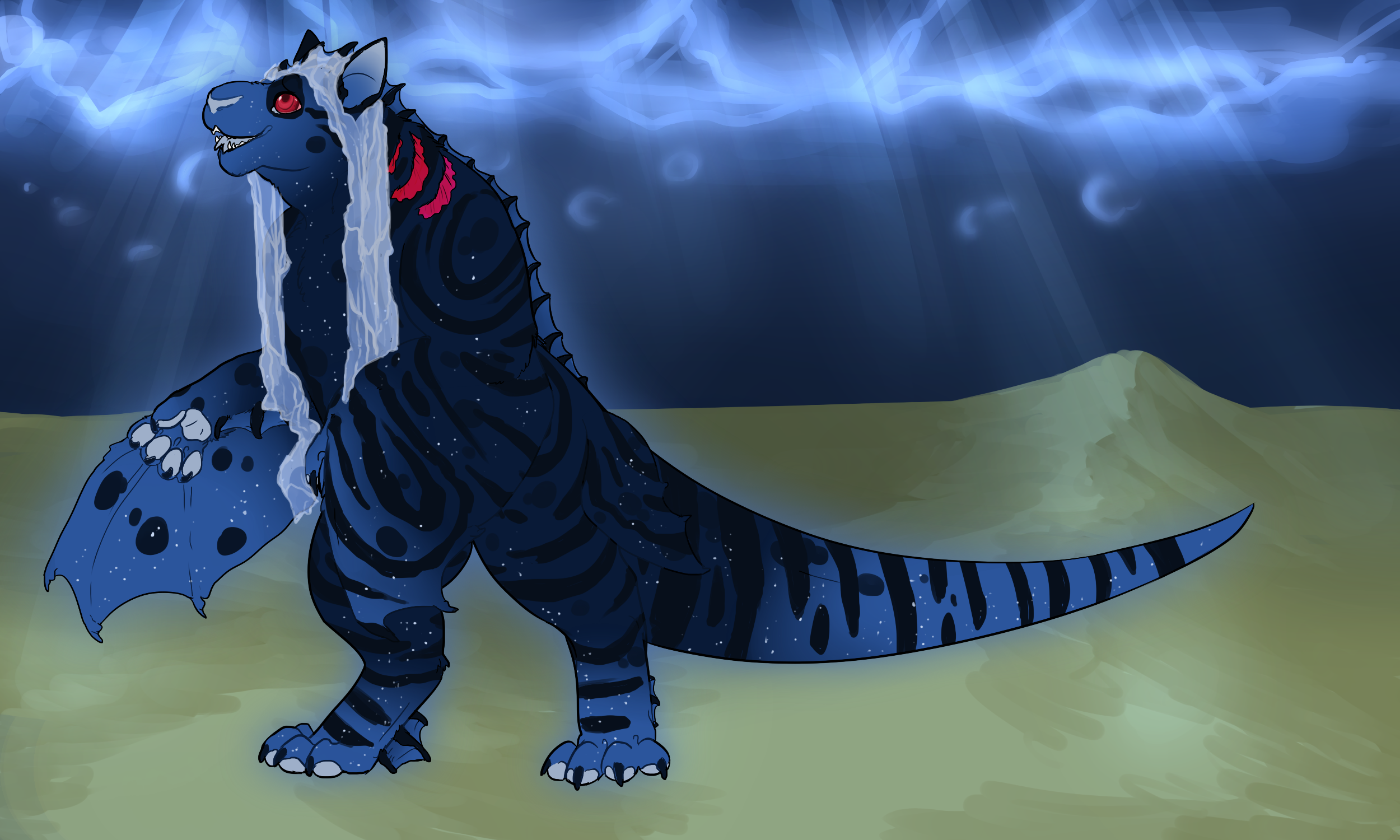
Tabby (nTab/TabTab) (Uncommon)
- Tabby must be darker than the base coat. It may have a gradient, but it must be within a similar hue, not heavily two-toned.
- It is typically hard- or textured-edged. It should not be blended out, but can be somewhat soft-edged.
- It has no maximum and can cover the full body if desired. It has no minimum, but should be noticeable on the design.
- Tabby Point and Spotted Tabby are okay to use!
- If using a Spotted Tabby pattern, to look like a variant of tabby rather than other markings, make sure to include some solid unbroken stripes, and have your broken/spotted stripes lined up in noticeable stripe patterns!
Examples:
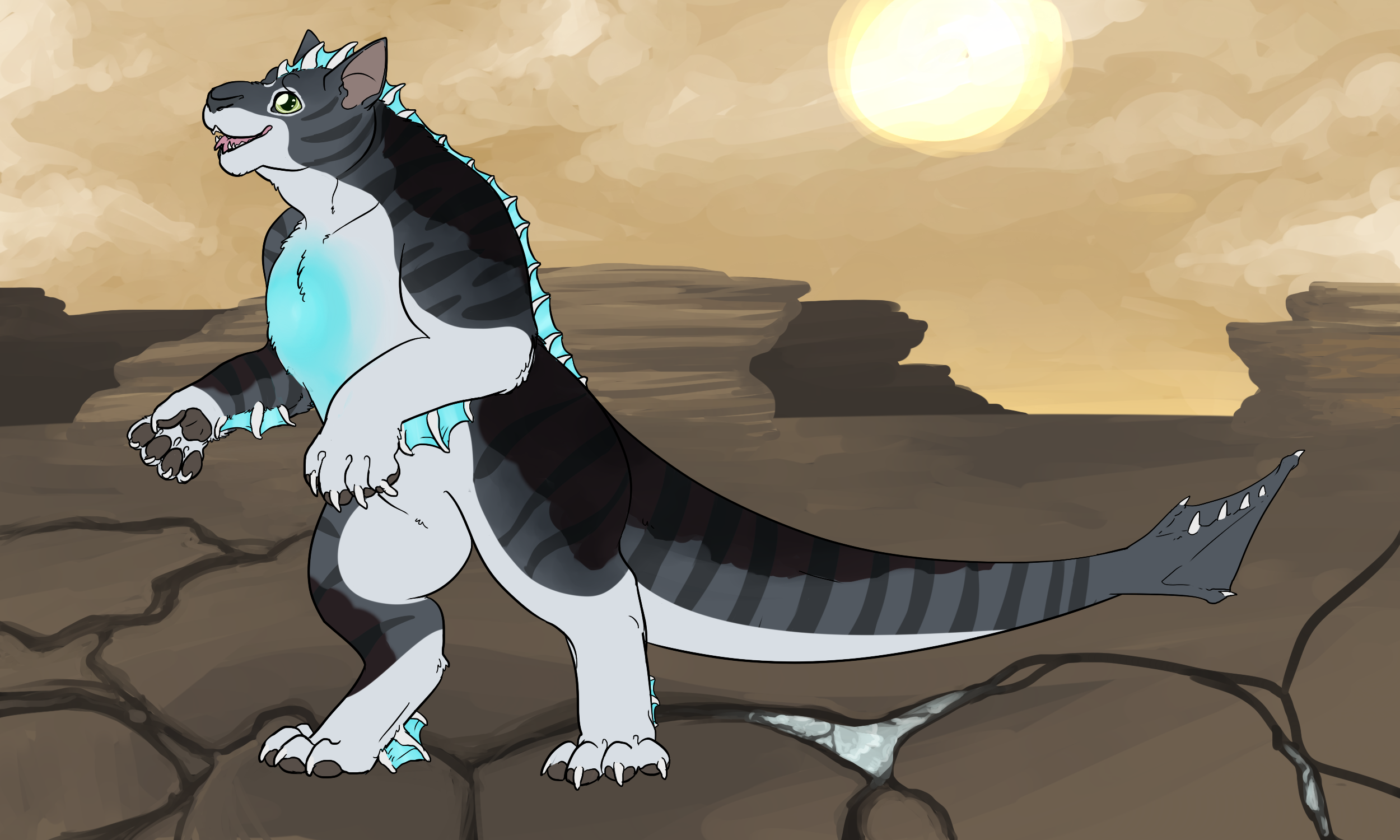
Splash (nSpl/SplSpl) (Uncommon)
A gradient of any base coat that blends into one marking. Dominant Splash can modify multiple markings.
- Splash should blend fully into the other marking while still showing part of the original marking's color. Small markings like Snowflake or Ticking do not have to show the blend perfectly but should still show both the original marking color and the Splash color.
- The gradient in Splash can be between any colors from either of the swatches from the chosen base coat.
- If no other marking exists on the Rixixi, Splash can create a Pangare-like marking in a gradient of any base coat.
Examples:
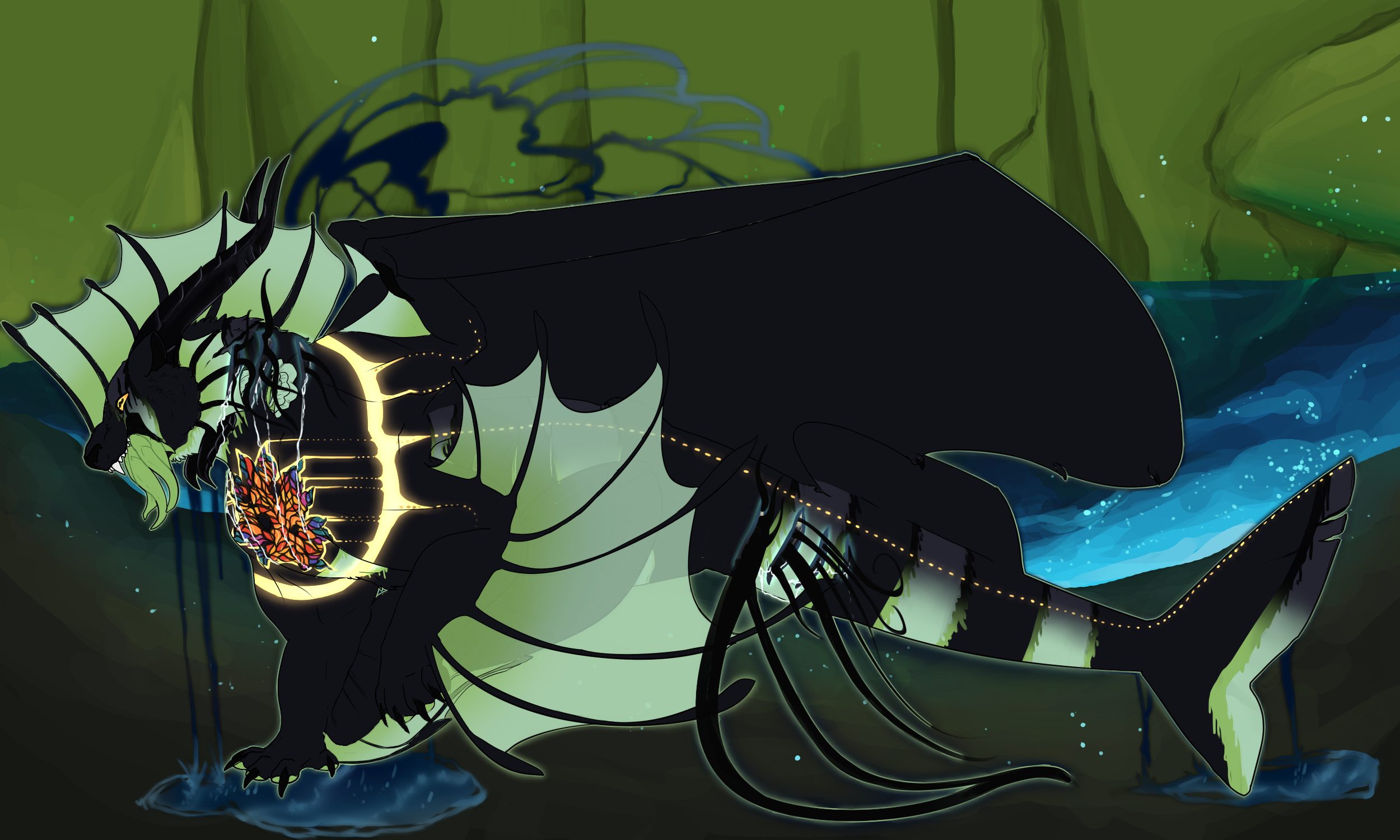
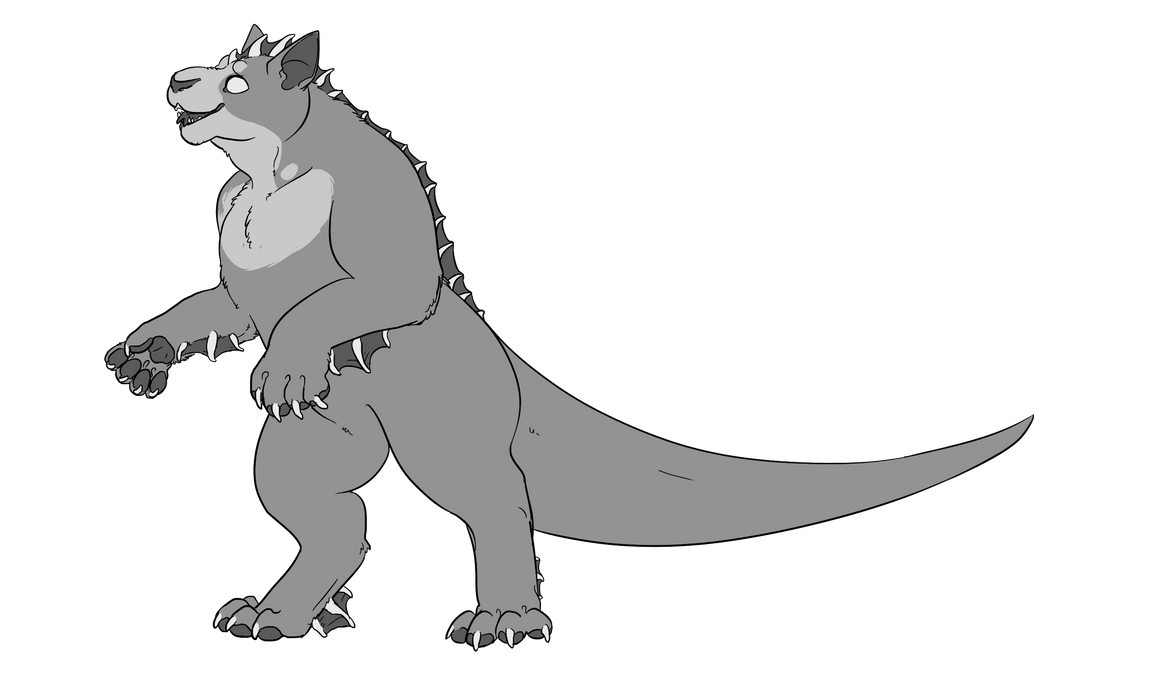
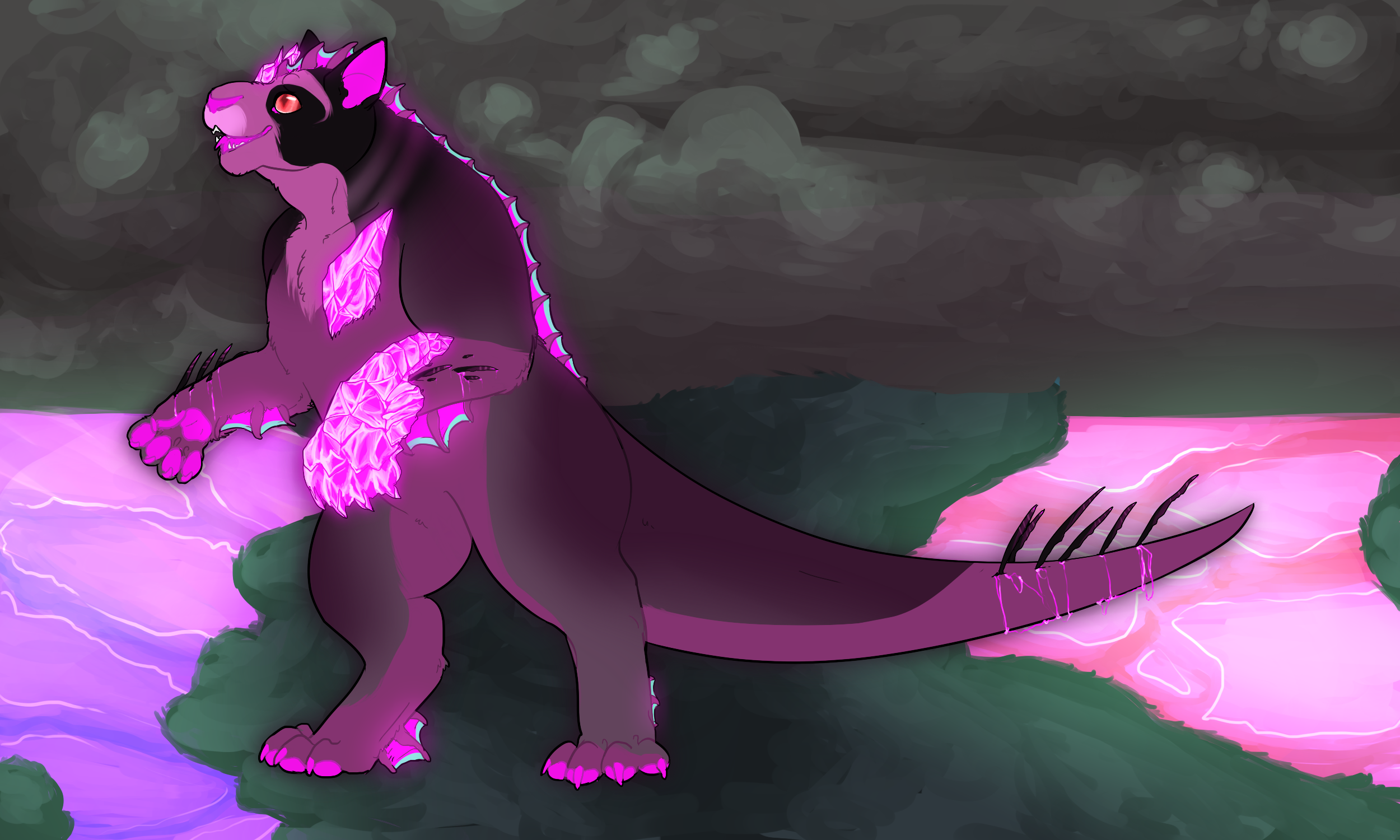
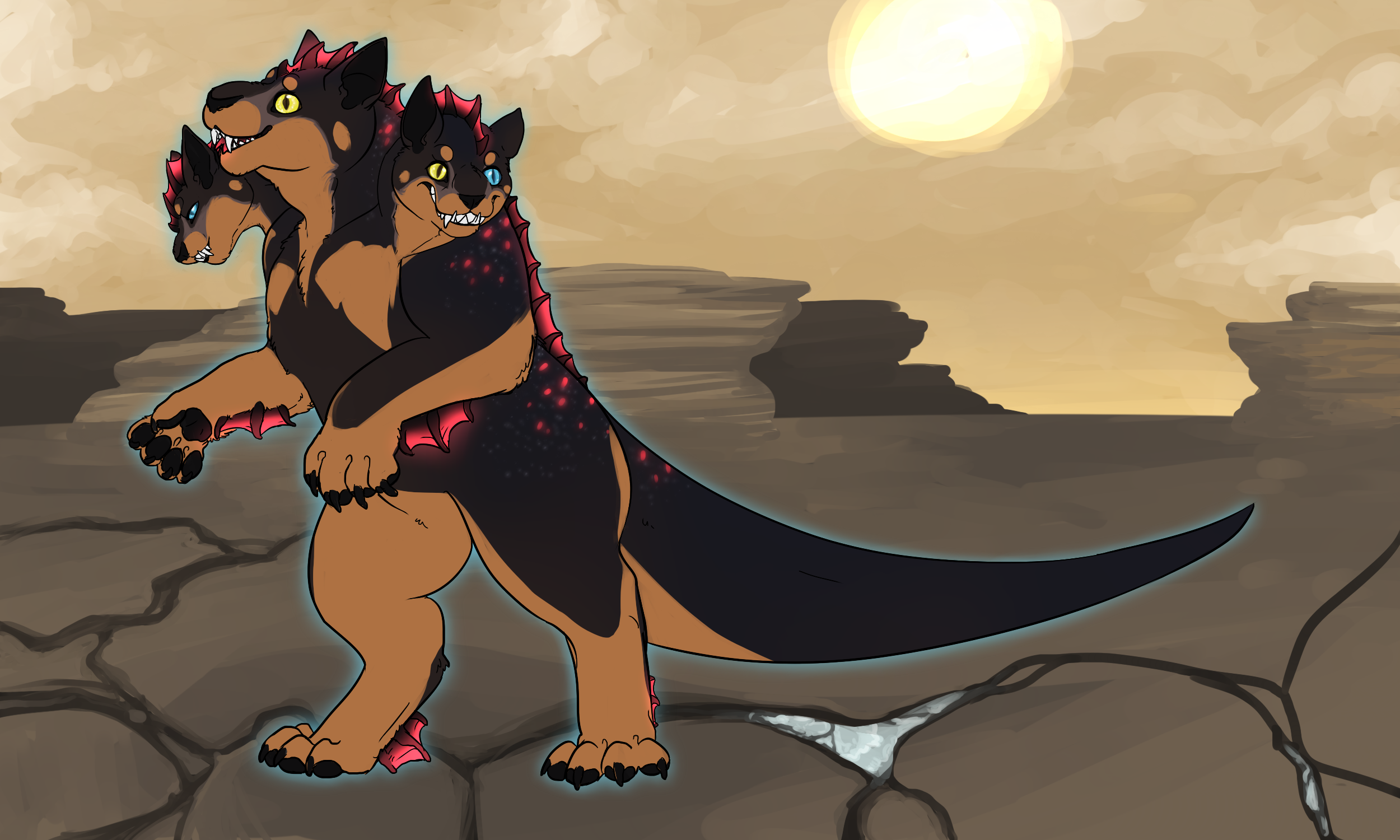
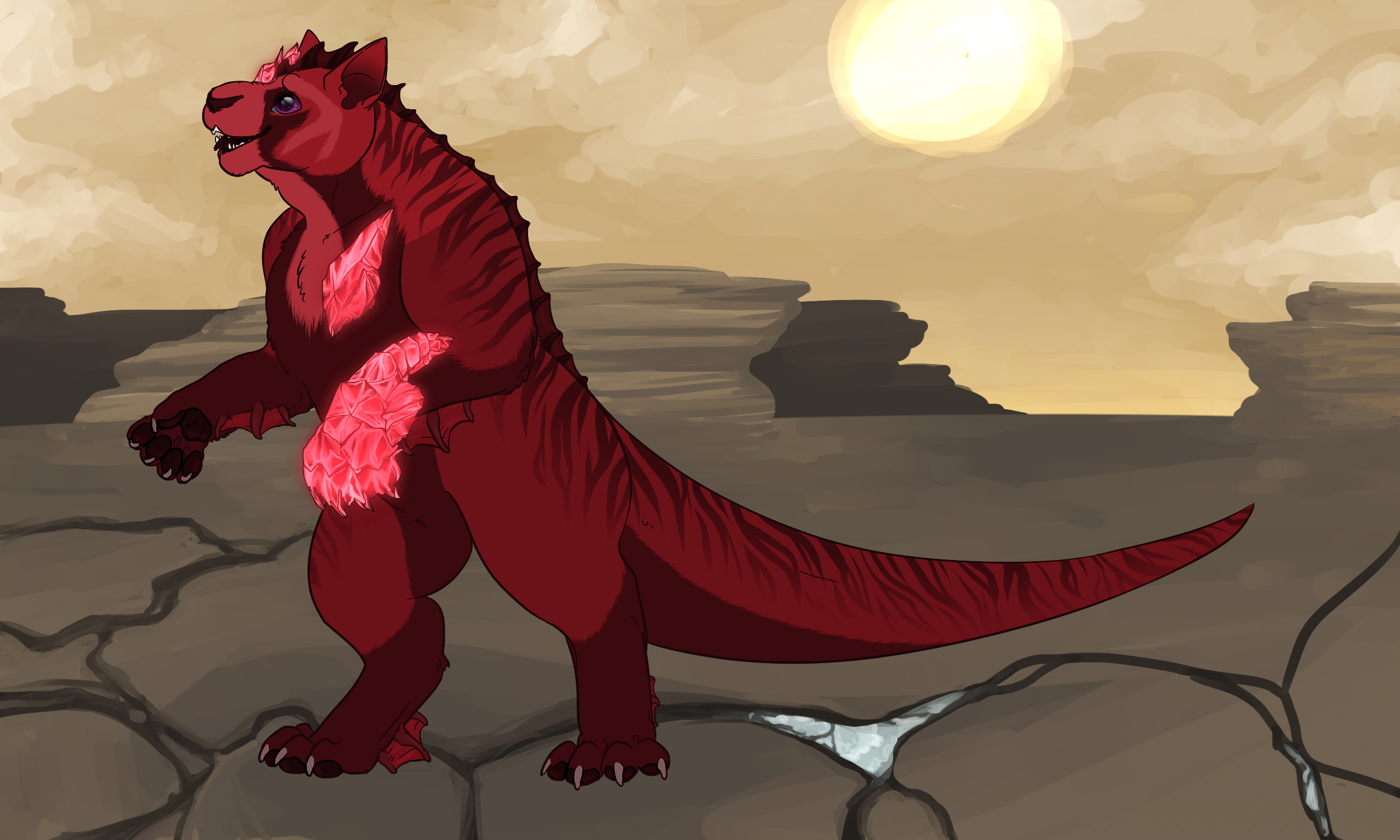
Spectacled (nSpc/SpcSpc) (Uncommon)
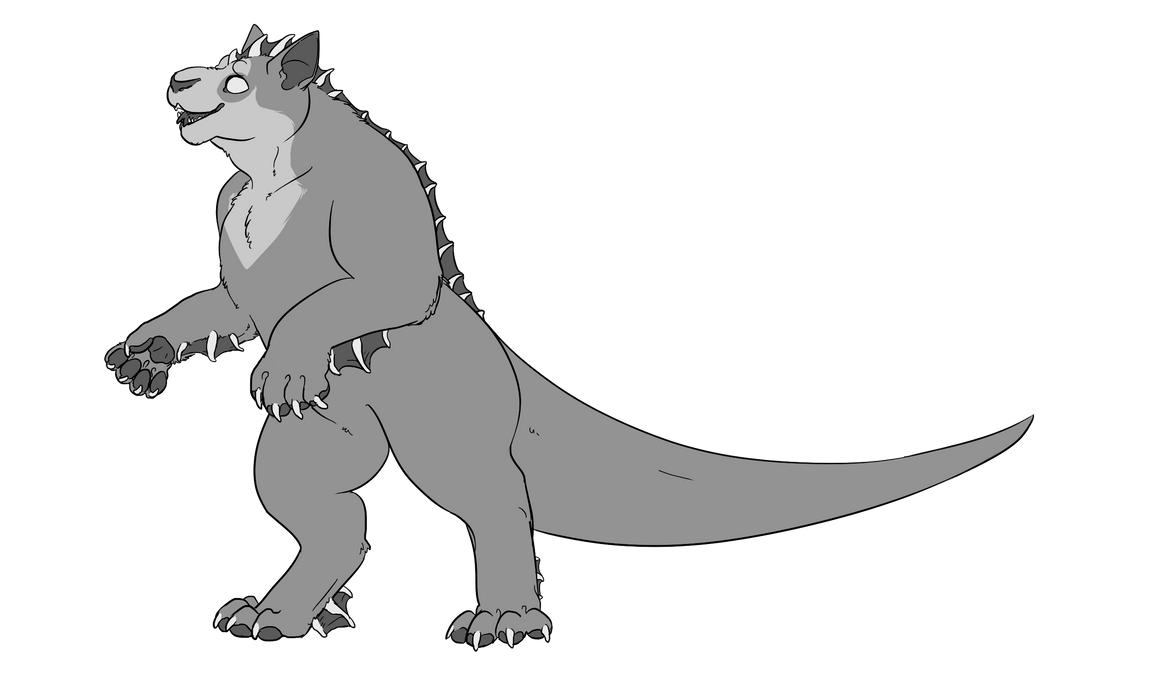
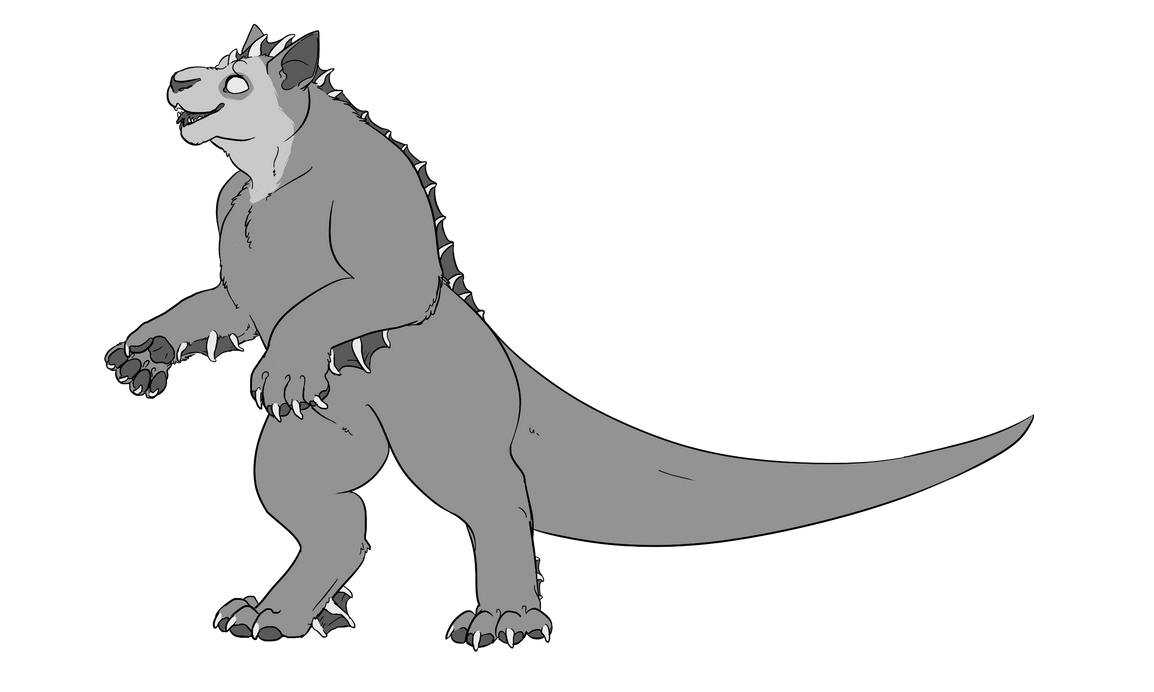
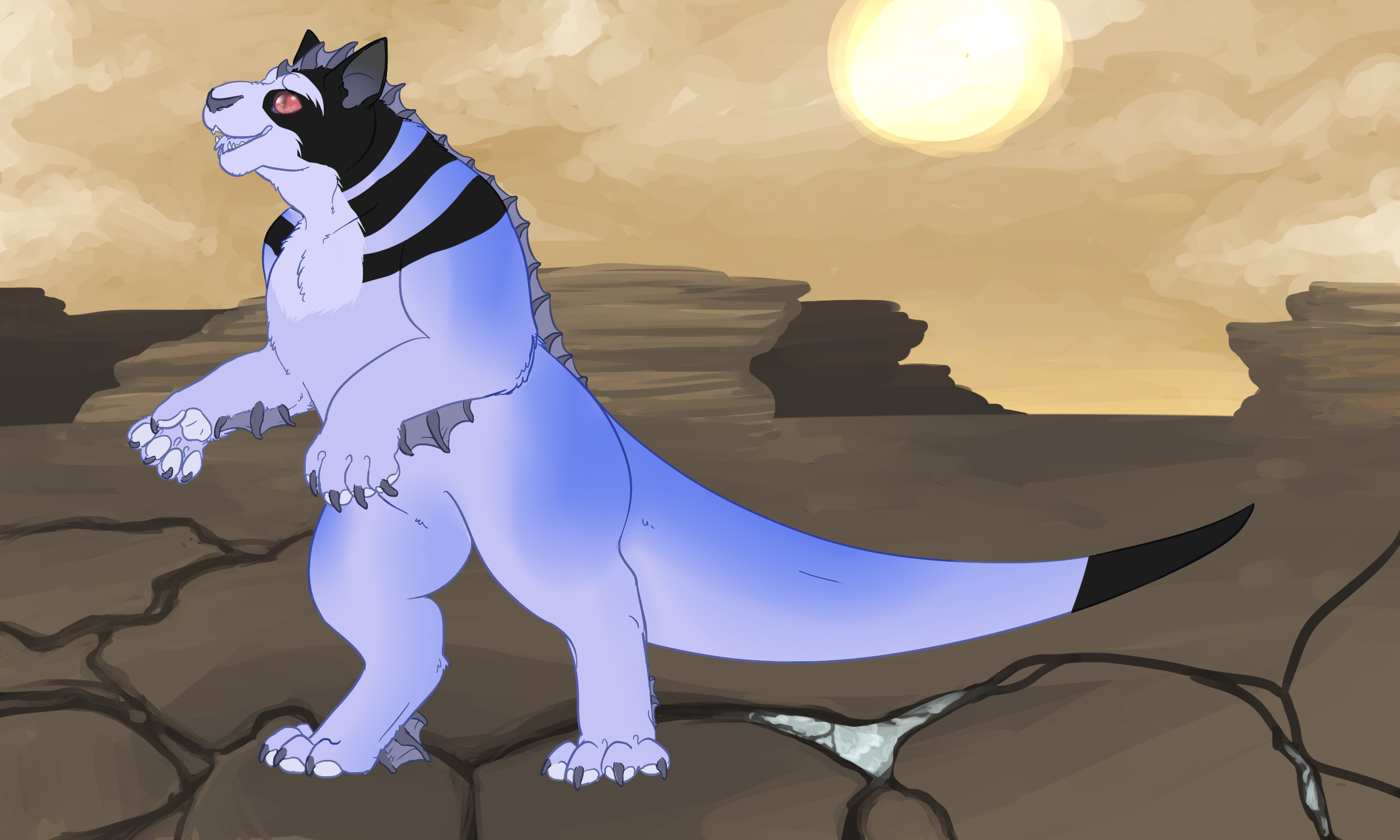
Range:
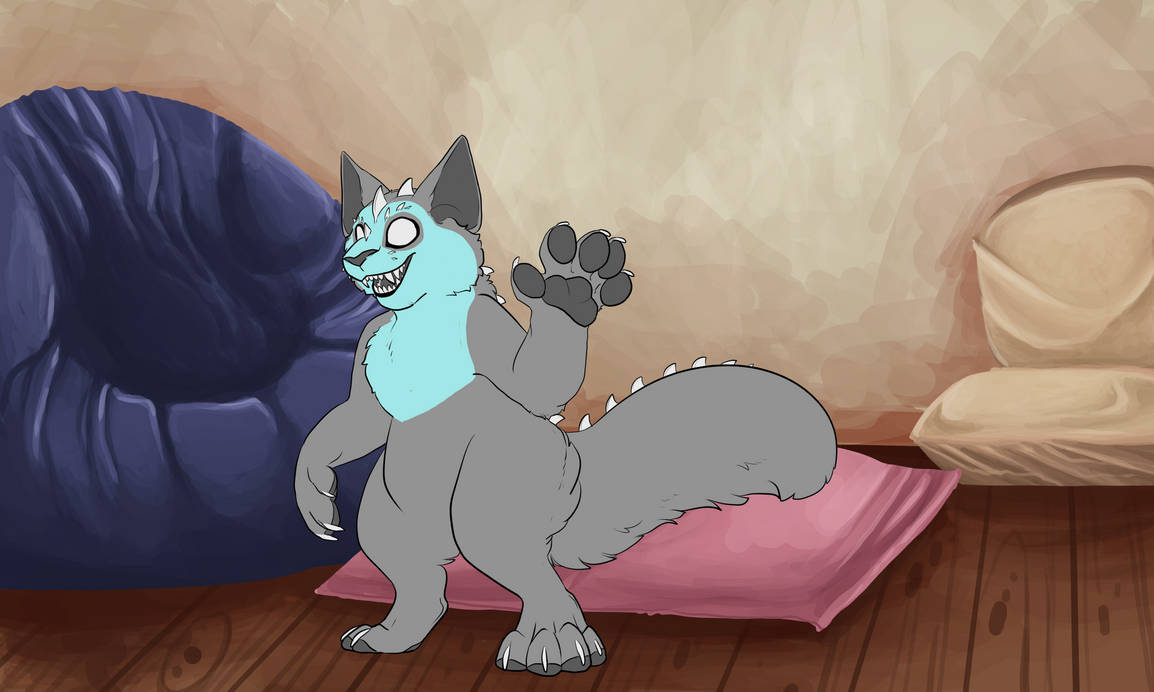
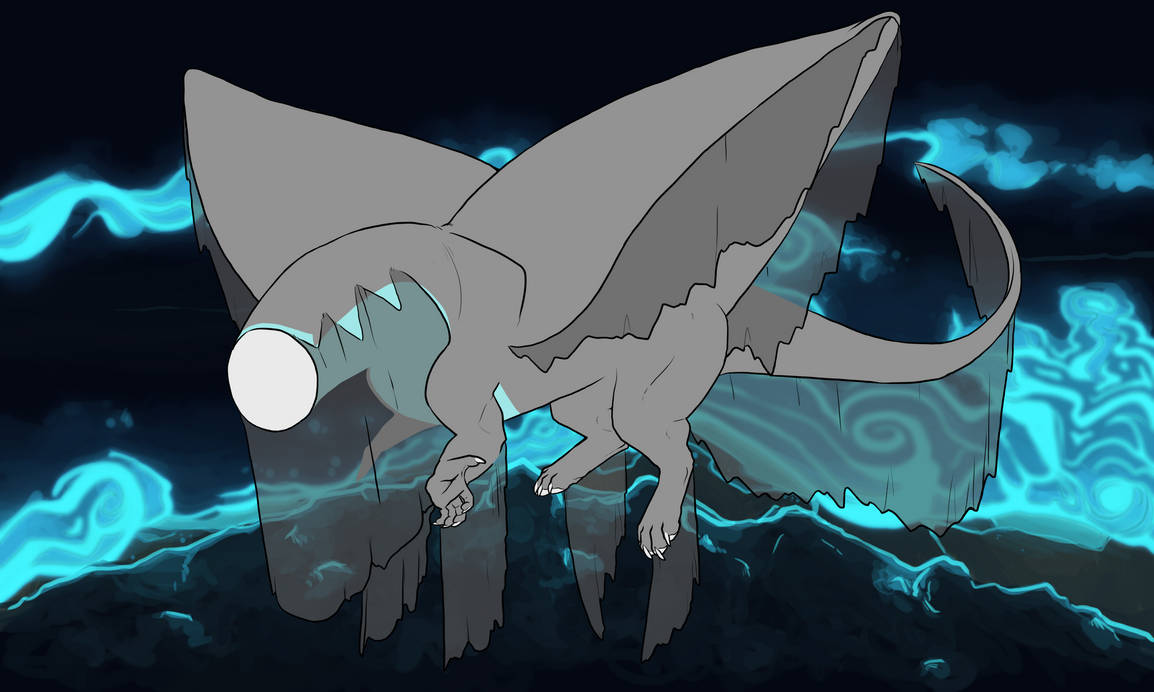
- Must be lighter than base coat, or a light shade of tan.
- Edges should be hard or textured-edged.
- It should appear similar to the markings of a spectacled bear.
Examples:
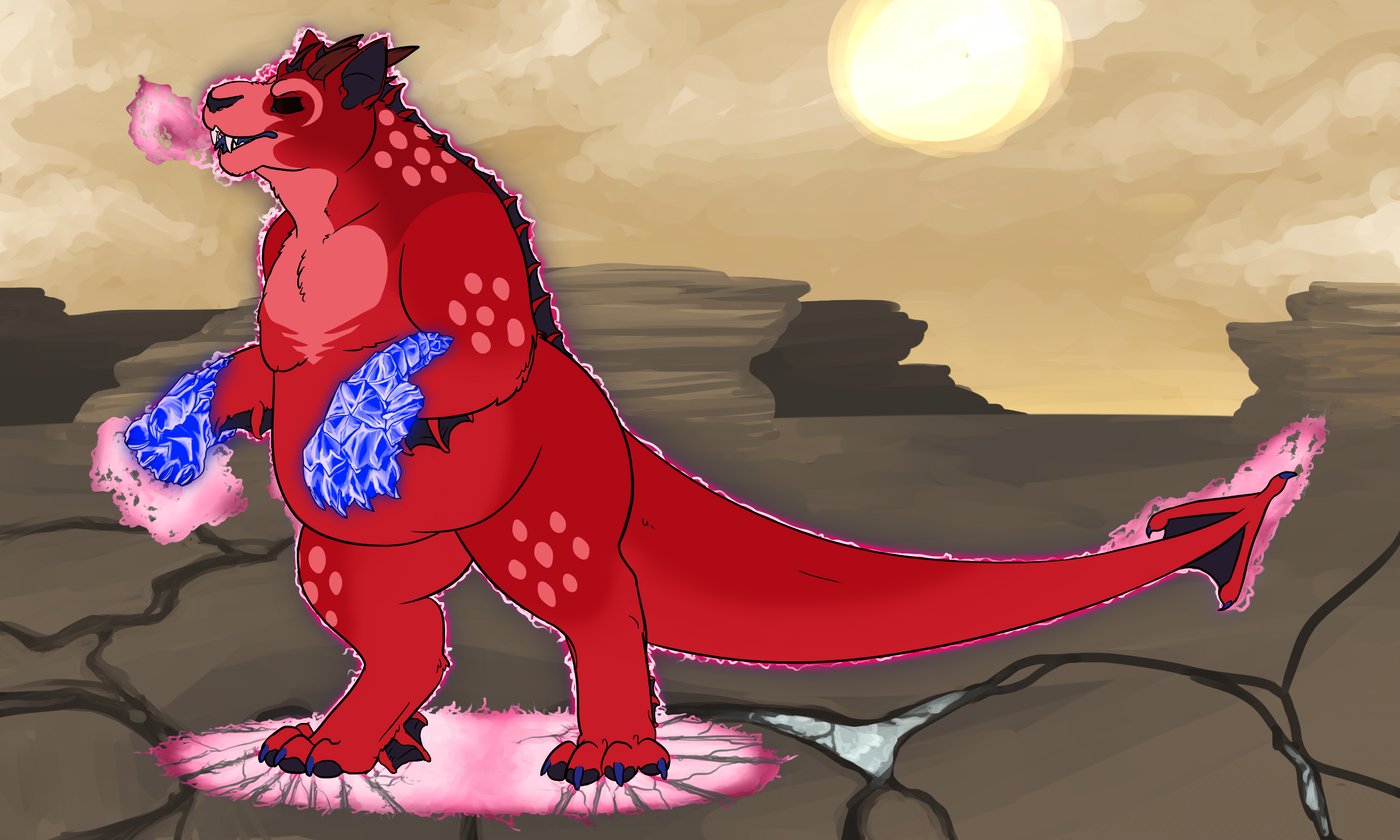
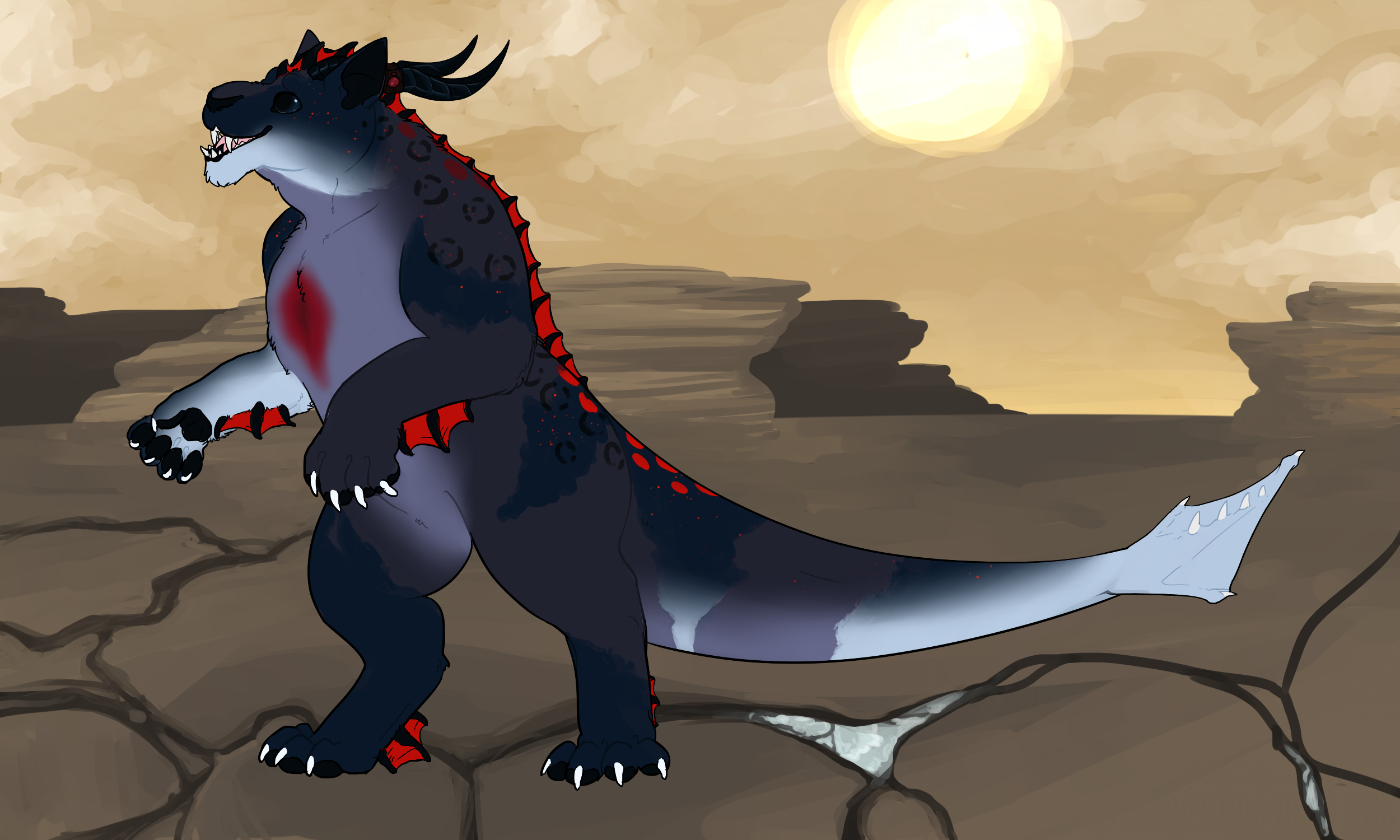
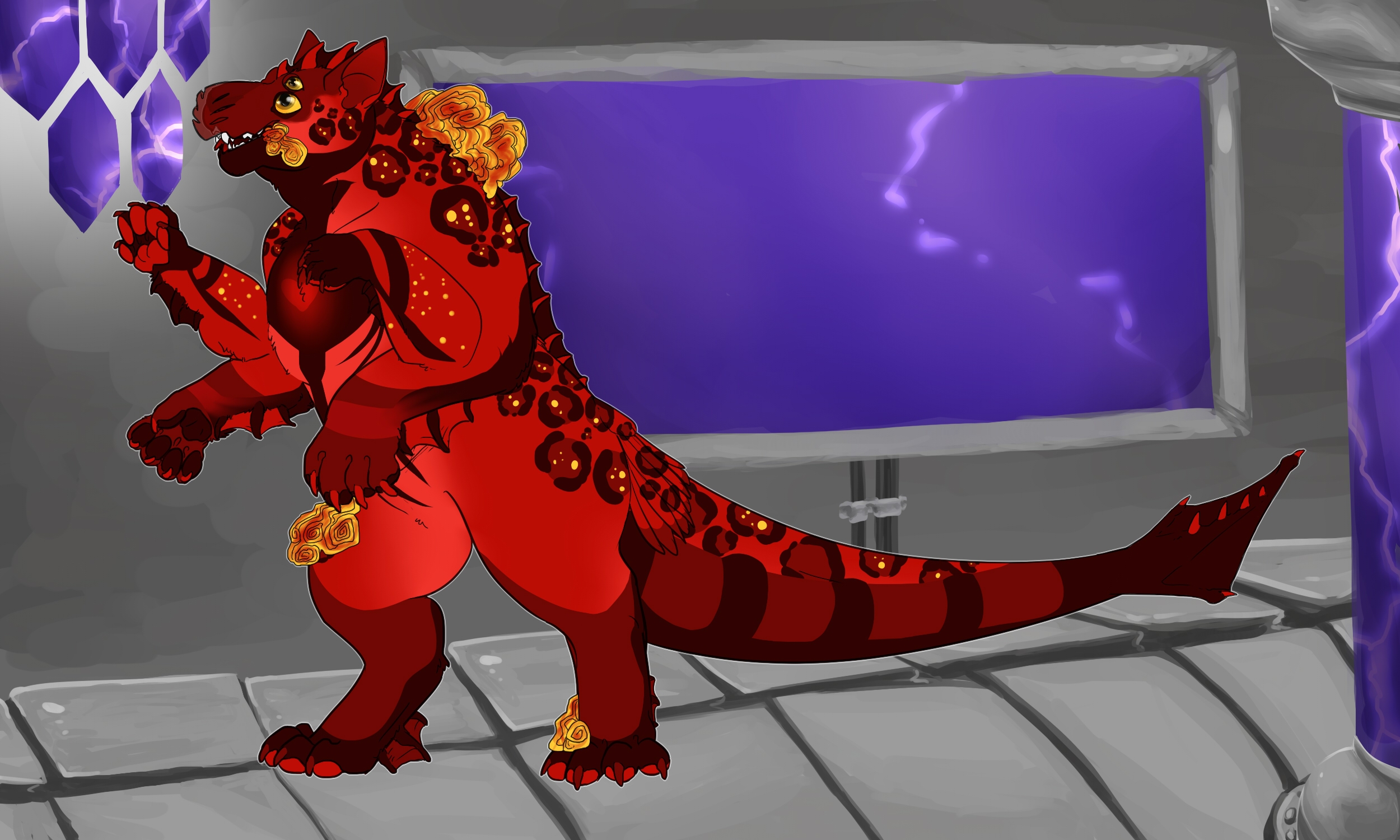
Rosettes (nRs/RsRs) (Uncommon)
Similar to a leopard, snow leopard, jaguar, clouded leopard, or other similar animal's spots.
- Rosettes should mimic the rosette/spot pattern of the above big cats. It can also mimic non-rosette patterns from the same cats, such as the face and tail markings on Sezzeqh 0002. The design must contain spots, no matter what other markings are referenced. If mimicking non-rosettes, please make sure to link a reference. If mimicking the spots of a big cat not listed above, please link a reference.
- The outer ring of rosettes must be darker than the base coat.
- Rosettes can be hard-, textured-, or lightly soft-edged, but should not be fully blended out.
- Rosettes can appear anywhere on the ixi, and commonly appears over a large portion of the body.
Examples:

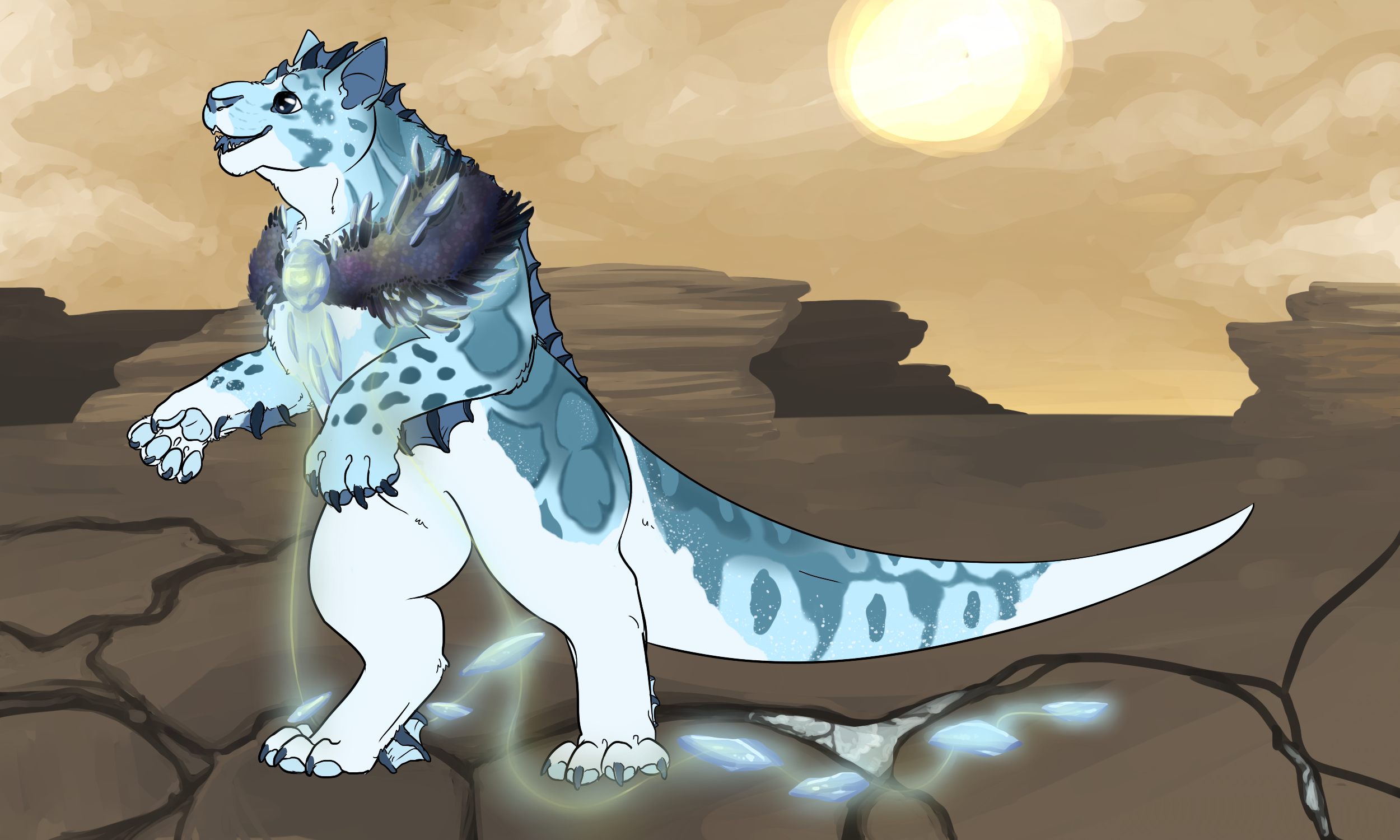
Ripple (nRip/RipRip) (Uncommon)
Range:
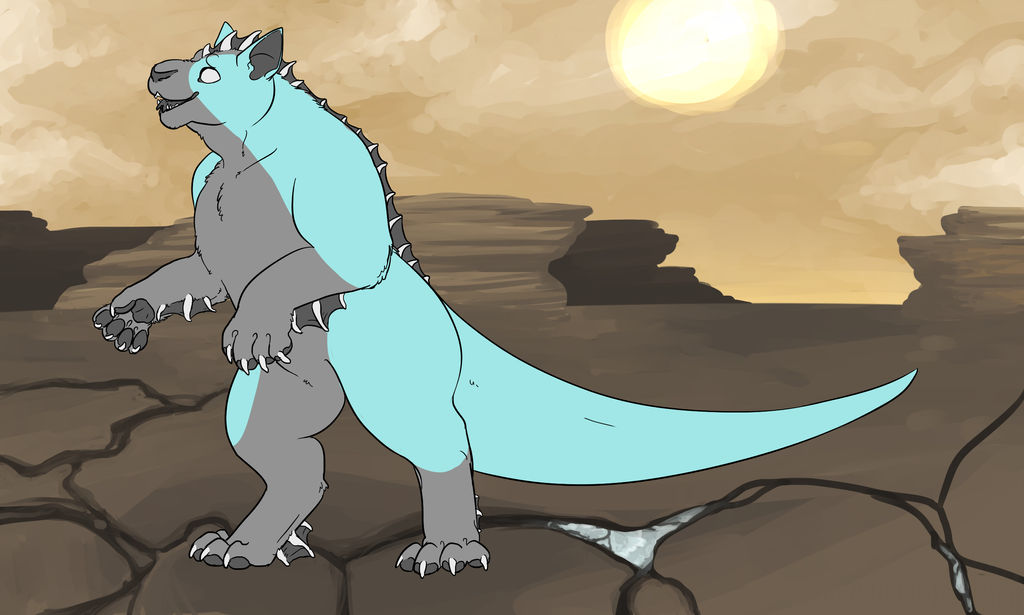
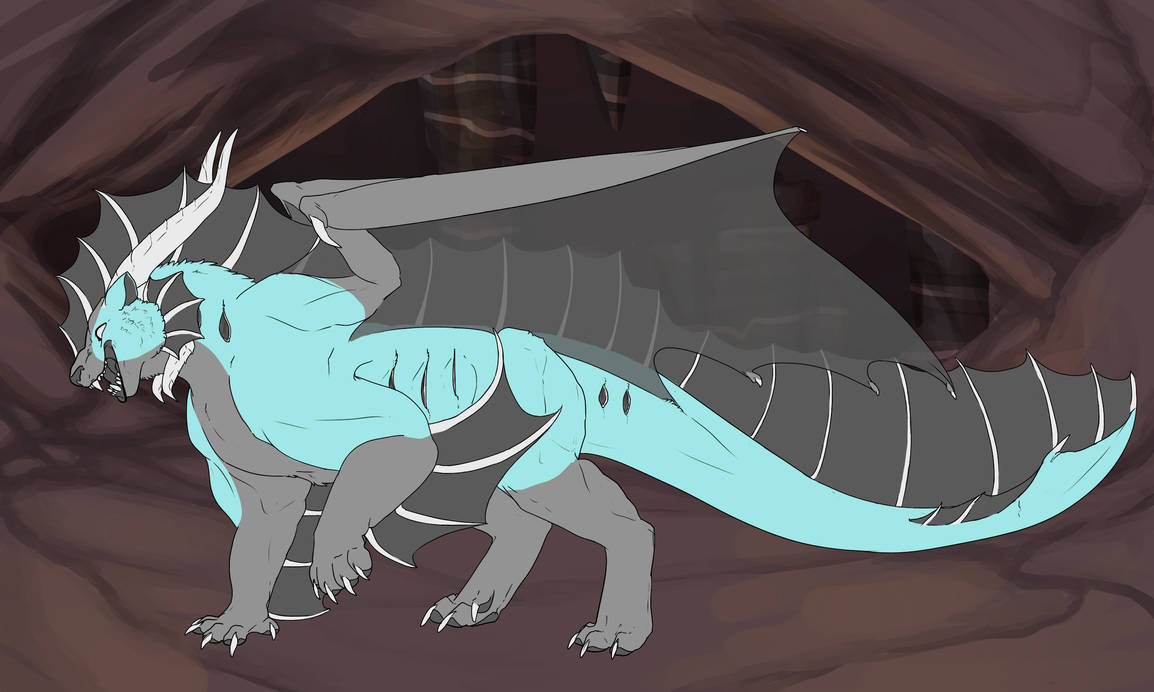
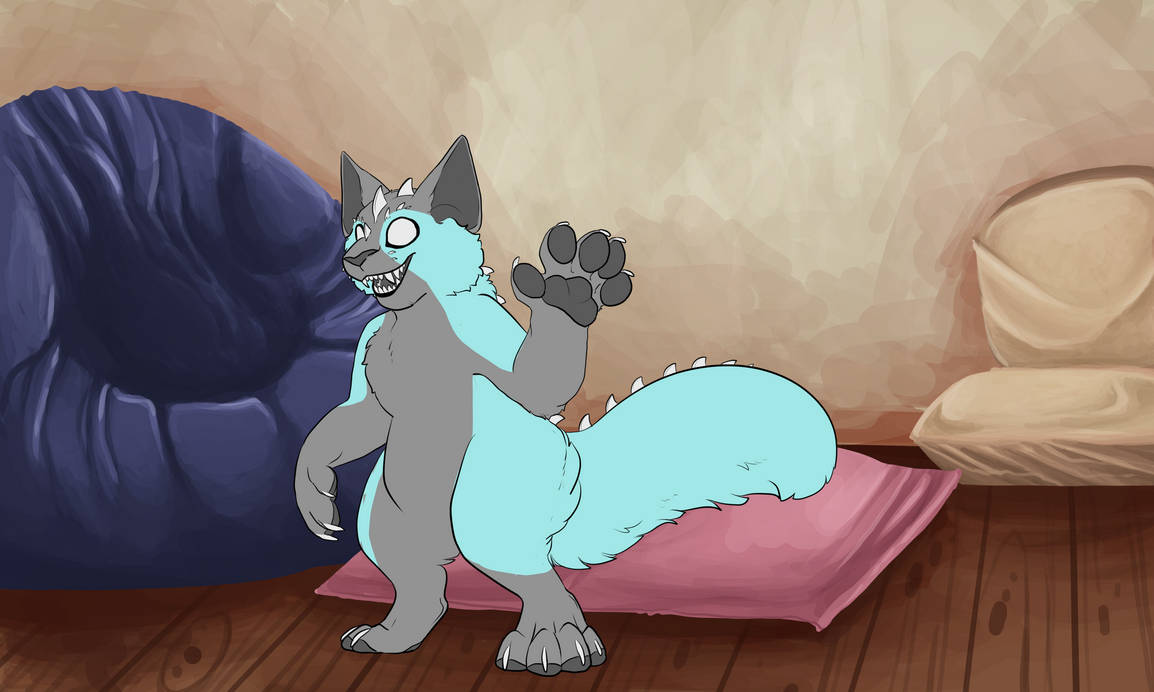
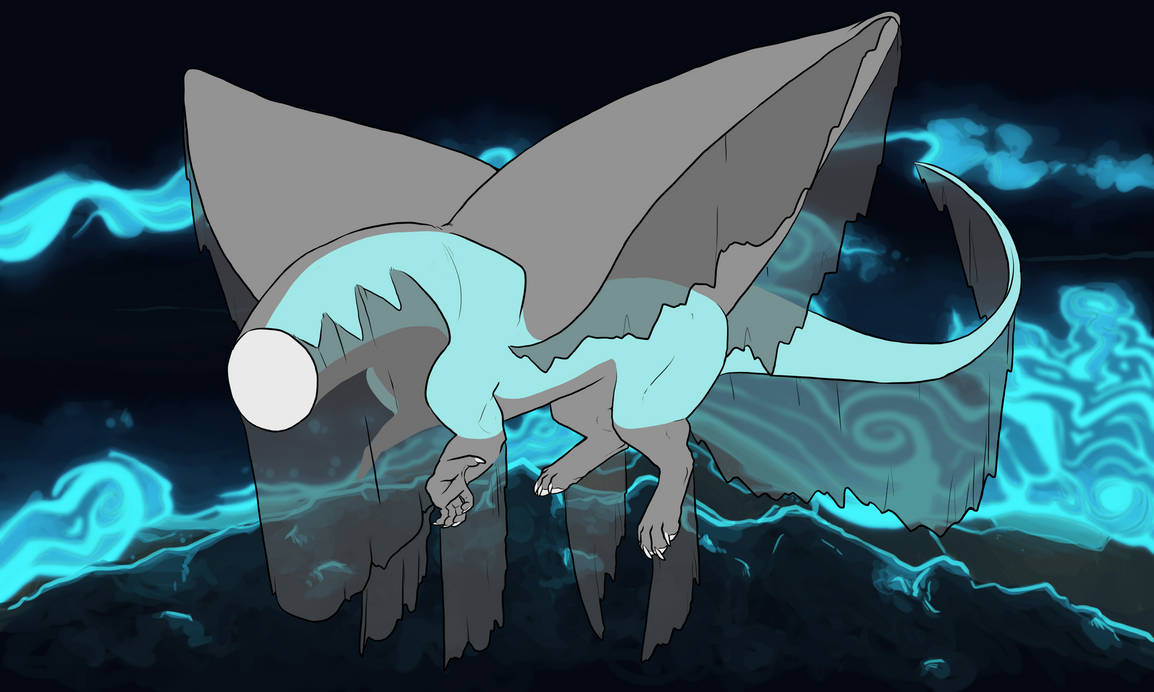
- Ripple can be any color, and can be two-toned.
- The marking should display as wavering and thin to give the rippling effect. Branching stripes are optional.
- Ripple can be hard or soft-edged. It should not be heavily blended out or heavily textured.
- While it does not have to literally meet the eye and tail, ripple should flow in an eye-to-tail direction.
Examples:
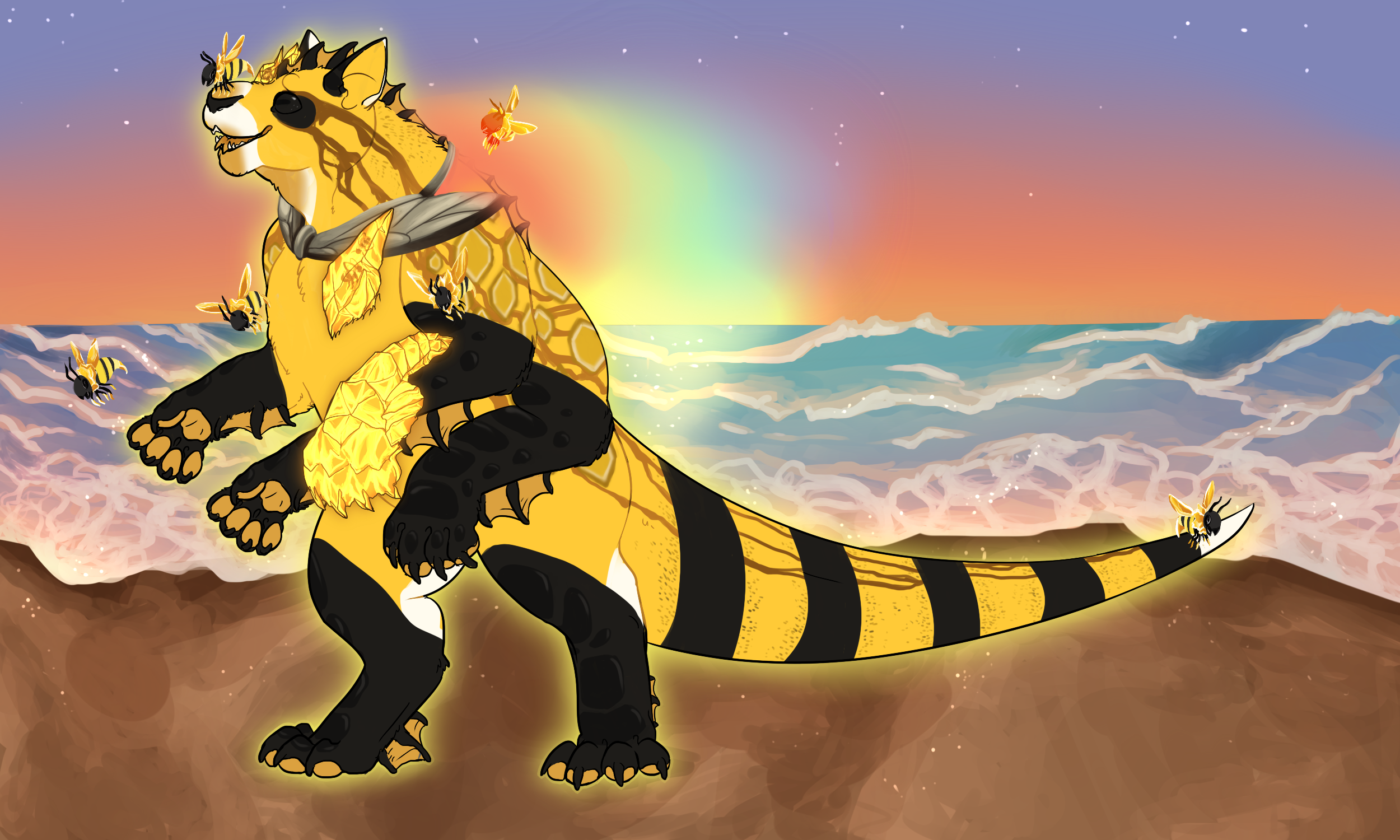
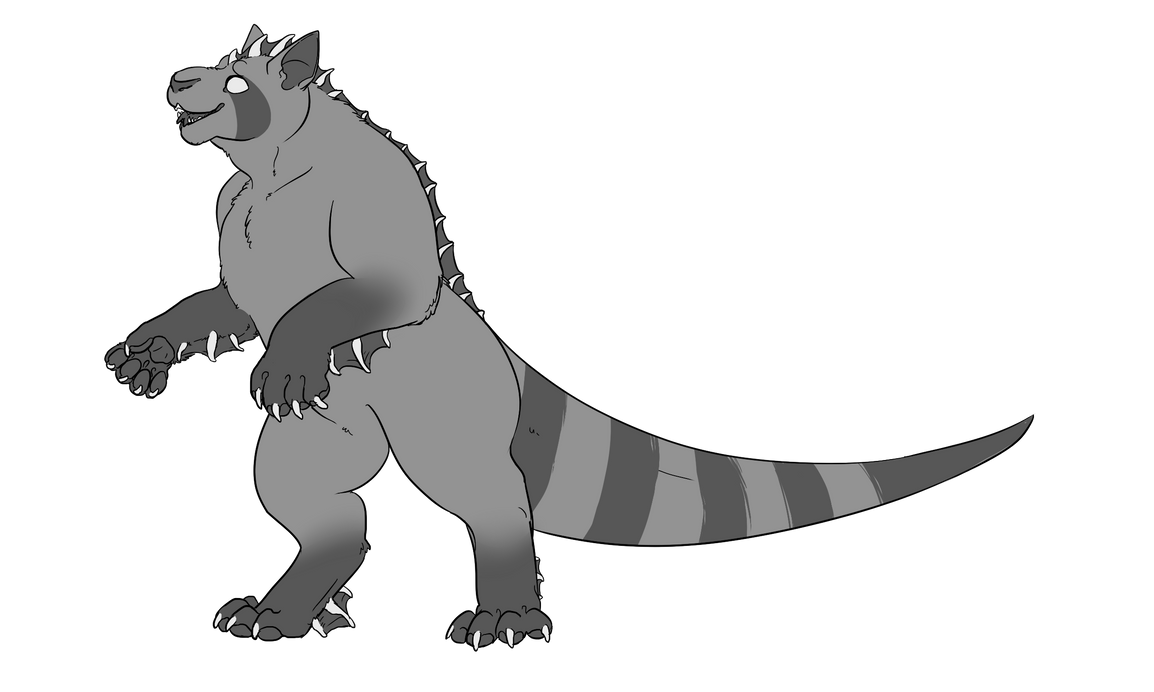
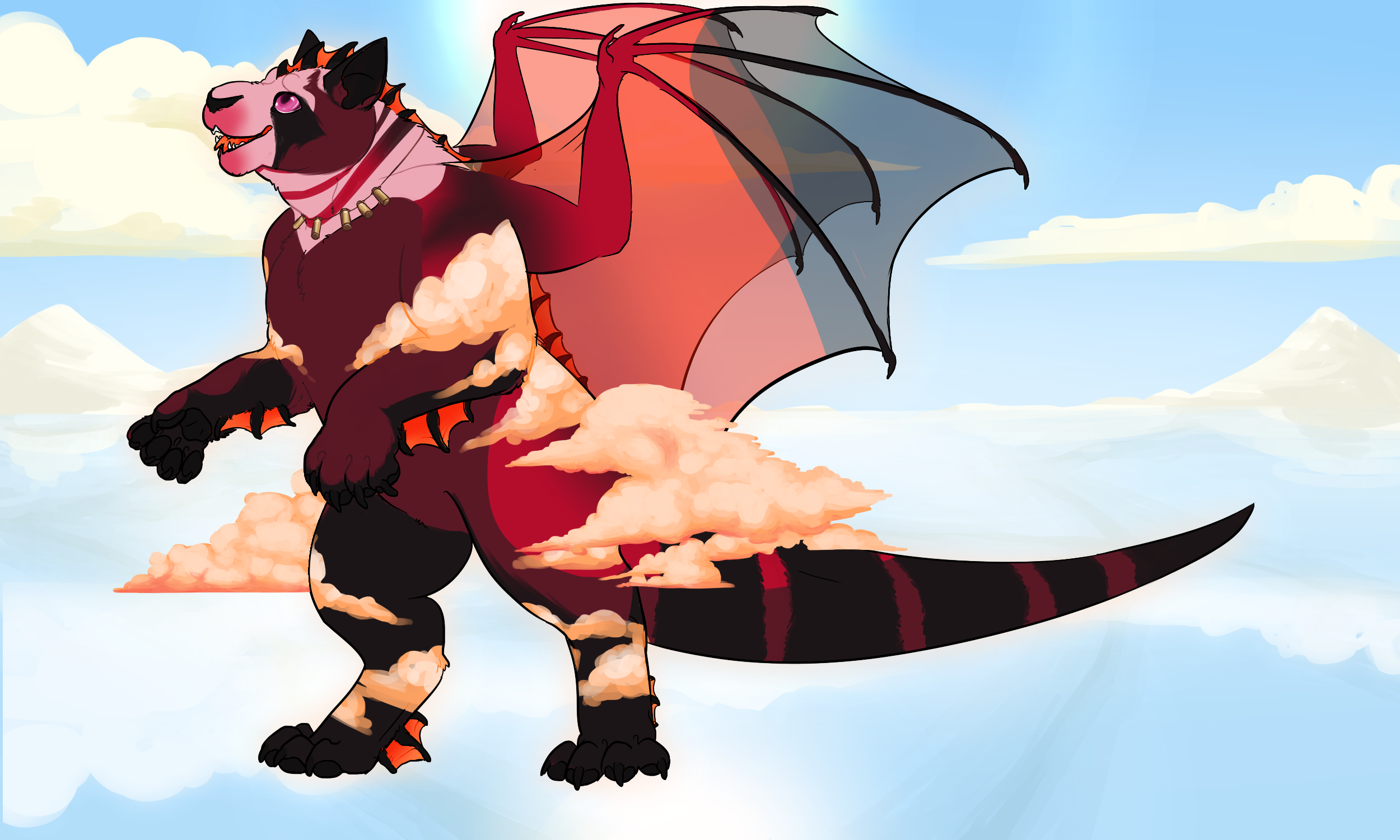
Procyonid (nPr/PrPr) (Uncommon)
Range:
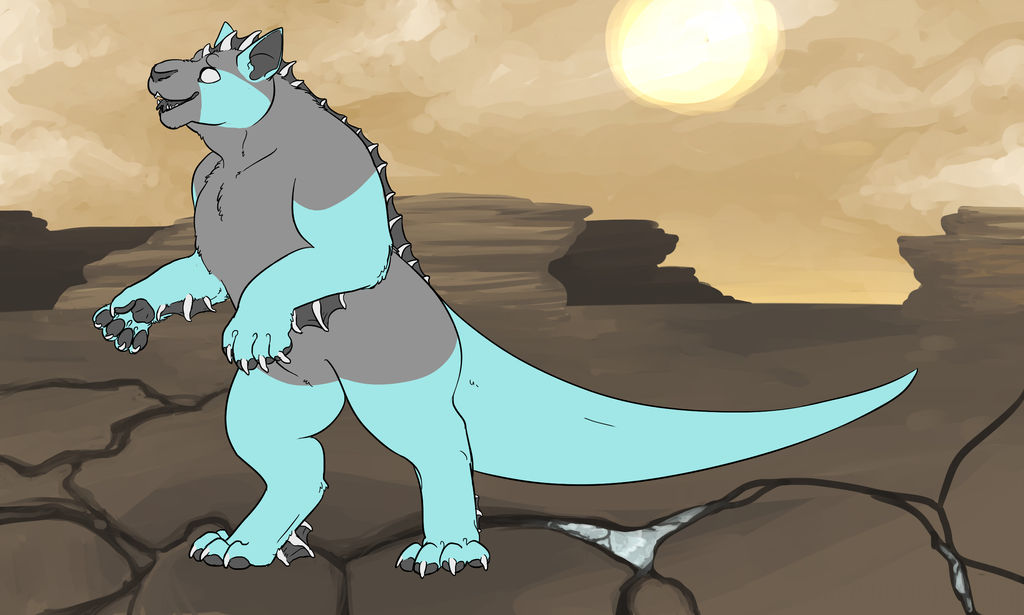
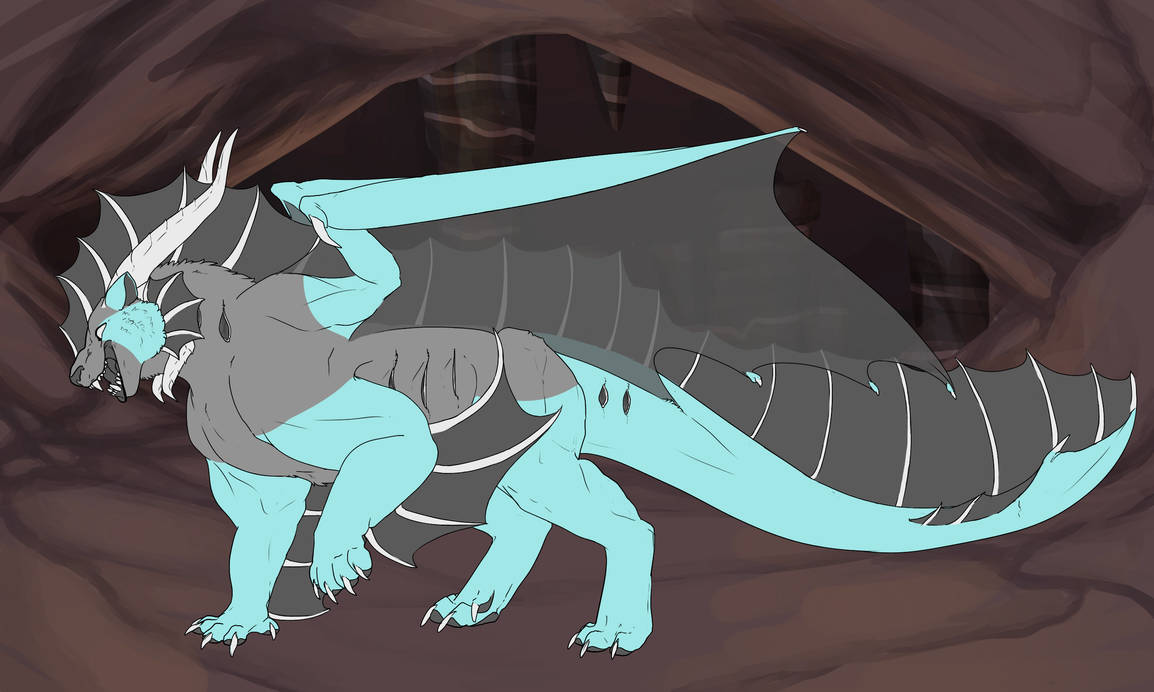
- Procyonid has no limits on edge hardness.
- Should be a darker shade of the base coat, or black.
- Procyonid should AT LEAST appear on the facemask and tail zones. All separate zones include limbs, tail, facemask, ears.
- Funerary Rixixi do not have the mandatory facemask range.
- The tail marking must be striped, or otherwise clearly broken up.
Examples:
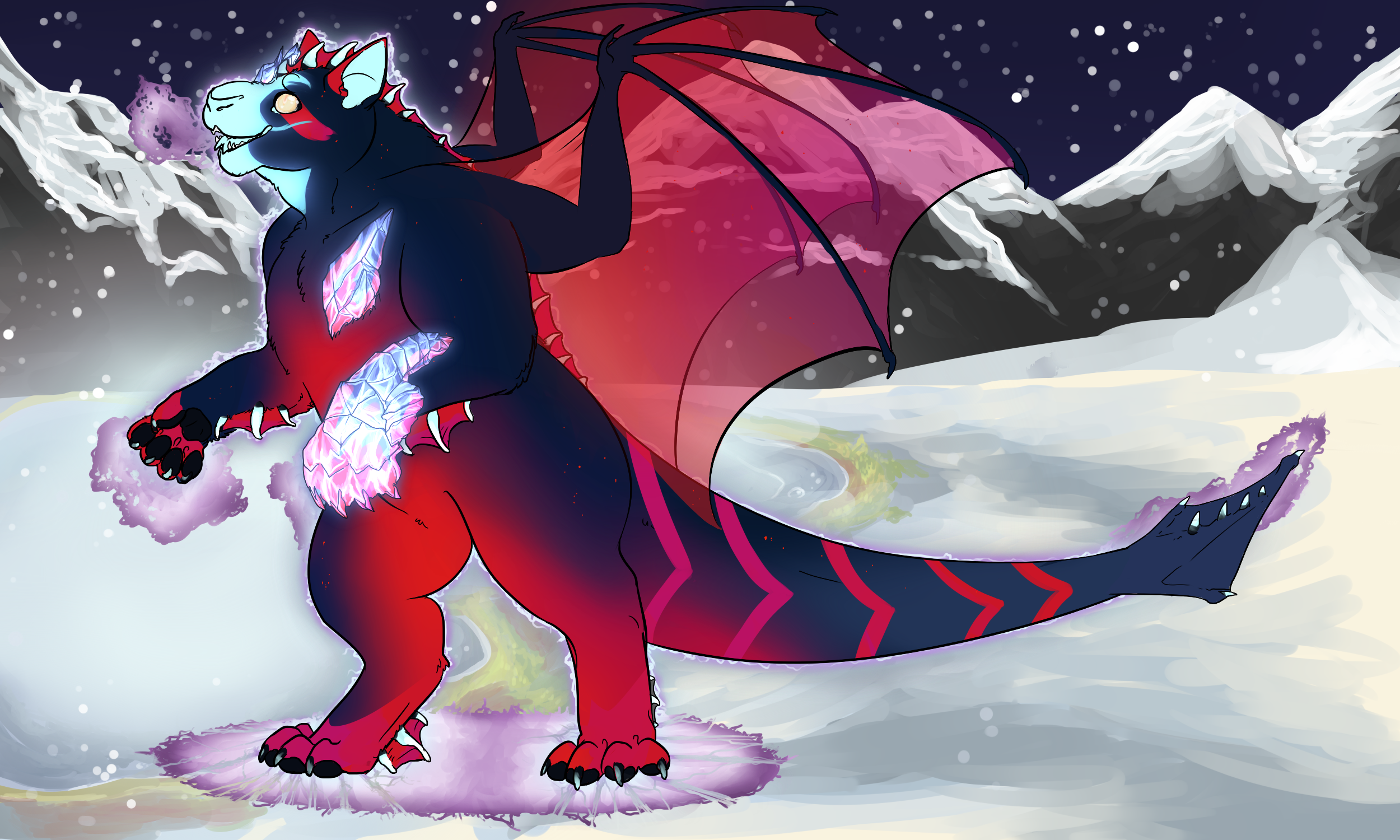
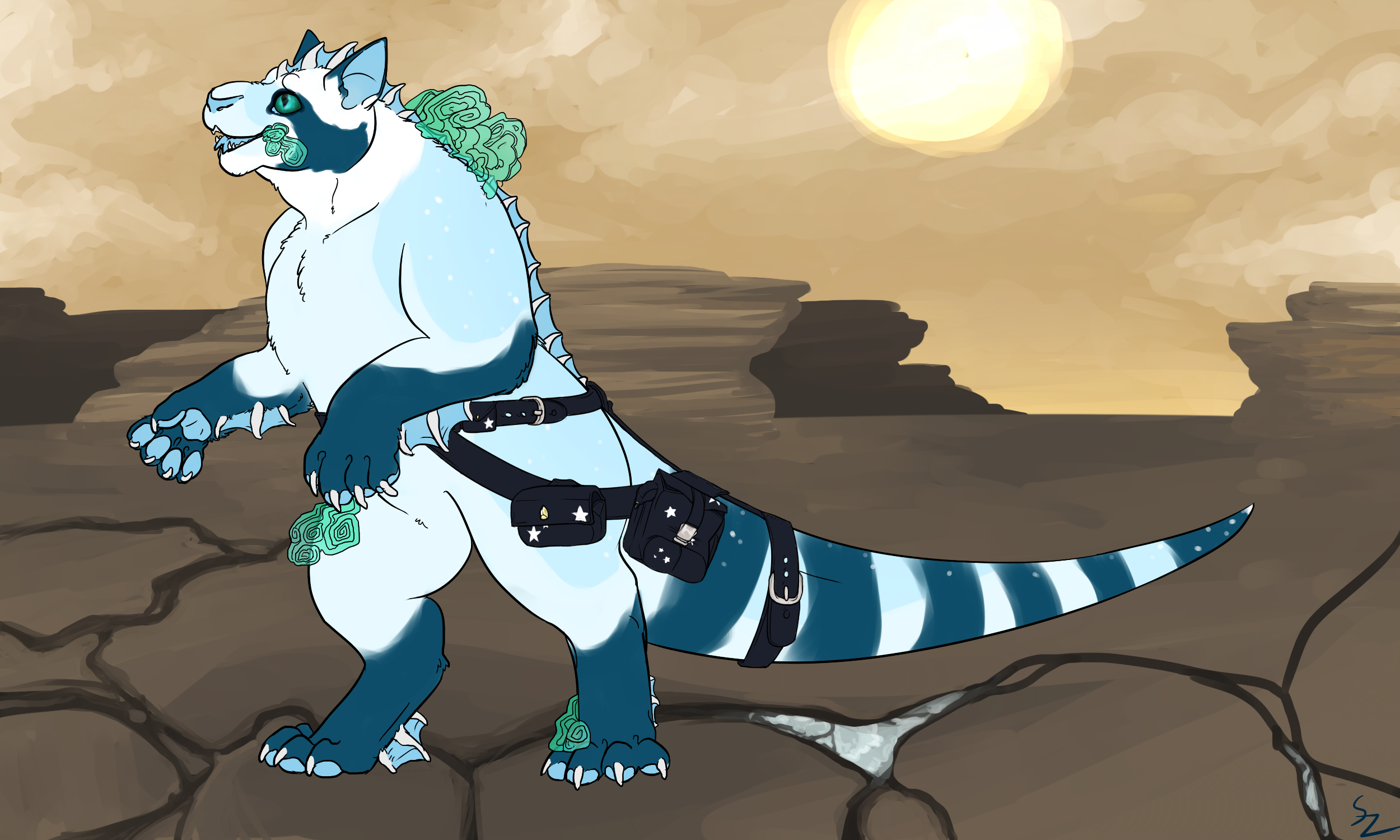
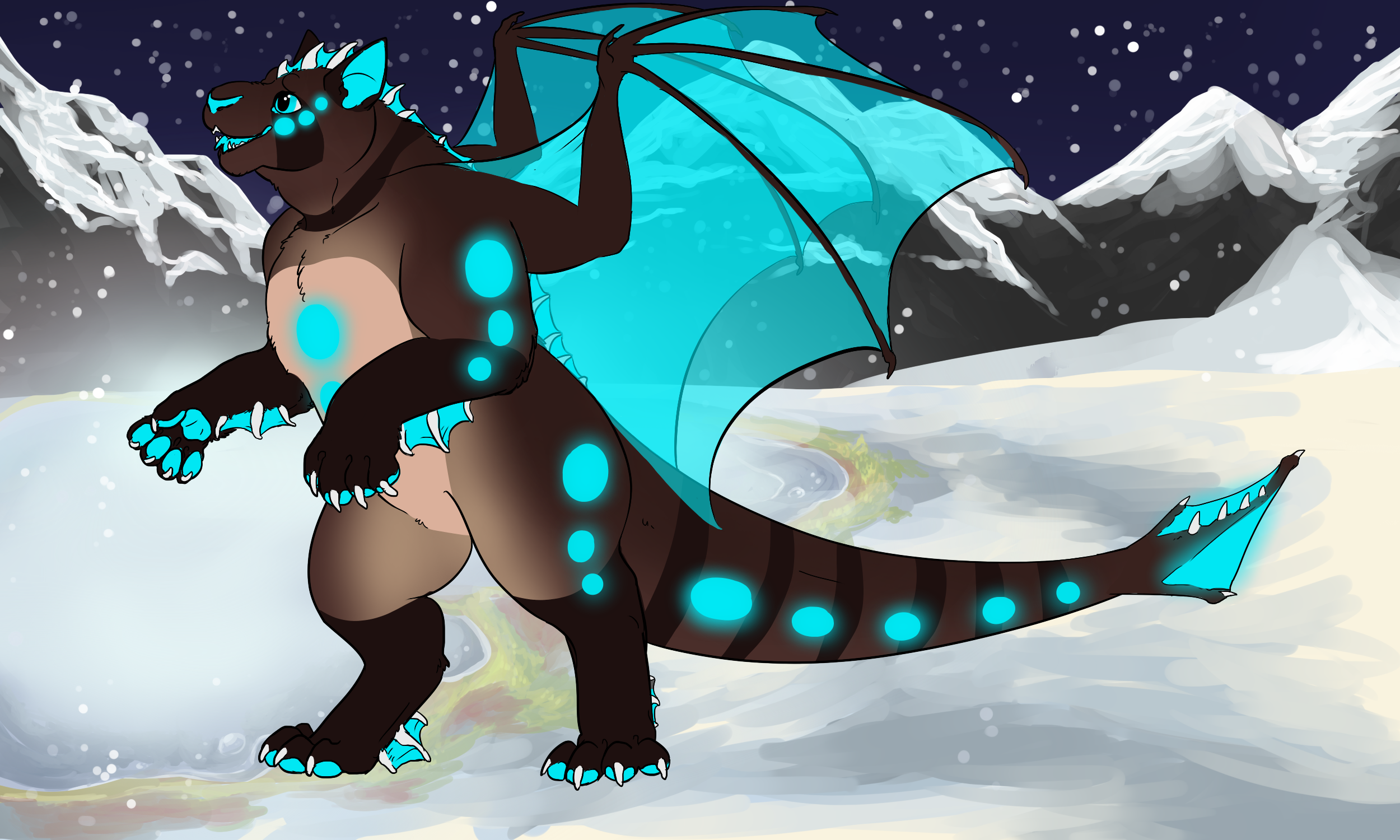
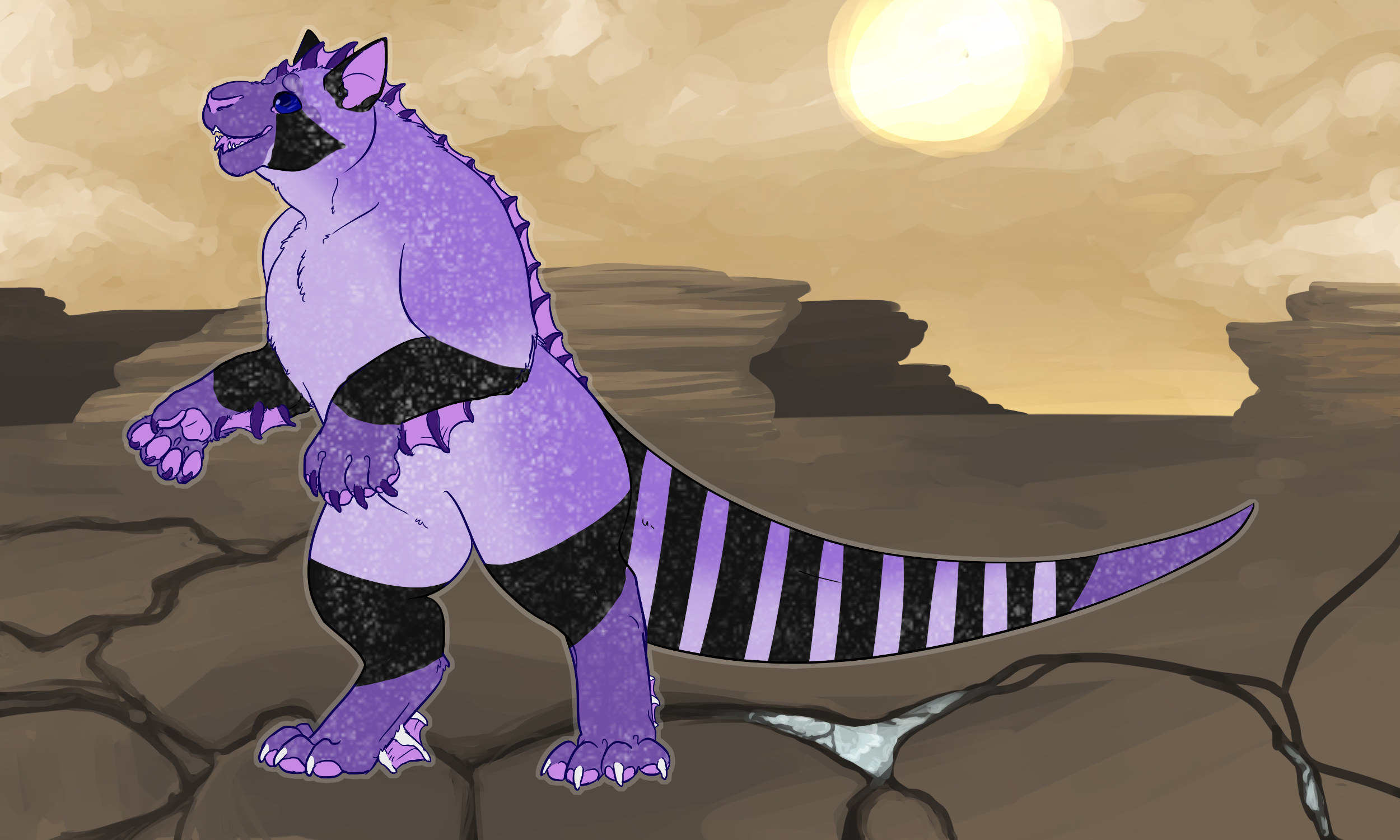
Poison Dart (nDart/DartDart) (Uncommon)
Abstract blocks of color, much like the markings on a poison dart frog. Can be any color, and can be two-toned.
- Poison Dart can be any color, and may be two-toned.
- It is typically hard-edged.
- It has no maximum and can cover the full body if desired. It has no minimum, but should be noticeable on the design.
- There may be cutouts in the marking, and the shape of the markings can be abstract or even somewhat geometric. Poison Dart frogs can be referenced - the marking does not have to be directly copied from a frog, as long as it brings them to mind, it should pass, but if you'd like to link a specific frog you referenced then that works as well!
Examples:
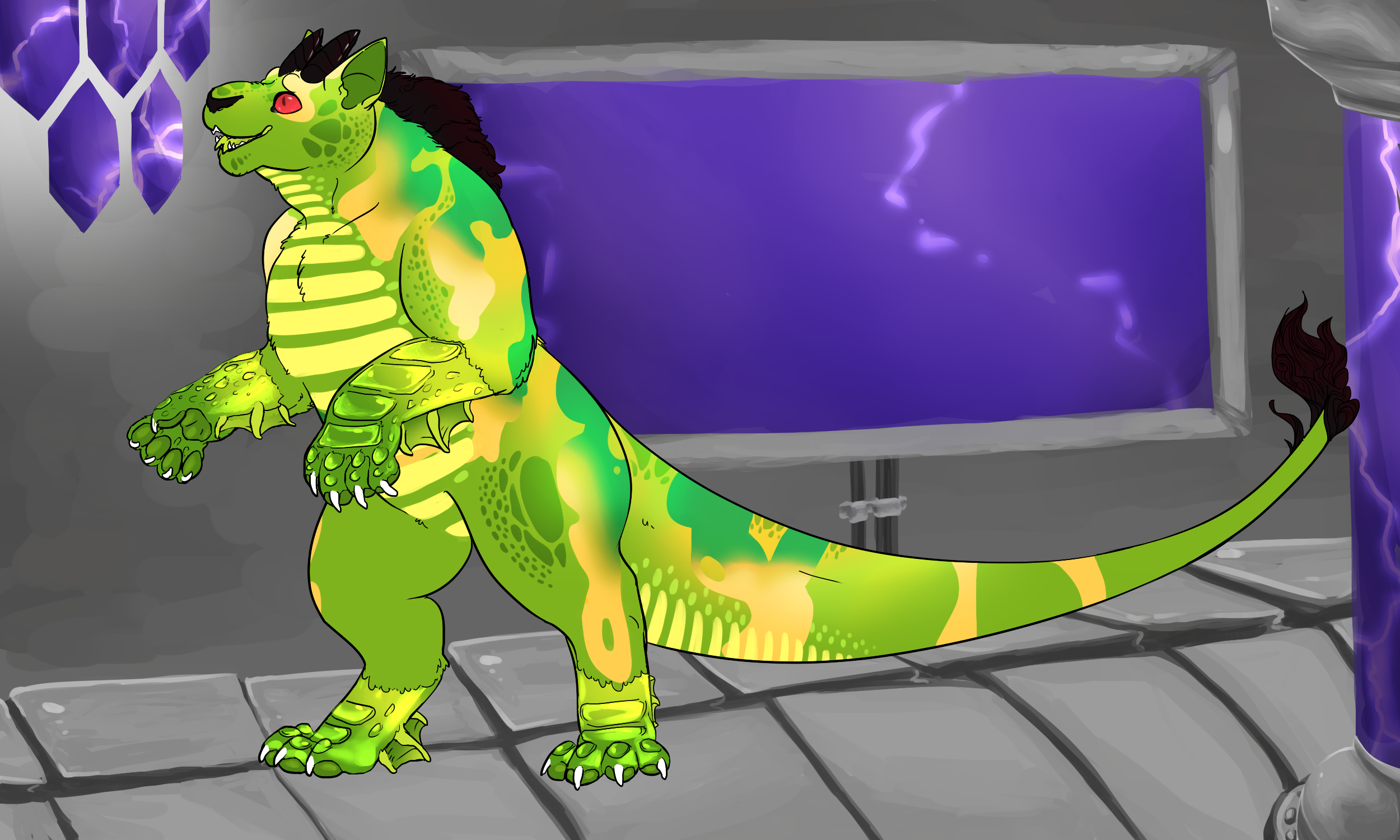
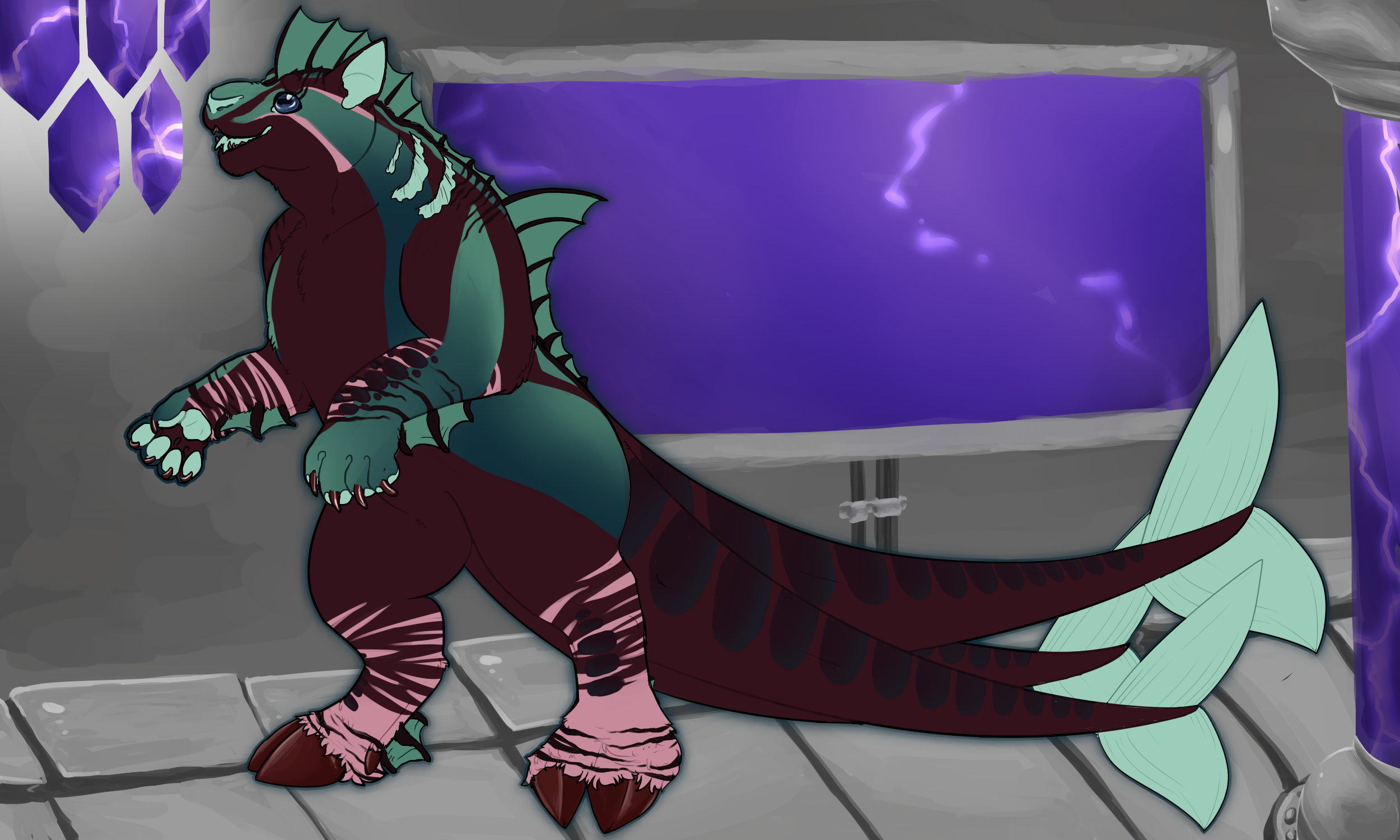
Penumbra (nPnum/PnumPnum) (Uncommon)
- Penumbra presents as a band of color outlining any marking. The band may be any color, and may be two-toned. Penumbra should be soft- or blended-edged regardless of the original marking's edge hardness.
- Markings modified by Penumbra are not visible other than their outline. Markings underneath them can be shown visibly, or stop at the outline as if the marking was filled in with the base coat.
- If Penumbra is the only marking on the Rixixi (or if the only other markings modify the base coat without creating another marking, such as Gradient), then Penumbra can create the outline of any marking that can be hard-edged. It should also remain soft- or blended-edged in this case.
- Recessive Penumbra can modify and outline one marking, while Dominant Penumbra can modify and outline multiple - as many as the designer desires.
Examples:
Penumbra modifying Unders
Penumbra modifying Squared
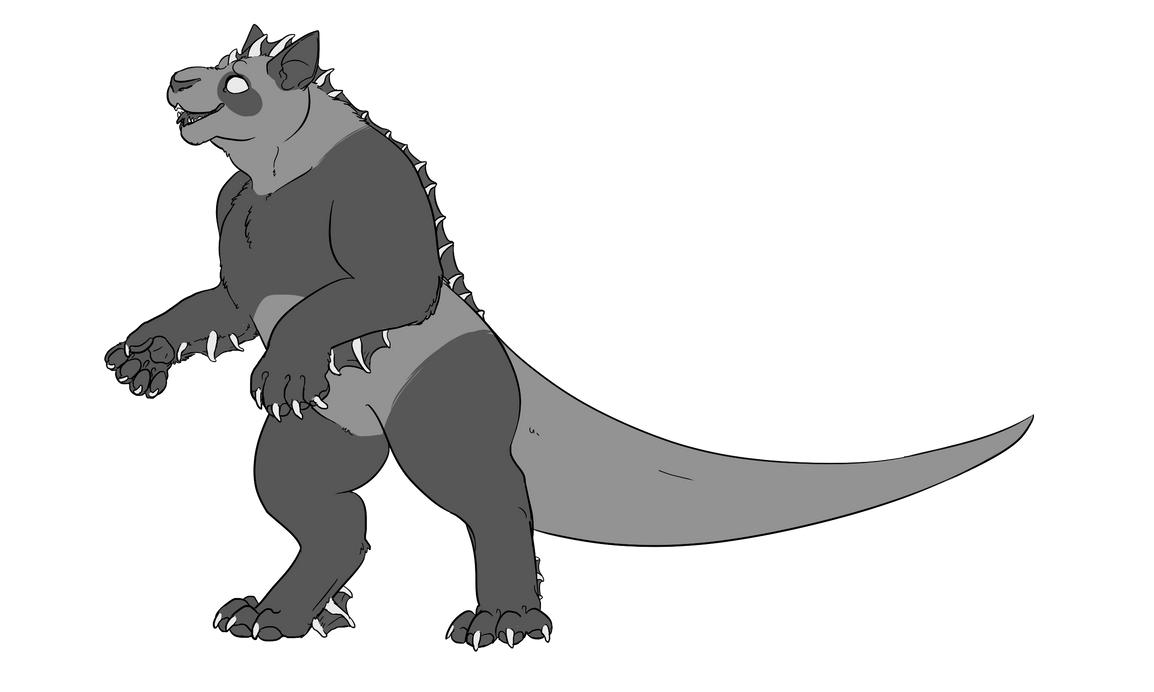
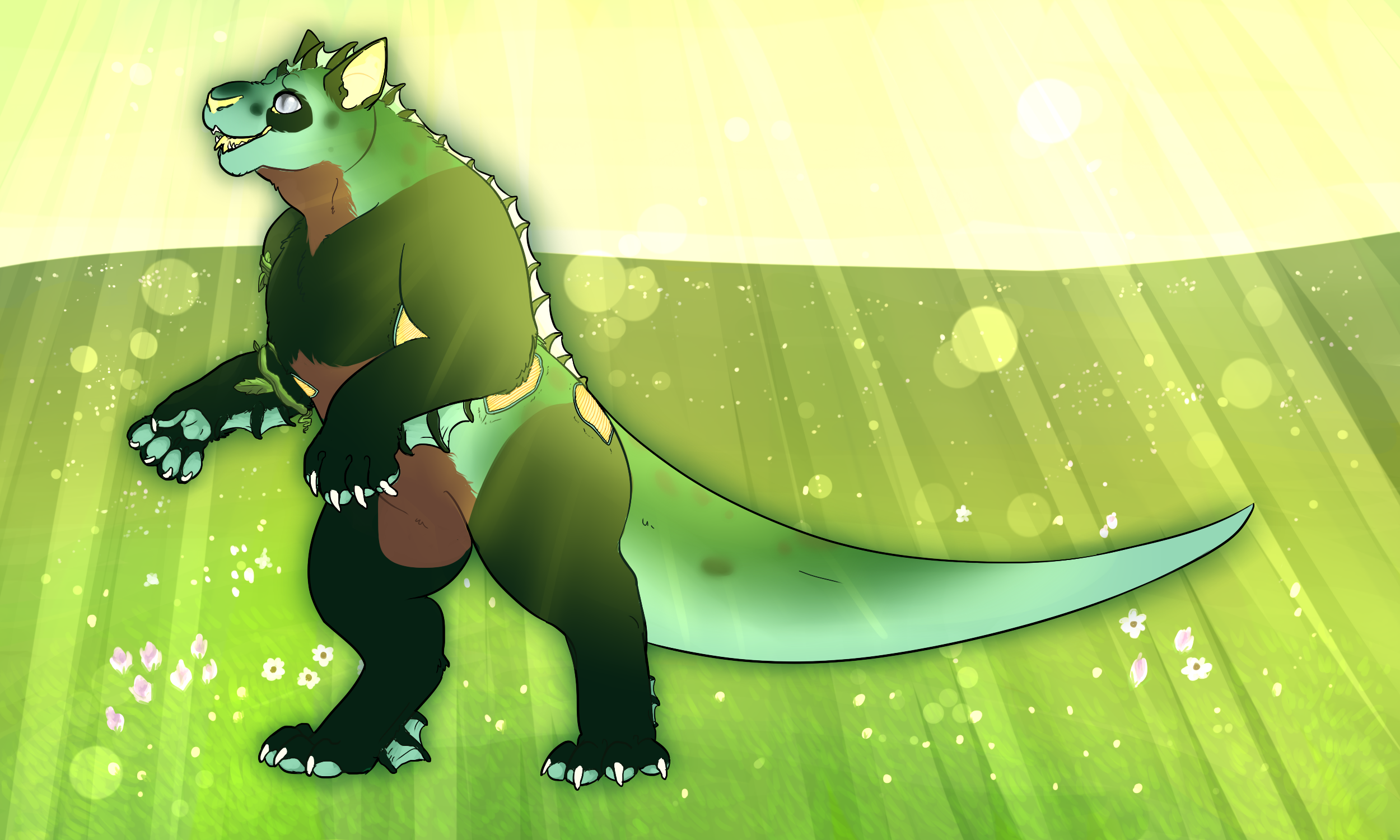
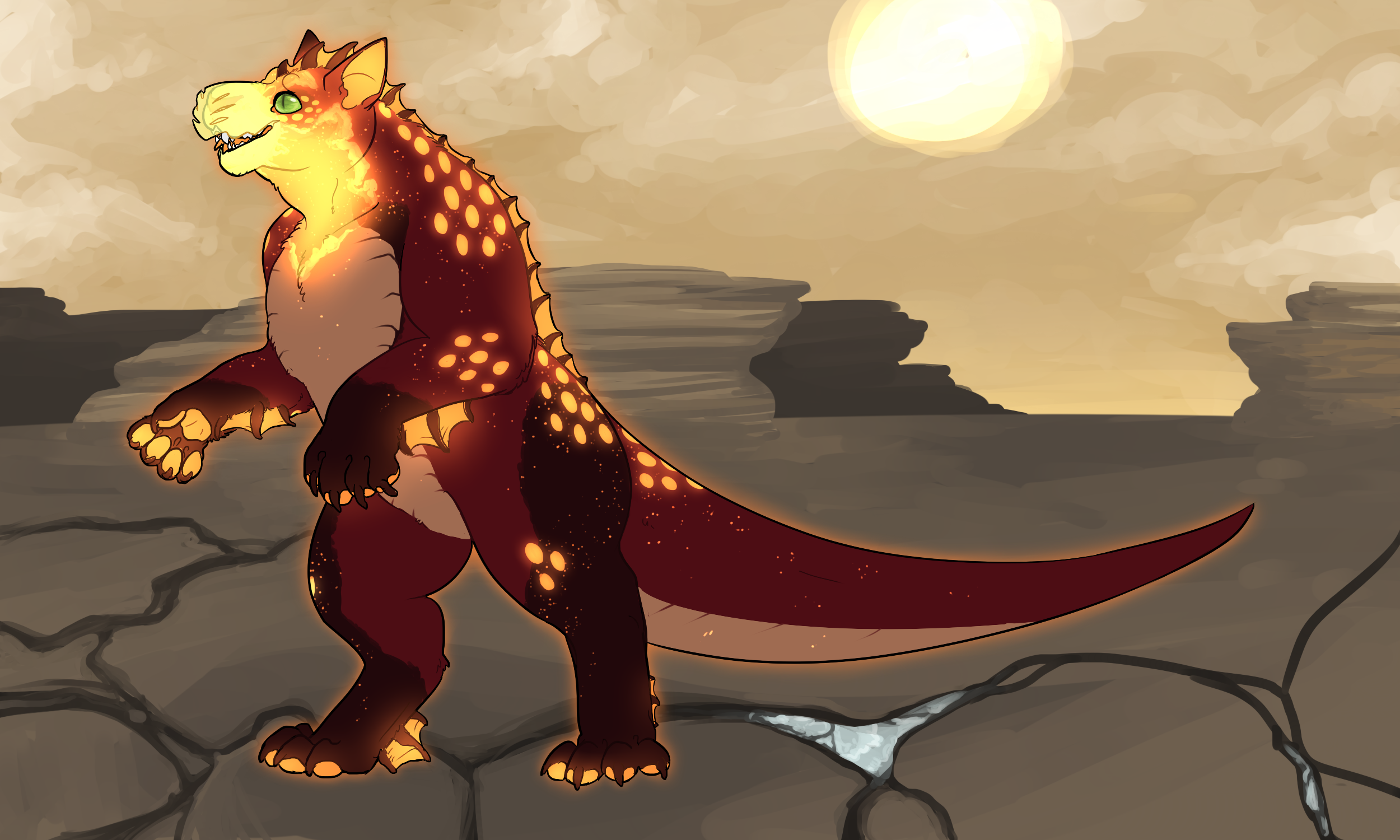
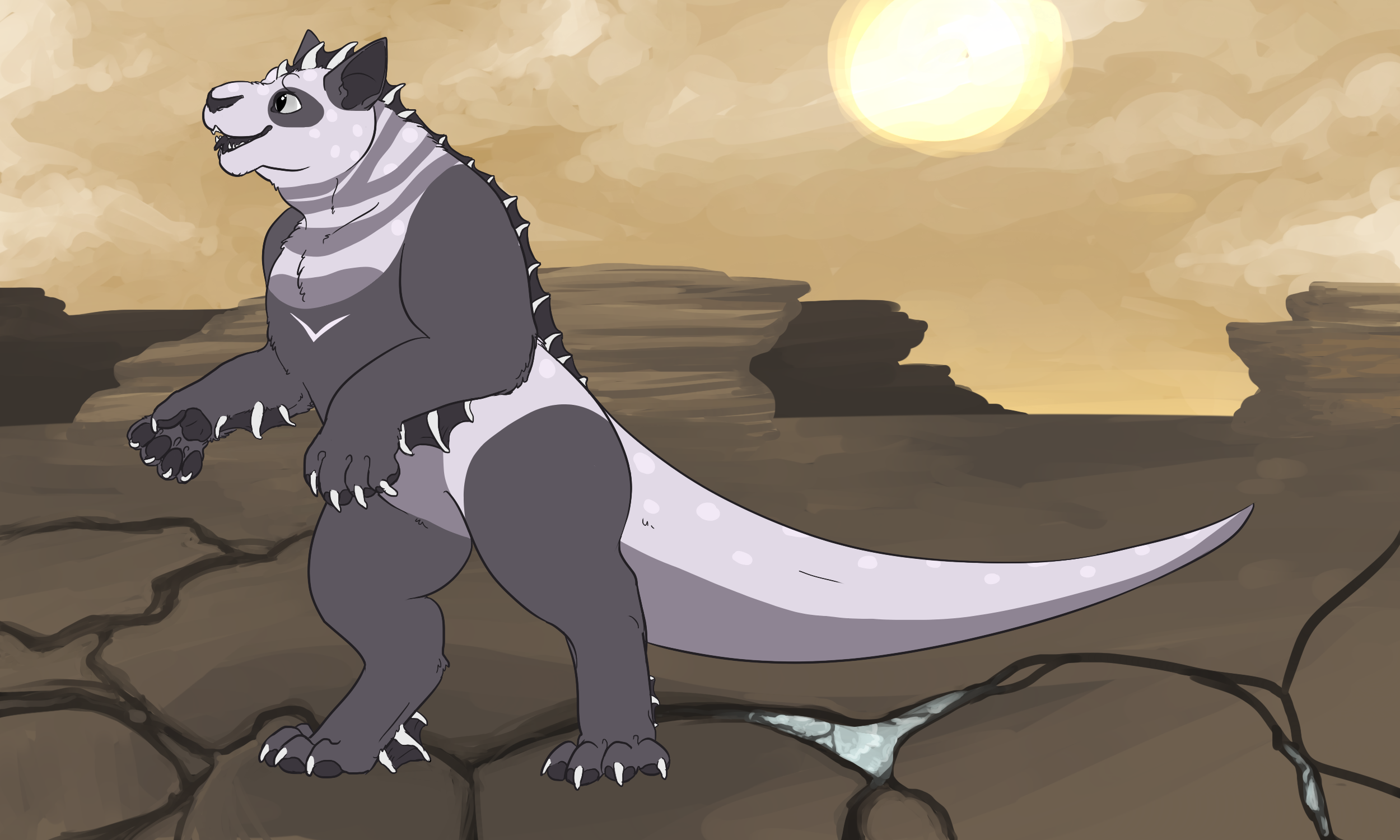
Panda (nPan/PanPan) (Uncommon)
Range:
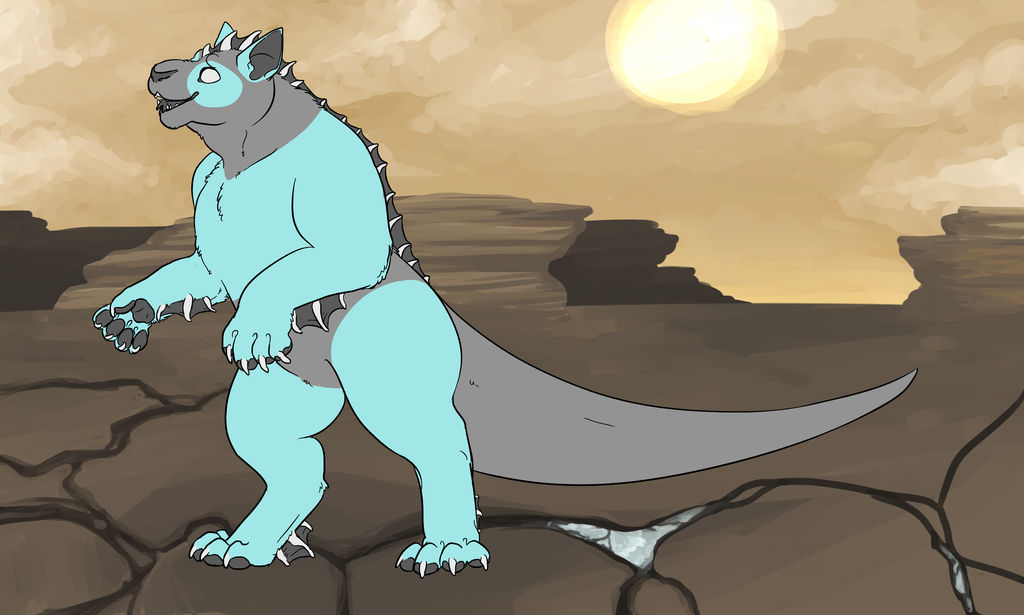
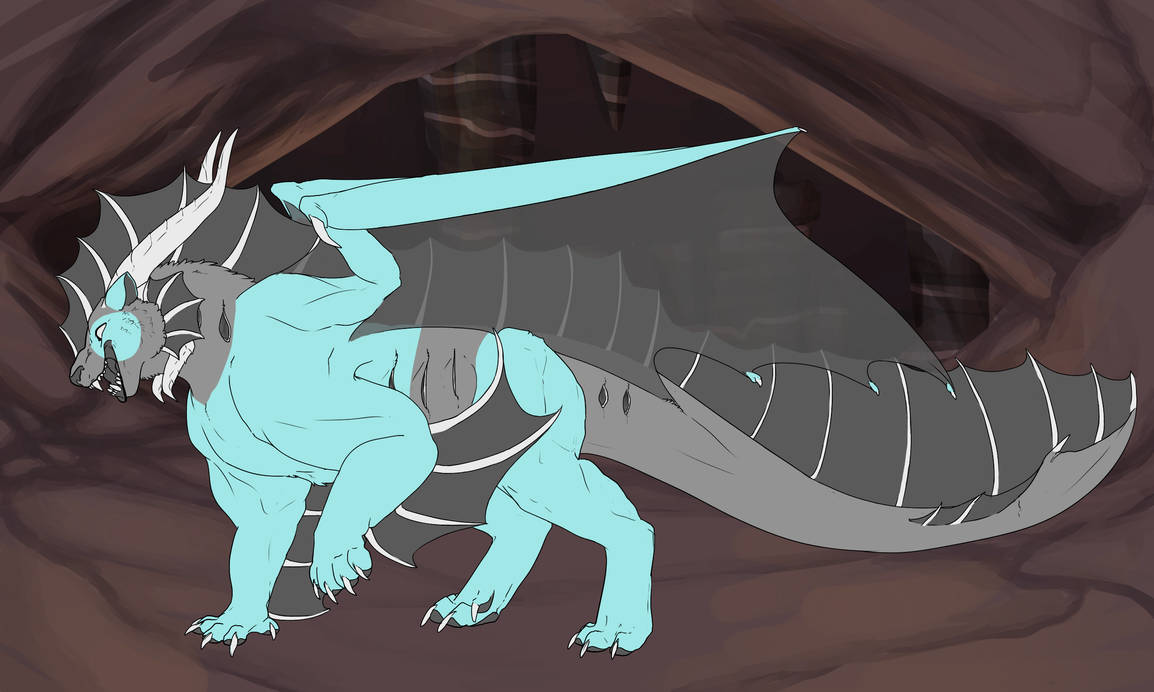
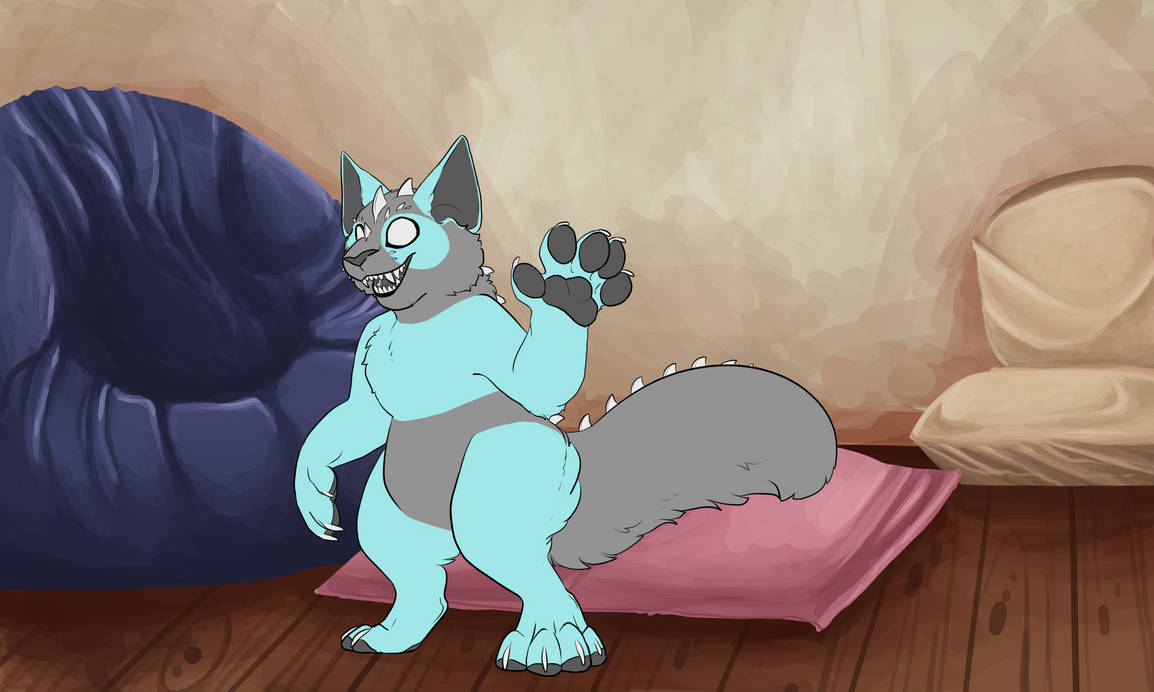
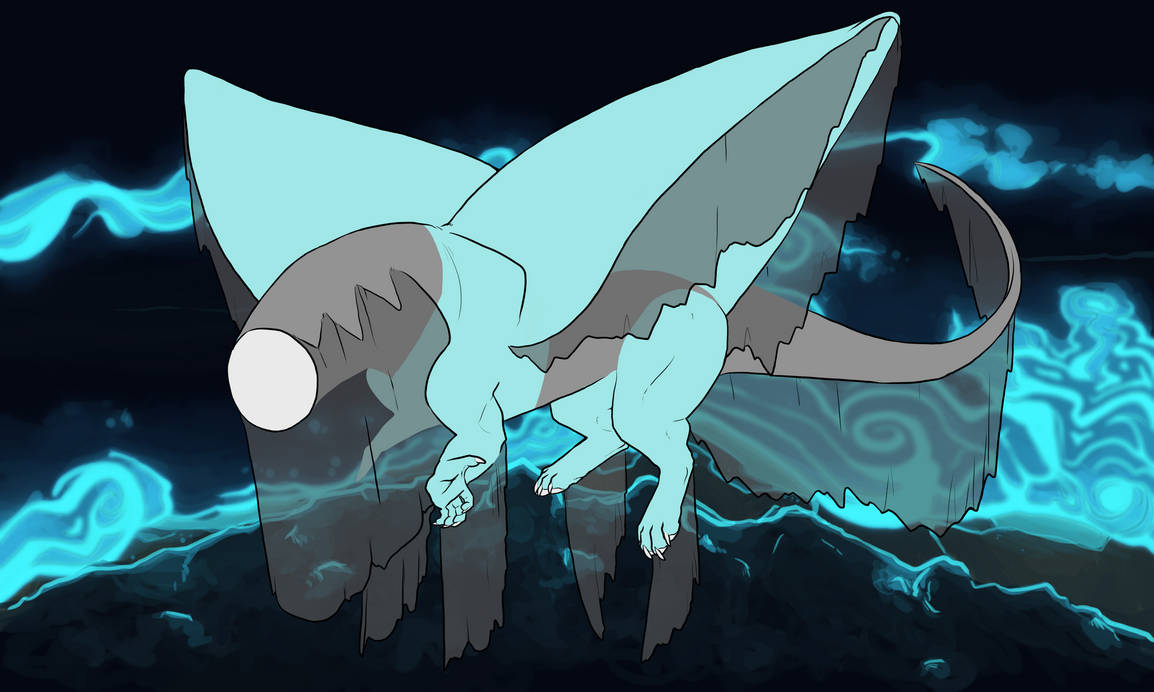
- Should be a darker shade of base coat, or black.
- Edges should be hard or textured.
- Panda should visibly appear on each separate zone - limbs, chest, eyes, ears. Funerary Rixixi do not have the mandatory eye/ear range.
Examples:

Mojave (nMjv/MjvMjv) (Uncommon)
Thick, serpentining stripes that one might see on some morphs of ball pythons. Cutouts and/or sudden keyhole-shaped curves with spots inside are allowed and recommended!
- Mojave is based off the markings found on Mojave and Arroyo ball pythons, mainly, but as long as it's fairly recognizable as the same basic shape, it's fine!
- Mojave must be darker than the base coat. It can have a gradient, and the gradient can be made up of two fairly different colors, as long as those colors are still darker than the base coat.
- It is typically hard- or textured-edged. It should not be blended out, but can be somewhat soft-edged.
- It has no maximum and can cover the full body if desired. It has no minimum, but should be noticeable on the design.
Examples: