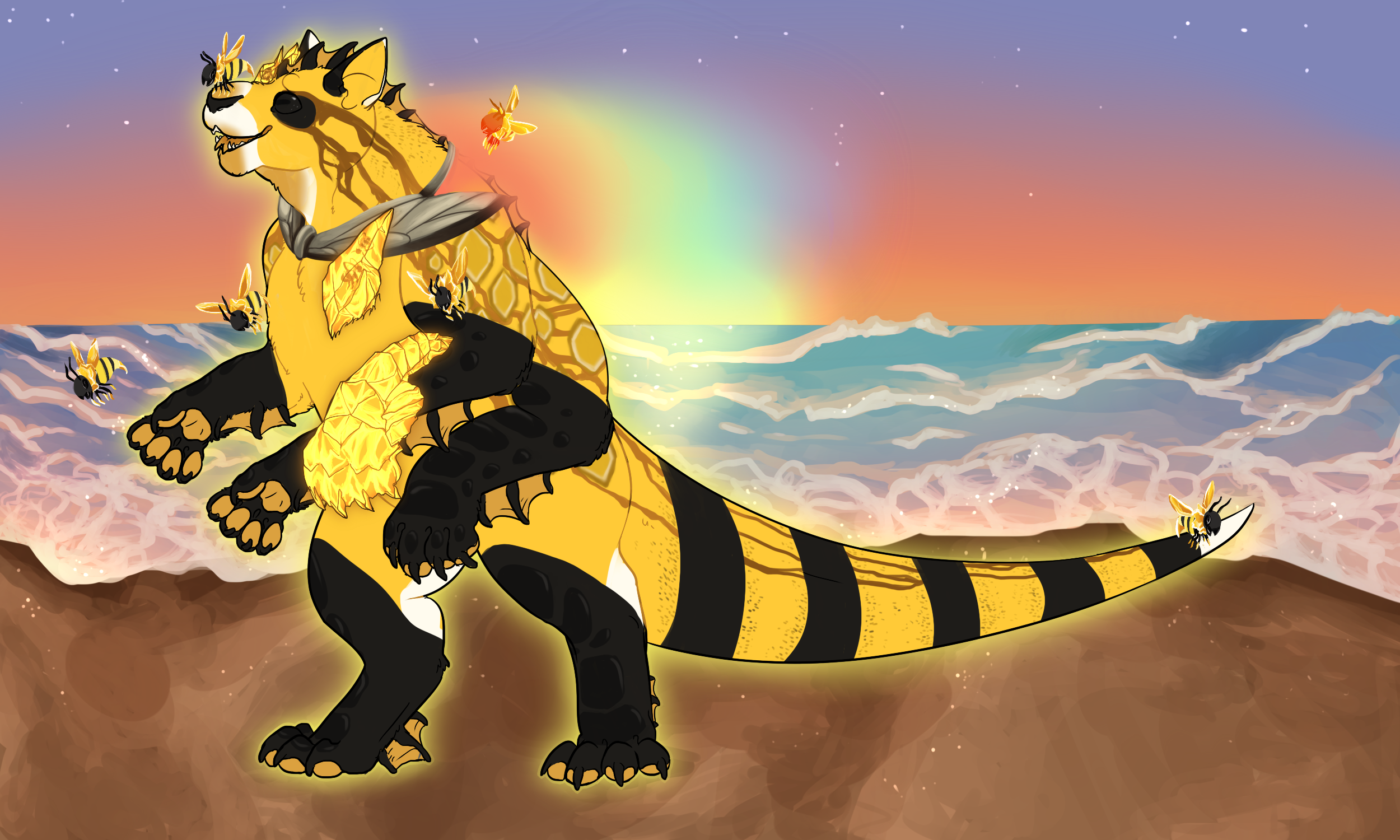
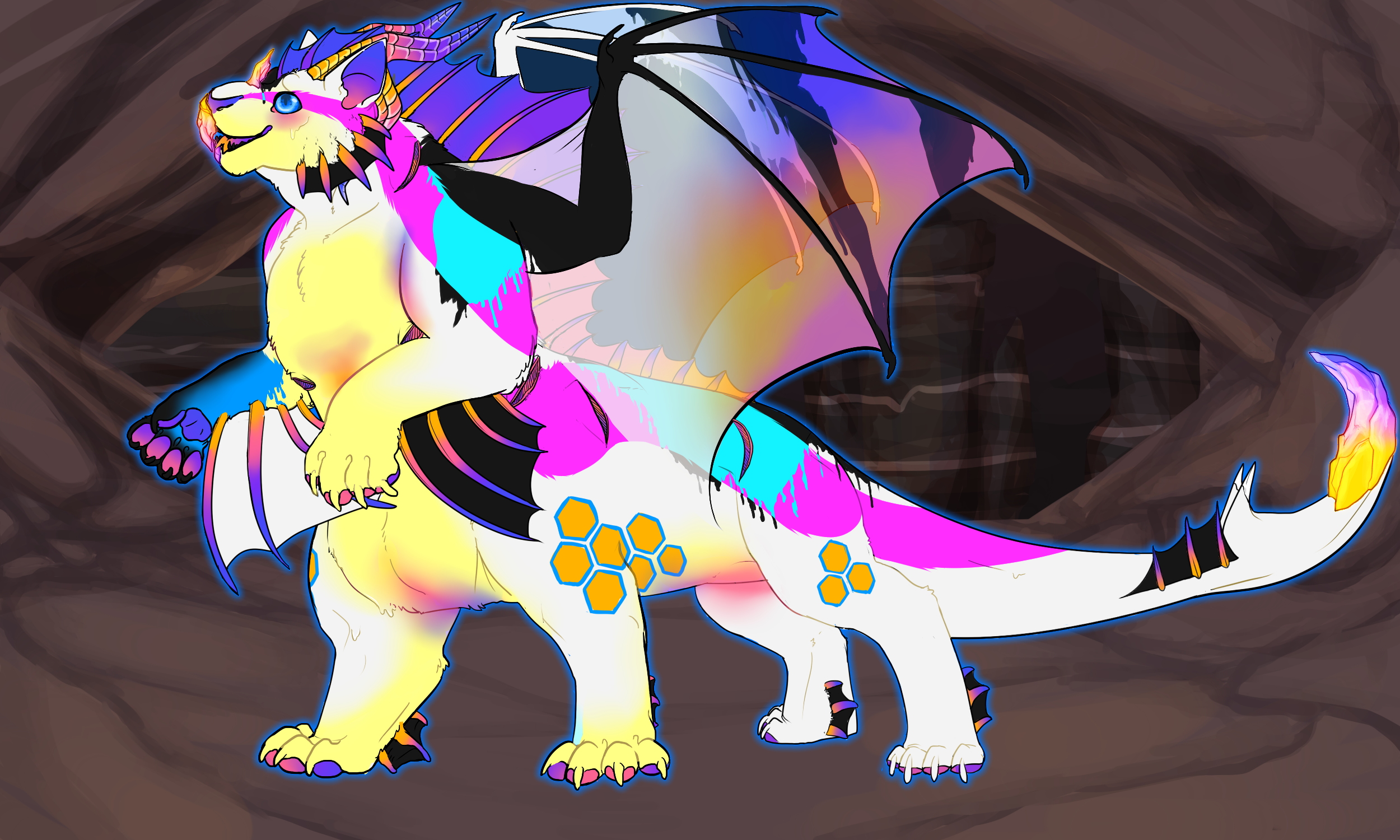
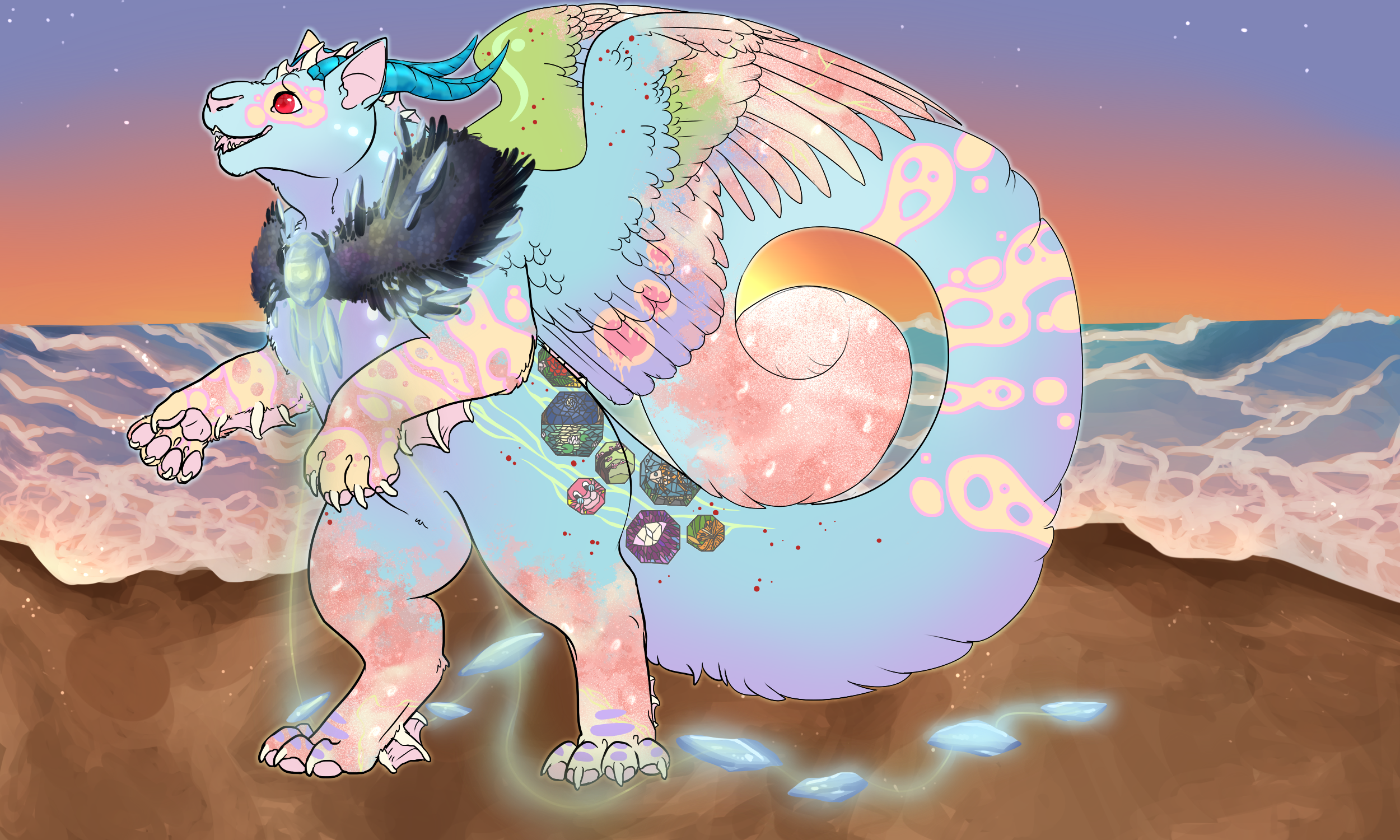
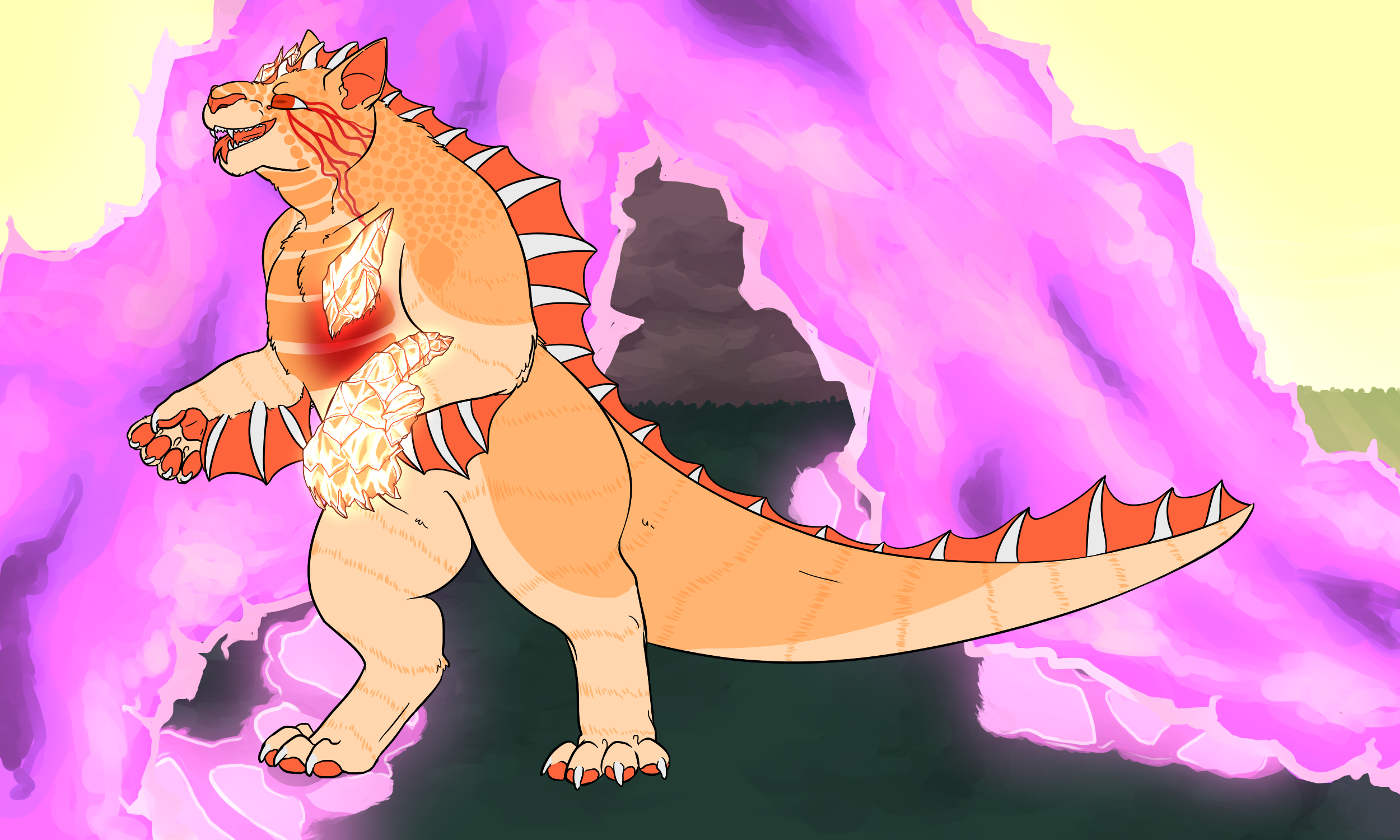
Traits
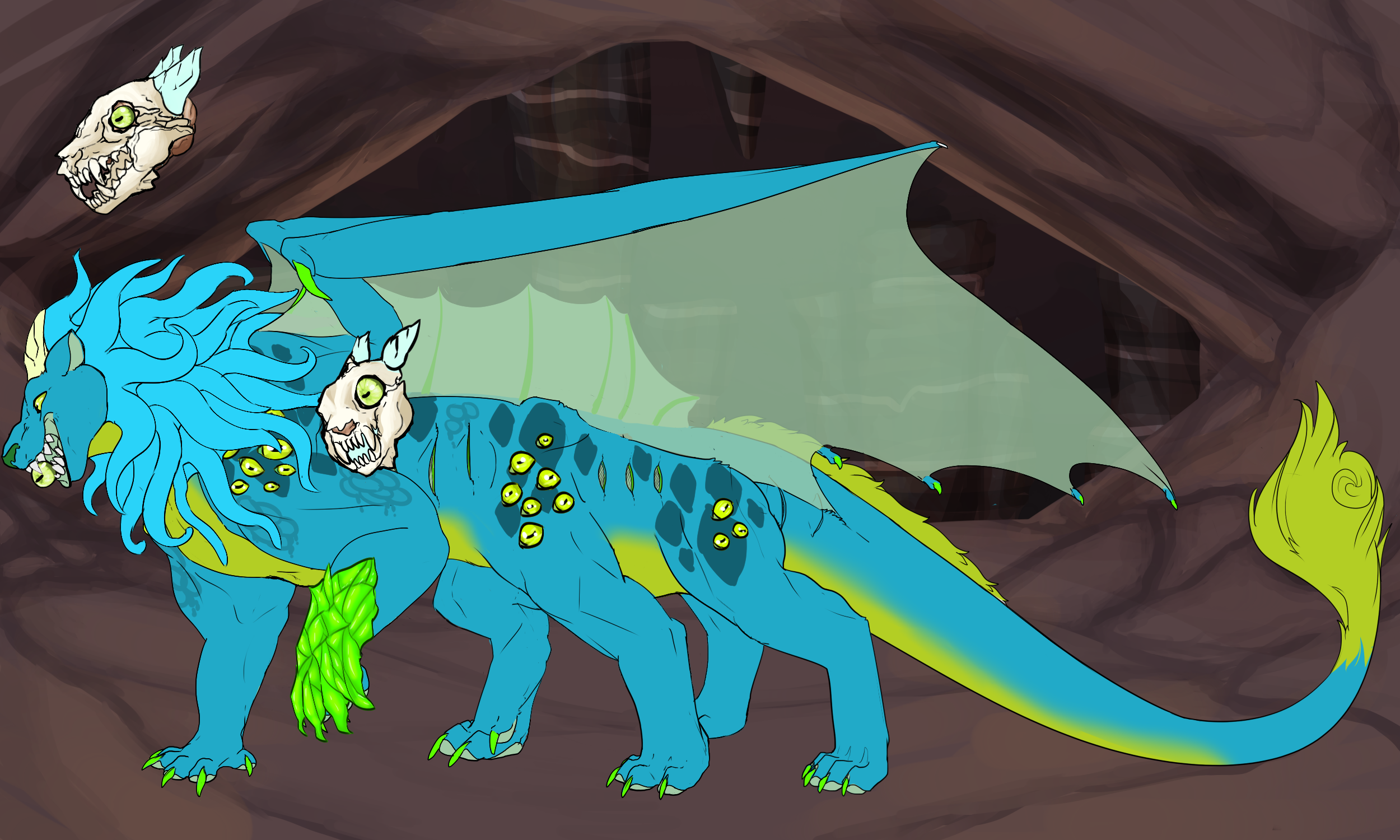
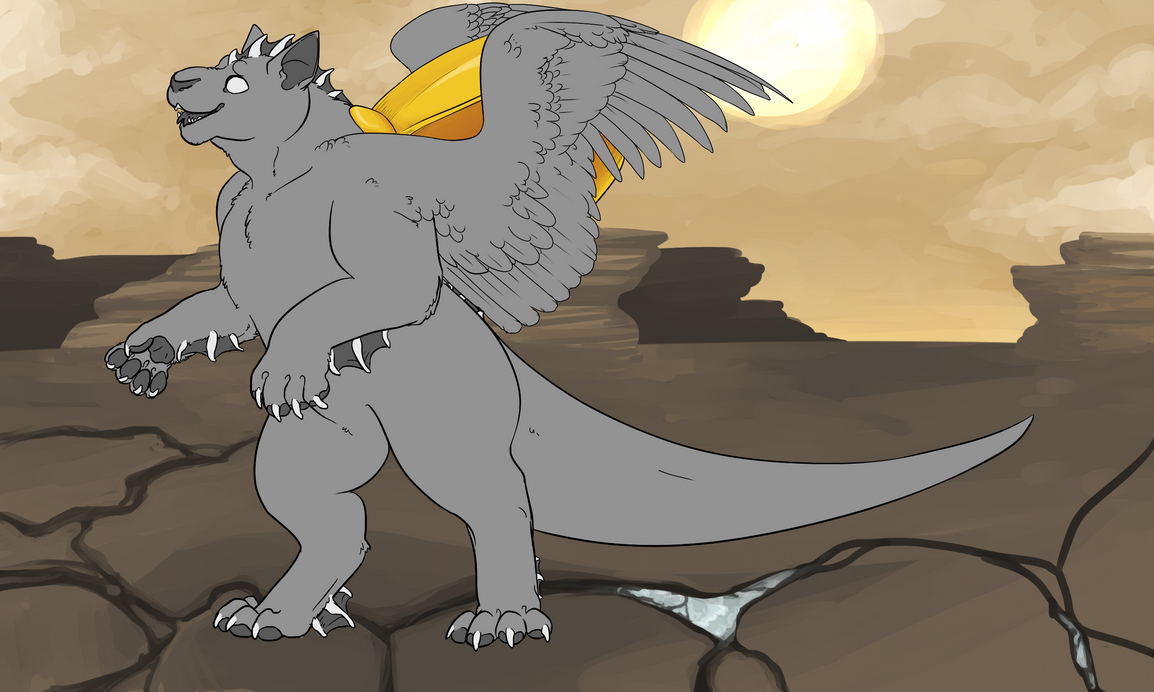
Feathered Wings (+FtWing) (Combination)
Large, feathered wings on the back. Can allow flight if the Ixi is strong enough.
- Wings are considered an extra appendage and markings in-range can spread to them. Markings that cover points can treat wings as if they were another limb.
Combining Wing Types
If you have multiple wing types on a geno, you're allowed to have a pair of both of them display without having Archangel present.Feathered Wings has a 20% chance of passing when both Wing Arms and Vestigial Wings (or Feathered Wings itself) are present in the breeding. Combination Mutations do not automatically pass if both mutations that make it up make it onto a Rixixi.
If a Mutation Station is used, Wing Arms or Vestigial Wings can present visibly on the design without being present in the geno - one Mutation Station is required per mutation.
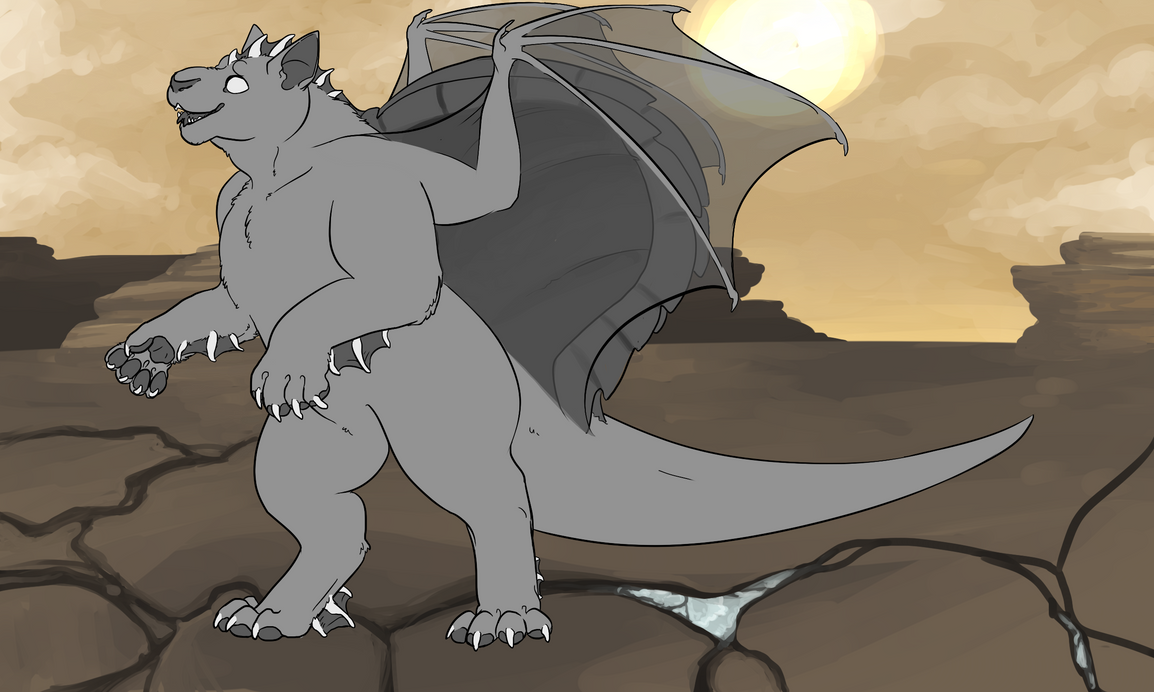
Wings (+Wing) (Combination)
Large, bat-like wings. Can allow flight if the Ixi is strong enough.
- Wings are considered an extra appendage and markings in-range can spread to them. Markings that cover points can treat wings as if they were another limb.
Wings with webbing have specific rules:
- The webbing itself is considered a skin zone, and can be any color lighter or darker than the base coat, can be any marking color on the Rixixi, can be any natural skin tone color, or can be any color on the base coat swatch.
- The opacity of the webbing can be freely altered as long as it is still clearly visible.
- Markings can still spread to the webbing, but need to be present on the body somewhere - they cannot only appear on the skin unless the marking specifically says otherwise (eg. Flourish).
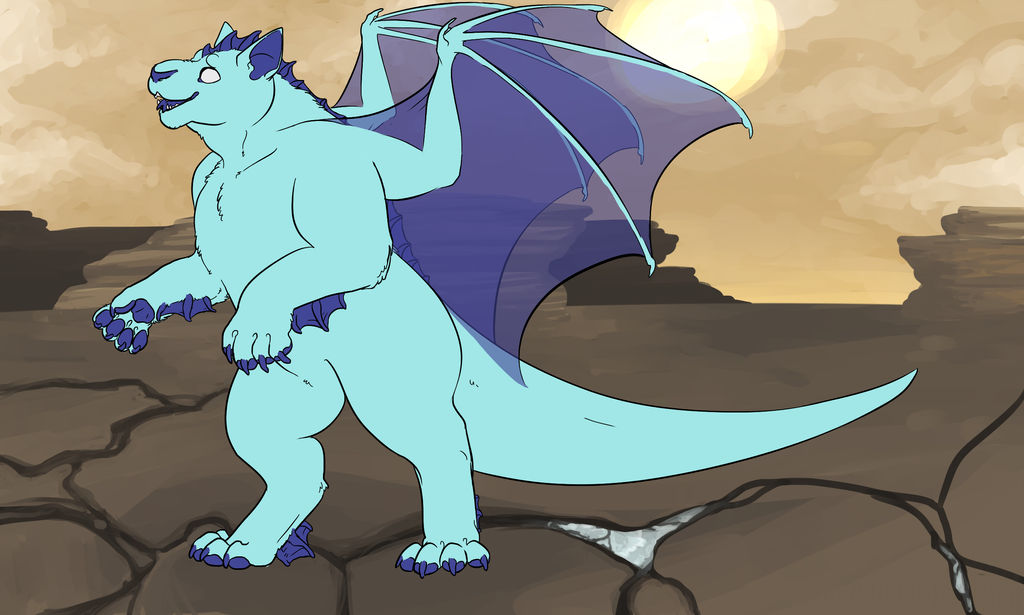
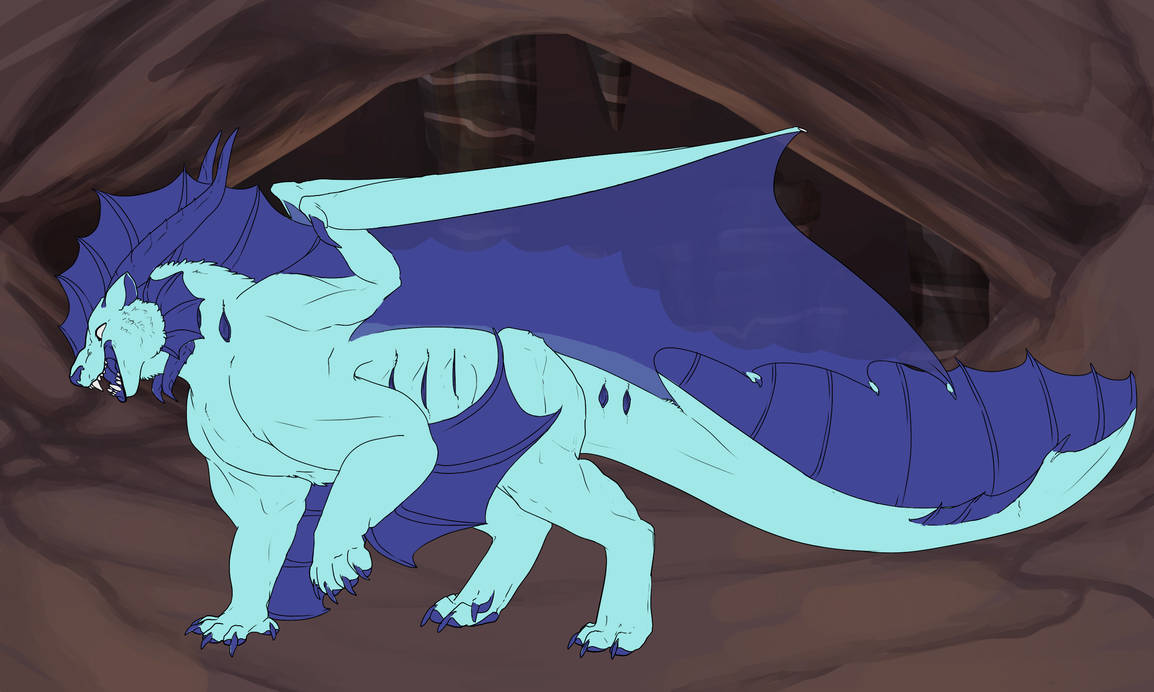
Light blue: Markings must appear somewhere here.
Medium blue: Markings can appear somewhere here, as long as they also appear in the light blue zone.
Combining Wing Types
If you have multiple wing types on a geno, you're allowed to have a pair of both of them display without having Archangel present.Wings has a 20% chance of passing when two instances of Vestigial Wings (or Wings itself) are present in the breeding. Combination Mutations do not automatically pass if both mutations that make it up make it onto a Rixixi.
If a Mutation Station is used, Vestigial Wings can present visibly on the design without being present in the geno.
Partial Translucence (+ParTluc) (Combination)
Bicolor appears as usual, except that the white fur is over translucent skin. Translucent mutation appears only over bicolor mutation.
Funerary Rixixi have Partial Translucence by default. This should always be visible unless replaced by Translucence or Ghost. It can be edited - moved, increased, reduced, etc - as long as it still covers 30-80% of the body.
Much like Bicolor, Partial Translucence appears in patches that cover parts of the Rixixi, but instead of white patches, the skin and fur are translucent. Markings can show on top of the translucent patches, as long as the patches are still clearly translucent.
Unlike Bicolor, Partial Translucence can cover a bit less of the body if desired - anywhere between 30%-80% of the Ixi's body should be covered by Partial Translucence.
Partial Translucence patches have about the same rules as Translucent itself, but localized to the patches:
- The Ixi should have translucent skin, with their internal structure visible in some way - musculature, bones, blood color tinting the translucent patches, etc.
- While internal organs can show in Partial Translucence please don't make them extremely graphic and gory - something one might find in an anatomical model is fine! Something extremely veiny or necrotic is best saved for your own art. We'd rather not use the mature filter on the masterlist if we can help it.
- Unless altered by a mutation, flesh/organ colors should be within reasonable flesh/organ colors, and bones should be believable as a bone color (discoloration is absolutely allowed, paint would have to be applied via cosmetics, etc. - I'm not going to ask how you got paint inside your body, I'm assuming surgery.)
Corona 0077's translucence and chimera layers, to show an example of how Partial Translucence works:


Corona's translucence is a 50% opacity white layer that's vaguely cloudy and blended in parts. This is overtop the bone layer (bone layer is 82% opacity), which in turn is over a 100% opacity layer of their red blood color that blends out to translucent at the edge. All of this is over a base coat layer.
Optional design packs for adding a skeleton:
Translucent Design Pack #1 (Standard)
Translucent Design Pack #2 (Primal)
Translucent Design Pack #3 (Domestic)
Translucent Design Pack #5 (Dwarf Primal)
Translucent Design Pack #4 (Dragon Body Standard)
Translucent Design Pack #4.2 (Dragon Body Primal)
Translucent Design Pack #4.3 (Dragon Body Domestic)
Partial Translucence is a combination mutation:
Partial Translucence has a 20% chance of passing when both Bicolor and Fogshard (or Partial Translucence itself) are present in the breeding. Combination Mutations do not automatically pass if both mutations that make it up make it onto a Rixixi.
It can also be passed naturally at a common or uncommon rate by Domestics.
It can also be passed naturally at its usual rate by Funeraries.
If a Mutation Station is used, Bicolor or Fogshard can present visibly on the design without being present in the geno - one Mutation Station is required per mutation.
Translucent (+Tluc) (Combination)
Most of the Rixixi's body is translucent, showing the internal organs and bone structure. The original base coat and markings should still be visible, but should be translucent or tinted with the Ixi's blood color.
- The Ixi should have translucent skin, with their internal structure visible in some way - musculature, bones, blood color tinting the entire design, etc.
- Turning the entire Ixi's translucence down and putting an Ixi-shaped layer of their blood color beneath them is generally a good way to tint the whole design!
- While internal organs can show in Translucent, please don't make them extremely graphic and gory - something one might find in an anatomical model is fine! Something extremely veiny or necrotic is best saved for your own art. We'd rather not use the mature filter on the masterlist if we can help it.
- Unless altered by a mutation, flesh/organ colors should be within reasonable flesh/organ colors, and bones should be believable as a bone color (discoloration is absolutely allowed, paint would have to be applied via cosmetics, etc. - I'm not going to ask how you got paint inside your body, I'm assuming surgery.)
Optional design packs for adding a skeleton:
Translucent Design Pack #1 (Standard)
Translucent Design Pack #2 (Primal)
Translucent Design Pack #3 (Domestic)
Translucent Design Pack #5 (Dwarf Primal)
Translucent Design Pack #4 (Dragon Body Standard)
Translucent Design Pack #4.2 (Dragon Body Primal)
Translucent Design Pack #4.3 (Dragon Body Domestic)
Translucent is a combination mutation:
Translucent has a 20% chance of passing when both Albinism and Fogshard (or Translucent itself) are present in the breeding. Combination Mutations do not automatically pass if both mutations that make it up make it onto a Rixixi.
It can also be passed naturally at a common or uncommon rate by Domestics.
If a Mutation Station is used, Albinism or Fogshard can present visibly on the design without being present in the geno - one Mutation Station is required per mutation.
Shield Wings (+ShlWing) (Combination)
A protective covering over the Rixixi's wings. Usually beetle- or turtle- like.
- The shell of Shield Wings can use any of the following colors:
- Lighter or Darker than the base color (or the base color itself)
- Any Base Coat Color
- Shield Wings can have shading and shine, but requires the Iridescent gene to have multicolored iridescence. Markings can extend to it, much like with other wing types.
- If Shield Wings is present with another wing type, you can make a custom "shield" such as one that resembles beetle eltyra, a turtle shell, or Fantasy variants of either of those (eg: something like the Primal Shield Wings base, mountainous/island-like turtle shells, etched or fae-like beetle shells, etc)
- Other wing covers (eg. crystalline, rocky, eggshell, Literal Shields that aren't turtle-like or beetle-like, etc.) are allowed!
- Custom Shield Wings should still appear on the back of other wing types - if no other wings are present, vestigial wings can be shown if the shield wings are open.
- The wing under Shield Wings appears as normal.
Combining Wing Types
If you have multiple wing types on a geno, you're allowed to have a pair of both of them display without having Archangel present.
Shield Wings is a combination mutation:
Shield Wings has a 20% chance of passing when both Insect Wings and Shell (or Shield Wings itself) are present in the breeding. Combination Mutations do not automatically pass if both mutations that make it up make it onto a Rixixi.
If a Mutation Station is used, Insect Wings or Shell can present visibly on the design without being present in the geno - one Mutation Station is required per mutation.
Ray (+Ray) (Combination)
A cape of wing-like fins, cephalic fins around the mouth, and a few spines on the tail. Displaced vents on the chest complete the psuedo-ray look.
- Markings in the area can extend to this mutation. The Ray 'mantle' can count as additional limbs for markings that affect points.
- The chest vents can be any legal flesh or skin color for the Rixixi, or can show the Rixixi's blood color on part or all of the mutation if desired - by default, Rixixi blood is red, but it can be modified by certain markings and mutations.
Ray is a combination mutation:
Ray has a 20% chance of passing when both Tail Spike and Vestigial Wings (or Ray itself) are present in the breeding. Combination Mutations do not automatically pass if both mutations that make it up make it onto a Rixixi.
If a Mutation Station is used, Vestigial Wings or Tail Spike can present visibly on the design without being present in the geno - one Mutation Station is required per mutation.
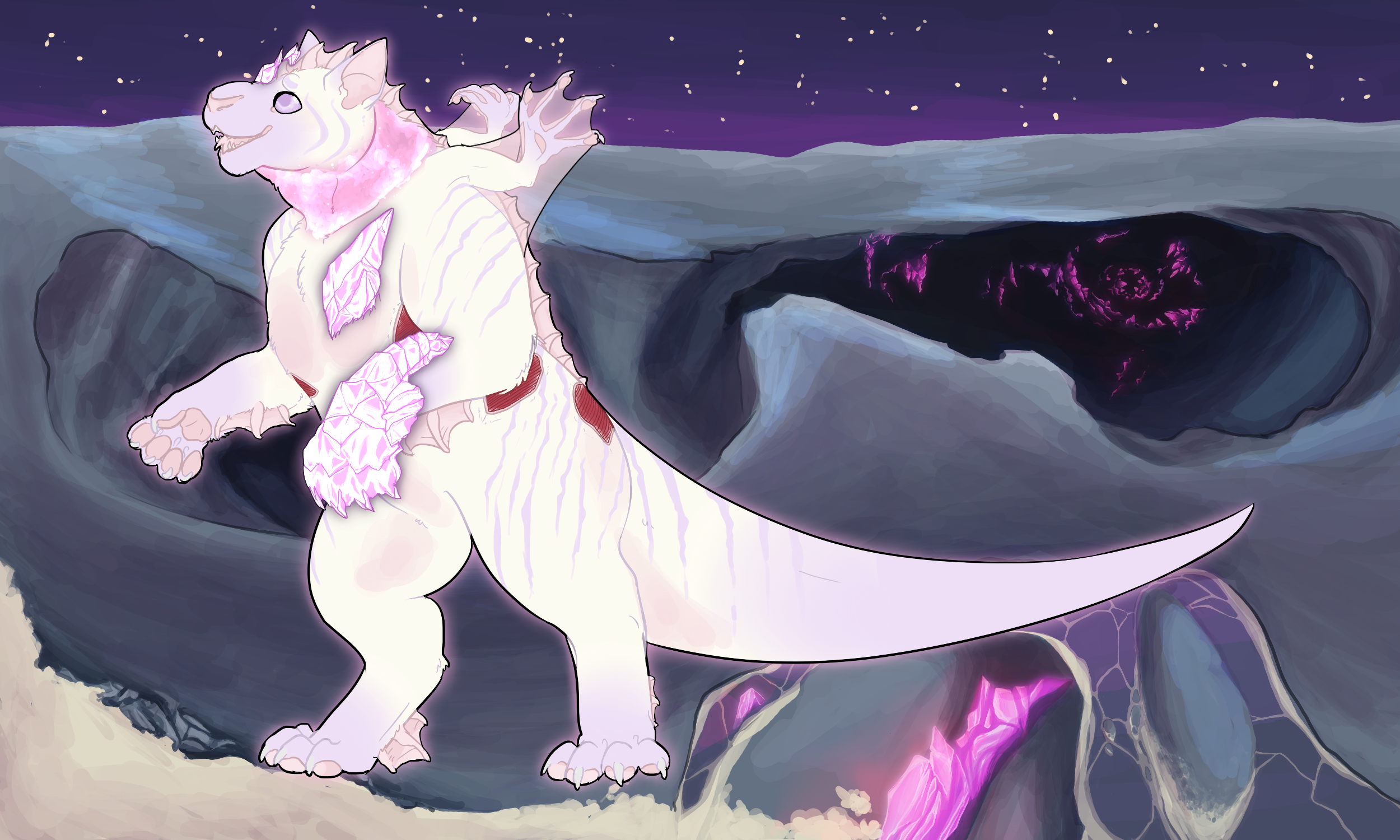
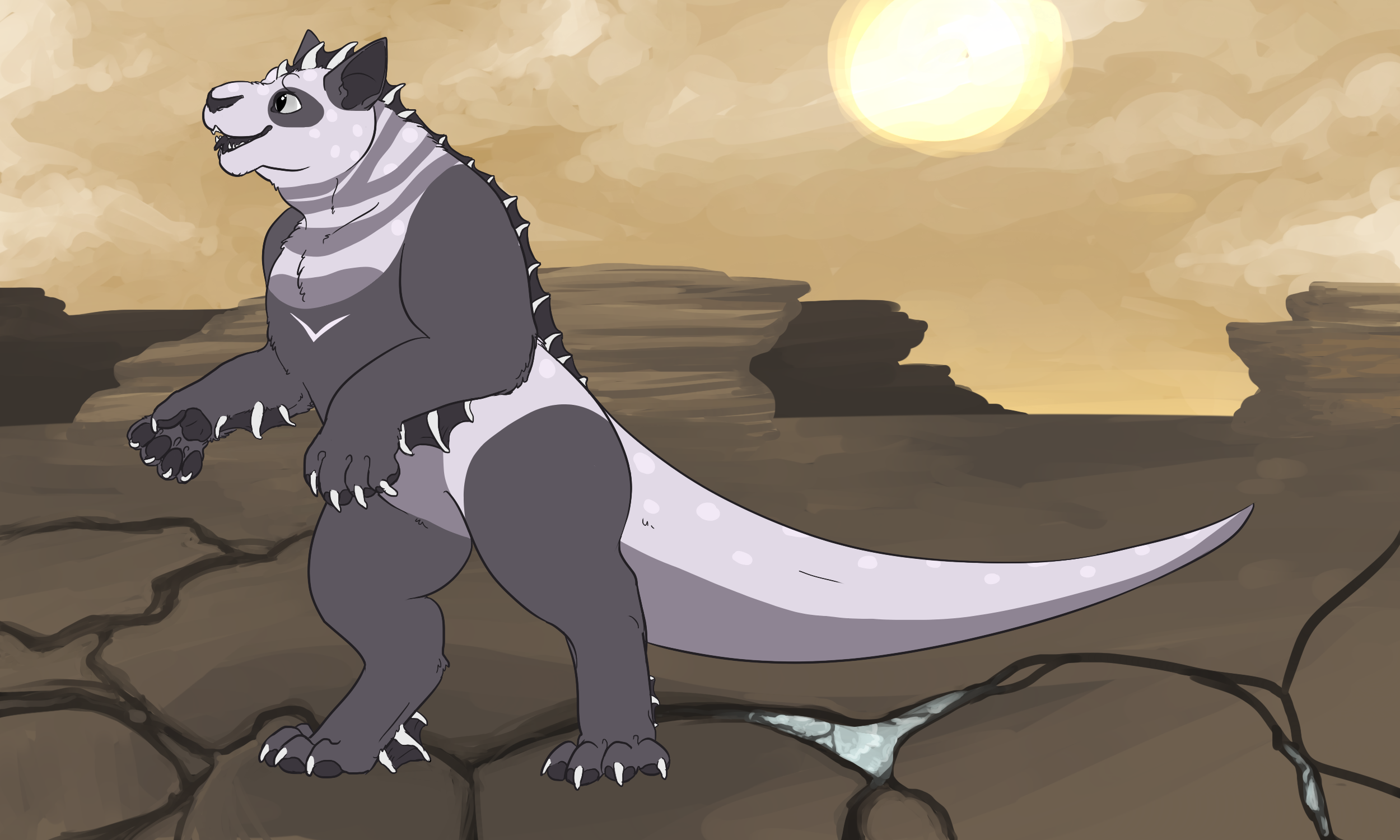
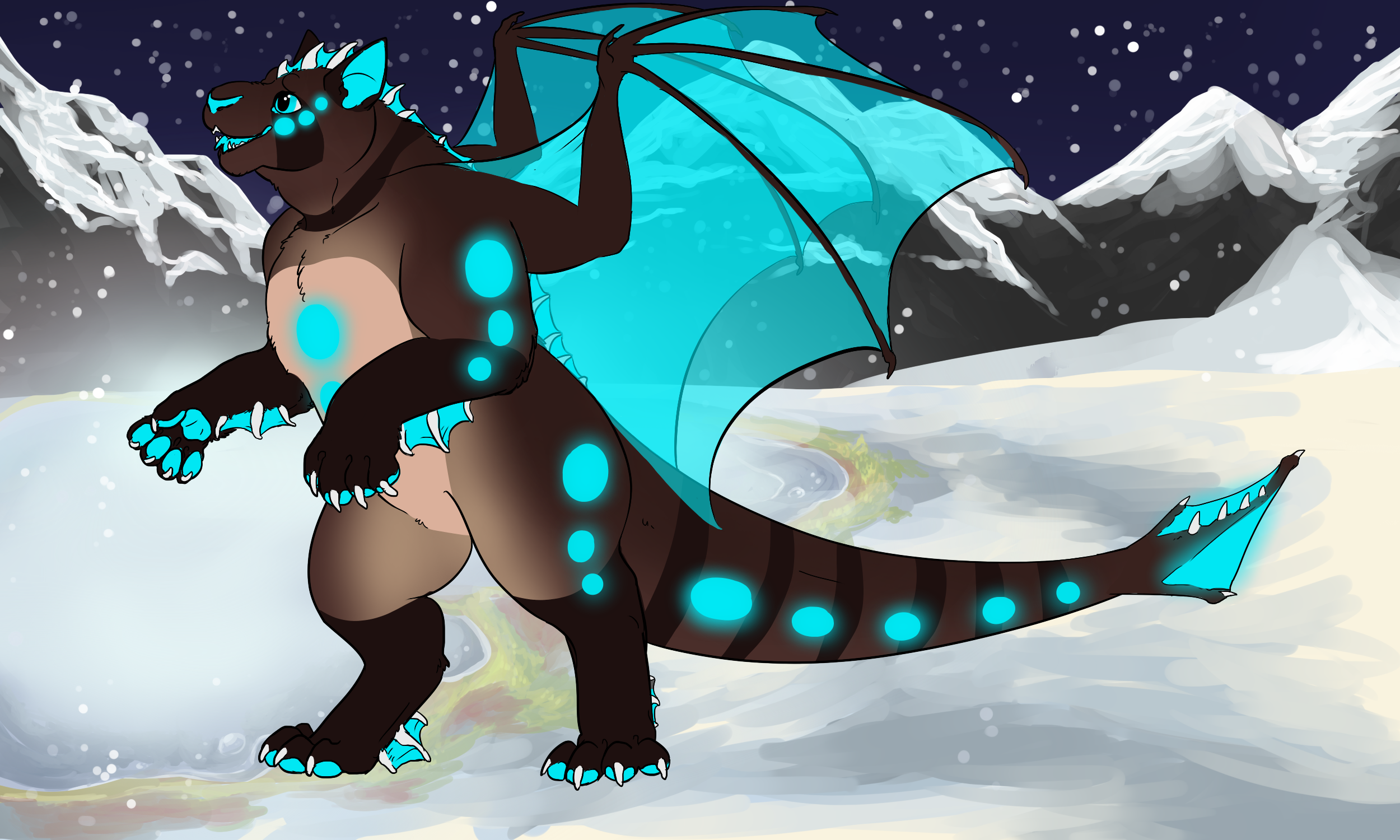
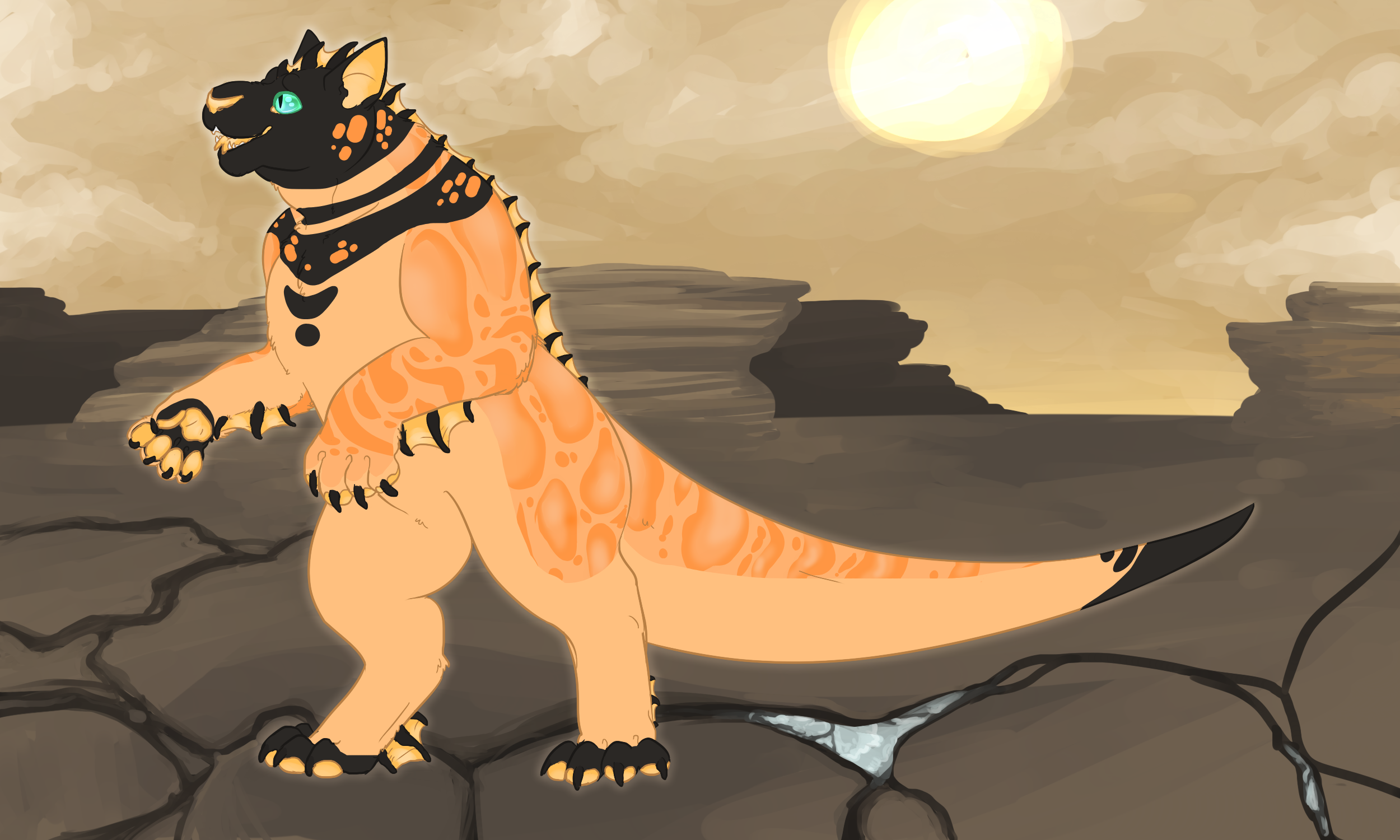
Hood (nHd/HdHd) (Common)
Range:
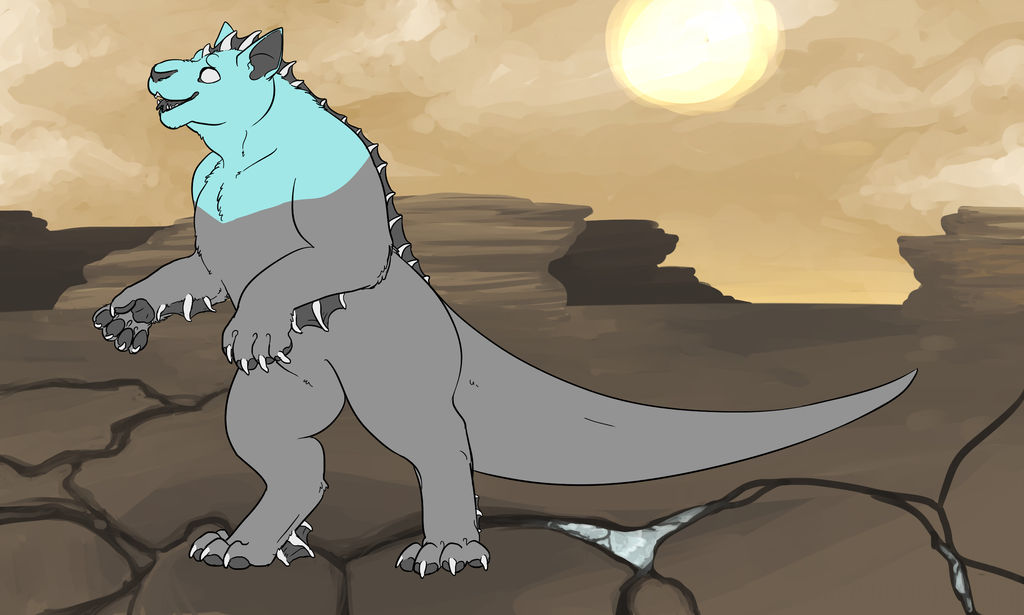
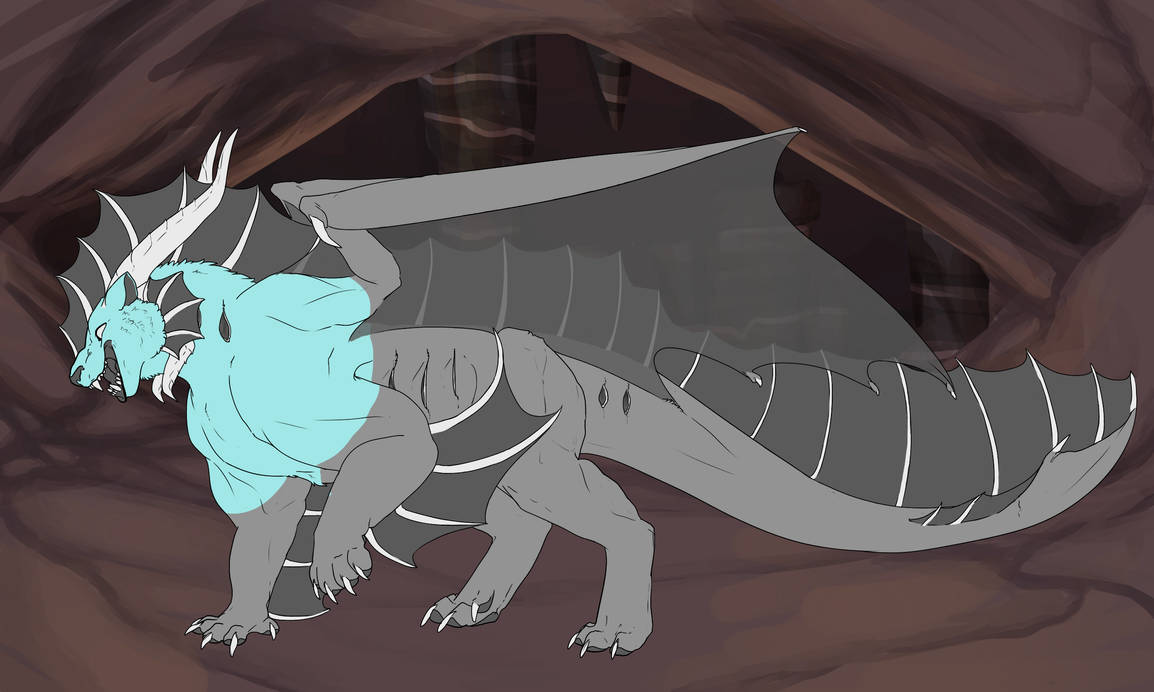
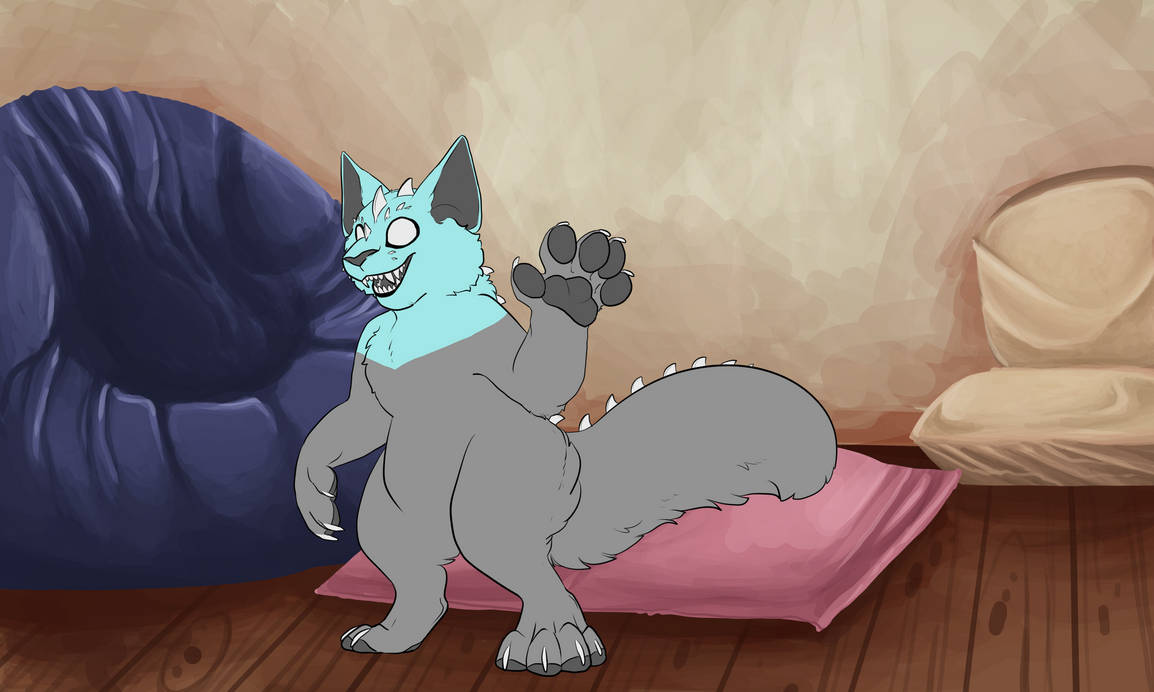
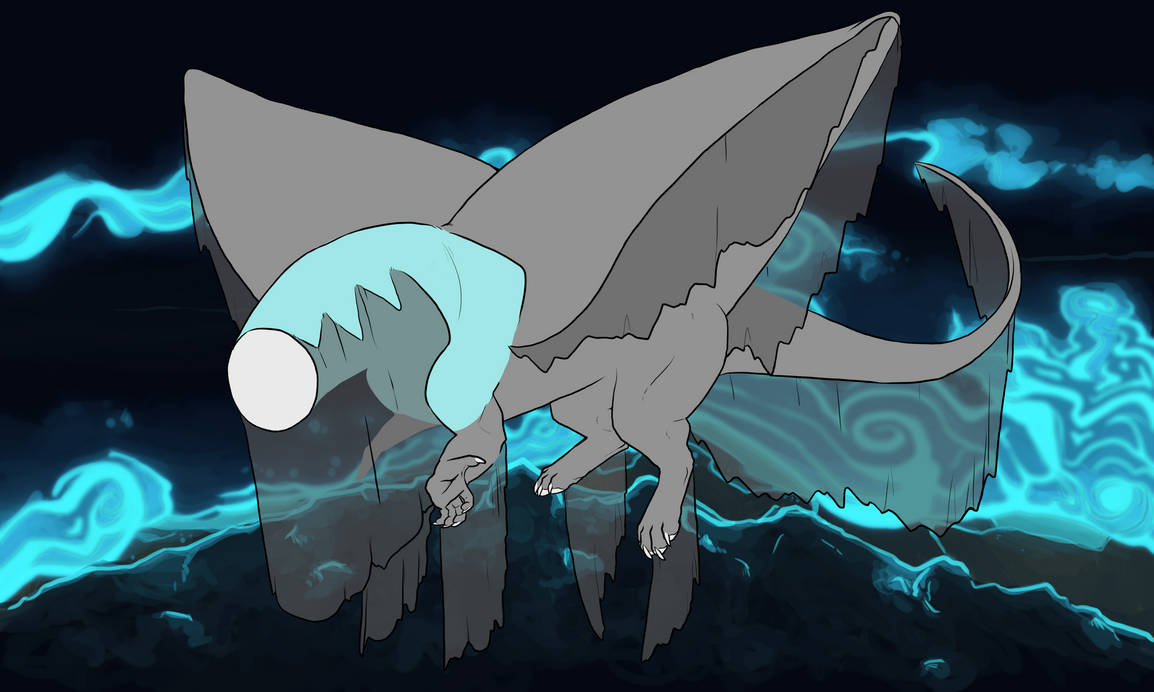
- Hood may be a lighter or darker shade of the base coat, including black and white.
- Hood does not have a restriction on edge hardness.
- Hood should, at minimum, create a visible ring around the neck.
- There can only be breaks in the marking if it's creating multiple rings around the neck. The shoulder and/or head region, if present, must consist of a single unbroken marking.
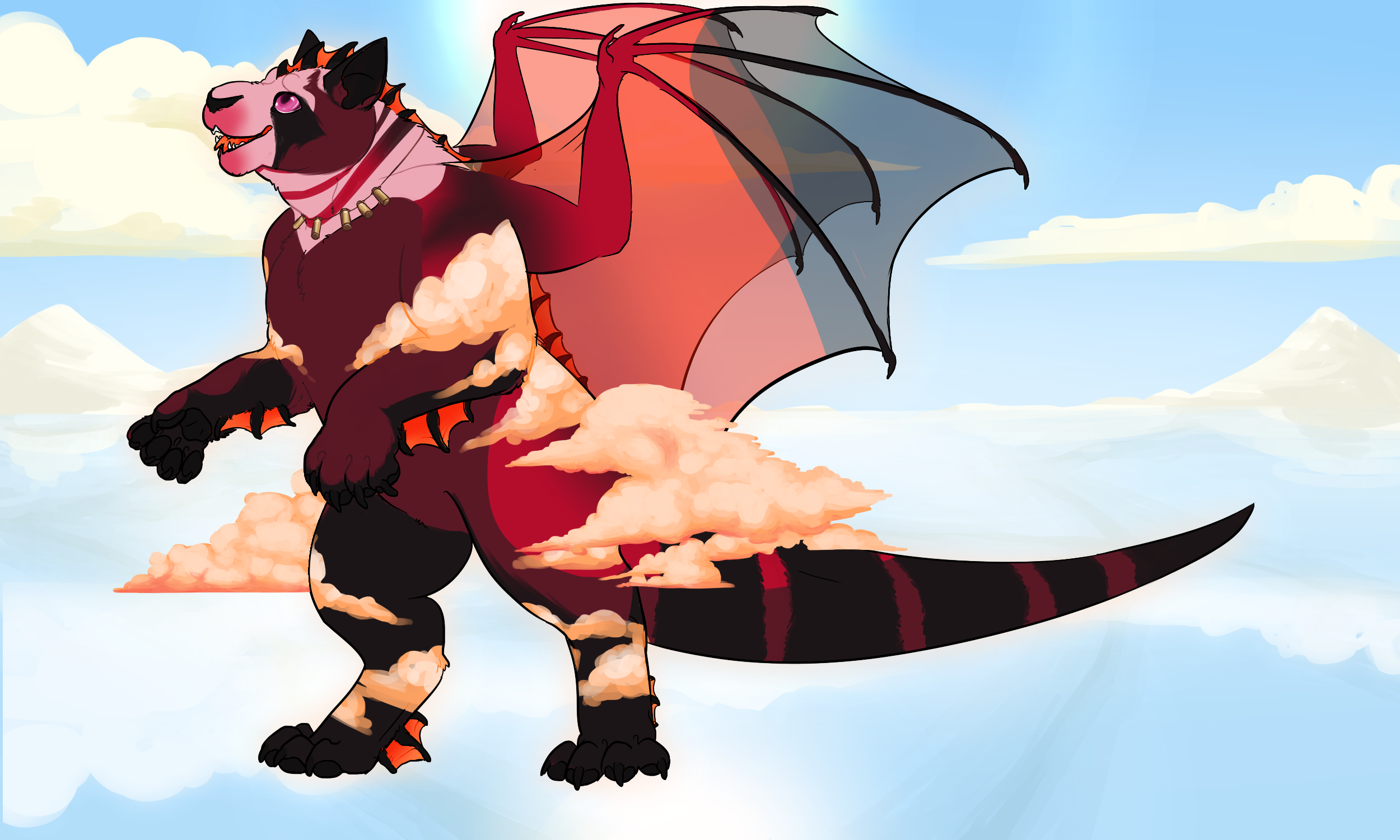
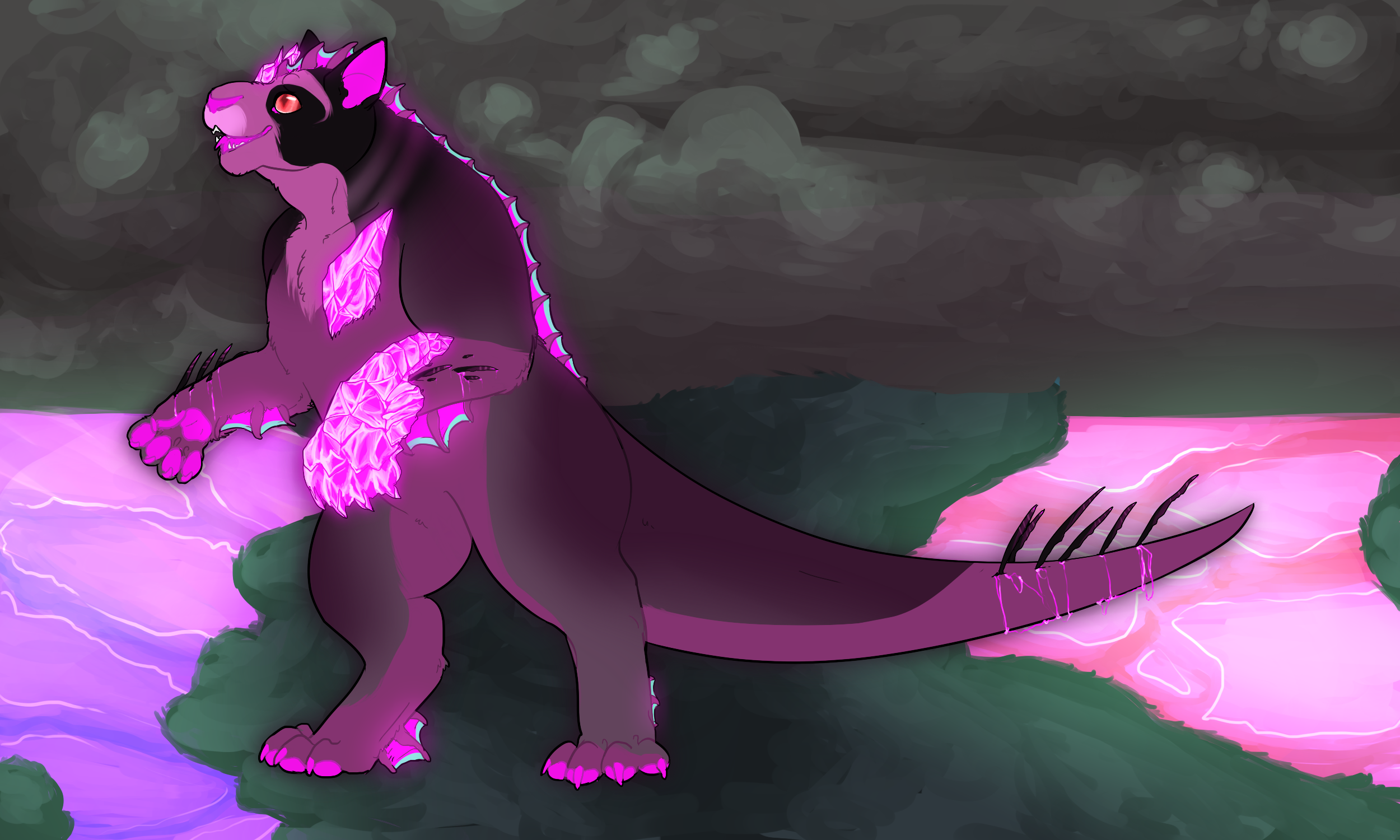
Examples:


Sun (nSun/SunSun) (Common)
Range:
- Must be lighter than base coat, tan, or gold.
- Edges should be hard or textured-edged.
- It should be a mostly abstract or fully abstract shape - if it's a recognizeable shape (heart, actual sun, star, etc), it should appear as if it's a marking rather than a tattoo.
Modifying other markings:
- Make Spectacled gold
- Combine the two markings (Spectacled with a larger chest marking)
Examples:
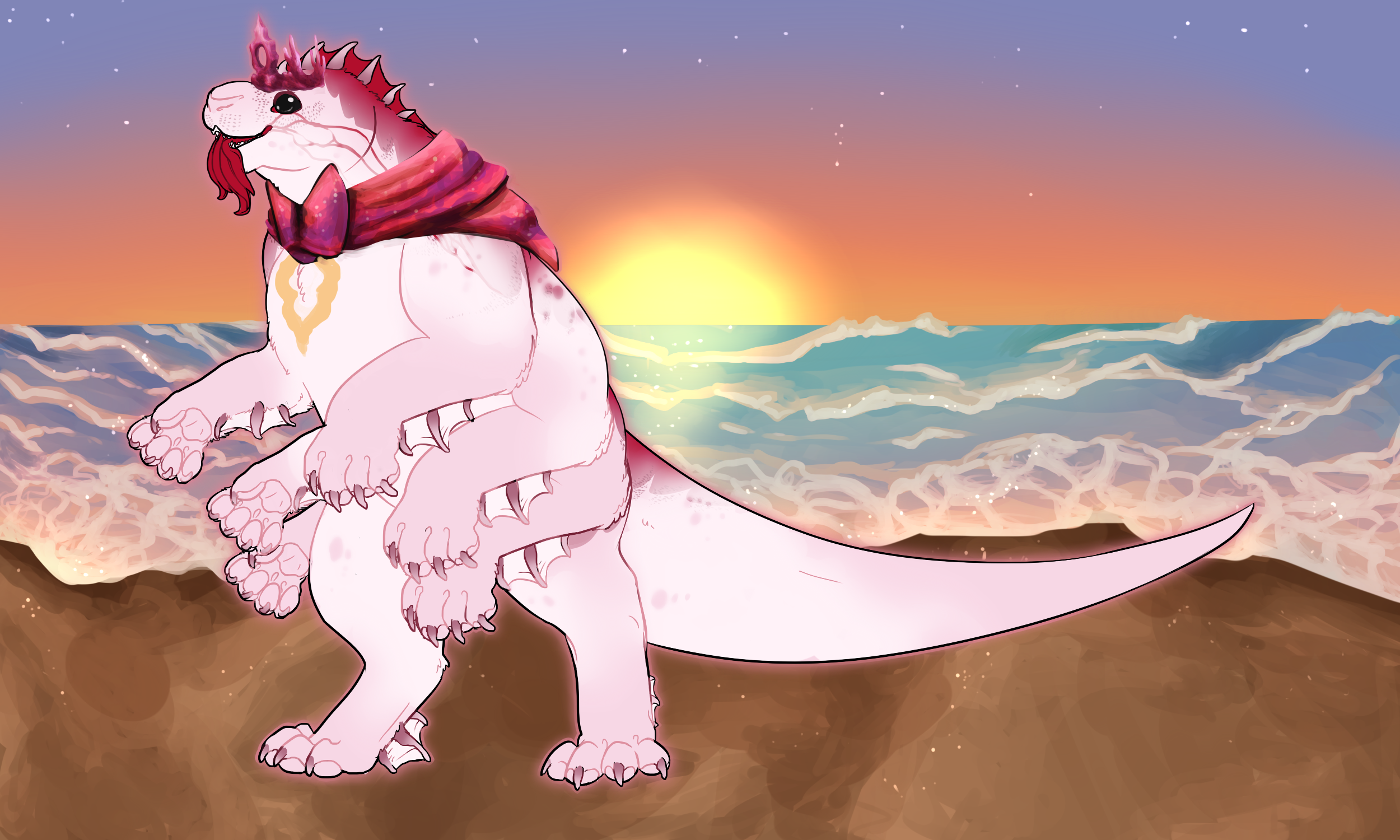
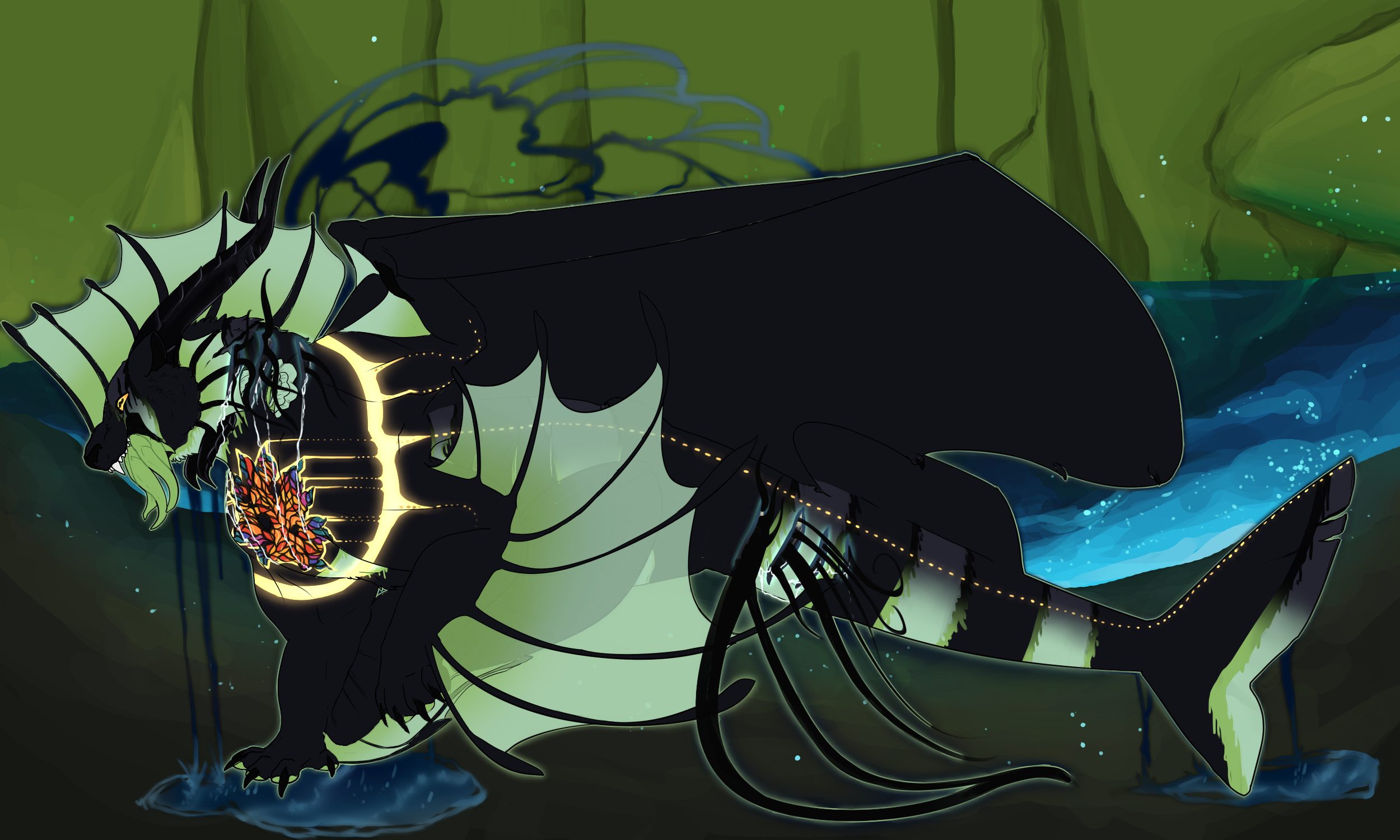
Squared (nSq/SqSq) (Common)
- Squared must be lighter or darker than the base coat, and can be black or white.
- It should include squares and/or rectangles, which can be solid or hollow. It can curve naturally with the body, but the geometric shape should still be easy to make out.
- It can be hard-edged or lightly textured. It should not be soft-edged or heavily textured.
- It has no minimum, but should be noticeable on the design.
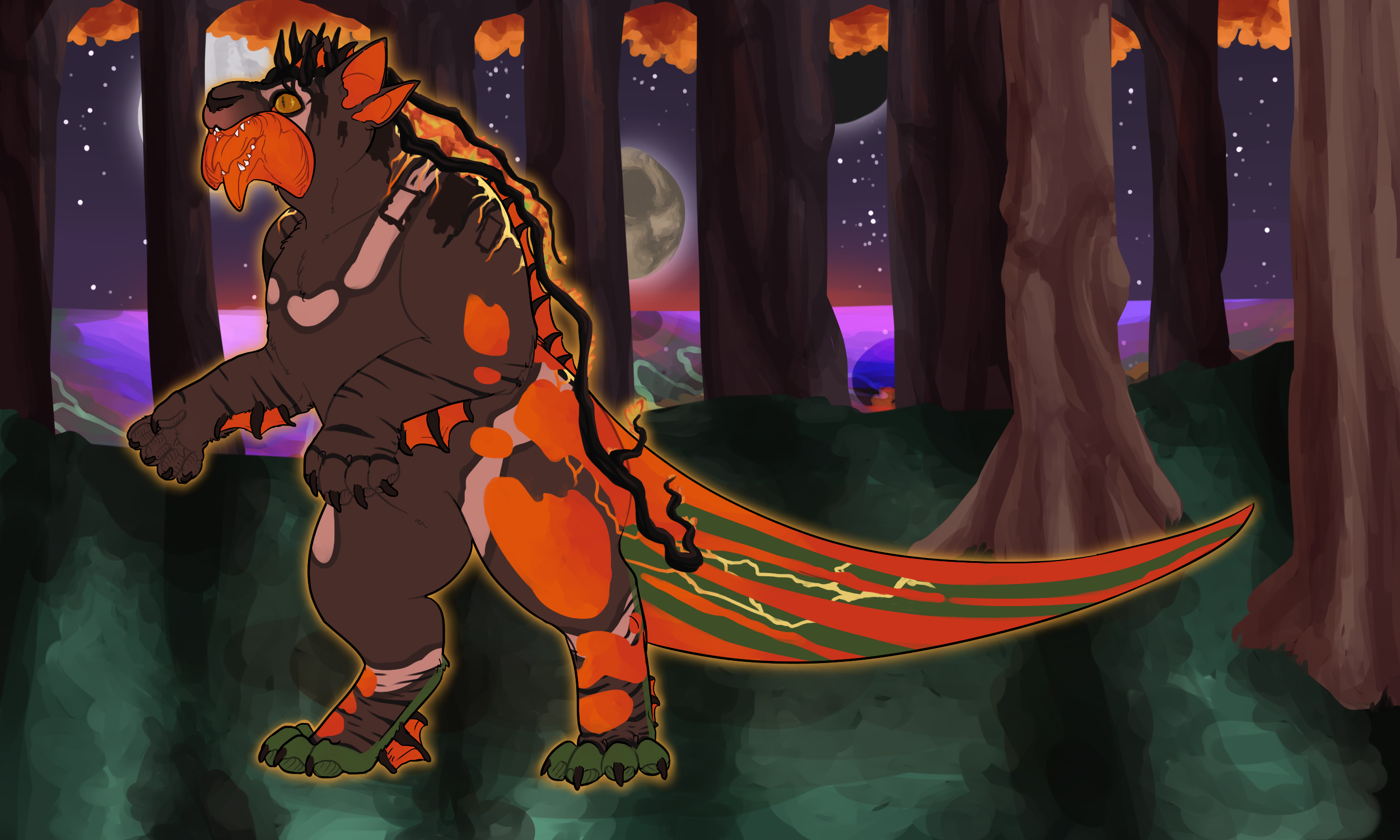
Examples:
Snowflake (nSn/SnSn) (Common)
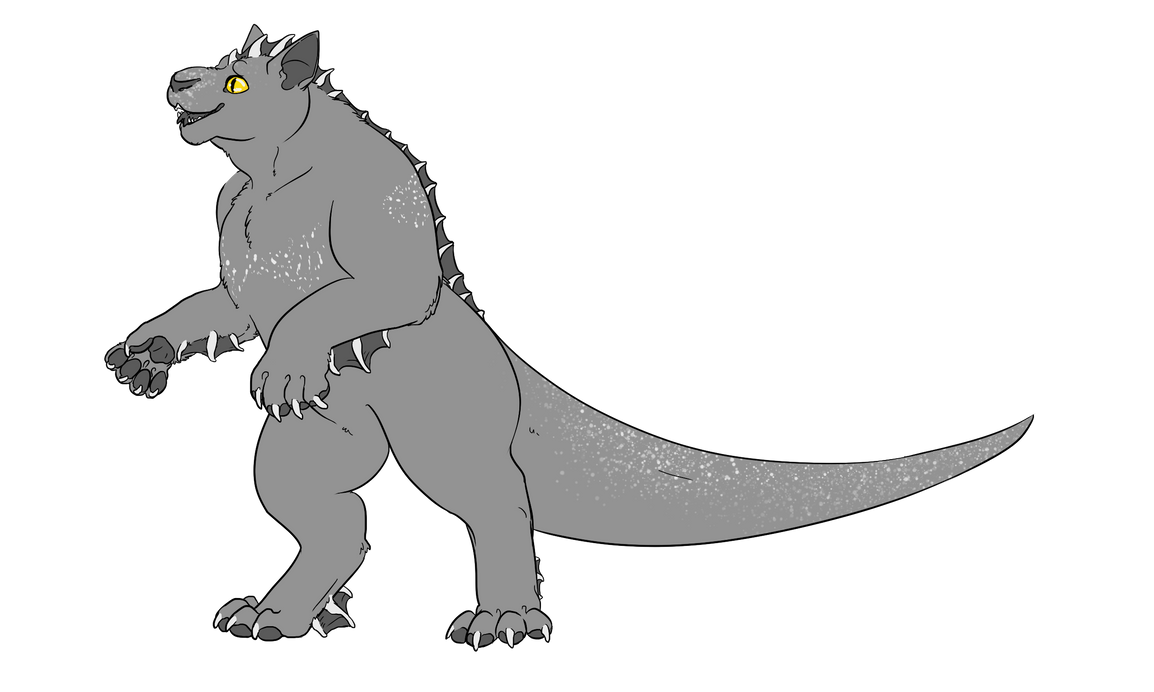
Tiny light speckles scattered around the ixi.
- Snowflake should be lighter than base coat.
- It should always present as tiny specks of light color scattered across the Ixi.
- It is typically hard or lightly soft-edged.
- It has no maximum and can cover the full body if desired. It has no minimum, but should be noticeable on the design.
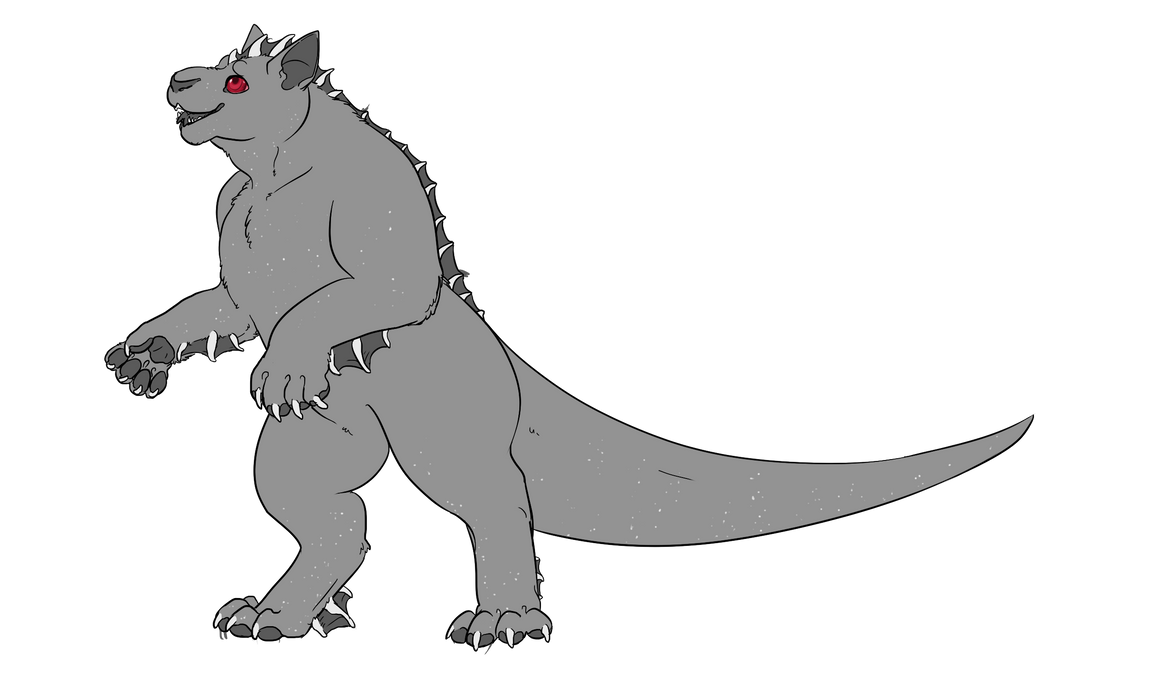
Snowflake should remain around this size range:
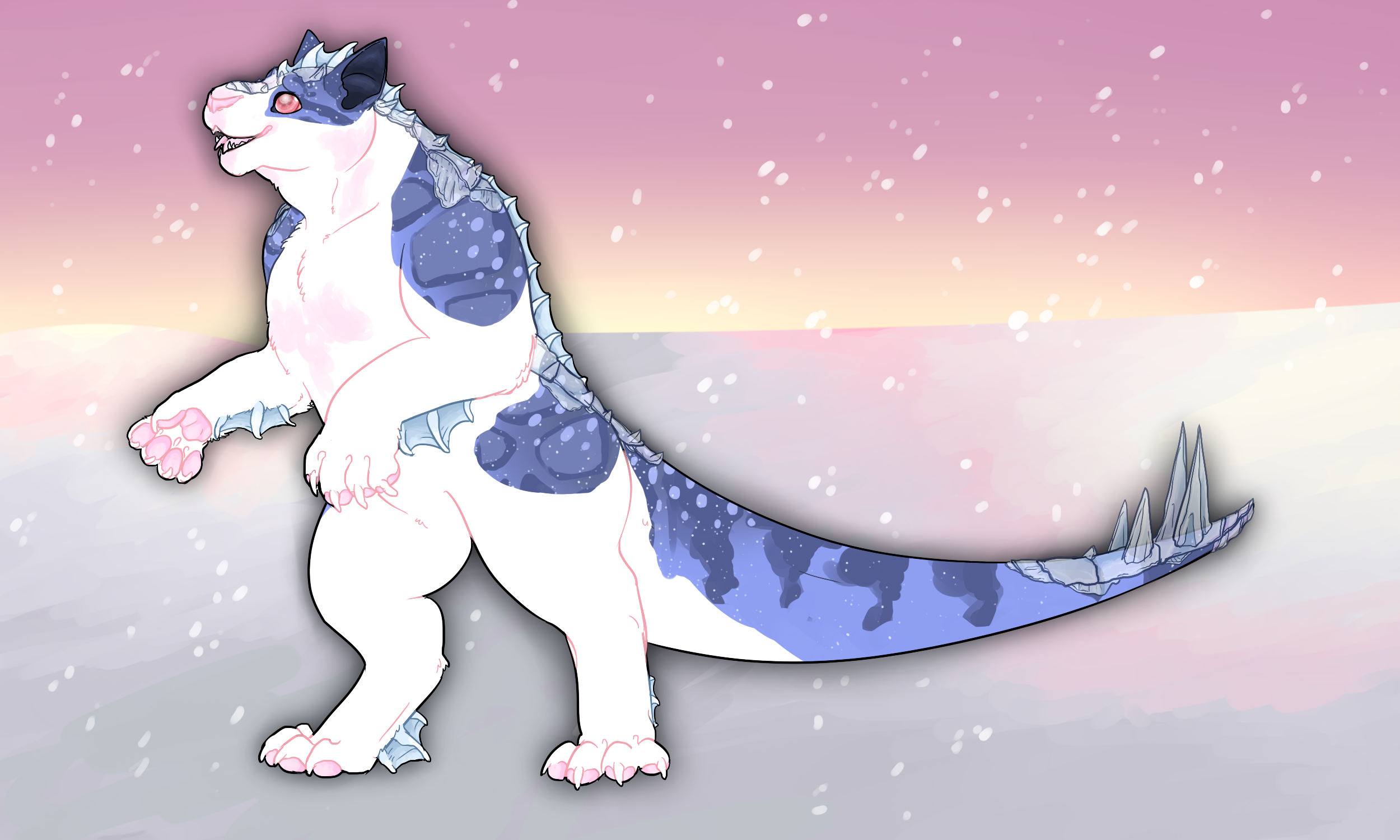
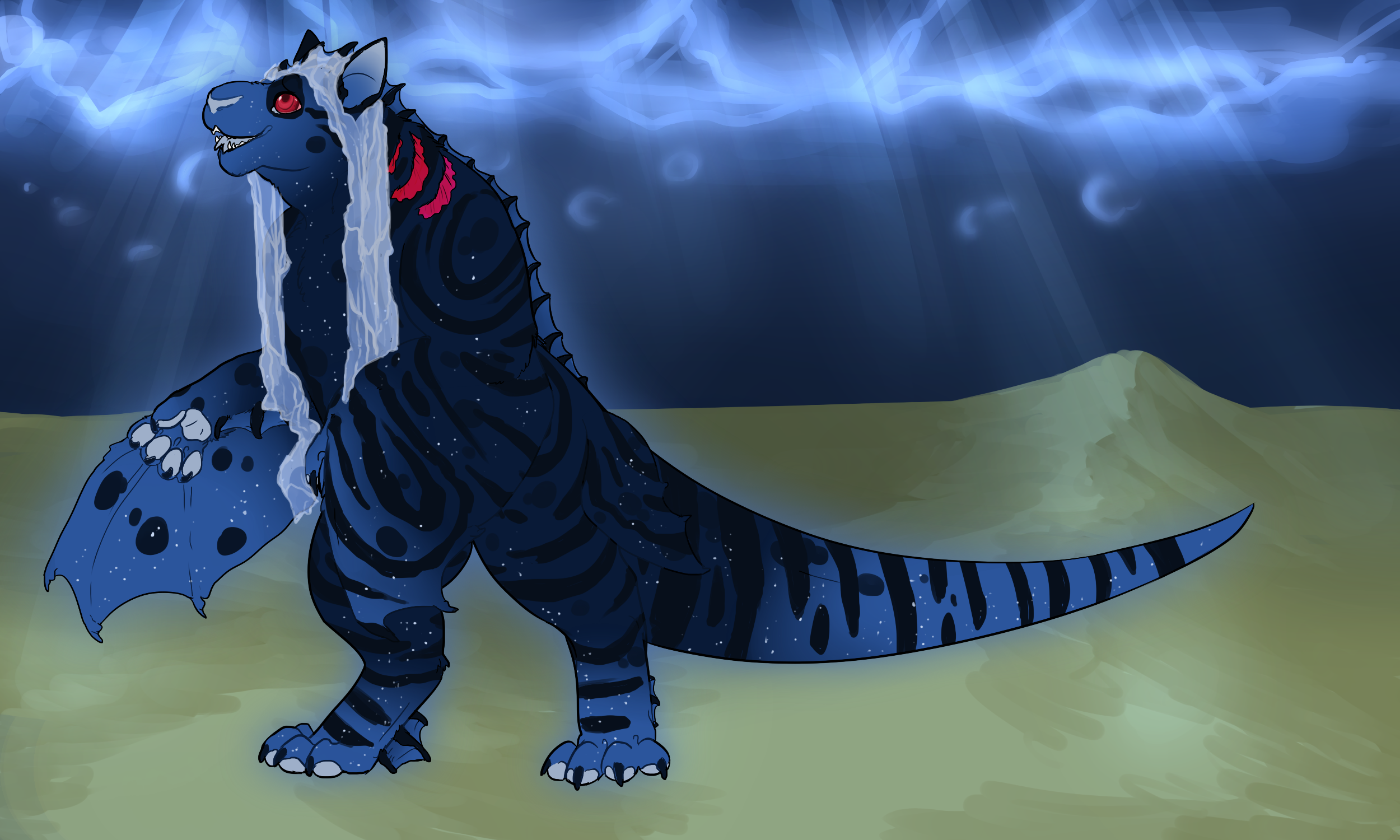
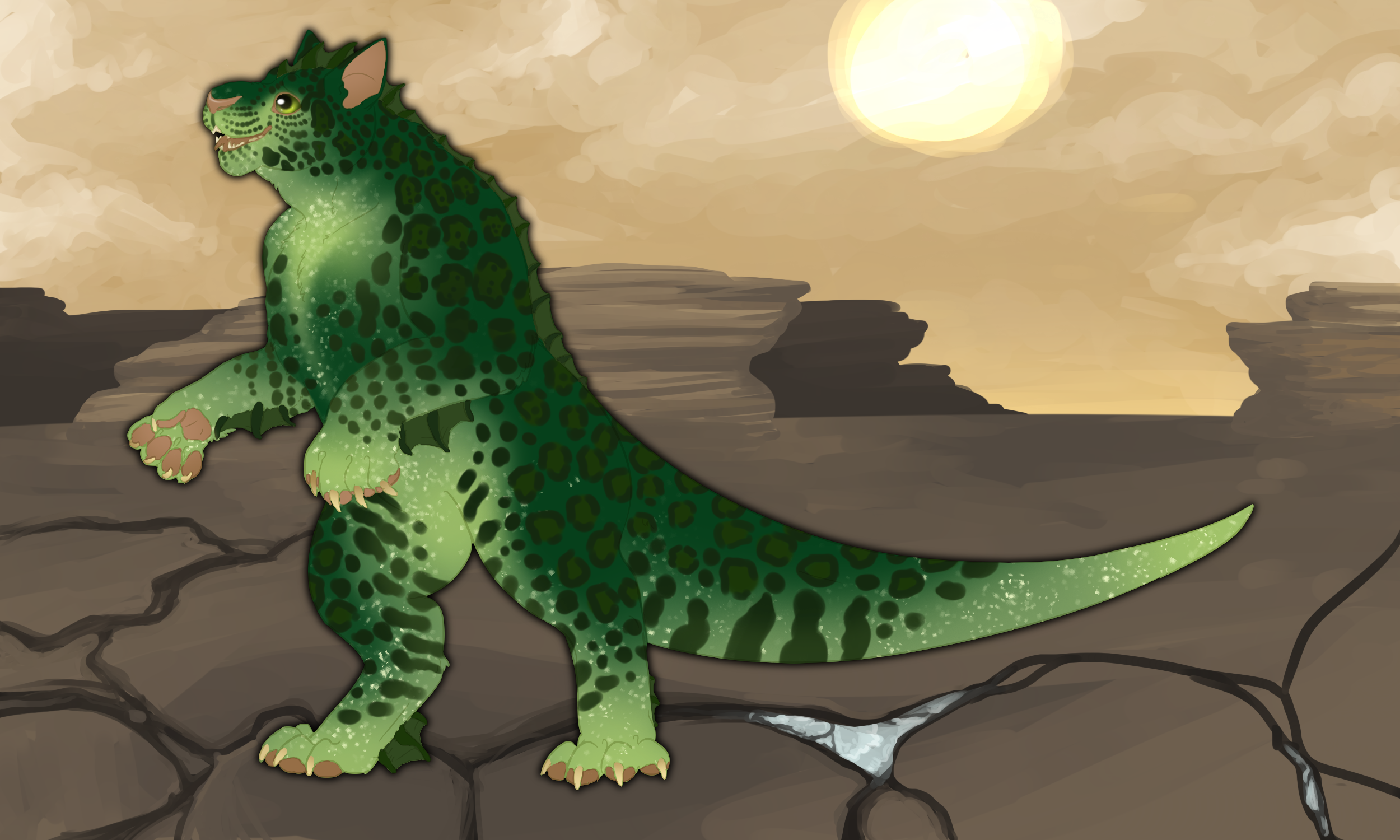
Examples:
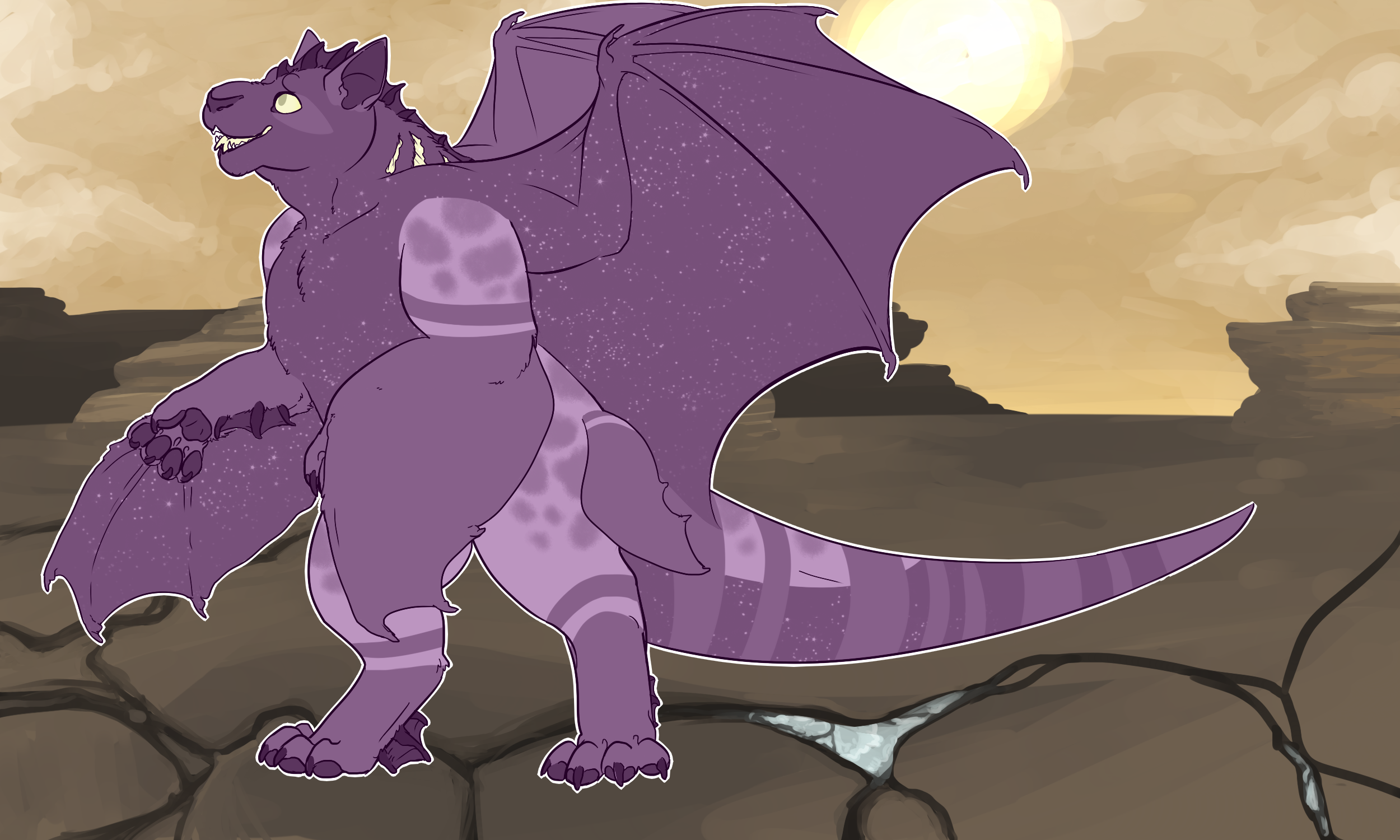
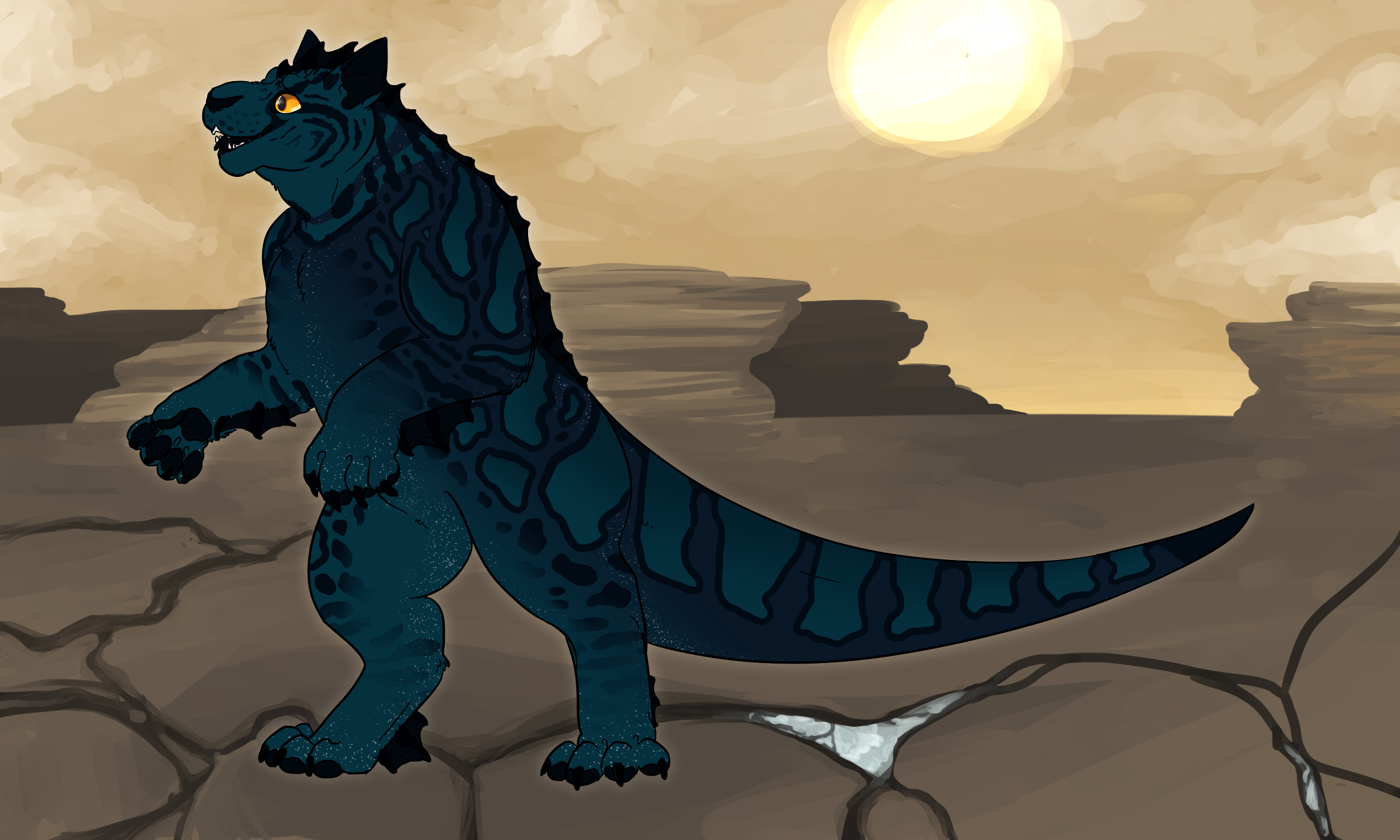
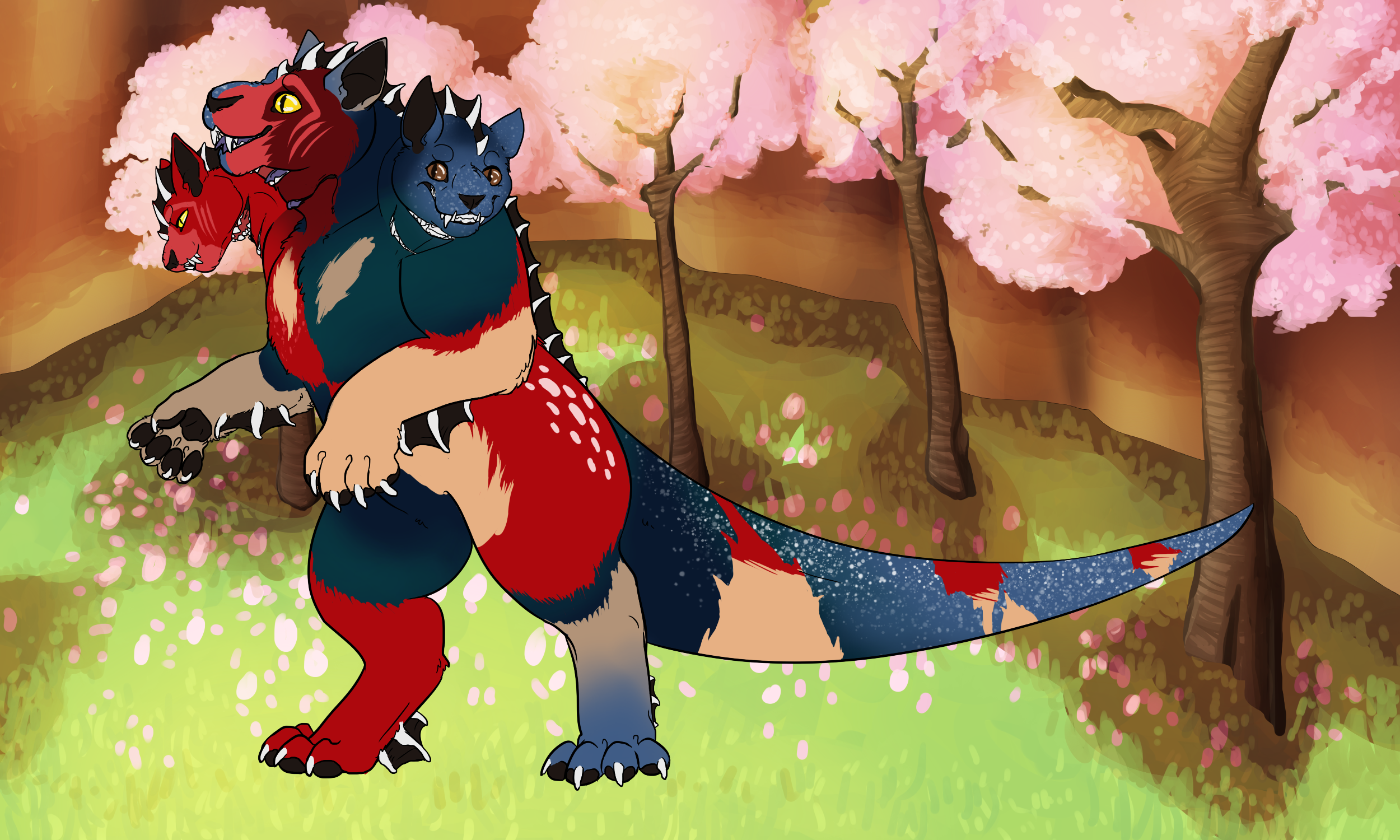
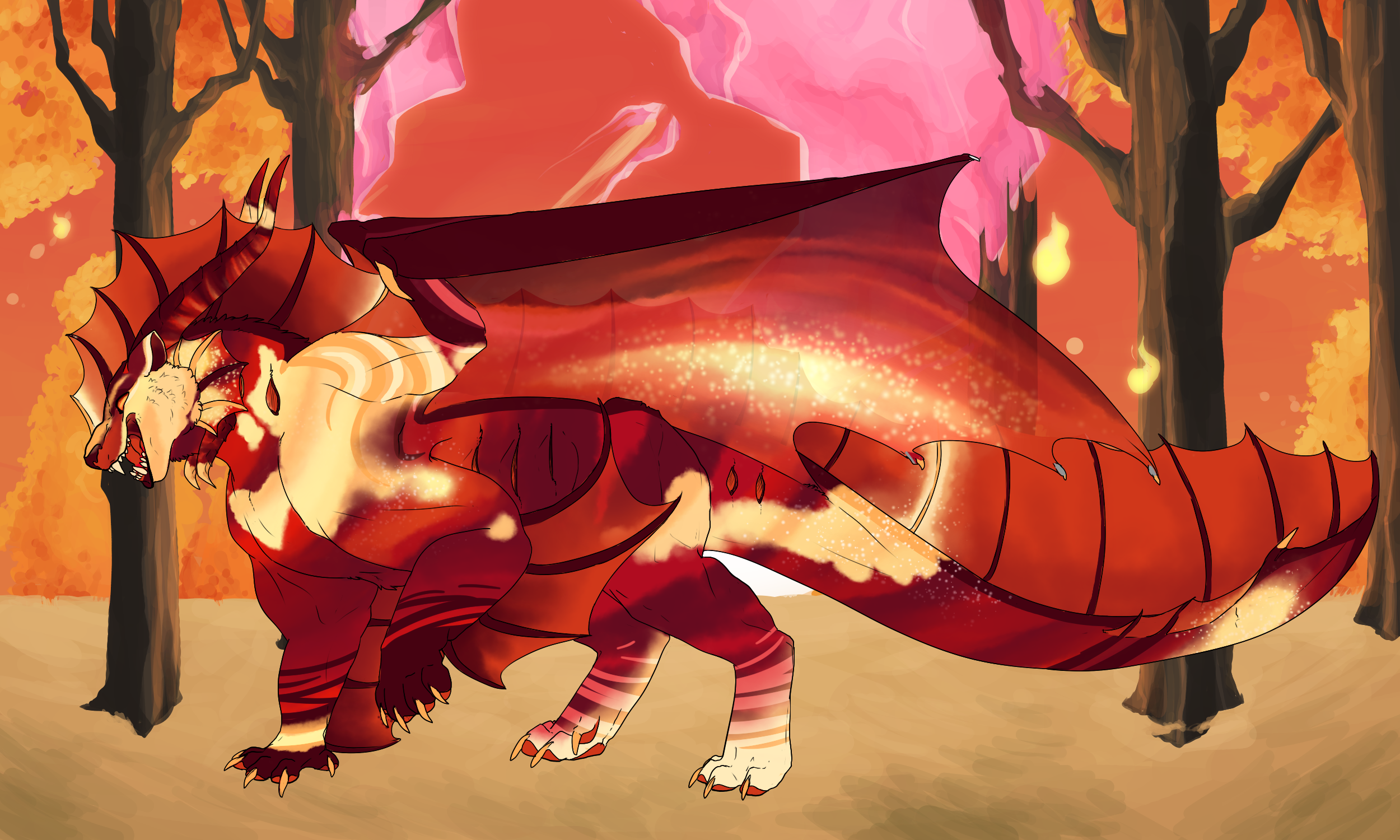
Skunk (nSku/SkuSku) (Common)
Range:
- Skunk must be a lighter shade of the base coat, including white. It may have a gradient, but it must be within a similar hue, not heavily two-toned.
- Edge may be hard, textured, or somewhat soft. It should not be fully blended out.
- It should form stripes on the side (in which case it should "cut out" in the middle of the back) or on the back (in which case it should not be a thick enough stripe to cover the entire side). It can display on the back and side (with a gap in between them) as well.
Examples:
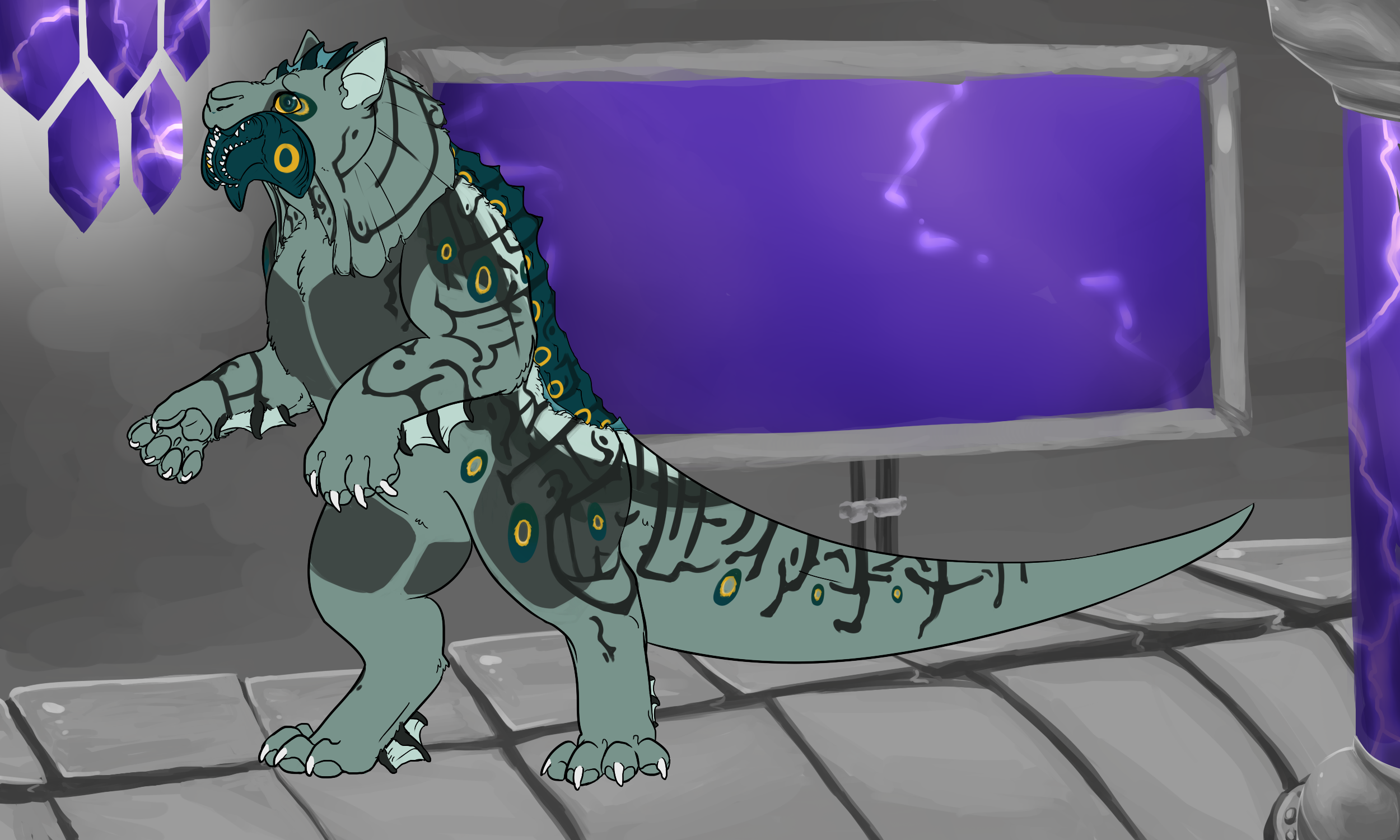
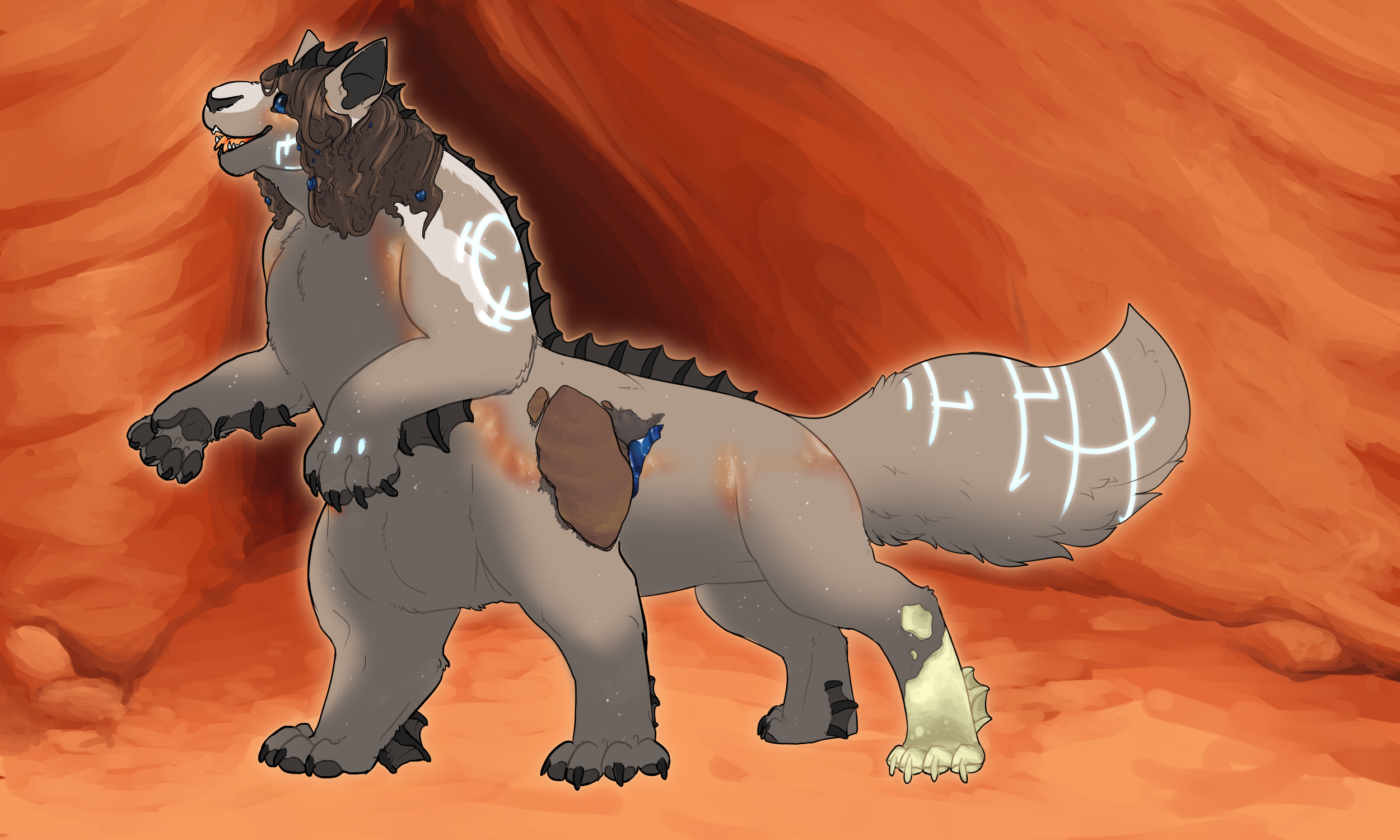
Scaled (nScl/SclScl) (Common)
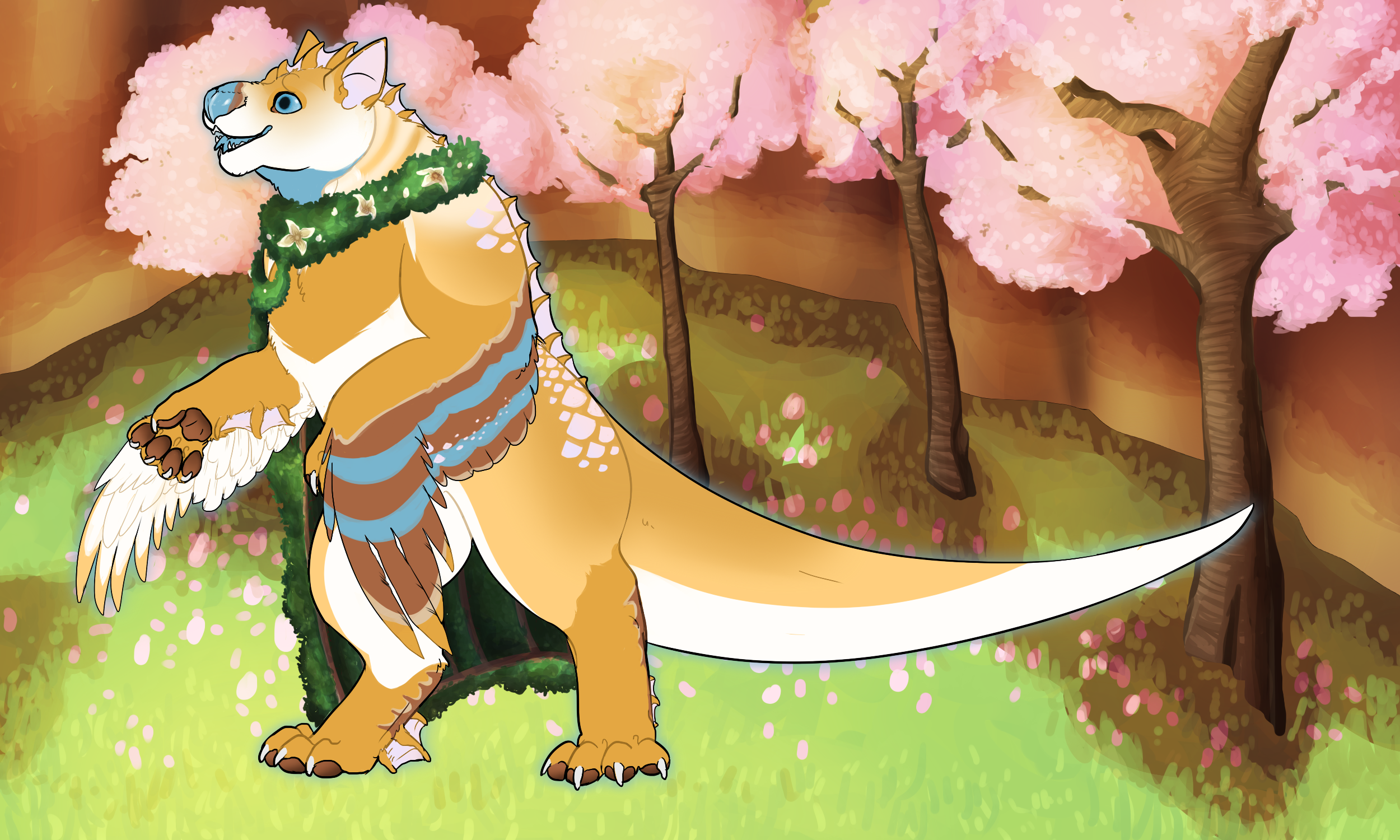
Creates scale-shaped markings of any color anywhere on the body. Can be two-toned.
- Scaled can be any color, including bright ones, and may be two-toned.
- It should be shaped like a pattern of scales, and can vary in size and shape - a single scale can be large or wide, but if so, should be visibly representing something like scutes or ventral scales. Scales can also be very small, so long as they are still visible.
- It should be hard or textured-edged.
- It has no maximum or minimum, but if covering the entire body, it should be below other markings, translucent, have enough space between the scales to show the other markings clearly, or otherwise not fully obscure other markings on the Ixi.
- Scaled is allowed to have a shine to it.
Examples:
Sable (nSb/SbSb) (Common)
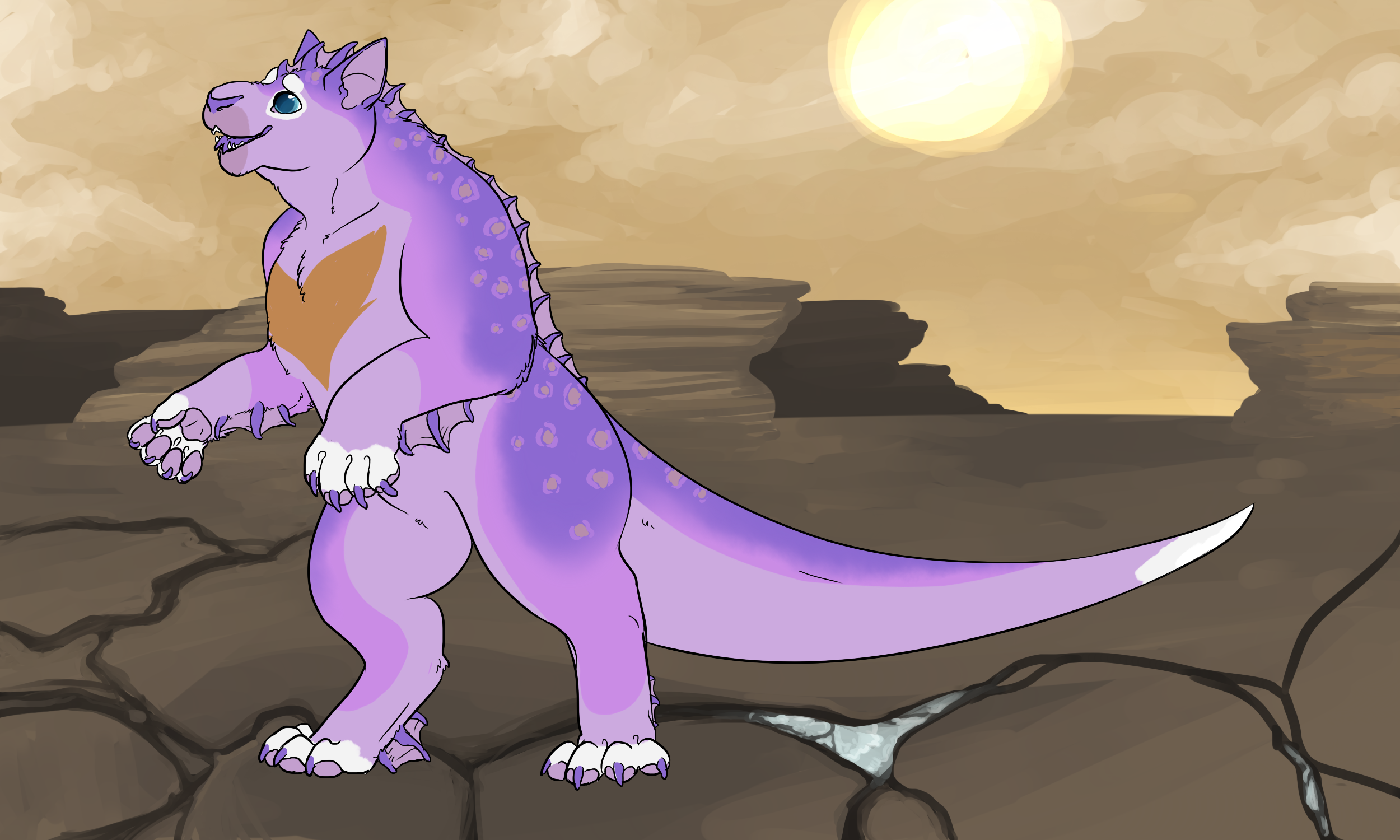
Range:
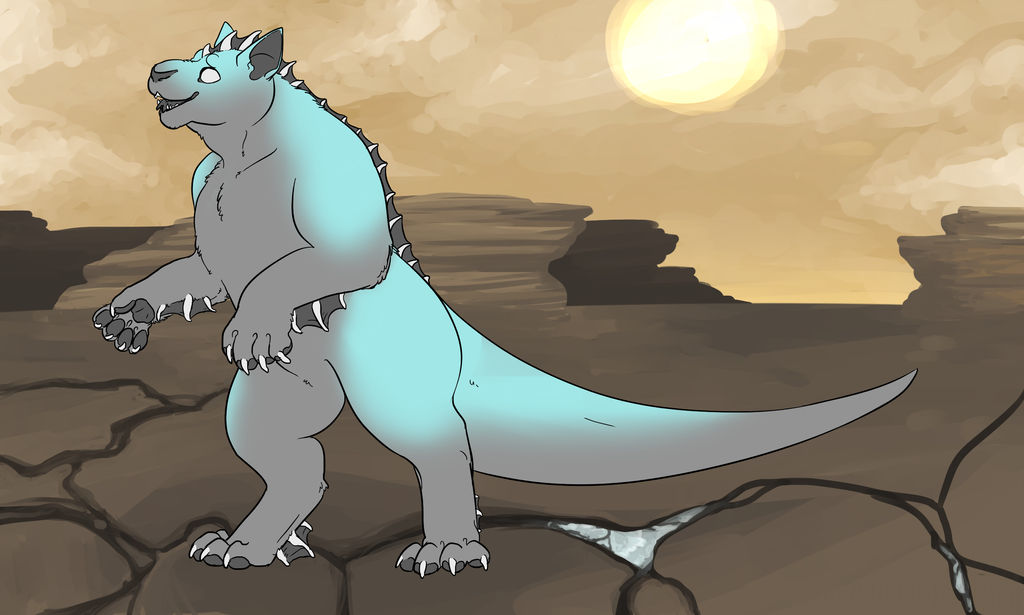
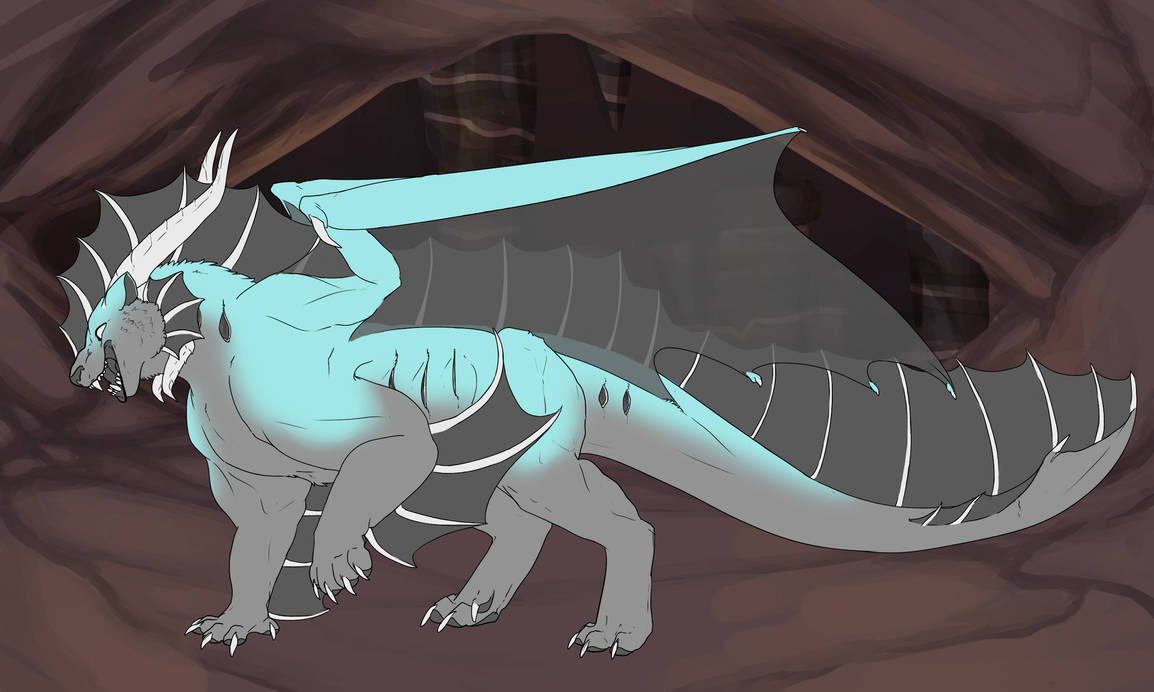
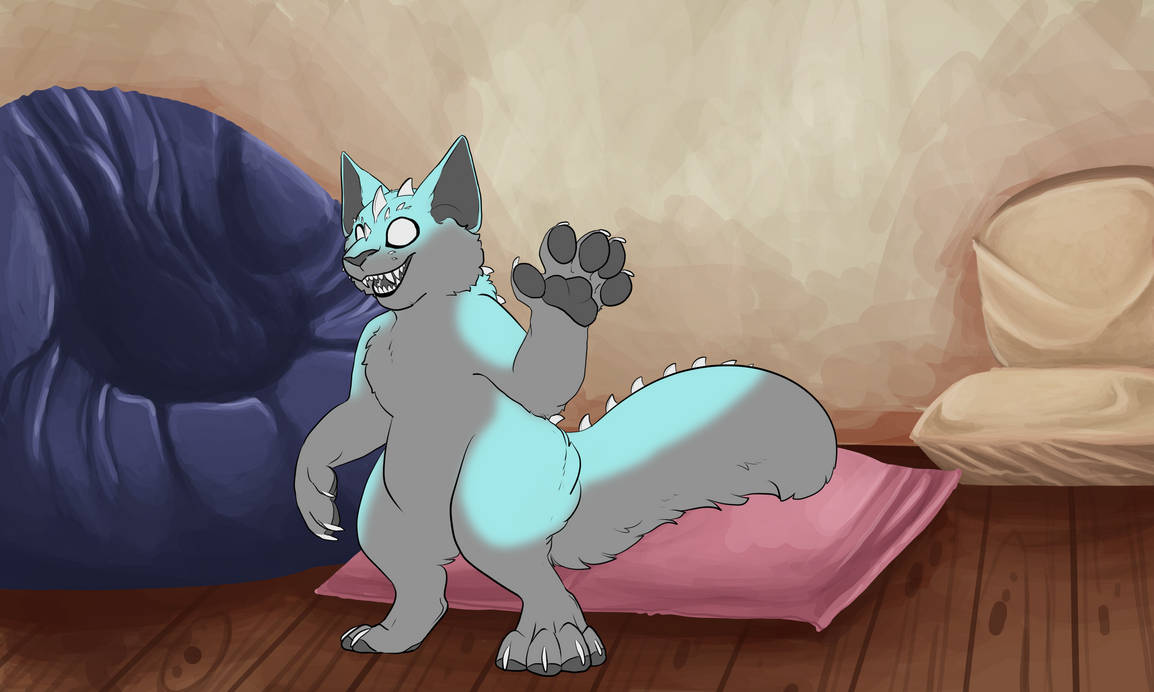
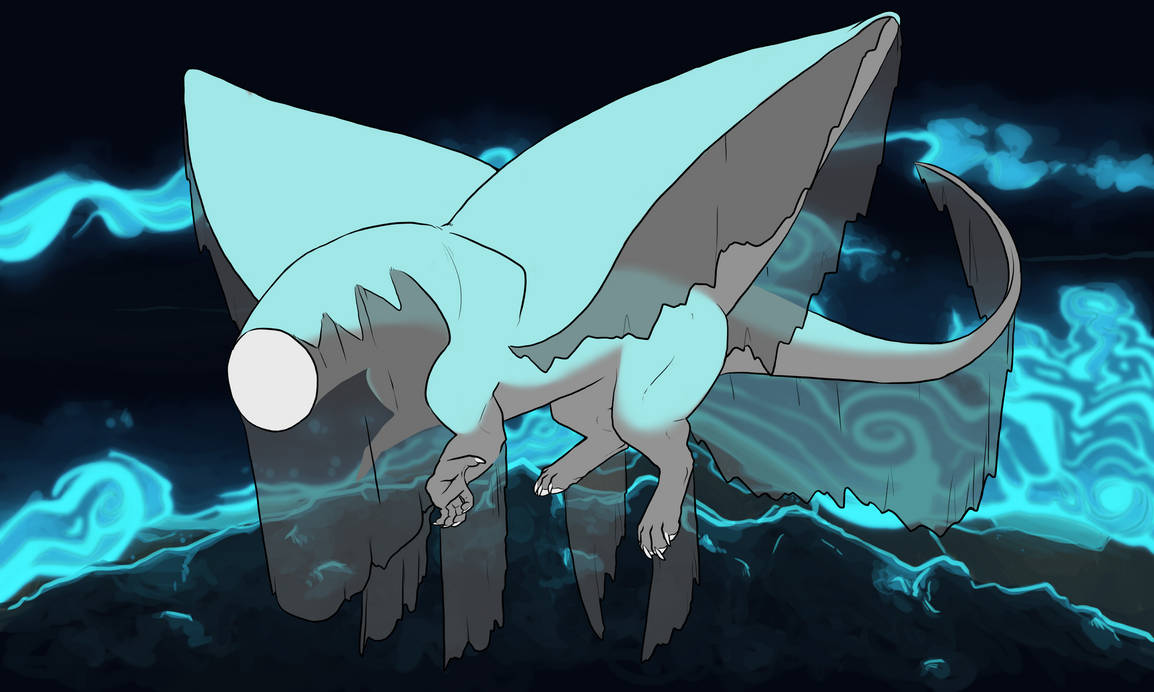
- Must be darker than the base coat.
- Edges should be fully blended out.
- At minimum, Sable should be visible on the back.
Examples:

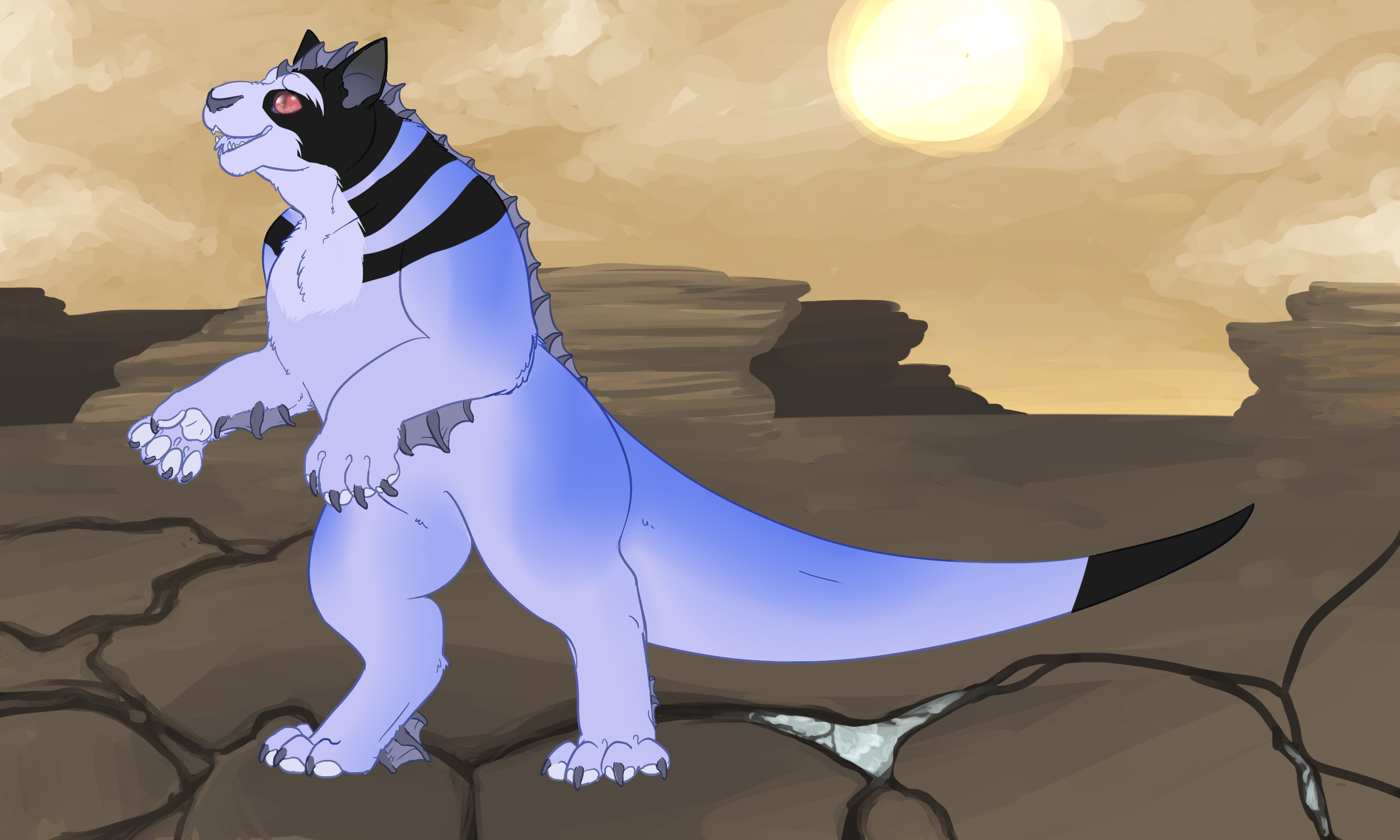
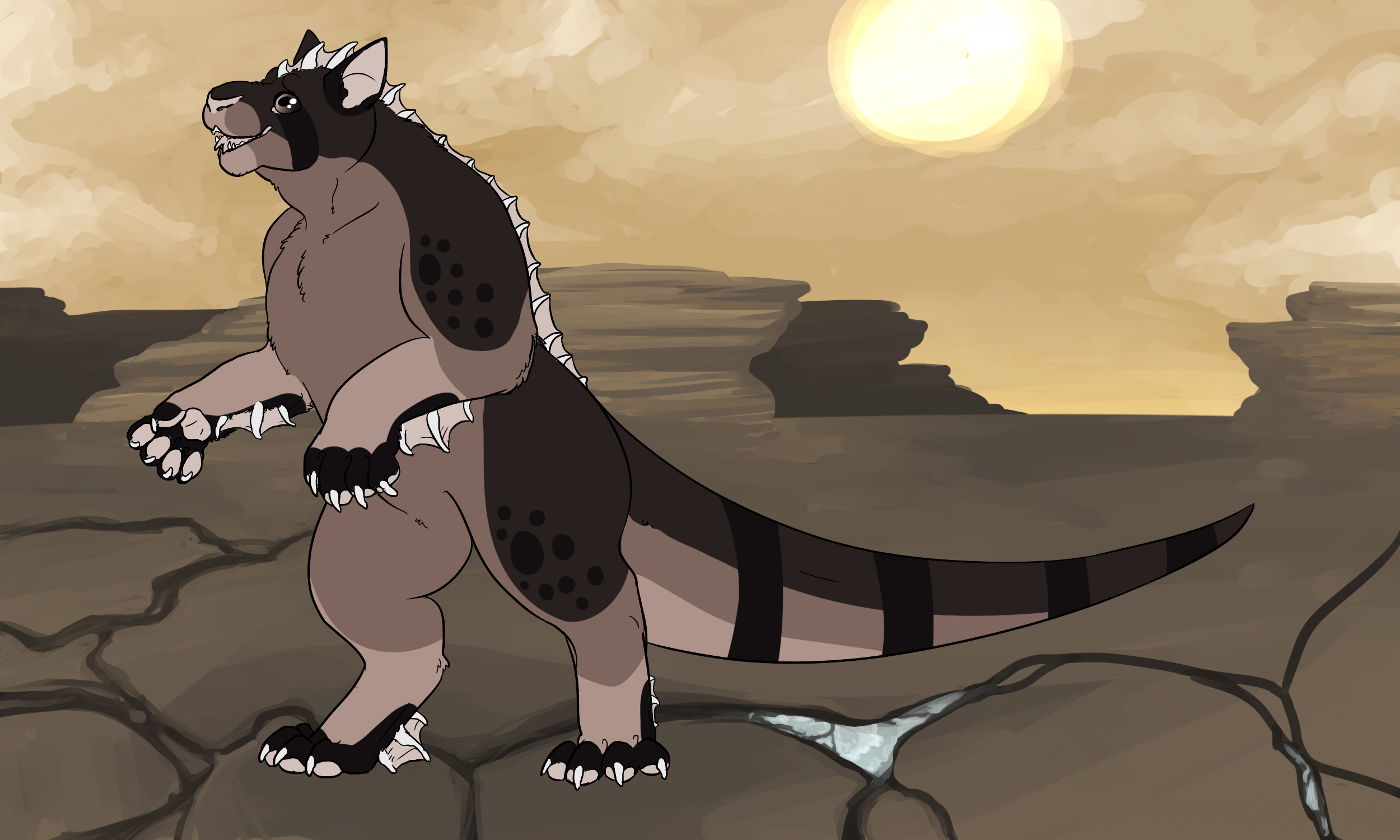
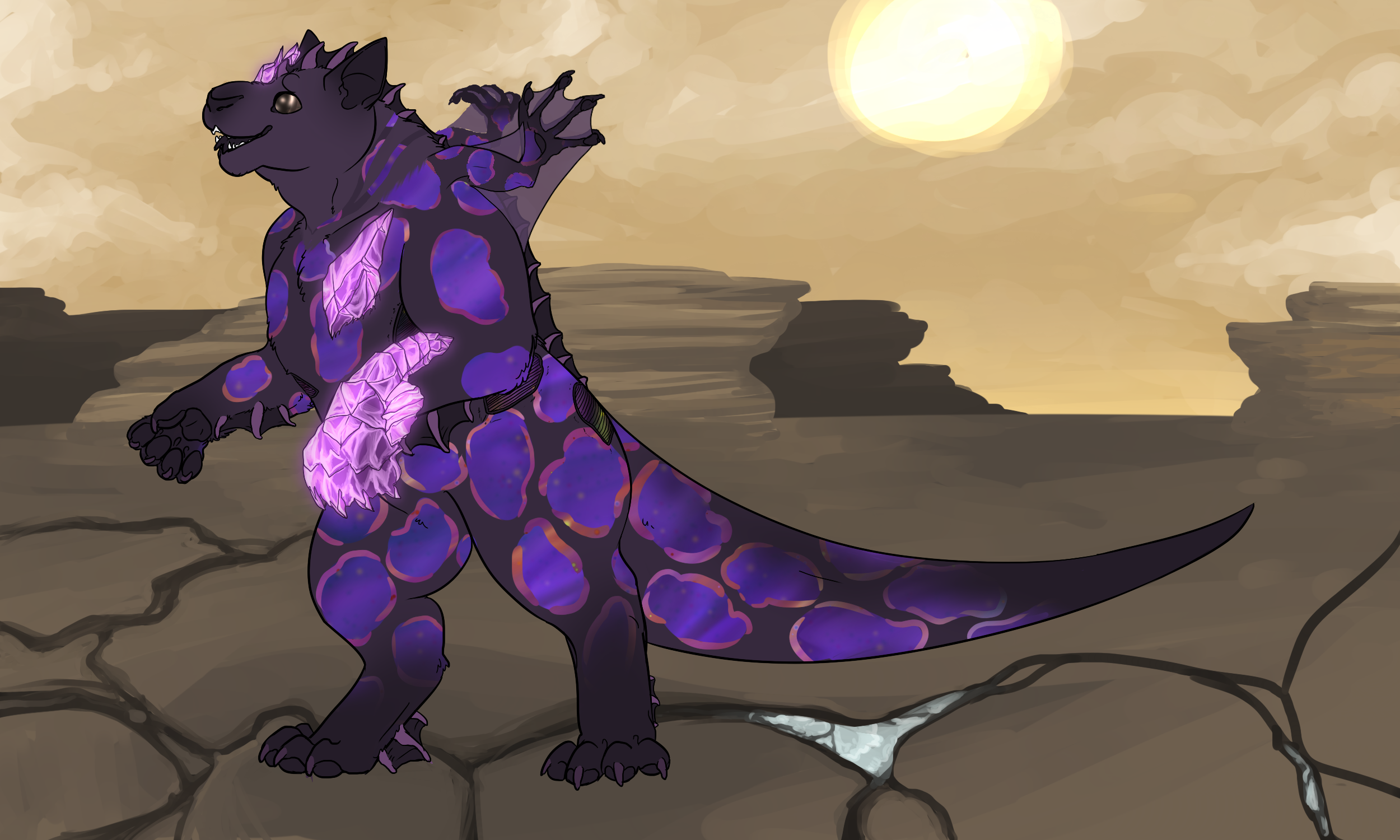
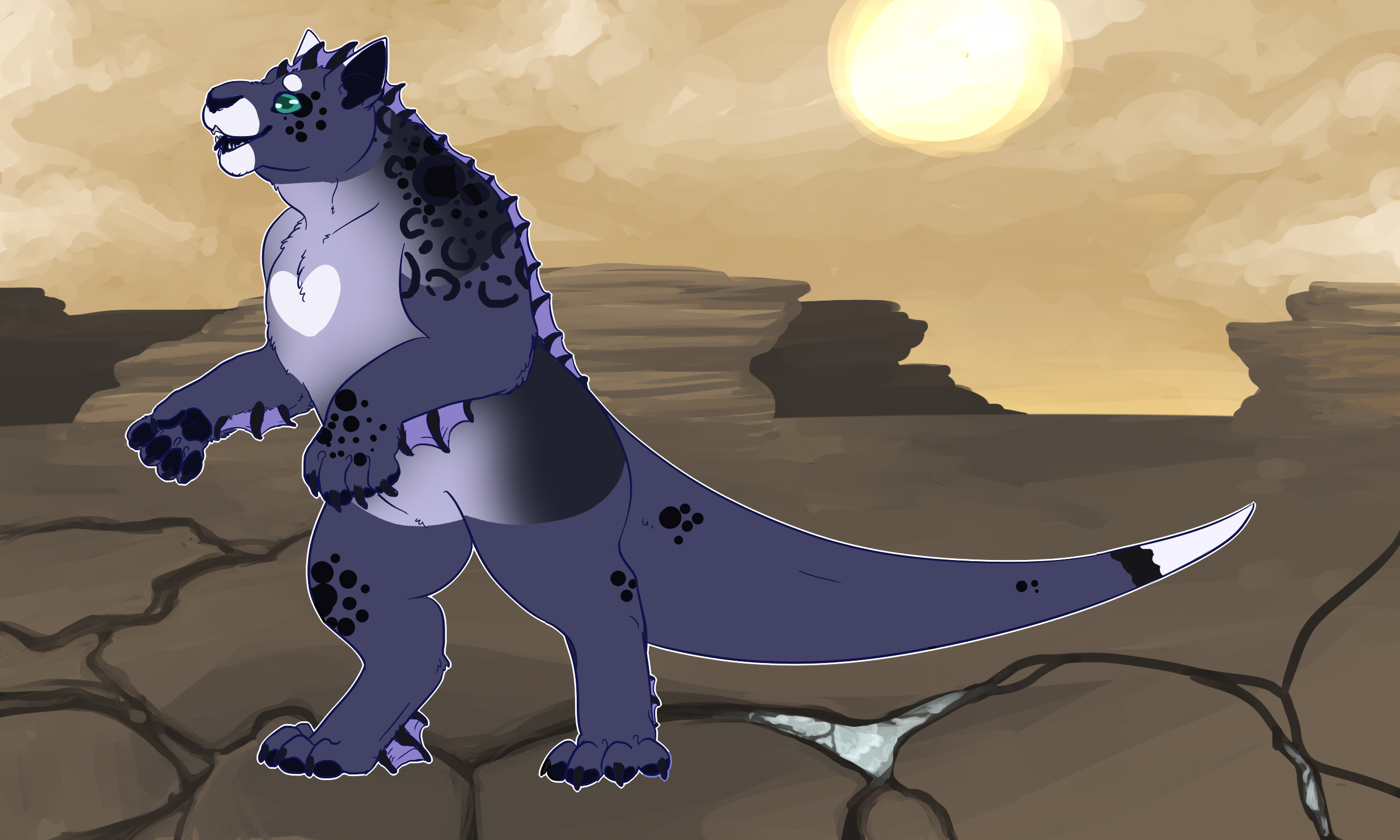
Points (nPt/PtPt) (Common)
Range:
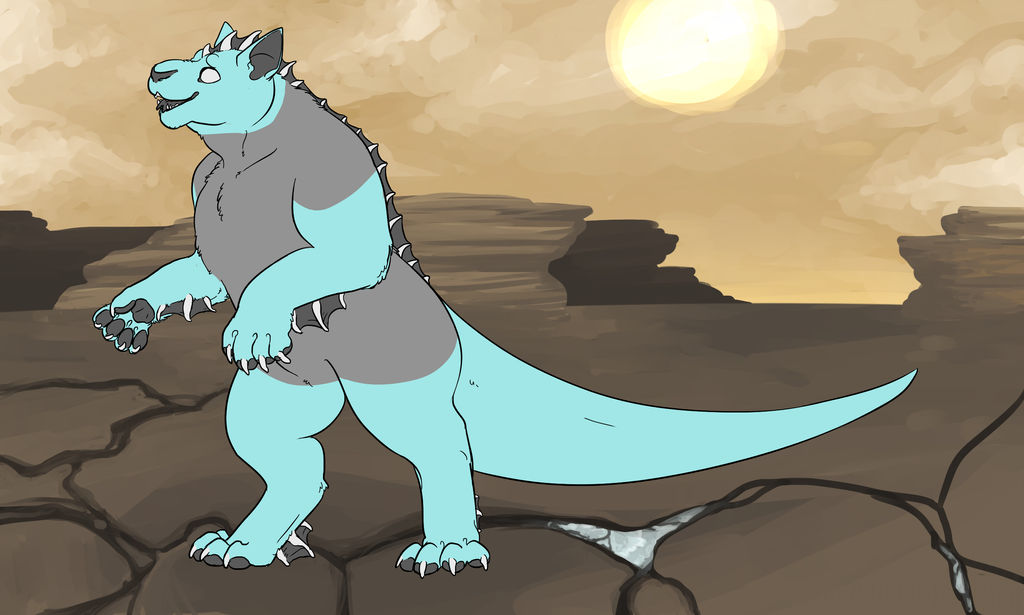

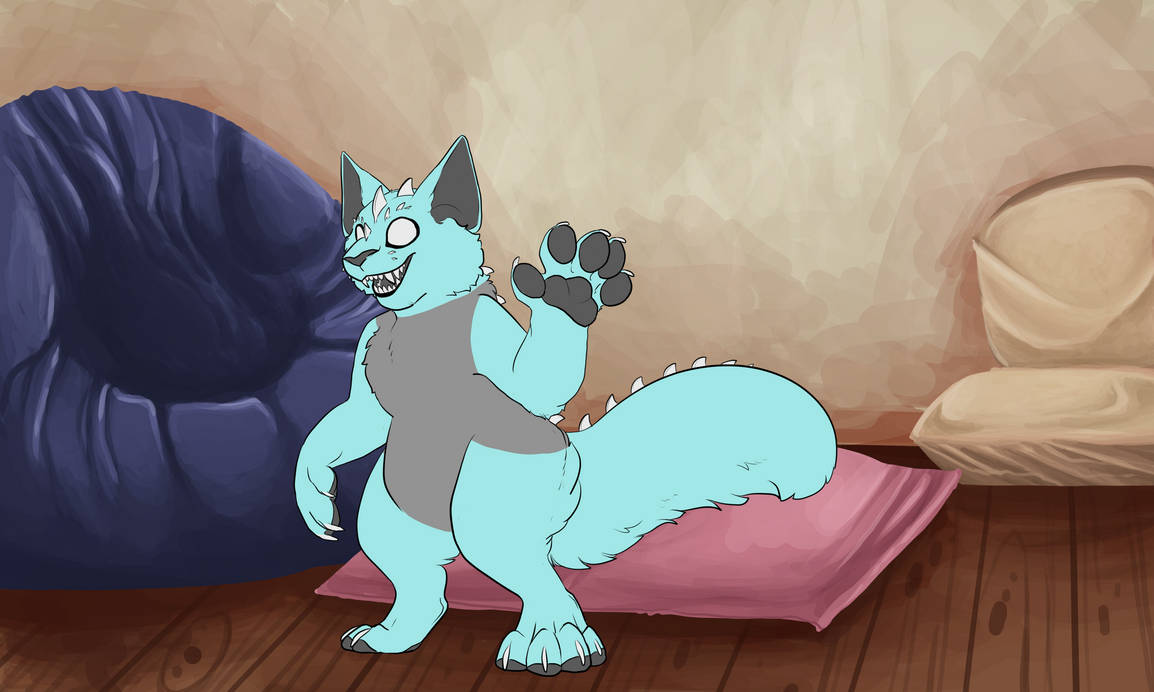
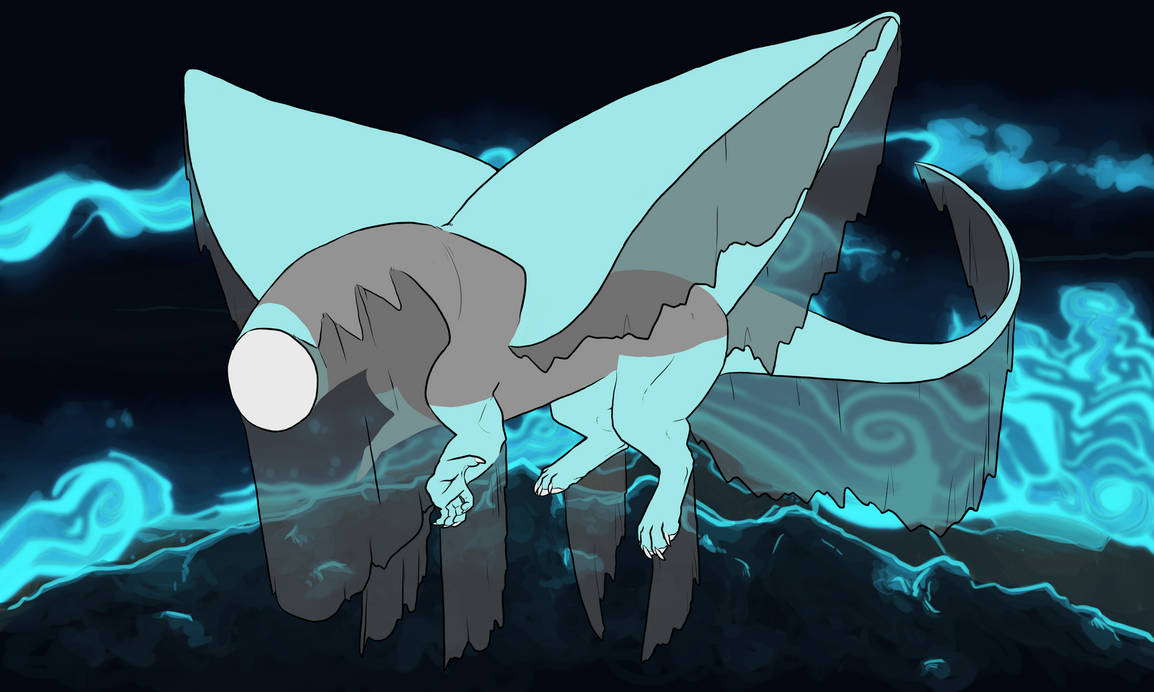
- Points must be darker or lighter than the base coat.
- It has no restriction on edge hardness.
- Points should cover two specific points at minimum - the points include the head, the tail, the front legs, and the back legs.
- The points should touch the very end of whatever zone they're in. They should at least reach up to the ankles if covering the legs.
Examples:
Pangare (nPng/PngPng) (Common)
Range:
- Edges should be fully blended out.
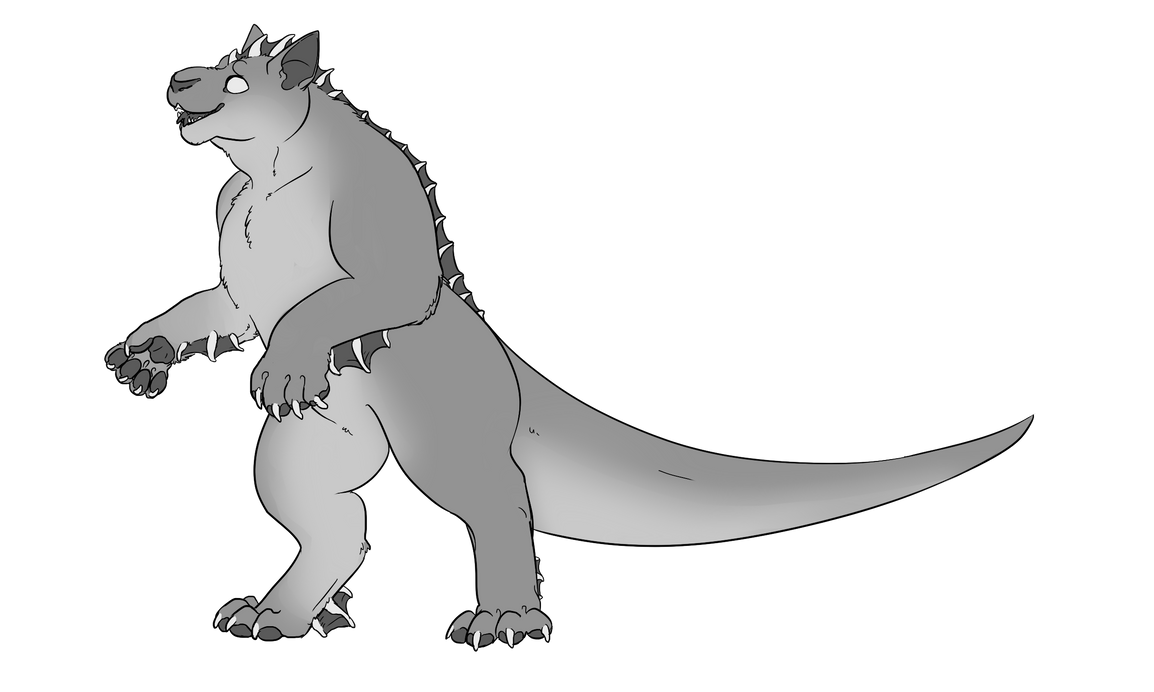
- Must be a lighter shade of the base color.
- Pangare has no minimum range, but should be visible unless covered by a color mutation.
Examples:
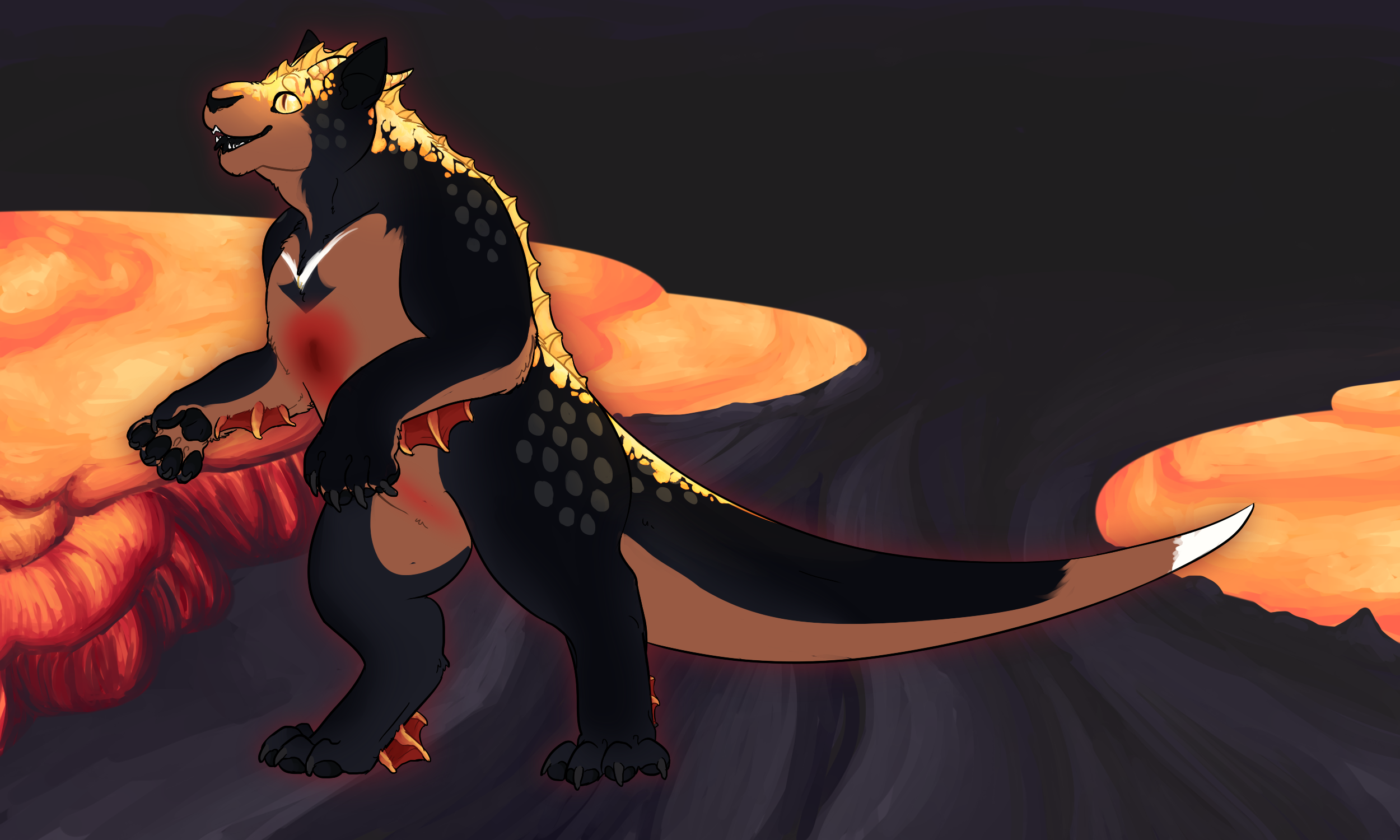
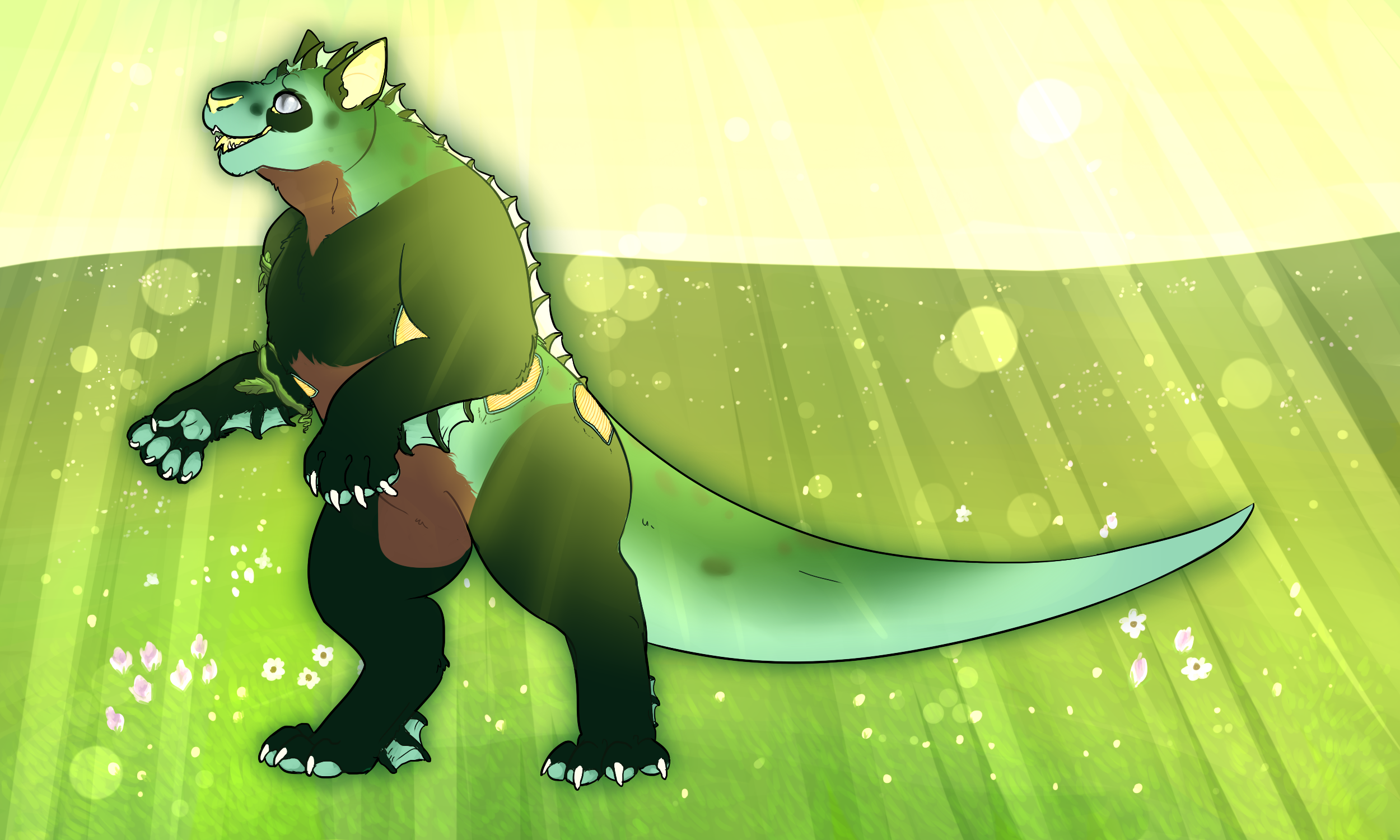
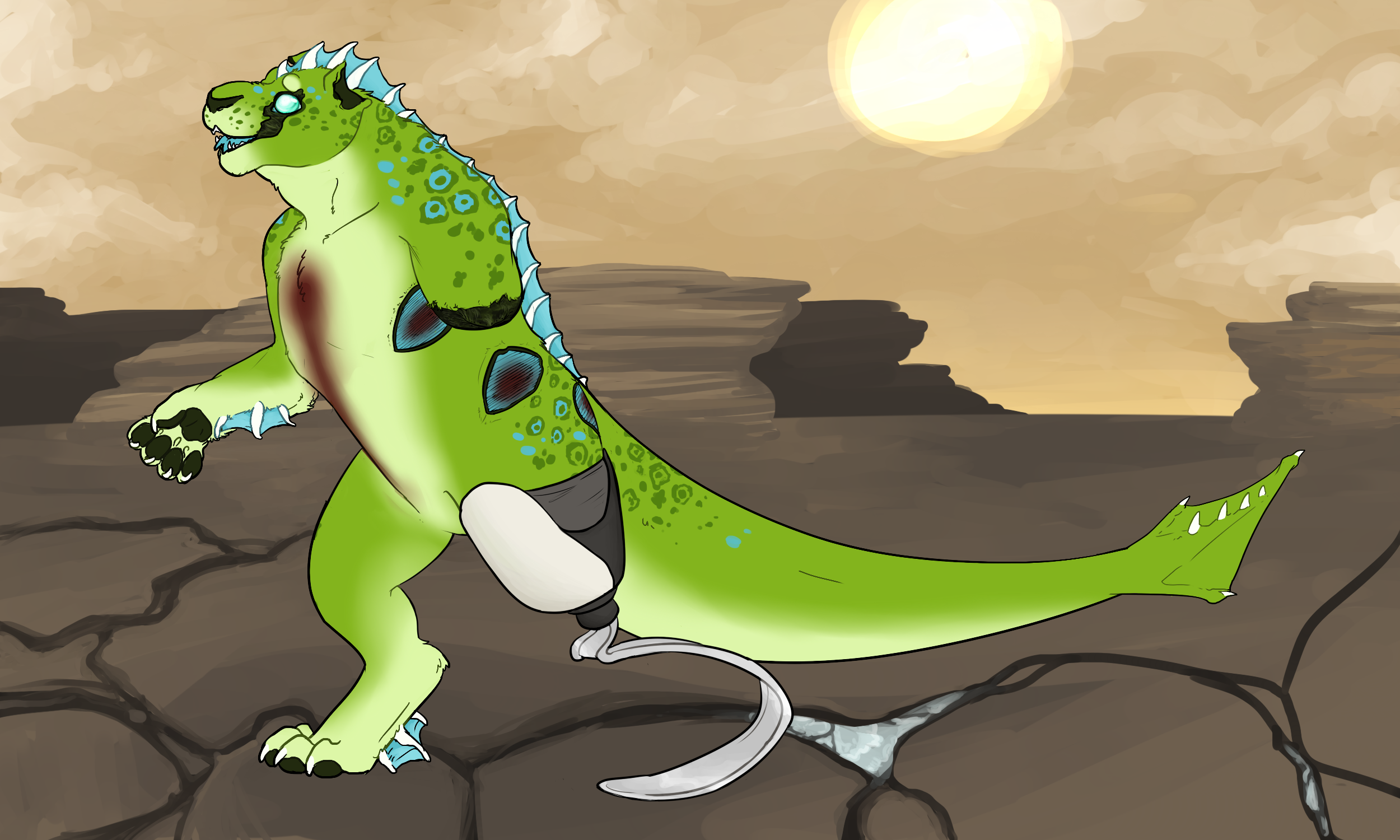
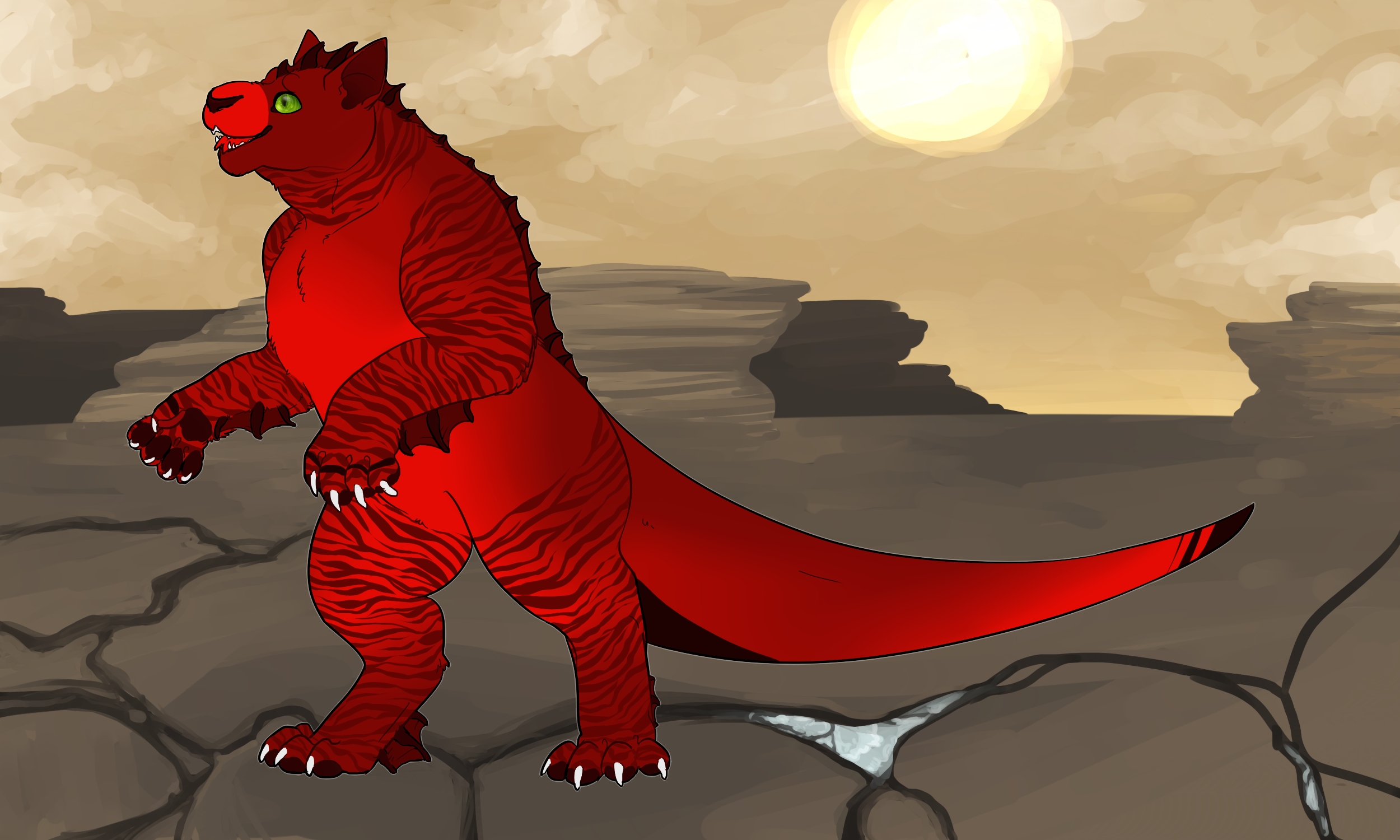
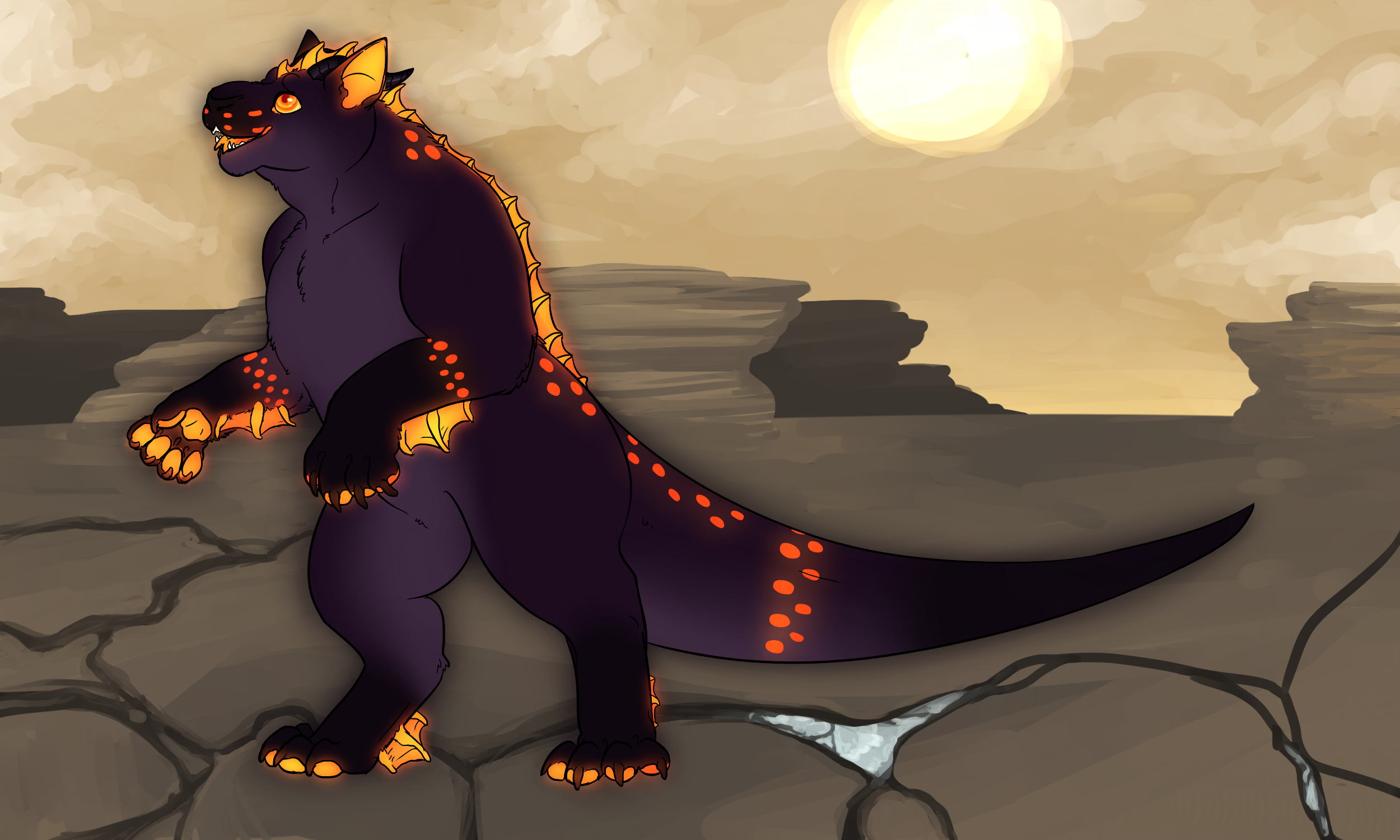
Okapi (nOkp/OkpOkp) (Common)
Range:
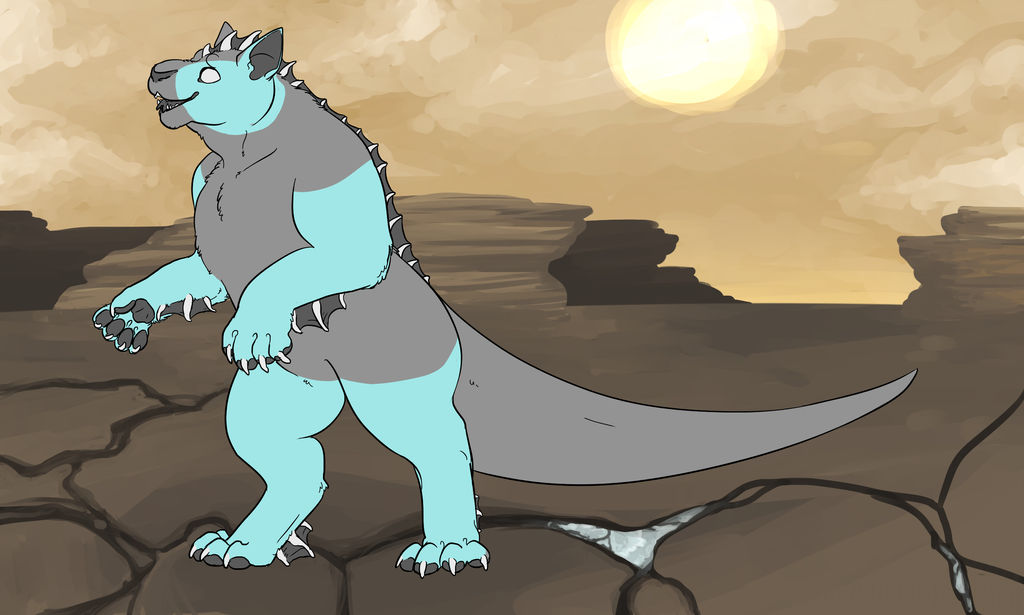
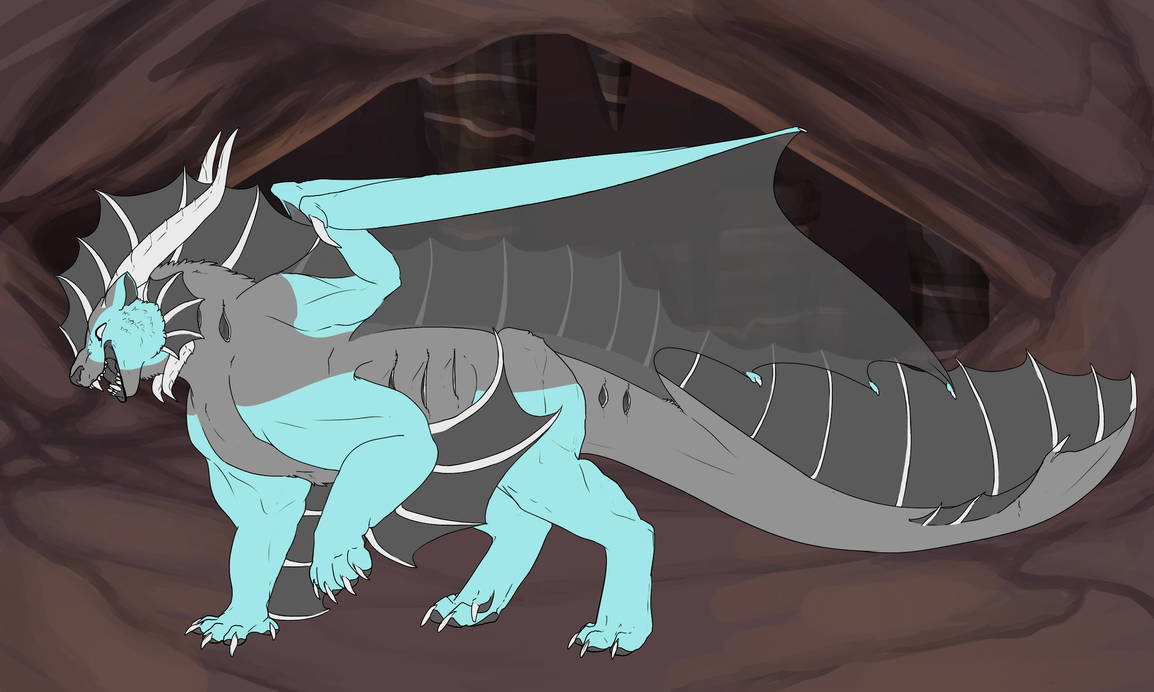
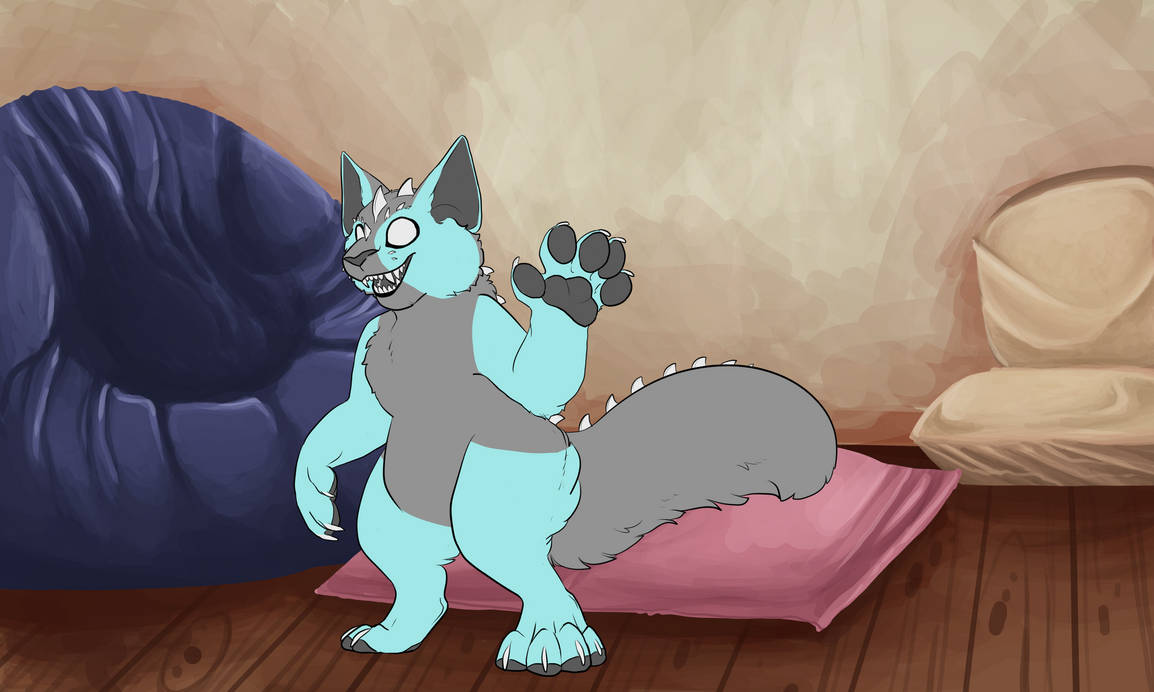

- Okapi should be hard-edged.
- It must be lighter than base, and can be white.
- Okapi must at least visibly appear on one pair of limbs. It does not have to appear on the face.
- All points should be striped, including the face. There can be solid patches, especially near the ankles and wrists. The face marking can be a solid patch with stripes cut into it.
Examples:
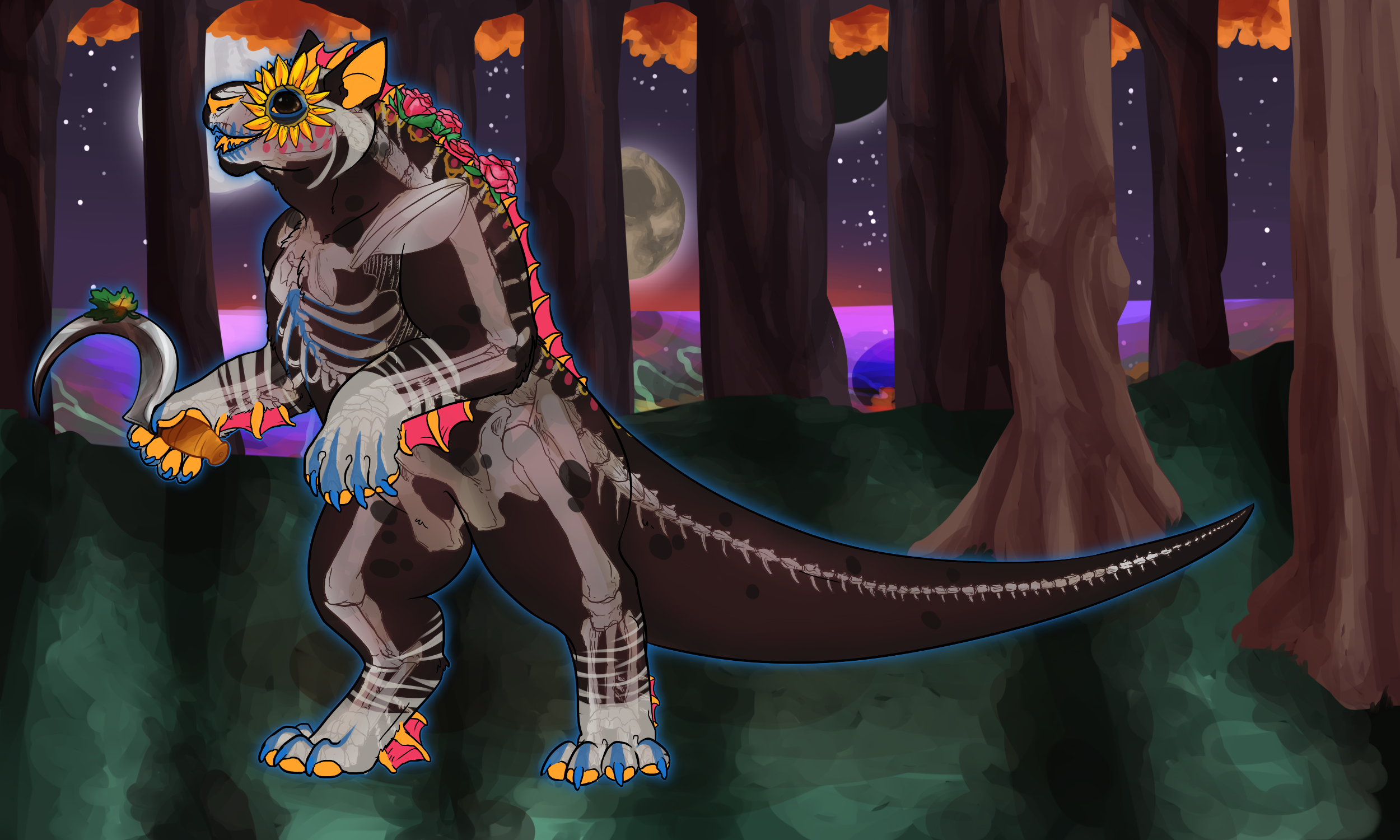
Merle (nMer/MerMer) (Common)
Large, desaturated patches on the Rixixi's body, often containing dappled patches of the original base coat within.
- Can be translucent to show the markings underneath! Markings dislaying on top of Merle can be desaturated or display normally.
- Edges can be textured, soft, or blended. If blended, the entire marking should not be blended out and should still have a section that registers as a solid patch.
- Must be more desaturated and/or lighter than the base coat.
- Can be fullbody or covering partial sections of the body. Should contain holes in the marking or spots of the base coat.
- Should appear, at minimum, on 30% of the design. Can appear in multiple patches.
Unlike in Earth dogs, there are no known health problems for Rixixi caused by homozygous Merle.
You can go against this if you like for your own personal characters' lore, this note is just here to let folks know that it won't result in negative effects and rad sicknesses when bred for.
Examples:
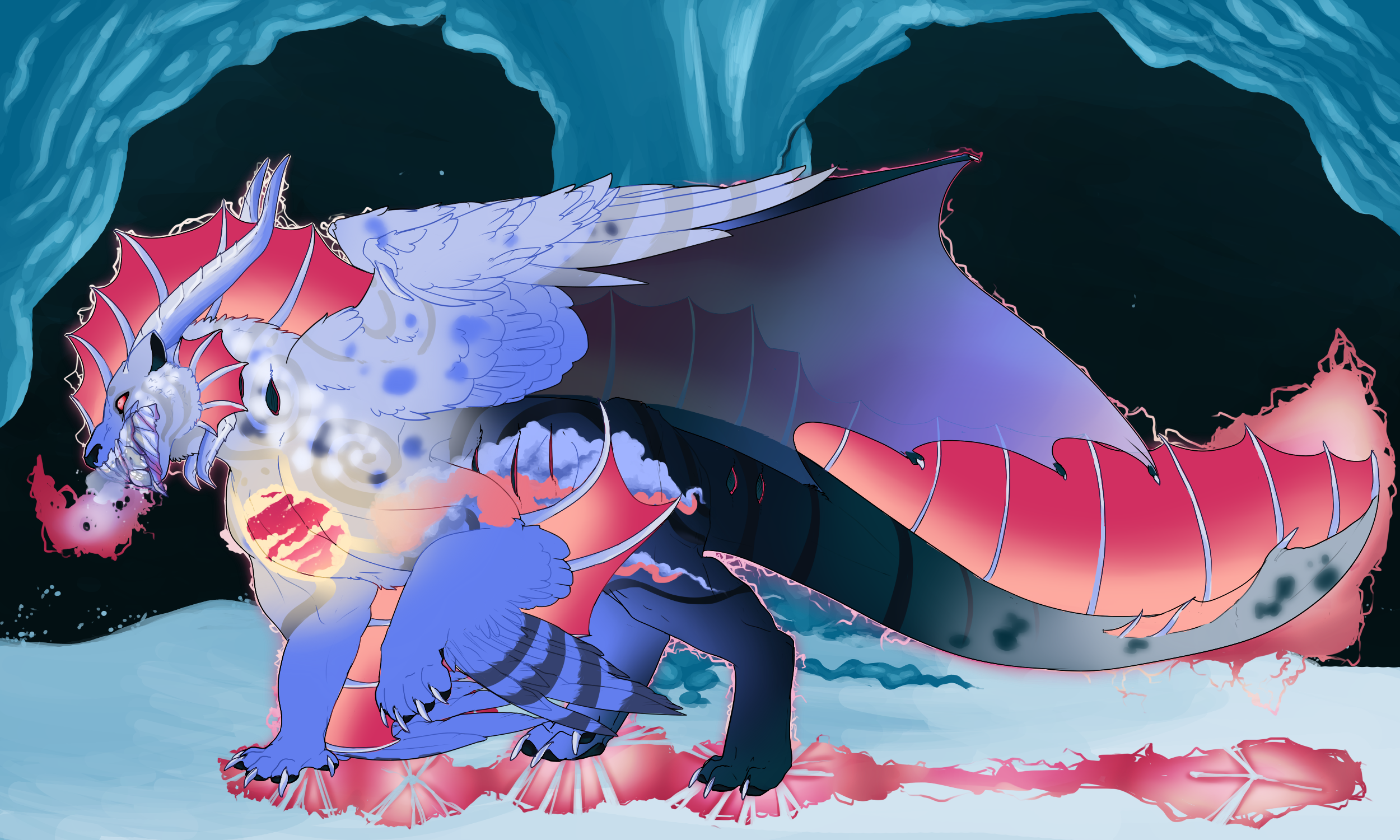
Inkblot (nIn/InIn) (Common)
Causes spots darker than base coat, can be asymmetrical and of multiple sizes.
- Inkblot must be darker than the base coat.
- The spots should be of multiple sizes throughout, and may be irregular and asymmetrical.
- It is typically hard or soft-edged.
- It has no maximum and can cover the full body if desired. It has no minimum, but should be noticeable on the design.
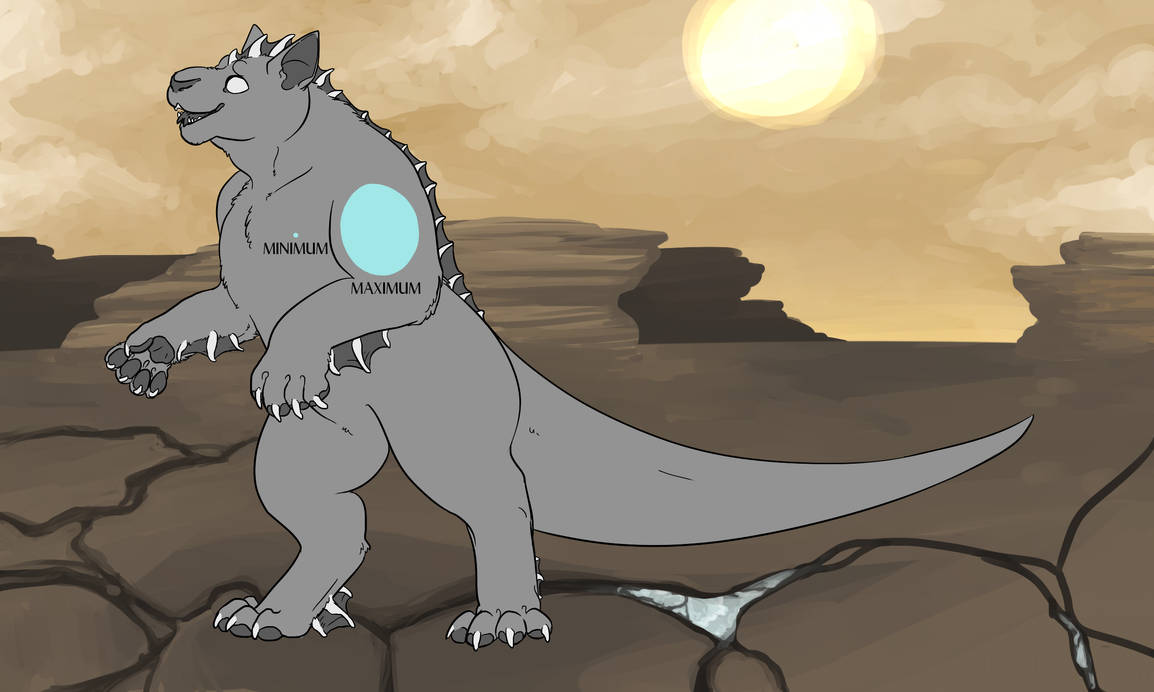
The above image displays the minimum and maximum size for Inkblot spots. Please note that Inkblot should not solely be made up of spots at the maximum or minimum, but these sizes may be scattered about as accents.
Examples:
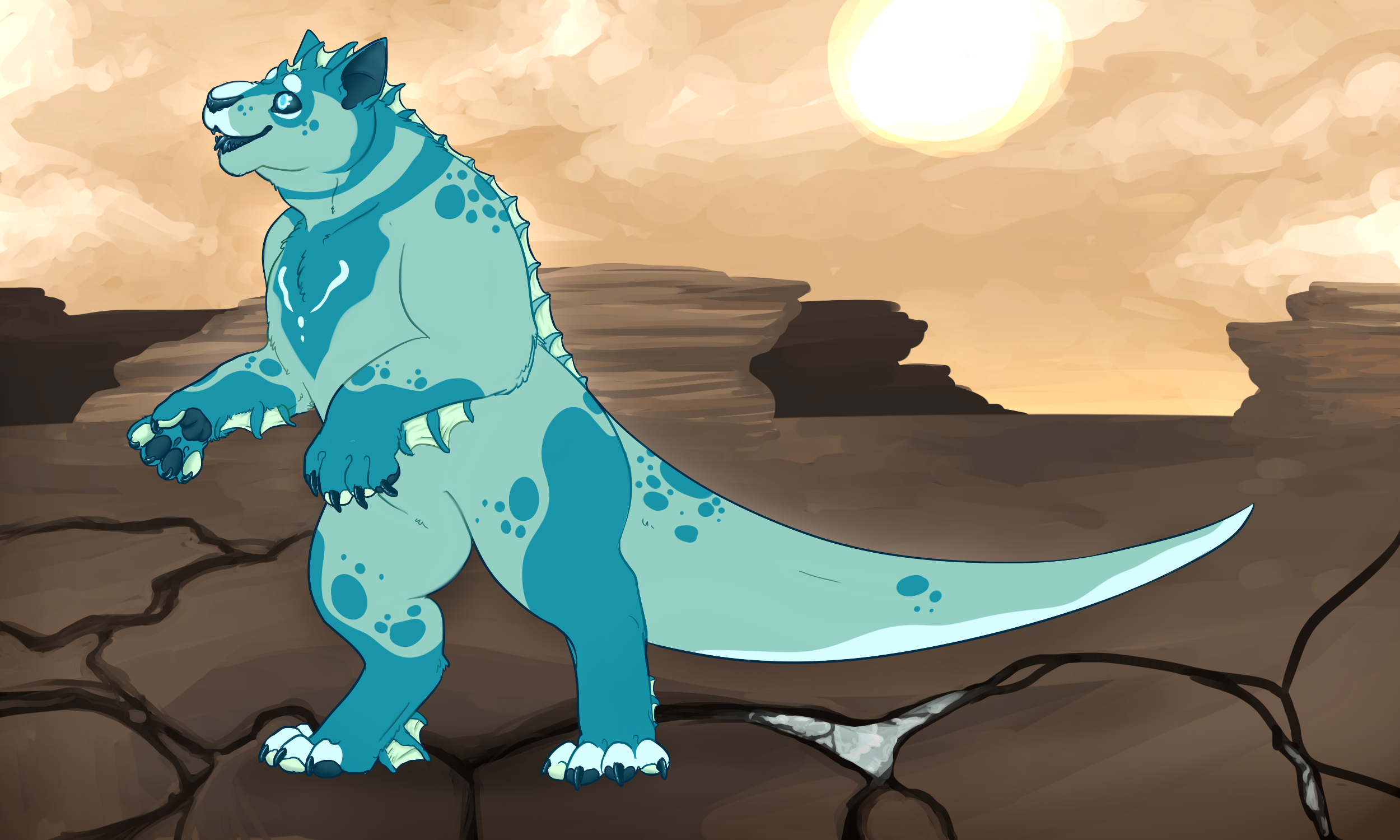
Tan (nTn/TnTn) (Common)
Range:


- Other than the color, Tan follows the same rules as Unders:
- Edge must be hard or textured.
- Recessive Tan (nTn) must touch the chest and/or belly of the Rixixi somewhere.
- There can be some breaks in the marking, but they should appear as natural separate pieces. Cutouts are allowed as long as they are natural shapes.
- It may have a gradient, but it must be within a similar hue, not heavily two-toned.
- While markings typically should not resemble each other too heavily, Tan can, in some cases, look identical to Unders on a Sunbeam, Woods, or Latte base. Tan may also resemble Sun, Spectacled, Vest, and Accents naturally.
Dominant Tan


- Dominant Tan (TnTn) can optionally extend to a significantly larger range.
- It does not have to connect to the chest or belly. Dominant Tan should still avoid mimicking other markings, but can mimic very simple markings like Points and Hood.
Examples:
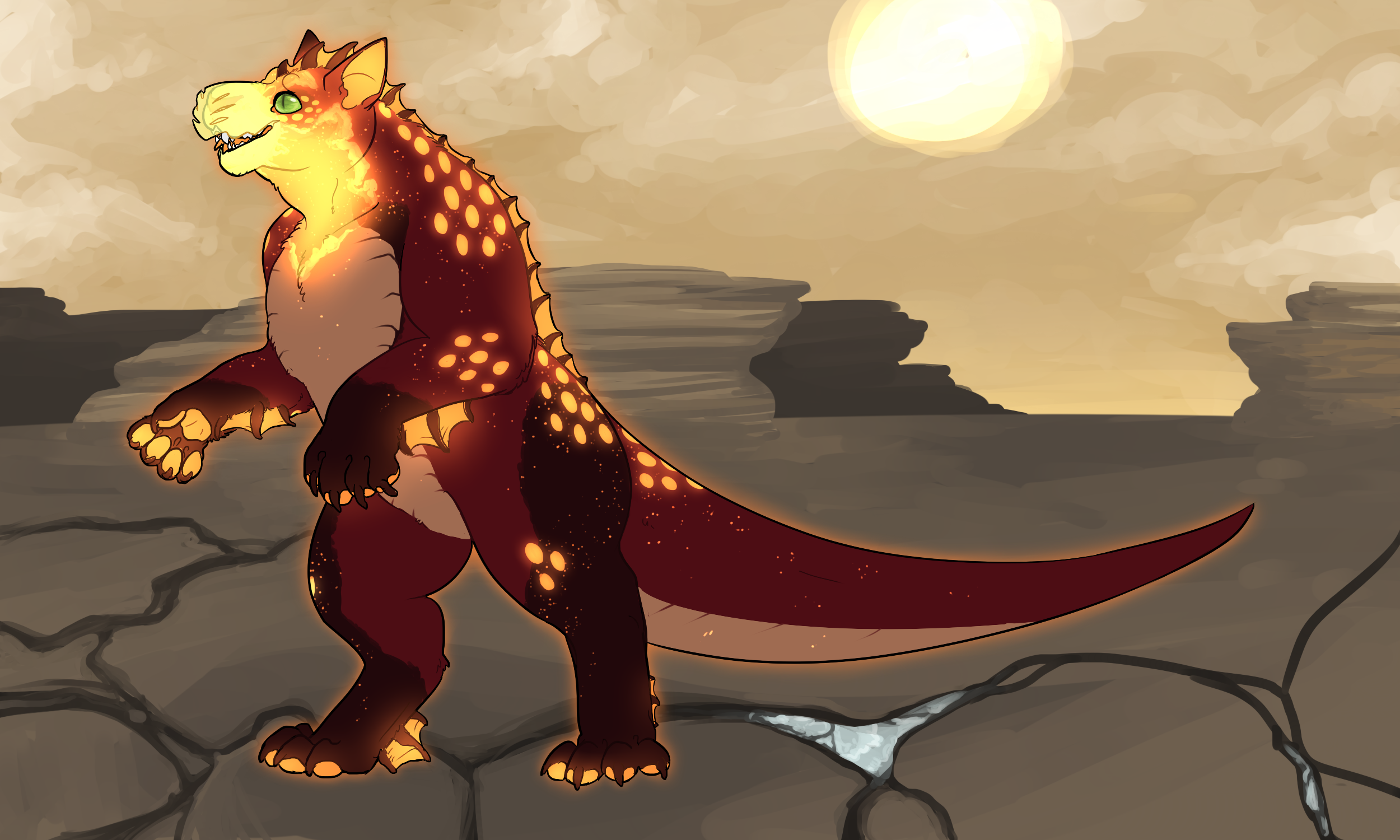
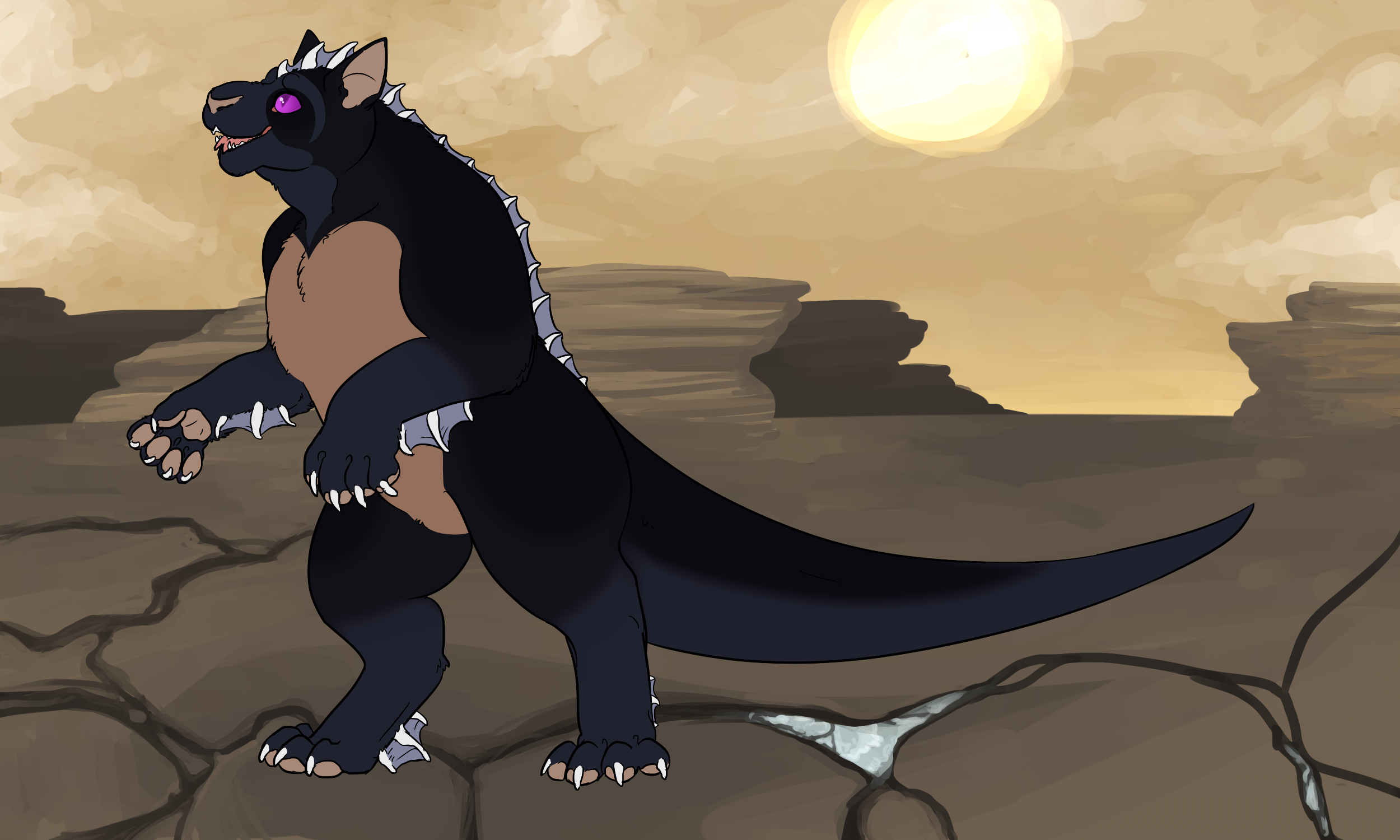

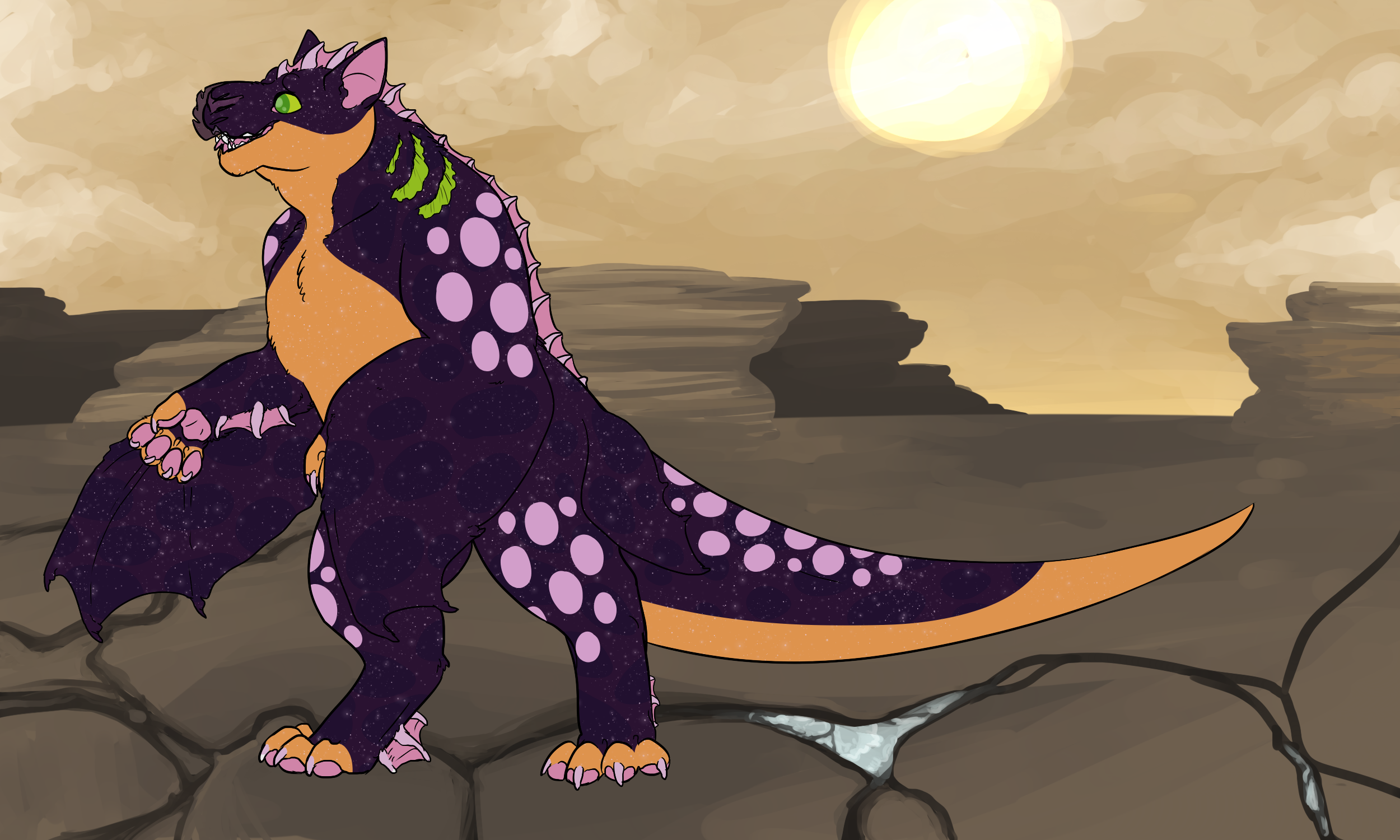
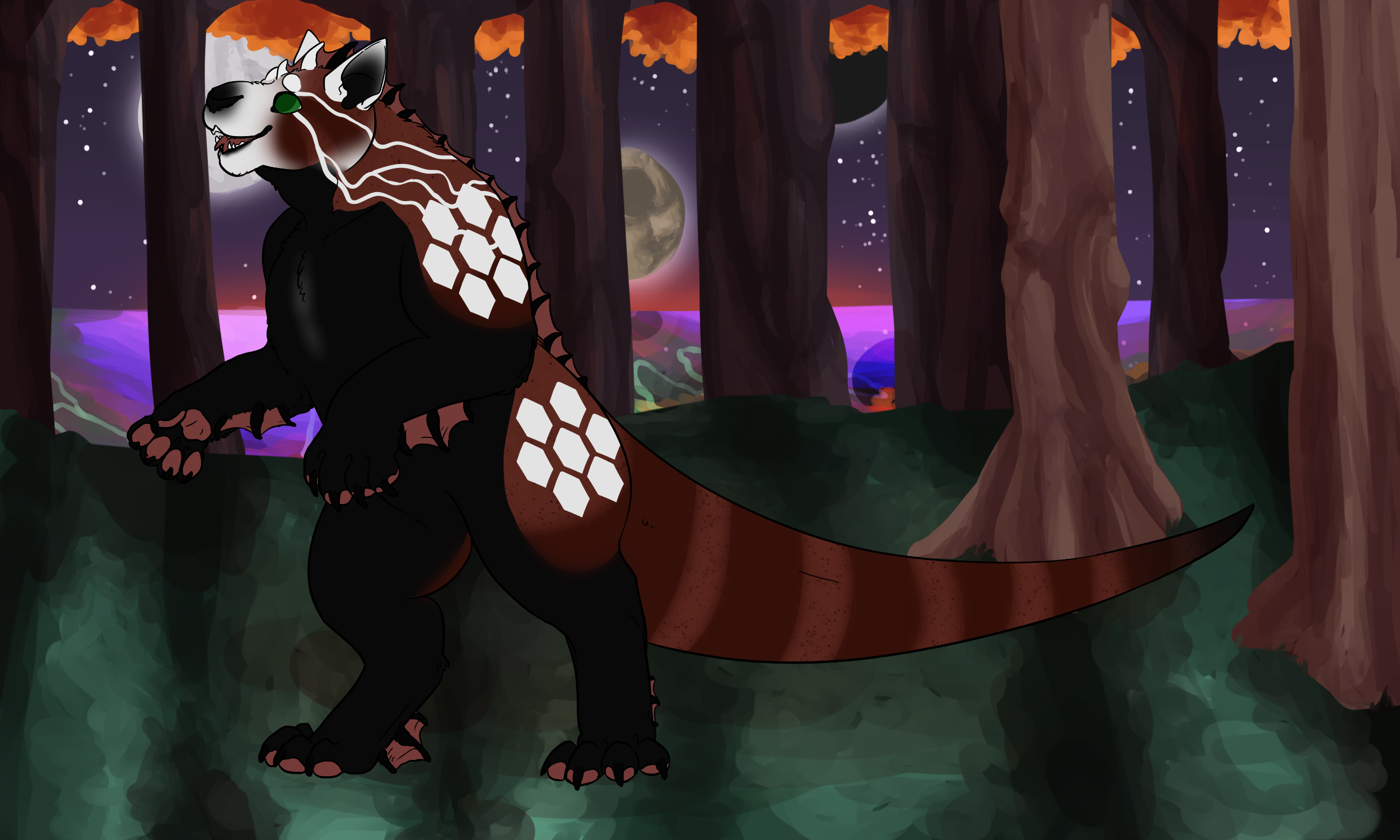
Hexagon (nHex/HexHex) (Common)
- Hexagon can be any color, including bright ones, and may be three-toned.
- It should be shaped like a pattern of hexagons, octagons, pentagons, or similar geometrical shapes. It can be rough and "natural" looking, like a giraffe's spots.
- It can be hard-edged, lightly soft-edged, or lightly textured. It should not be blurred out or heavily textured.
- It has no minimum, but should be noticeable on the design.
Examples: